
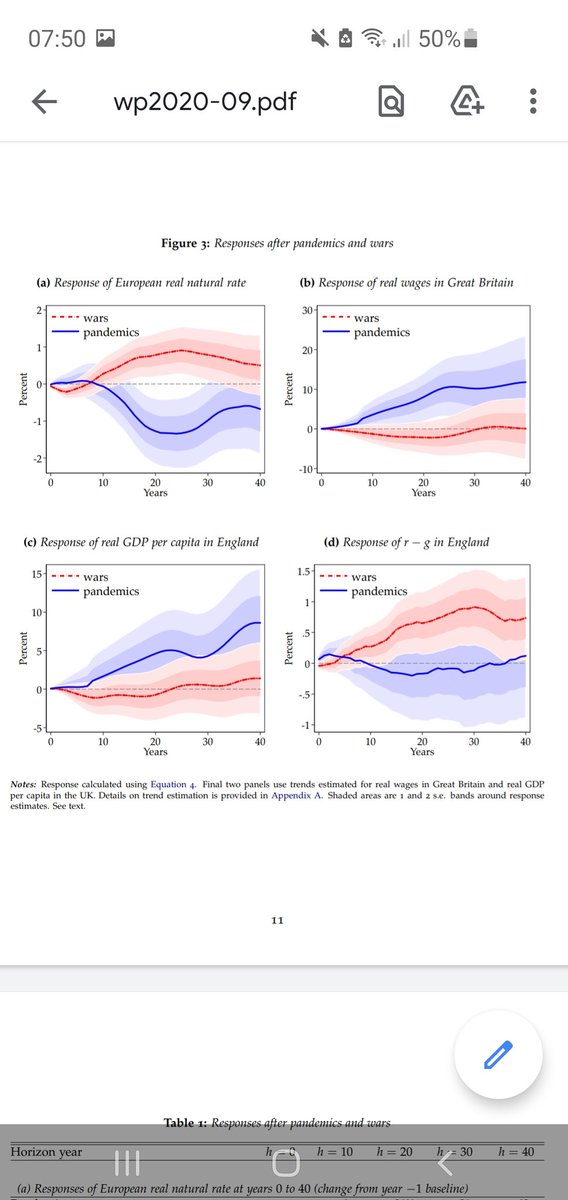
Nice article from @MESandbu. This from a theme in sellside research before Christmas. Could the pandemic break secular stagnation & deliver a decade of strong growth?
\u201cYou do not have to be an economist, only human, to understand the desire to let loose, get together, and take risks after a year of cautiously locking down at home and distancing ourselves from one another.\u201d From a wonderful @MESandbu colhttps://t.co/MvFMmeLs5G
— Tony Tassell (@TonyTassell) January 1, 2021

More from Economy



You May Also Like








I think a plausible explanation is that whatever Corbyn says or does, his critics will denounce - no matter how much hypocrisy it necessitates.
Corbyn opposes the exploitation of foreign sweatshop-workers - Labour MPs complain he's like Nigel
He speaks up in defence of migrants - Labour MPs whinge that he's not listening to the public's very real concerns about immigration:
He's wrong to prioritise Labour Party members over the public:
He's wrong to prioritise the public over Labour Party
One of the oddest features of the Labour tax row is how raising allowances, which the media allowed the LDs to describe as progressive (in spite of evidence to contrary) through the coalition years, is now seen by everyone as very right wing
— Tom Clark (@prospect_clark) November 2, 2018
Corbyn opposes the exploitation of foreign sweatshop-workers - Labour MPs complain he's like Nigel
He speaks up in defence of migrants - Labour MPs whinge that he's not listening to the public's very real concerns about immigration:
He's wrong to prioritise Labour Party members over the public:
He's wrong to prioritise the public over Labour Party


