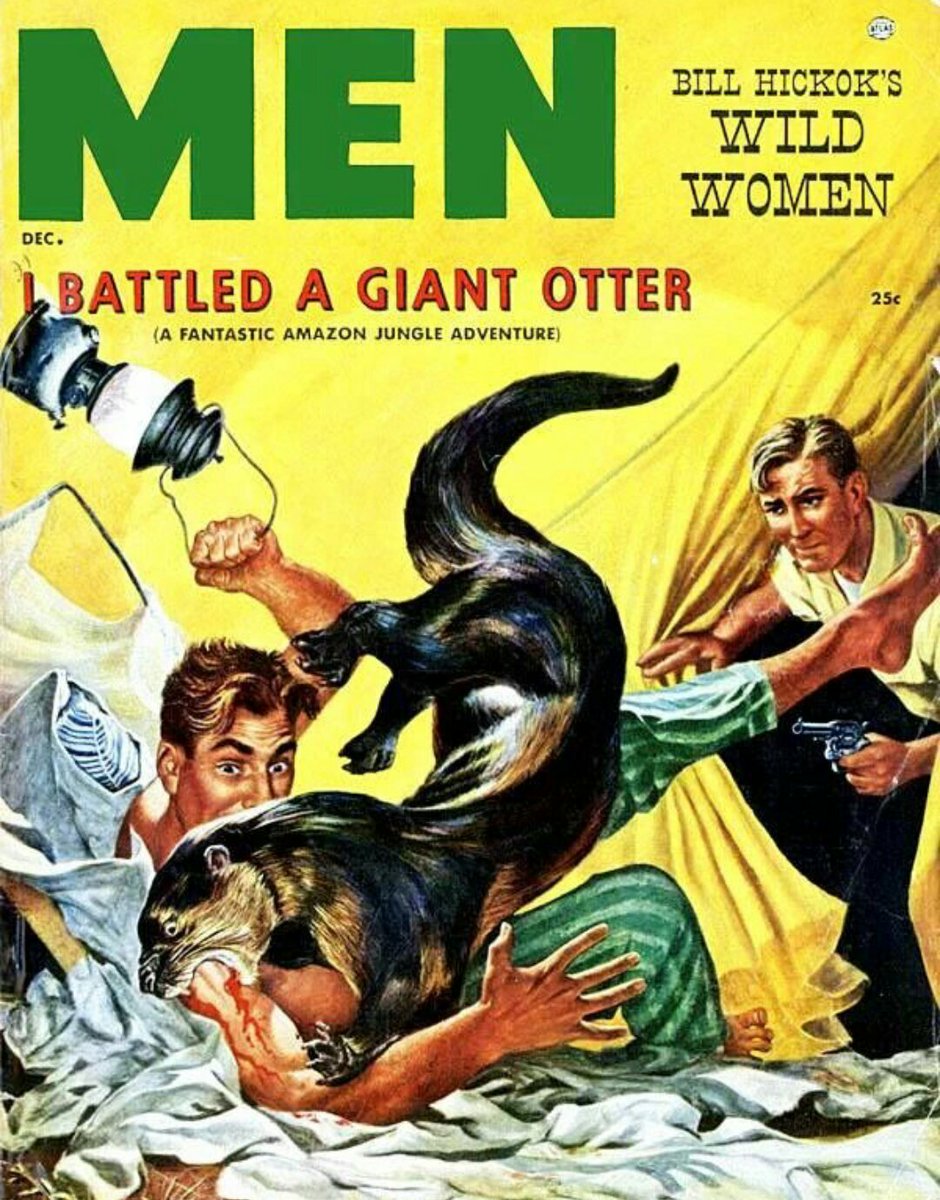
The faces of the insurrectionist, anti-American mob that attacked the country have inspired me to re-read George Orwell's "The Road to Wigan Pier".
One of his lesser known, but IMHO best books. Thread.
https://t.co/OPFiahKtbE
Buying plane tickets, purchasing weapons of war and body armor, taking time off from work, that takes time and money.


For 2021 America, add centuries of racism, party lies, the normalization of extremism, Trump godhead worship, and a society marinated in an ocean of misinformation.


The class analysis is just from the second half of his book. The first half is a complex analysis of coal mining life in northern England.
More from Culture

@bellingcat's attempt in their new book, published by
@BloomsburyBooks, to coverup the @OPCW #Douma controversy, promote US and UK gov. war narratives, and whitewash fraudulent conduct within the OPCW, is an exercise in deception through omission. @BloomsburyPub @Tim_Hayward_
1) 2000 words are devoted to the OPCW controversy regarding the alleged chemical weapon attack in #Douma, Syria in 2018 but critical material is omitted from the book. Reading it, one would never know the following:
2) That the controversy started when the original interim report, drafted and agreed by Douma inspection team members, was secretly modified by an unknown OPCW person who had manipulated the findings to suggest an attack had occurred. https://t.co/QtAAyH9WyX… @RobertF40396660
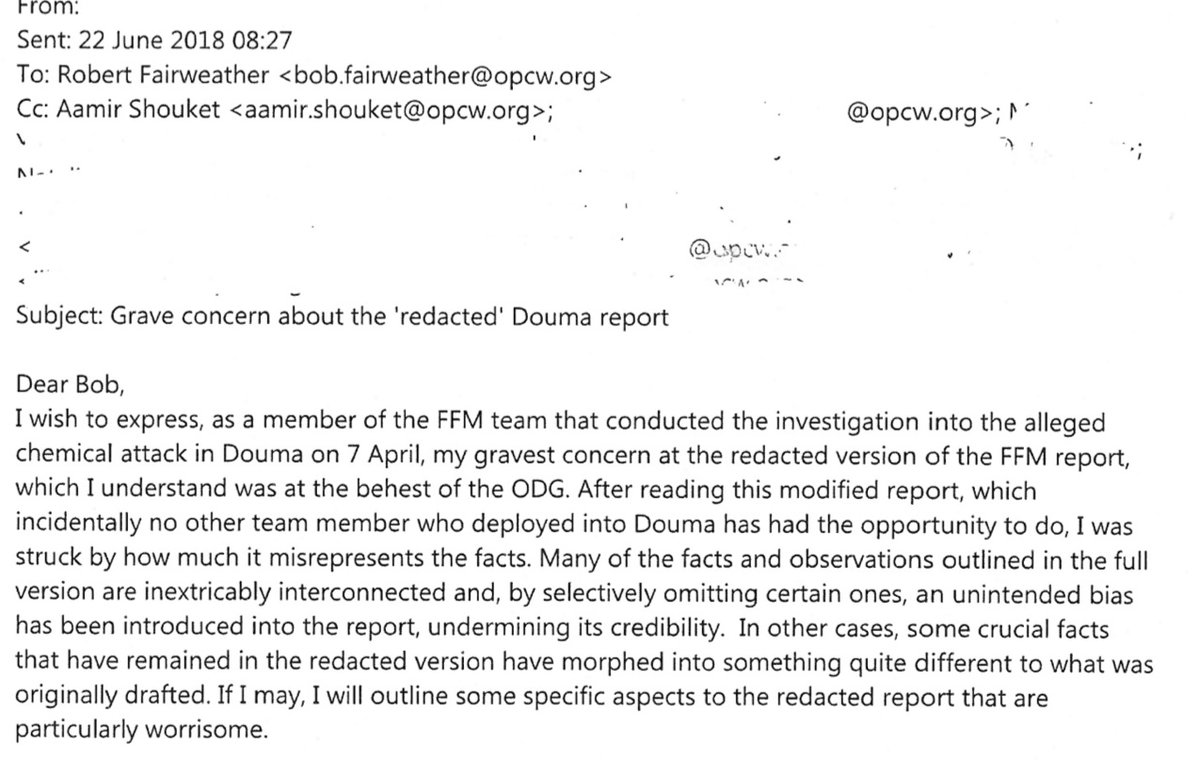
3) This act of attempted deception was only derailed because an inspector discovered the secret changes. The manipulations were reported by @ClarkeMicah
and can be readily observed in documents now available https://t.co/2BUNlD8ZUv….
4) @bellingcat's book also makes no mention of the @couragefoundation panel, attended by the @opcw's first Director General, Jose Bustani, at which an OPCW official detailed key procedural irregularities and scientific flaws with the Final Douma Report:
@BloomsburyBooks, to coverup the @OPCW #Douma controversy, promote US and UK gov. war narratives, and whitewash fraudulent conduct within the OPCW, is an exercise in deception through omission. @BloomsburyPub @Tim_Hayward_
\u201cAllegations of our involvement with the intelligence services are of course false,\u201d says Bellingcat founder @EliotHiggins https://t.co/55V7sJV9or
— UnHerd (@unherd) February 15, 2021
1) 2000 words are devoted to the OPCW controversy regarding the alleged chemical weapon attack in #Douma, Syria in 2018 but critical material is omitted from the book. Reading it, one would never know the following:
2) That the controversy started when the original interim report, drafted and agreed by Douma inspection team members, was secretly modified by an unknown OPCW person who had manipulated the findings to suggest an attack had occurred. https://t.co/QtAAyH9WyX… @RobertF40396660
3) This act of attempted deception was only derailed because an inspector discovered the secret changes. The manipulations were reported by @ClarkeMicah
and can be readily observed in documents now available https://t.co/2BUNlD8ZUv….
4) @bellingcat's book also makes no mention of the @couragefoundation panel, attended by the @opcw's first Director General, Jose Bustani, at which an OPCW official detailed key procedural irregularities and scientific flaws with the Final Douma Report:








For my book, I interviewed Texan Republicans, Democrats, oil guys + clean energy pioneers. Texas was once leading in wind energy, with GOP support. Now we get lies, from the Gov on down on renewables. What happened?
Lessons from Short Circuiting Policy https://t.co/KtxaBci5oC 🧵
Texas' challenges are not from "learning too many renewable energy lessons from California.” - Rep. Crenshaw
Texas passed its first renewable energy target in 1999, 3 years before California. The law was signed by, Gov. George W. Bush — you may recall he’s a Republican.
Gov. Bush was so proud of Texas’ leadership on wind energy, that he campaigned on it when running for President in 2000.
The "bill he signed in 1999 will make Texas the country’s largest market for renewable energy by 2009."
https://t.co/T4dKZ5qGnA
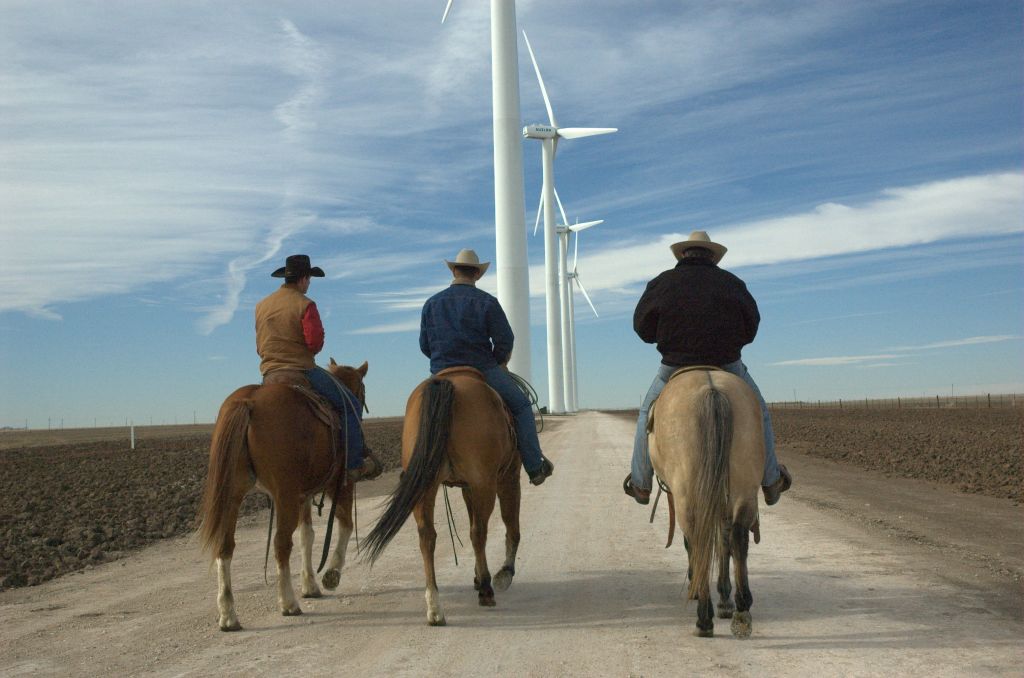
In 2005, Texas passed another big wind energy law, which included $7 billion for transmission.
It was sponsored by Republican state Senator Troy Fraser and signed by Republican Gov. Rick
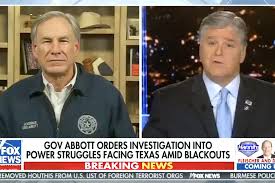
With Gov. Abbott going on TV this week and lying, blaming the boogeyman “Green New Deal” and wind turbines for Texas’ current crisis, GOP leadership on renewables feels like ancient history.
What happened over the past 15
Lessons from Short Circuiting Policy https://t.co/KtxaBci5oC 🧵
Texas' challenges are not from "learning too many renewable energy lessons from California.” - Rep. Crenshaw
Texas passed its first renewable energy target in 1999, 3 years before California. The law was signed by, Gov. George W. Bush — you may recall he’s a Republican.
Gov. Bush was so proud of Texas’ leadership on wind energy, that he campaigned on it when running for President in 2000.
The "bill he signed in 1999 will make Texas the country’s largest market for renewable energy by 2009."
https://t.co/T4dKZ5qGnA
In 2005, Texas passed another big wind energy law, which included $7 billion for transmission.
It was sponsored by Republican state Senator Troy Fraser and signed by Republican Gov. Rick
With Gov. Abbott going on TV this week and lying, blaming the boogeyman “Green New Deal” and wind turbines for Texas’ current crisis, GOP leadership on renewables feels like ancient history.
What happened over the past 15
You May Also Like

This is a pretty valiant attempt to defend the "Feminist Glaciology" article, which says conventional wisdom is wrong, and this is a solid piece of scholarship. I'll beg to differ, because I think Jeffery, here, is confusing scholarship with "saying things that seem right".
The article is, at heart, deeply weird, even essentialist. Here, for example, is the claim that proposing climate engineering is a "man" thing. Also a "man" thing: attempting to get distance from a topic, approaching it in a disinterested fashion.

Also a "man" thing—physical courage. (I guess, not quite: physical courage "co-constitutes" masculinist glaciology along with nationalism and colonialism.)

There's criticism of a New York Times article that talks about glaciology adventures, which makes a similar point.

At the heart of this chunk is the claim that glaciology excludes women because of a narrative of scientific objectivity and physical adventure. This is a strong claim! It's not enough to say, hey, sure, sounds good. Is it true?
Imagine for a moment the most obscurantist, jargon-filled, po-mo article the politically correct academy might produce. Pure SJW nonsense. Got it? Chances are you're imagining something like the infamous "Feminist Glaciology" article from a few years back.https://t.co/NRaWNREBvR pic.twitter.com/qtSFBYY80S
— Jeffrey Sachs (@JeffreyASachs) October 13, 2018
The article is, at heart, deeply weird, even essentialist. Here, for example, is the claim that proposing climate engineering is a "man" thing. Also a "man" thing: attempting to get distance from a topic, approaching it in a disinterested fashion.
Also a "man" thing—physical courage. (I guess, not quite: physical courage "co-constitutes" masculinist glaciology along with nationalism and colonialism.)
There's criticism of a New York Times article that talks about glaciology adventures, which makes a similar point.
At the heart of this chunk is the claim that glaciology excludes women because of a narrative of scientific objectivity and physical adventure. This is a strong claim! It's not enough to say, hey, sure, sounds good. Is it true?