It was the biggest mistake of this life.
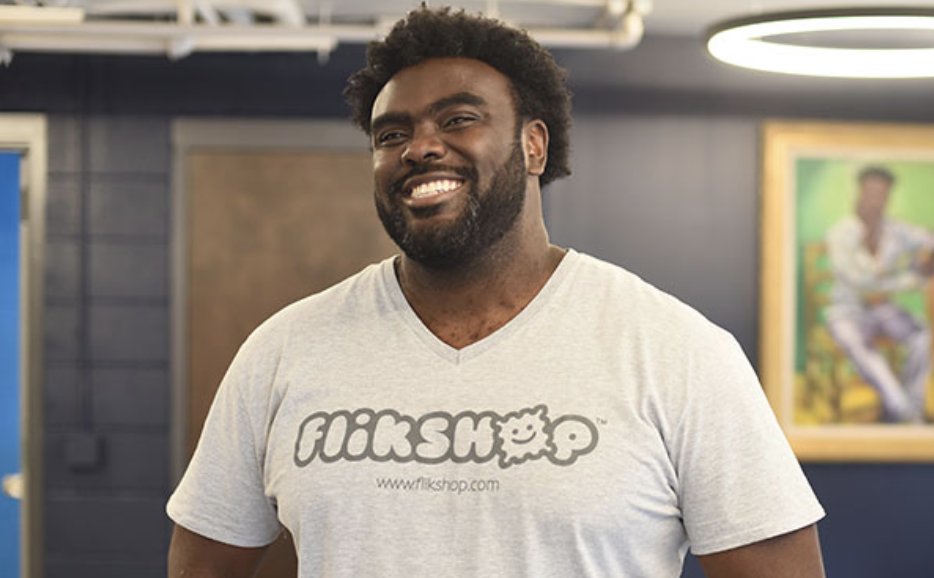
1/ Marcus Bullock went to prison in the mid-90s at the age of 15.
Today, he's the CEO of Flikshop -- the "Instagram for the Incarcerated", an alternative to the outrageously expensive phone call system.
This is a truly inspirational founder story 👇👇
It was the biggest mistake of this life.
In the aftermath, nearly every state passed new laws that made it easier for courts to try youth as adults.

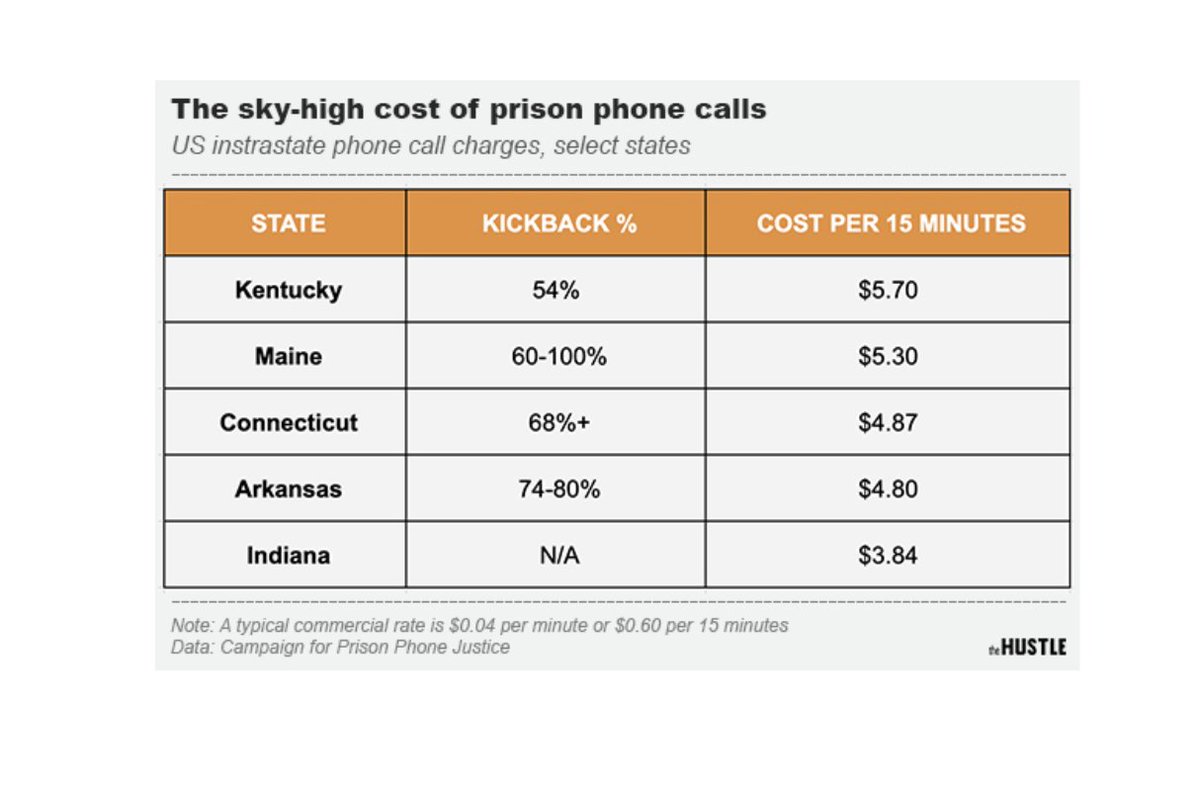
With onerous prison phone charges ($18 / 15 mins), Bullock's mother kept in touch with him by sending a photo or letter every day.
"She saved me," he says of his mom's efforts.

For the right to operate these phones lines, prisons effectively pay kickbacks to state and local government. The highest kickbacks win bids, which drive up costs.
He eventually found a job in painting. He learned everything he could and launched his own contracting business, reaching 7 figures with projects like BWI Airport.

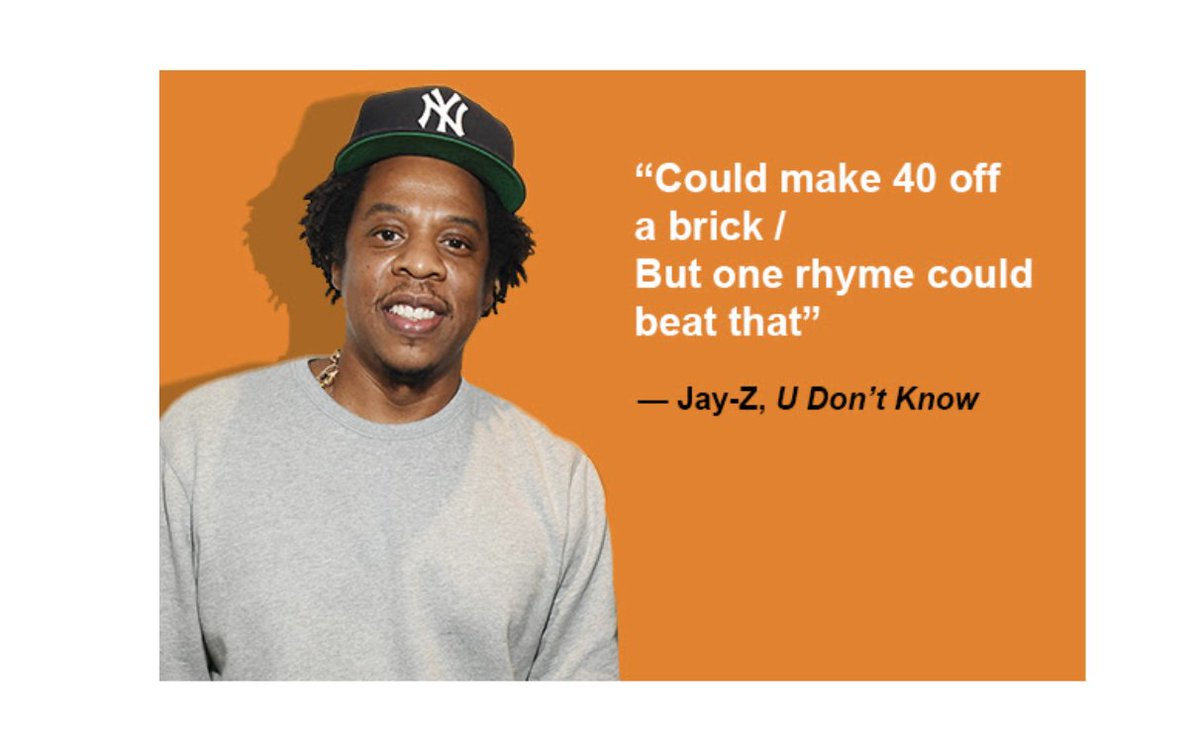
"He was rapping about how to be a successful businessman with a nontraditional path. He didn’t go to college but became a multimillionaire. Jay-Z gave me permission to believe that I could be a successful entrepreneur.”
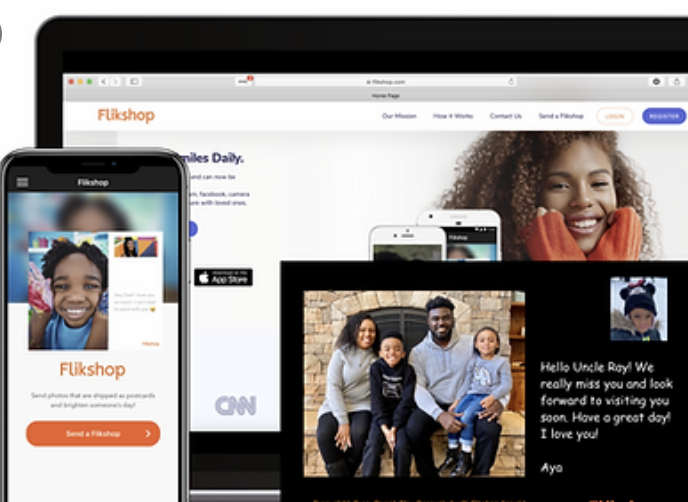
The process is done through the click of an app and only costs $0.99 (vs. pricey phone system).
Over the years, Bullock visited countless prisons administrators and wardens and pitched Flikshop: by facilitating comms with loved ones, his startup could improve mental wellbeing and reduce recidivism.
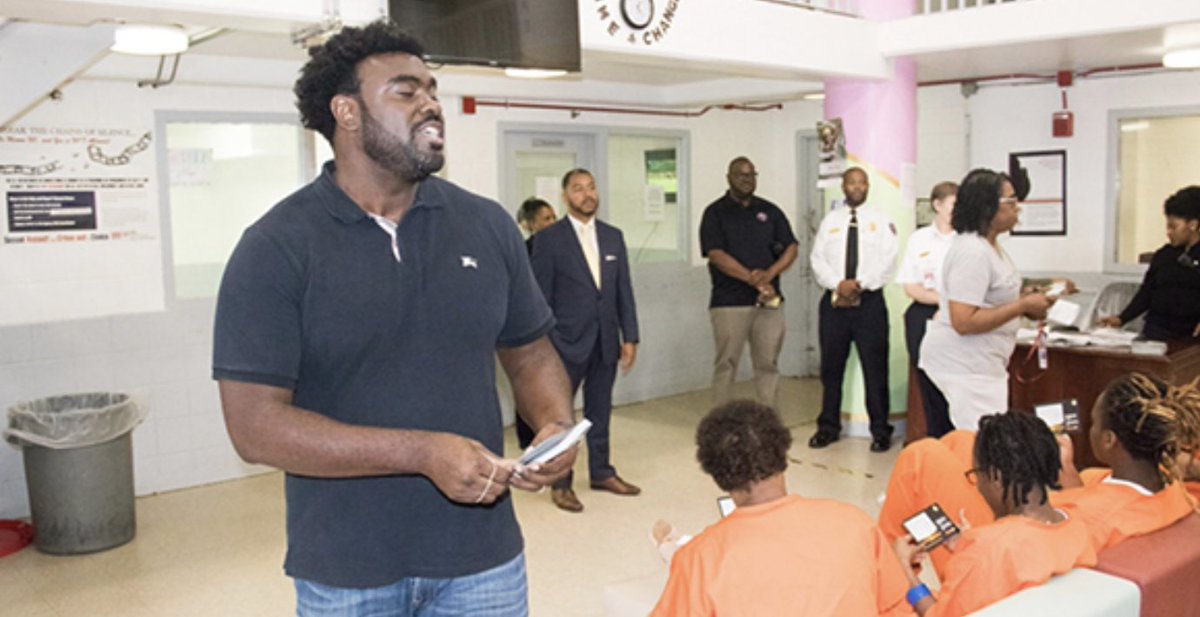

NGOs and corporations can use Flikshop to communicate information to inmates (e.g., job opps and criminal justice reform).
A big enterprise biz can keep the regular Flikshop affordable for families.

https://t.co/ANq8H2vHh0
More from 𝚃𝚛𝚞𝚗𝚐 𝙿𝚑𝚊𝚗 🇨🇦
The Wall Street Bets due diligence on Wendy’s is gold.
The catalysts are:
◻️ The release of a new summer salad
◻️ The @Wendys Twitter account, which has mastered “meta pragmatic roasting” (which is effective with younger people)
◻️ The fact it literally sells chicken tendies
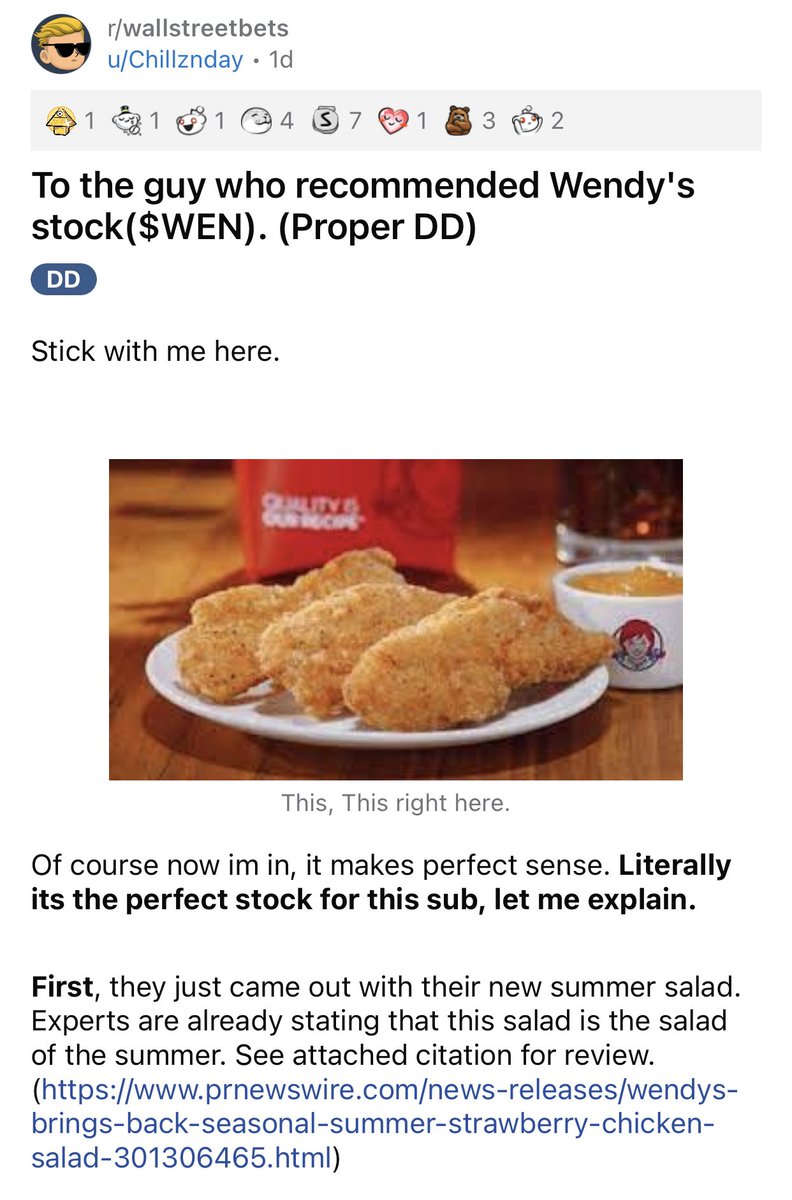
OP:
Here’s a more fundamentals-driven analysis of Wendy’s
https://t.co/A2k19S9M7J
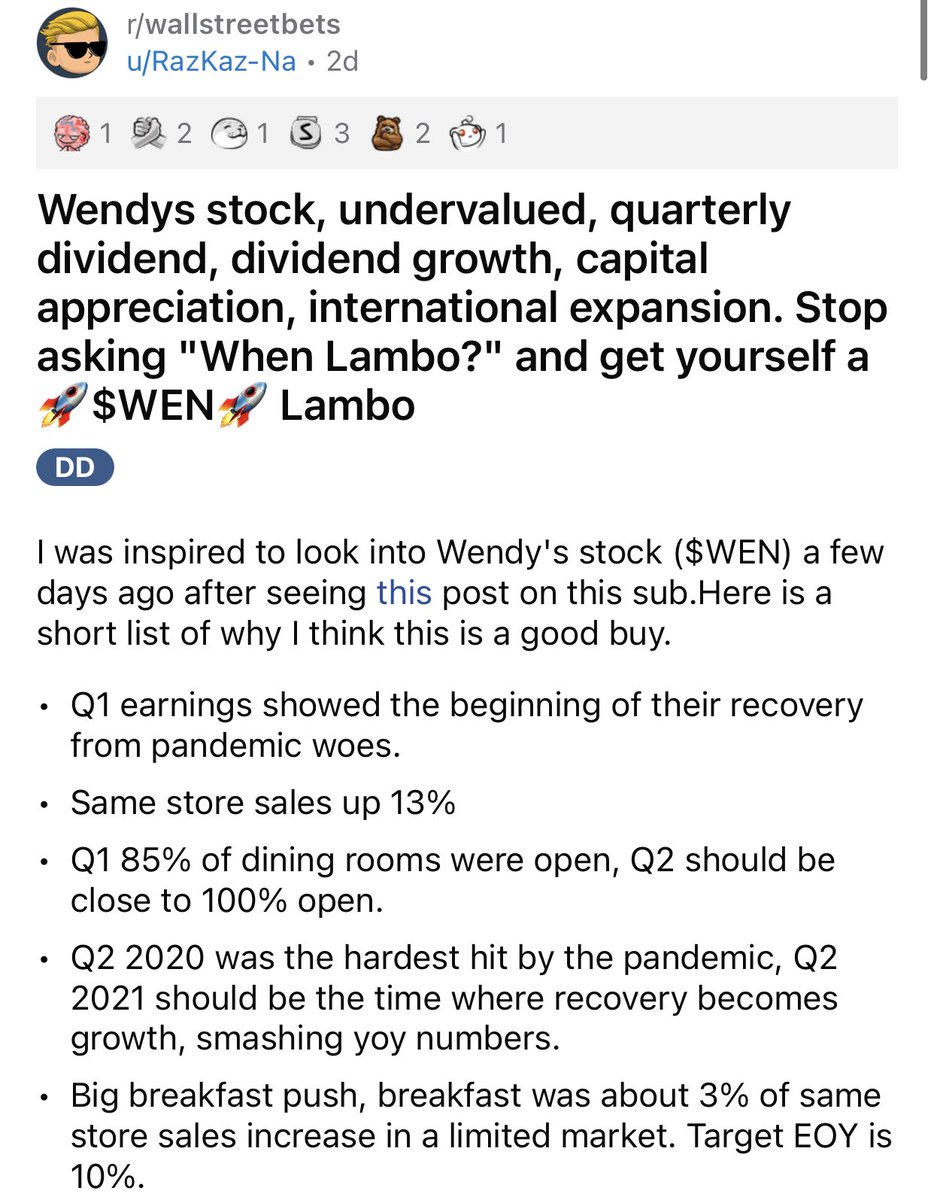
😂😂😂
Further Wendy’s analysis from @CliffordAsness !!
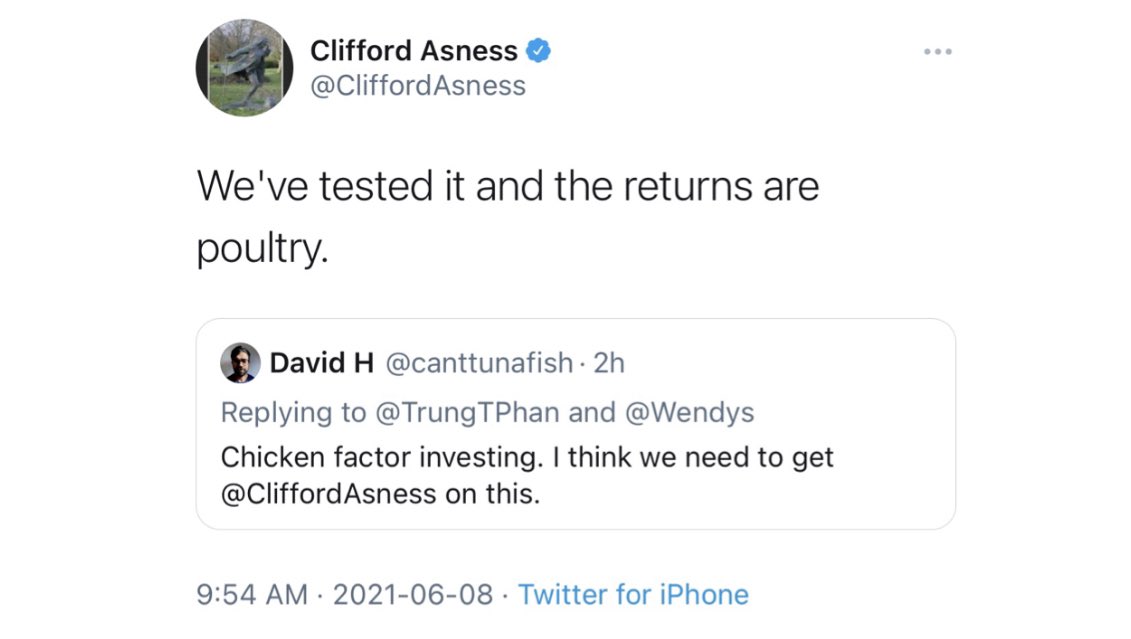
The catalysts are:
◻️ The release of a new summer salad
◻️ The @Wendys Twitter account, which has mastered “meta pragmatic roasting” (which is effective with younger people)
◻️ The fact it literally sells chicken tendies
OP:
Here’s a more fundamentals-driven analysis of Wendy’s
https://t.co/A2k19S9M7J
😂😂😂
\u201cThe name of the company is Wendy\u2019s International $WEN. It is a cutting edge high tech firm out of rural Ohio that is awaiting imminent patent approval on the next generation of summer salads that have both huge military and civilian applications.\u201d pic.twitter.com/qmk4hkKL3N
— u/1ronyman (@1ronyman1) June 8, 2021
Further Wendy’s analysis from @CliffordAsness !!








More from Culture










You May Also Like











“We don’t negotiate salaries” is a negotiation tactic.
Always. No, your company is not an exception.
A tactic I don’t appreciate at all because of how unfairly it penalizes low-leverage, junior employees, and those loyal enough not to question it, but that’s negotiation for you after all. Weaponized information asymmetry.
Listen to Aditya
And by the way, you should never be worried that an offer would be withdrawn if you politely negotiate.
I have seen this happen *extremely* rarely, mostly to women, and anyway is a giant red flag. It suggests you probably didn’t want to work there.
You wish there was no negotiating so it would all be more fair? I feel you, but it’s not happening.
Instead, negotiate hard, use your privilege, and then go and share numbers with your underrepresented and underpaid colleagues. […]
Always. No, your company is not an exception.
A tactic I don’t appreciate at all because of how unfairly it penalizes low-leverage, junior employees, and those loyal enough not to question it, but that’s negotiation for you after all. Weaponized information asymmetry.
Listen to Aditya
"we don't negotiate salaries" really means "we'd prefer to negotiate massive signing bonuses and equity grants, but we'll negotiate salary if you REALLY insist" https://t.co/80k7nWAMoK
— Aditya Mukerjee, the Otterrific \U0001f3f3\ufe0f\u200d\U0001f308 (@chimeracoder) December 4, 2018
And by the way, you should never be worried that an offer would be withdrawn if you politely negotiate.
I have seen this happen *extremely* rarely, mostly to women, and anyway is a giant red flag. It suggests you probably didn’t want to work there.
You wish there was no negotiating so it would all be more fair? I feel you, but it’s not happening.
Instead, negotiate hard, use your privilege, and then go and share numbers with your underrepresented and underpaid colleagues. […]