
2/
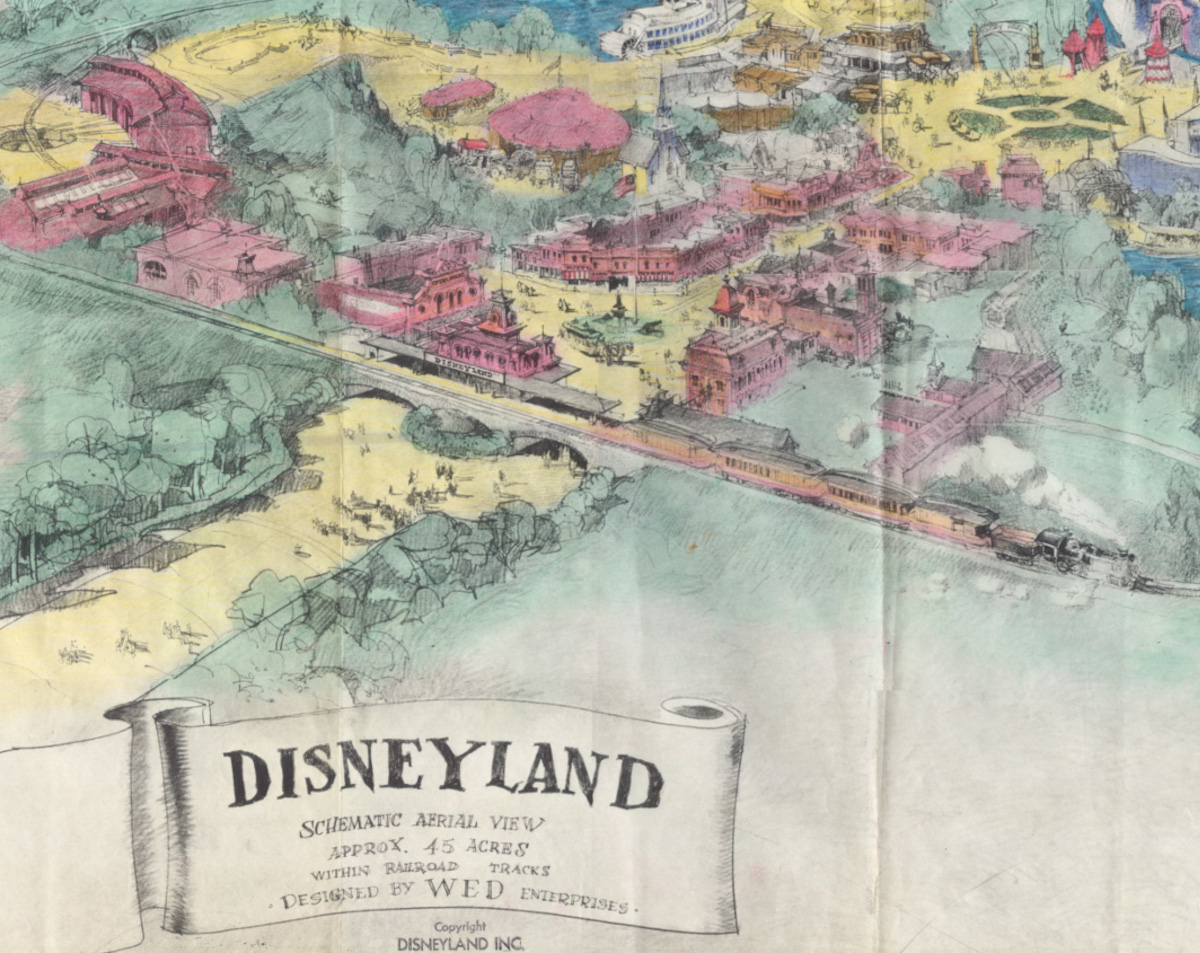
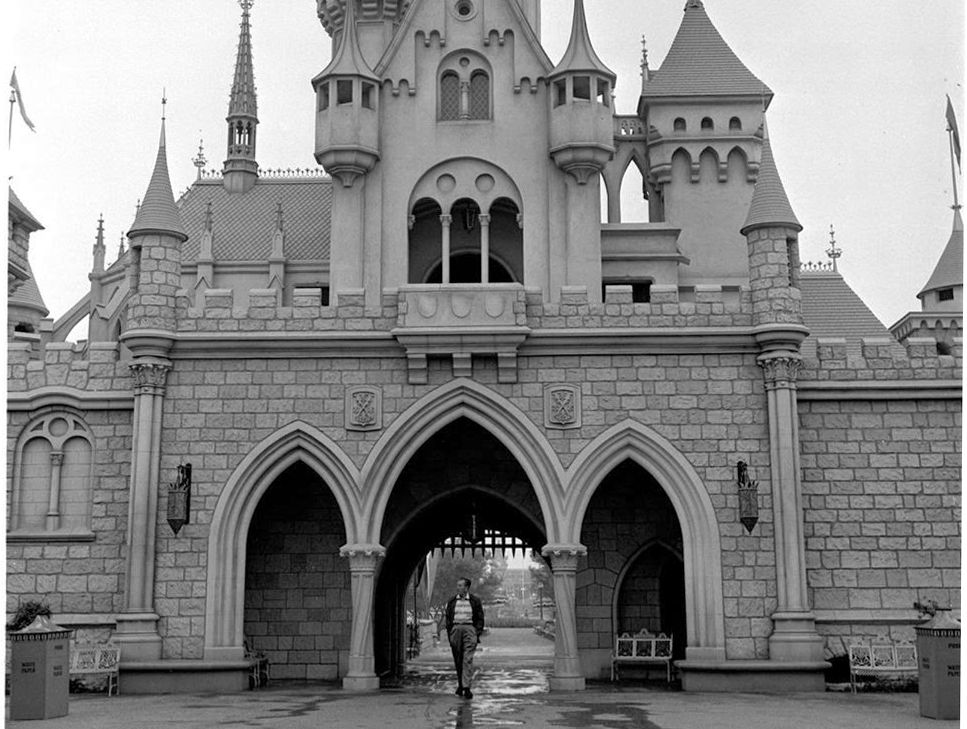
The early Disney company had several near-death experiences, some due to exogenous shocks and some self-inflicted (bad labor practices, weird technology choices), and all through it, a power struggle between "Roy people" (finance) and "Walt people" (tech/art).
1/
2/
3/
4/
5/
6/
7/
8/
https://t.co/7LQvTEh60D
9/
10/
11/
12/
13/
14/
15/
Annual Passes grew too successful, selling so well they crowded out vacationers on a once-in-a-lifetime trip.
16/
17/
Then came the pandemic...and the end of the Annual Pass program altogether.
https://t.co/PrbdFsnS4U
18/
19/
Most of the problems generated by Annual Passholders aren't that extreme, of course.
20/
21/
22/
More from Cory Doctorow #BLM
Today's Twitter threads (a Twitter thread).
Inside: Stop saying "it's not censorship if it's not the government"; Trump's swamp gators find corporate refuge; and more!
Archived at: https://t.co/7JMcAbaULj
#Pluralistic
1/
Monday night, I'll be helping William Gibson launch the paperback edition of his novel AGENCY at a Strand Bookstore videoconference. Come say hi!
https://t.co/k3fvBdqOK0
2/
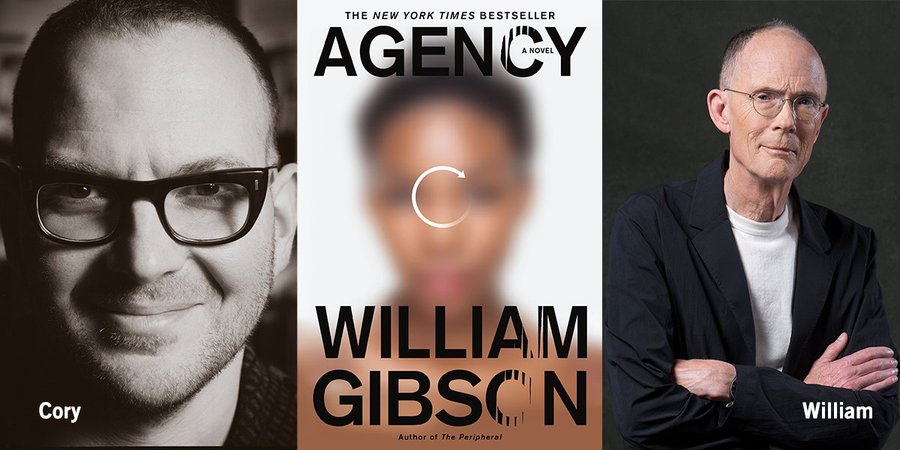
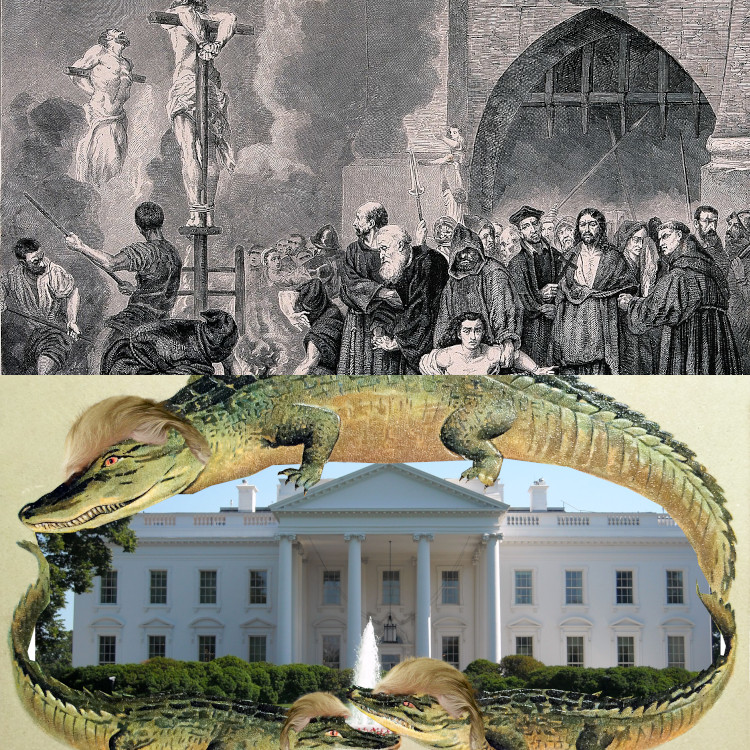
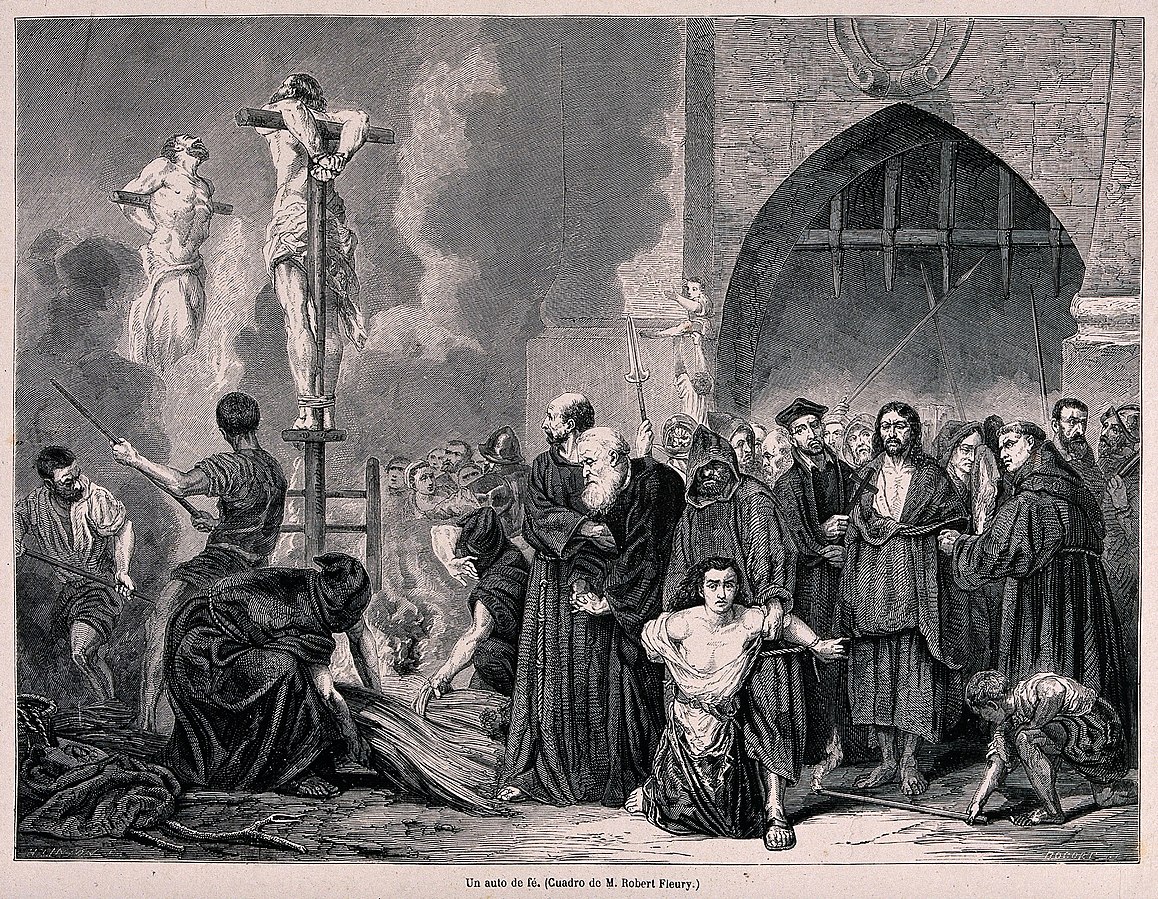
Stop saying "it's not censorship if it's not the government": I didn't expect the Spanish Inquisition.
https://t.co/7I0MpCTez5
3/
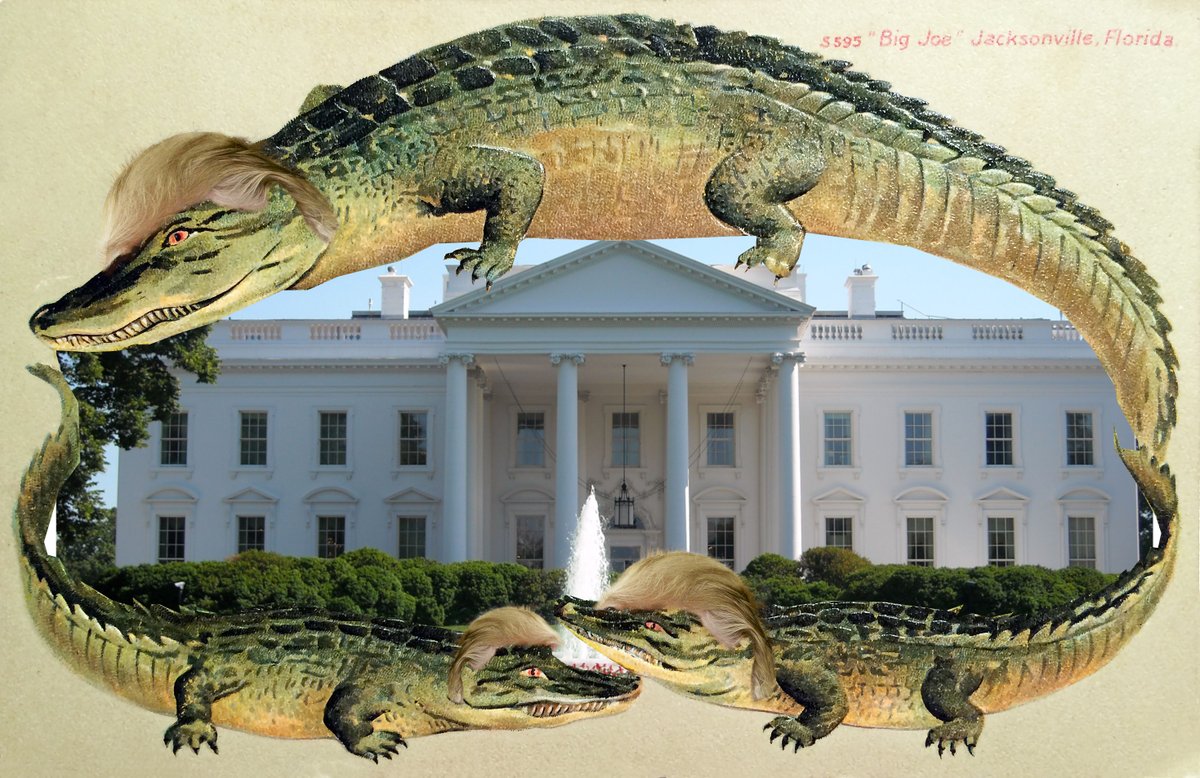
Trump's swamp gators find corporate refuge: The Swamped project.
https://t.co/MUJyIOr2iw
4/
#15yrsago A-Hole bill would make a secret technology into the law of the land https://t.co/57bJaM1Byr
#15yrsago Hollywood’s MP loses the election — hit the road, Sam! https://t.co/12ssYpV46B
#15yrsago How William Gibson discovered science fiction https://t.co/MYR0go37nW
5/
Inside: Stop saying "it's not censorship if it's not the government"; Trump's swamp gators find corporate refuge; and more!
Archived at: https://t.co/7JMcAbaULj
#Pluralistic
1/
Monday night, I'll be helping William Gibson launch the paperback edition of his novel AGENCY at a Strand Bookstore videoconference. Come say hi!
https://t.co/k3fvBdqOK0
2/
Stop saying "it's not censorship if it's not the government": I didn't expect the Spanish Inquisition.
https://t.co/7I0MpCTez5
3/
If you think "It's not censorship unless the government does it," I want to change your mind.
— Cory Doctorow #BLM (@doctorow) January 24, 2021
It's absolutely true that the First Amendment only prohibits government action to suppress speech based on its content, but the First Amendment is not the last word on censorship.
1/ pic.twitter.com/ycbLLDhtrd
Trump's swamp gators find corporate refuge: The Swamped project.
https://t.co/MUJyIOr2iw
4/
Have you seen the stories about how Trump administration officials and staffers for Ted Cruz are finding that no one in the private sector will hire them because they are forever tainted by their former bosses' disgraceful behavior?
— Cory Doctorow #BLM (@doctorow) January 24, 2021
They're bullshit.https://t.co/XvYDPpR9yd
1/ pic.twitter.com/VxisK4d8jV
#15yrsago A-Hole bill would make a secret technology into the law of the land https://t.co/57bJaM1Byr
#15yrsago Hollywood’s MP loses the election — hit the road, Sam! https://t.co/12ssYpV46B
#15yrsago How William Gibson discovered science fiction https://t.co/MYR0go37nW
5/
Today's Twitter threads (a Twitter thread).
Inside: Planet Money on HP's myriad ripoffs; Strength in numbers; and more!
Archived at: https://t.co/esjoT3u5Gr
#Pluralistic
1/
On Feb 22, I'm delivering a keynote address for the NISO Plus conference, "The day of the comet: what trustbusting means for digital manipulation."
https://t.co/Z84xicXhGg
2/
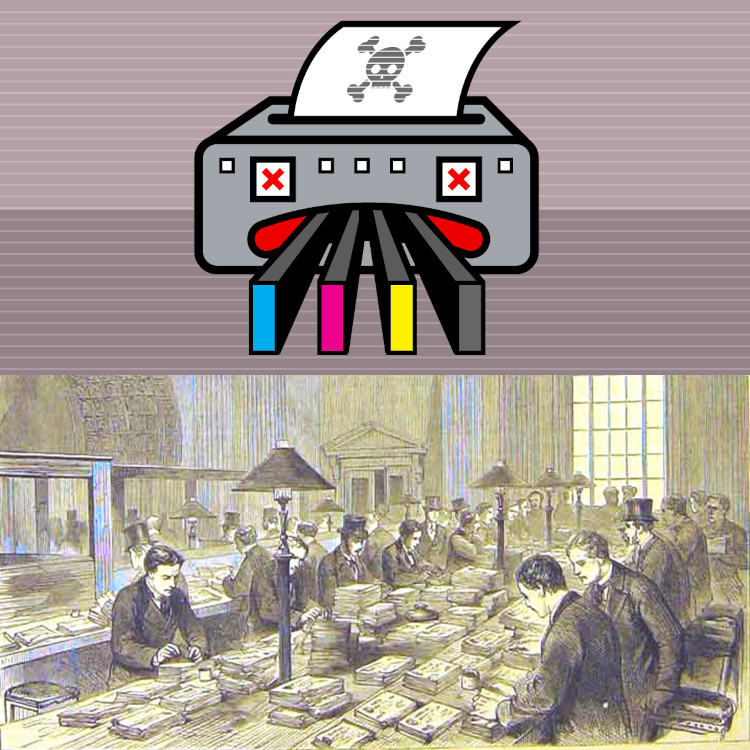
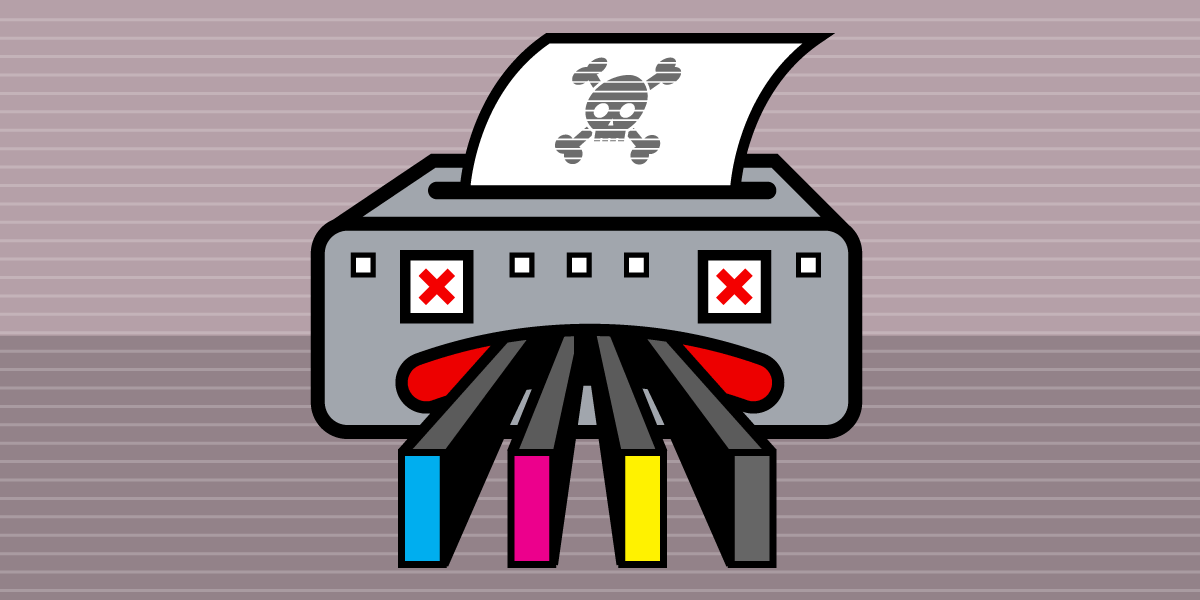
Planet Money on HP's myriad ripoffs: Ink-stained wretches of the world, unite!
https://t.co/k5ASdVUrC2
3/
Strength in numbers: The crisis in accounting.
https://t.co/DjfAfHWpNN
4/
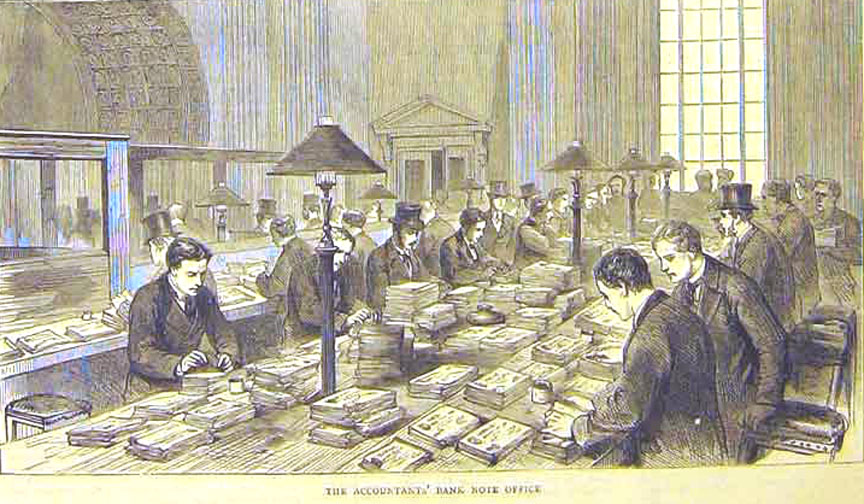
#15yrsago Bad Samaritan family won’t return found expensive camera https://t.co/Rn9E5R1gtV
#10yrsago What does Libyan revolution mean for https://t.co/Jz28qHVhrV? https://t.co/dN1e4MxU4r
5/
Inside: Planet Money on HP's myriad ripoffs; Strength in numbers; and more!
Archived at: https://t.co/esjoT3u5Gr
#Pluralistic
1/
On Feb 22, I'm delivering a keynote address for the NISO Plus conference, "The day of the comet: what trustbusting means for digital manipulation."
https://t.co/Z84xicXhGg
2/
Planet Money on HP's myriad ripoffs: Ink-stained wretches of the world, unite!
https://t.co/k5ASdVUrC2
3/
Back in November, I published an article for @EFF about @HP's latest printer-ink ripoff: after offering its customers a free-ink-for-life plan, it unilaterally switched them all to a $1/month-for-life plan.https://t.co/bsc73xPSuo
— Cory Doctorow #BLM (@doctorow) February 18, 2021
1/ pic.twitter.com/tagduPupA5
Strength in numbers: The crisis in accounting.
https://t.co/DjfAfHWpNN
4/
Accountancy is more likely to be mocked than celebrated (or condemned), but accountants, far more than poets, are the unacknowledged legislators of the world.
— Cory Doctorow #BLM (@doctorow) February 18, 2021
1/ pic.twitter.com/FaNQc66gQN
#15yrsago Bad Samaritan family won’t return found expensive camera https://t.co/Rn9E5R1gtV
#10yrsago What does Libyan revolution mean for https://t.co/Jz28qHVhrV? https://t.co/dN1e4MxU4r
5/

More from Business


1/An interesting thing happened tonight. I was scrolling through clubhouse and found WileyCEO, Godfather of Grime (kicked off Twitter in July for antisemitic tweets) speaking. So I tweeted this (and included a screen shot, later deleted as I found out TOS don't allow it ...

2/ ... and several folks also asked me to remove it which I promptly did afterwards).... Coming into the CH room, I fully intended to confront him about how hurtful his comments in July were. But as I listened to the folks in the room, I decided to go a different direction ....
3/ the conversation jumped around, covered many topics and there were between 8-14 people up on stage. But a recurring thread was discussion of racism, bigotry, comparison of it in the US vs UK vs elsewhere.
4/ when I got a chance to speak, I had 5 bullets written down: a) we should harness technology and capitalism to make reparations for what America did to Black people. I gave https://t.co/SlrW8zCd58 (a project a couple friends co-started) as an example) ...
5/ b) capitalism and product know-how and technology can be harnessed for social justice c) historically oppressed minorities need to stick together and lastly, d) "Wiley, how could you say such hurtful things about Jews as a people?" That's what I had ready to say, anyway.
2/ ... and several folks also asked me to remove it which I promptly did afterwards).... Coming into the CH room, I fully intended to confront him about how hurtful his comments in July were. But as I listened to the folks in the room, I decided to go a different direction ....
3/ the conversation jumped around, covered many topics and there were between 8-14 people up on stage. But a recurring thread was discussion of racism, bigotry, comparison of it in the US vs UK vs elsewhere.
4/ when I got a chance to speak, I had 5 bullets written down: a) we should harness technology and capitalism to make reparations for what America did to Black people. I gave https://t.co/SlrW8zCd58 (a project a couple friends co-started) as an example) ...
5/ b) capitalism and product know-how and technology can be harnessed for social justice c) historically oppressed minorities need to stick together and lastly, d) "Wiley, how could you say such hurtful things about Jews as a people?" That's what I had ready to say, anyway.


You May Also Like



This is NONSENSE. The people who take photos with their books on instagram are known to be voracious readers who graciously take time to review books and recommend them to their followers. Part of their medium is to take elaborate, beautiful photos of books. Die mad, Guardian.
THEY DO READ THEM, YOU JUDGY, RACOON-PICKED TRASH BIN

If you come for Bookstagram, i will fight you.
In appreciation, here are some of my favourite bookstagrams of my books: (photos by lit_nerd37, mybookacademy, bookswrotemystory, and scorpio_books)

Beautifully read: why bookselfies are all over Instagram https://t.co/pBQA3JY0xm
— Guardian Books (@GuardianBooks) October 30, 2018
THEY DO READ THEM, YOU JUDGY, RACOON-PICKED TRASH BIN
If you come for Bookstagram, i will fight you.
In appreciation, here are some of my favourite bookstagrams of my books: (photos by lit_nerd37, mybookacademy, bookswrotemystory, and scorpio_books)


