
2/
Google workers have announced their intention to form a union, under the auspices of @CWAUnion Local 1440. The union is called @AlphabetWorkers (Google maintains the legal and accounting fiction that it is a division of a holding company called "Alphabet").
1/

2/
3/
https://t.co/QjVkkM5hXC
4/
5/
6/
7/
8/
https://t.co/XE1gb7GTbk
9/
https://t.co/3qrQEXeMit
10/
More from Cory Doctorow #BLM
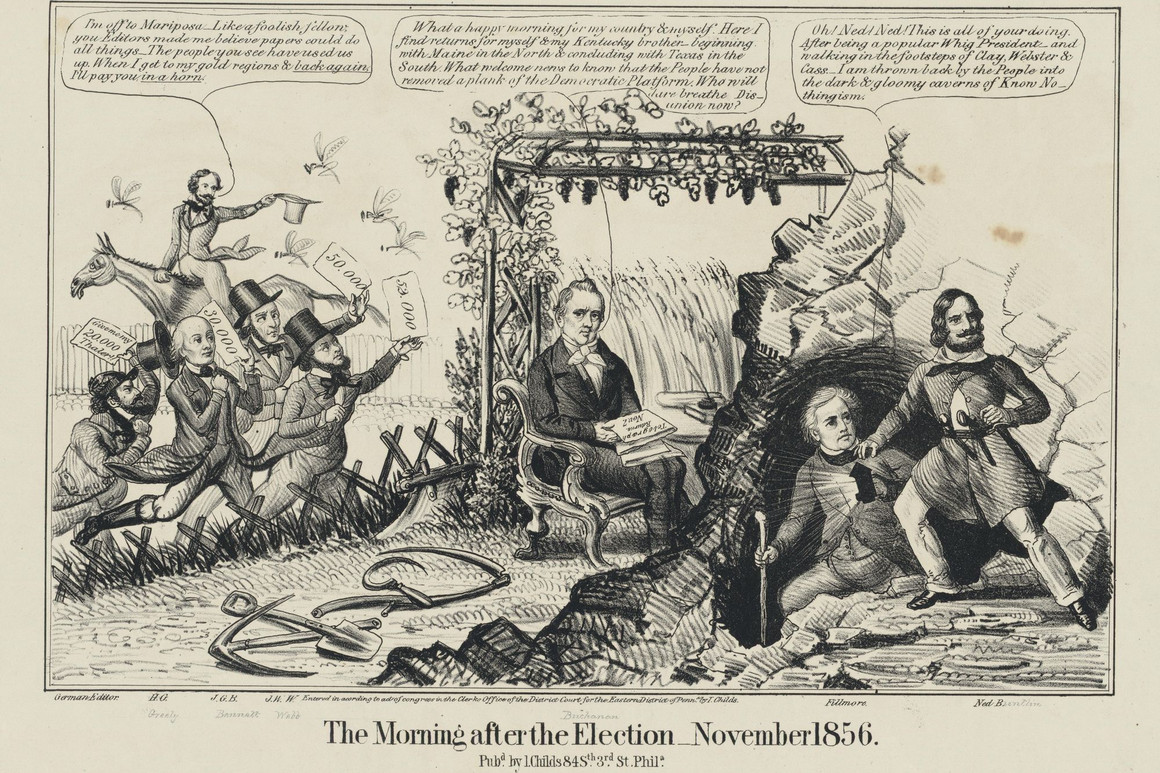

Today's Twitter threads (a Twitter thread).
Inside: ADT insider threat; Billionaires think VR stops guillotines; Privacy Without Monopoly; and more!
Archived at: https://t.co/nu1HbReiEX
#Pluralistic
1/
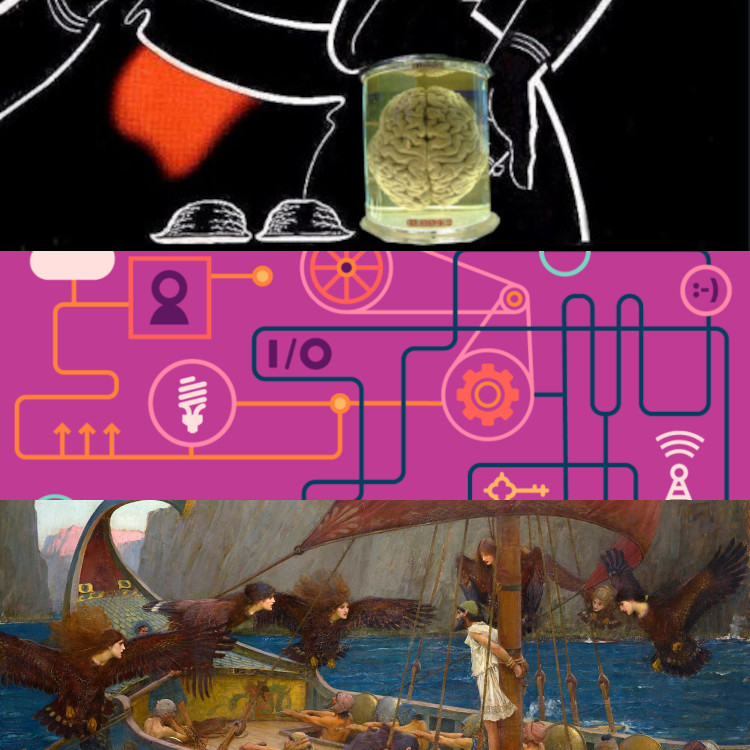
This Wednesday, I'm giving a talk called "Technology, Self-Determination, and the Future of the Future" for the Purdue University CERIAS Program:
https://t.co/po5IivZyr4
2/

ADT insider threat: If you build it they will spy.
https://t.co/kJrmtu8L3S
3/

Billionaires think VR stops guillotines: TARP with tasps.
https://t.co/MIKwvsICkr
4/
Privacy Without Monopoly: Podcasting a reading of the latest EFF whitepaper.
https://t.co/R2sl75y4rb
5/
Inside: ADT insider threat; Billionaires think VR stops guillotines; Privacy Without Monopoly; and more!
Archived at: https://t.co/nu1HbReiEX
#Pluralistic
1/
This Wednesday, I'm giving a talk called "Technology, Self-Determination, and the Future of the Future" for the Purdue University CERIAS Program:
https://t.co/po5IivZyr4
2/
ADT insider threat: If you build it they will spy.
https://t.co/kJrmtu8L3S
3/
Self-control isn't merely a matter of eliminating your own weaknesses. Self control is primarily about compensating for those weaknesses. When you go on a diet, you don't just commit yourself to eating well - you also throw away the Oreos so you won't be tempted.
— Cory Doctorow #BLM (@doctorow) February 15, 2021
1/ pic.twitter.com/BCEc7FPkut
Billionaires think VR stops guillotines: TARP with tasps.
https://t.co/MIKwvsICkr
4/
The pandemic has afforded all of us a refresher course on the five stages of grief, a theoretical and controversial framework for describing how people cope with tragedy: denial, anger, bargaining, depression and acceptance.https://t.co/nqPmjCvyab
— Cory Doctorow #BLM (@doctorow) February 15, 2021
1/ pic.twitter.com/lNk2vvhlNF
Privacy Without Monopoly: Podcasting a reading of the latest EFF whitepaper.
https://t.co/R2sl75y4rb
5/
This week on my podcast, a spoken-word version of "Privacy Without Monopoly: Data Protection and Interoperability," a major new white-paper that Bennett Cyphers and I co-authored for @EFF.https://t.co/oASlJFpz8t
— Cory Doctorow #BLM (@doctorow) February 15, 2021
1/ pic.twitter.com/UnA6fGoA6m
Today's Twitter threads (a Twitter thread).
Inside: Dependency Confusion; Adam Curtis on criti-hype; Catalytic converter theft; Apple puts North Dakota on blast; and more!
Archived at: https://t.co/Osts9lAjPo
#Pluralistic
1/

This weekend, I'll be participating in Boskone 58, Boston's annual sf convention, where I'm doing panels and a reading.
https://t.co/2LfFssVcZQ
2/
Dependency Confusion: A completely wild supply-chain hack.
https://t.co/TDRNHUX0Ug
3/

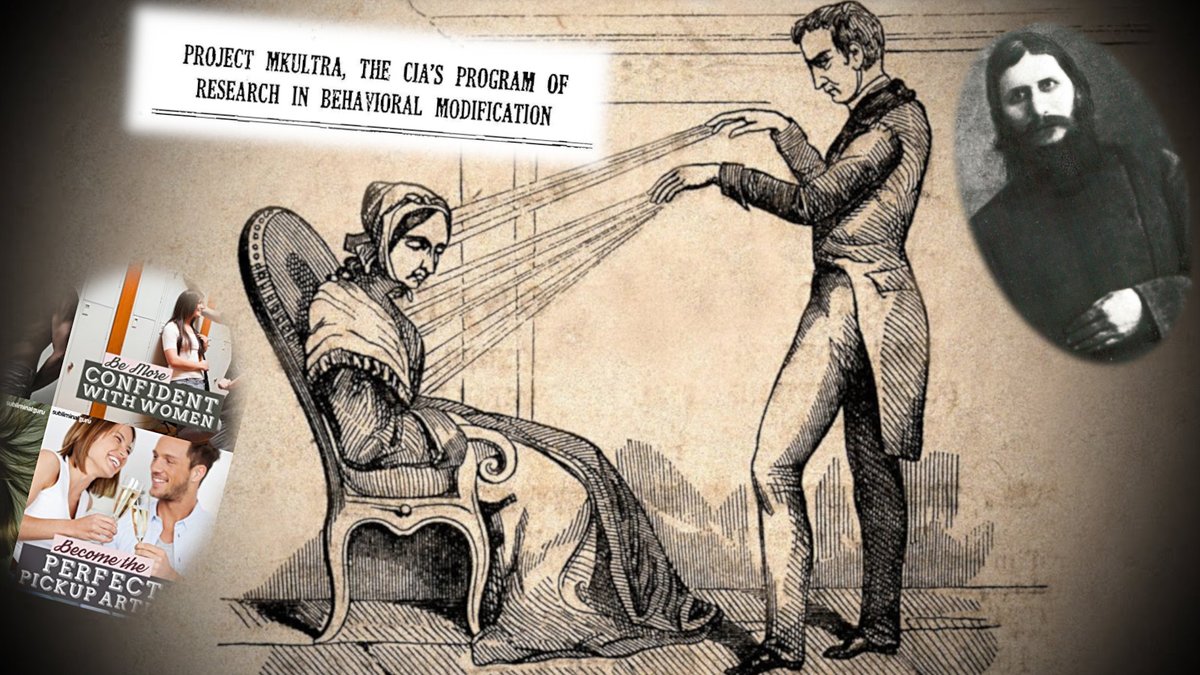
Adam Curtis on criti-hype: Big Tech as an epiphenomenon of sociopathic mediocrity, not supergenius.
https://t.co/MYmHOosTk3
4/
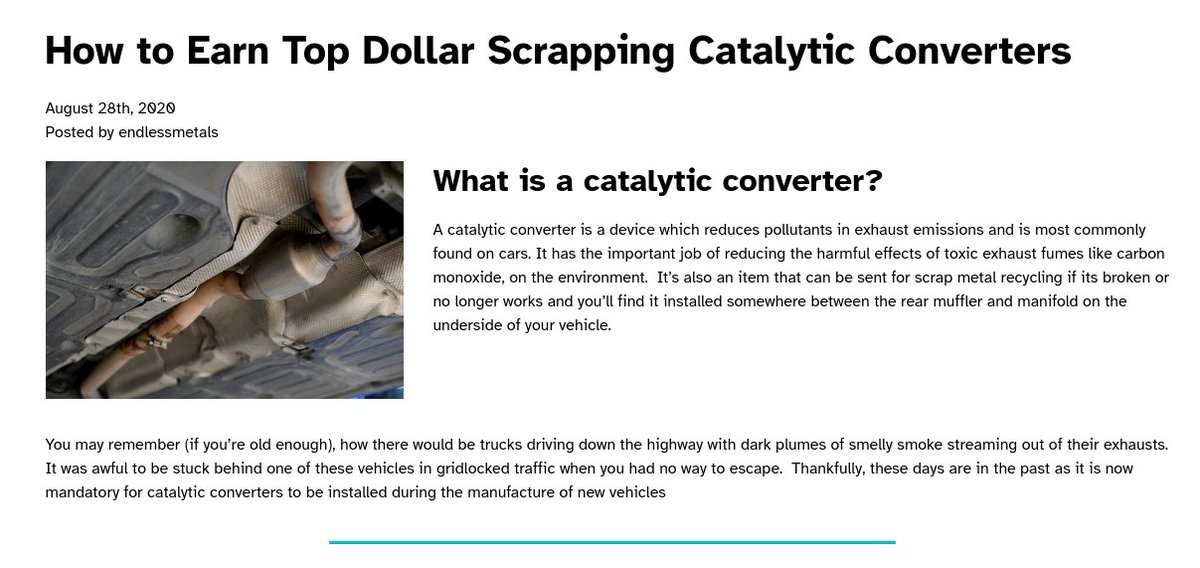
Catalytic converter theft: Rhodium at $21,900/oz.
https://t.co/SDMAXrQwdd
5/
Inside: Dependency Confusion; Adam Curtis on criti-hype; Catalytic converter theft; Apple puts North Dakota on blast; and more!
Archived at: https://t.co/Osts9lAjPo
#Pluralistic
1/
This weekend, I'll be participating in Boskone 58, Boston's annual sf convention, where I'm doing panels and a reading.
https://t.co/2LfFssVcZQ
2/
Dependency Confusion: A completely wild supply-chain hack.
https://t.co/TDRNHUX0Ug
3/
In "Dependency Confusion," security researcher @alxbrsn describes how he made a fortune in bug bounties by exploiting a new supply-chain attack he calls "dependency confusion," which allowed him to compromise "Apple, Microsoft and dozens of others."https://t.co/hn32EmF5qT
— Cory Doctorow #BLM (@doctorow) February 10, 2021
1/ pic.twitter.com/eqFr3GXlyX
Adam Curtis on criti-hype: Big Tech as an epiphenomenon of sociopathic mediocrity, not supergenius.
https://t.co/MYmHOosTk3
4/
Adam Curtis is a brilliant documentarian, and films like Hypernormalization and series like All Watched Over by Machines of Loving Grace had a profound effect on my thinking about politics, technology and human thriving.
— Cory Doctorow #BLM (@doctorow) February 11, 2021
1/ pic.twitter.com/gydJK358BX
Catalytic converter theft: Rhodium at $21,900/oz.
https://t.co/SDMAXrQwdd
5/
Back in the early 2010s, people started falling into open sewer entrances in New York City and other large metros - because a China-driven spike in the price of scrap metal, combined with post-2008 unemployment, gave rise to an army of metal-thieves.https://t.co/gtD72IDCPn
— Cory Doctorow #BLM (@doctorow) February 11, 2021
1/ pic.twitter.com/gdgVJoMoY8


More from Business


You May Also Like

I'm going to do two history threads on Ethiopia, one on its ancient history, one on its modern story (1800 to today). 🇪🇹
I'll begin with the ancient history ... and it goes way back. Because modern humans - and before that, the ancestors of humans - almost certainly originated in Ethiopia. 🇪🇹 (sub-thread):
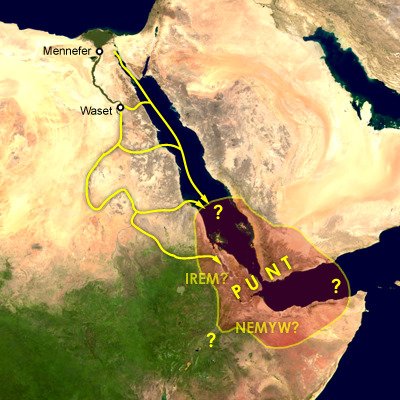
The first likely historical reference to Ethiopia is ancient Egyptian records of trade expeditions to the "Land of Punt" in search of gold, ebony, ivory, incense, and wild animals, starting in c 2500 BC 🇪🇹
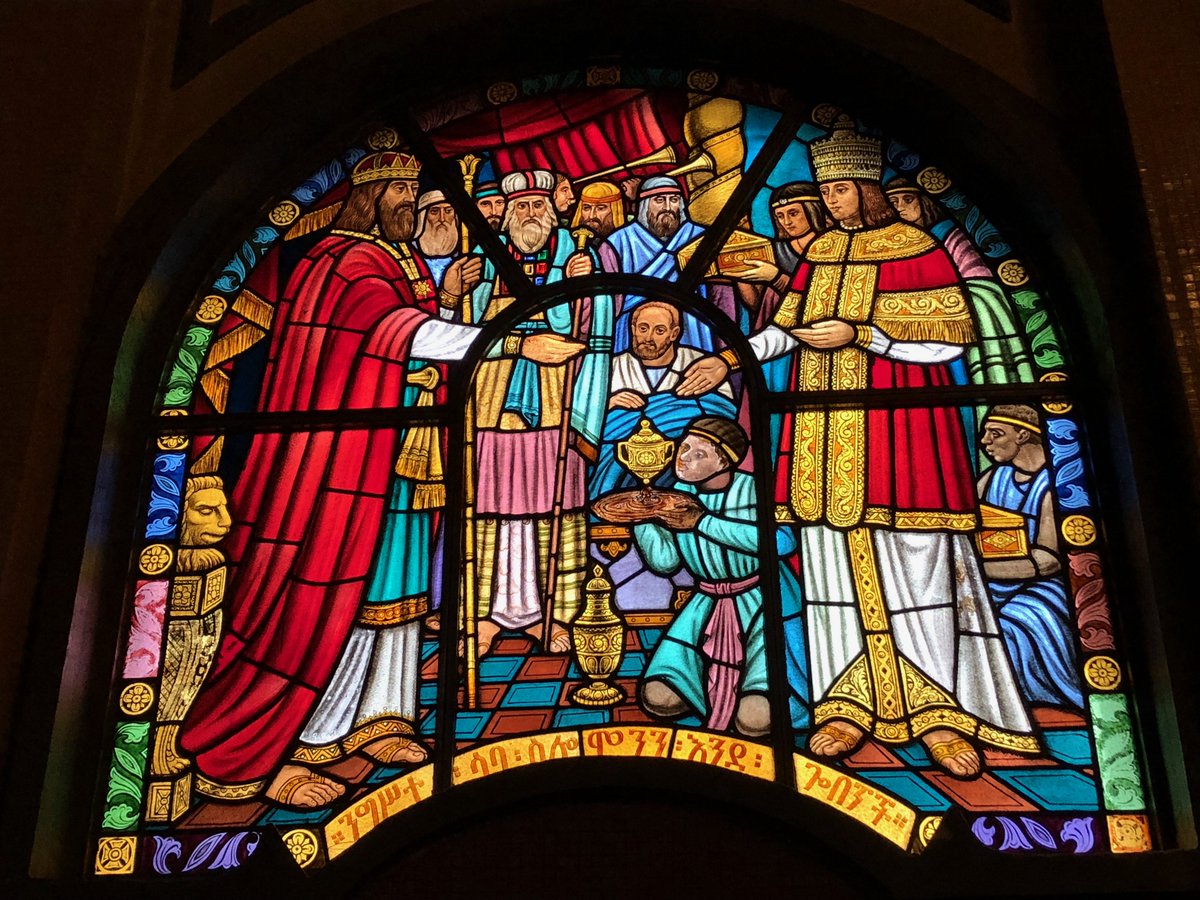
Ethiopians themselves believe that the Queen of Sheba, who visited Israel's King Solomon in the Bible (c 950 BC), came from Ethiopia (not Yemen, as others believe). Here she is meeting Solomon in a stain-glassed window in Addis Ababa's Holy Trinity Church. 🇪🇹
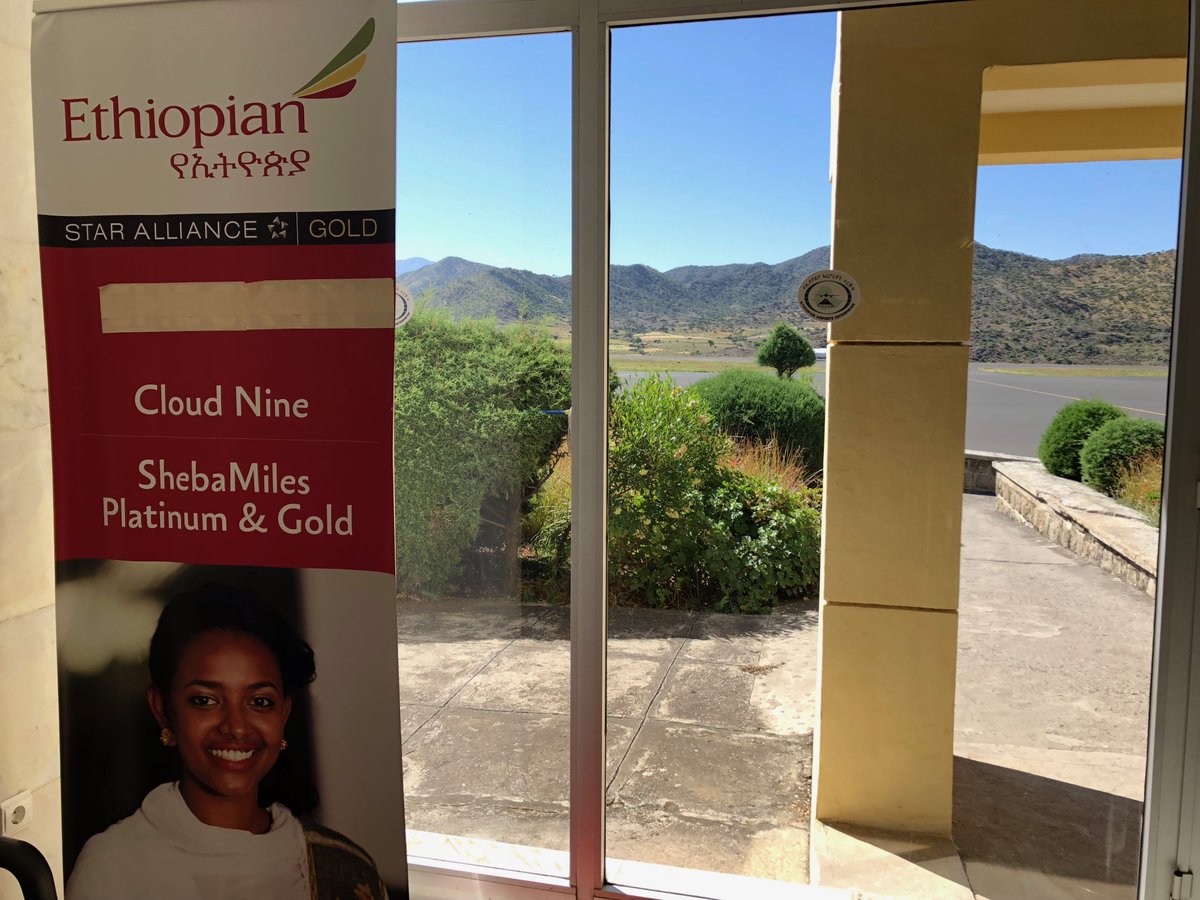
References to the Queen of Sheba are everywhere in Ethiopia. The national airline's frequent flier miles are even called "ShebaMiles". 🇪🇹
I'll begin with the ancient history ... and it goes way back. Because modern humans - and before that, the ancestors of humans - almost certainly originated in Ethiopia. 🇪🇹 (sub-thread):
The famous \u201cLucy\u201d, an early ancestor of modern humans (Australopithecus) that lived 3.2 million years ago, and was discovered in 1974 in Ethiopia, displayed in the national museum in Addis Ababa \U0001f1ea\U0001f1f9 pic.twitter.com/N3oWqk1SW2
— Patrick Chovanec (@prchovanec) November 9, 2018
The first likely historical reference to Ethiopia is ancient Egyptian records of trade expeditions to the "Land of Punt" in search of gold, ebony, ivory, incense, and wild animals, starting in c 2500 BC 🇪🇹
Ethiopians themselves believe that the Queen of Sheba, who visited Israel's King Solomon in the Bible (c 950 BC), came from Ethiopia (not Yemen, as others believe). Here she is meeting Solomon in a stain-glassed window in Addis Ababa's Holy Trinity Church. 🇪🇹
References to the Queen of Sheba are everywhere in Ethiopia. The national airline's frequent flier miles are even called "ShebaMiles". 🇪🇹


