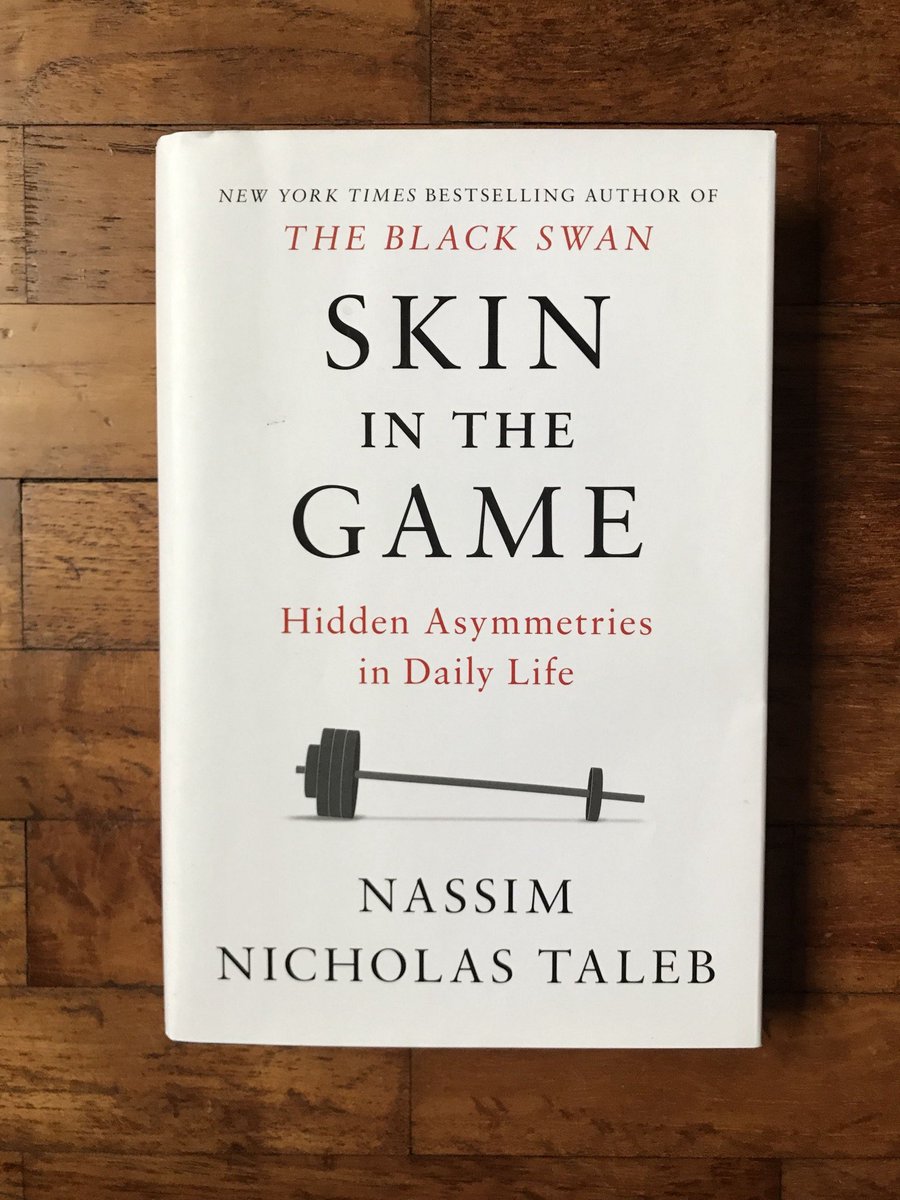
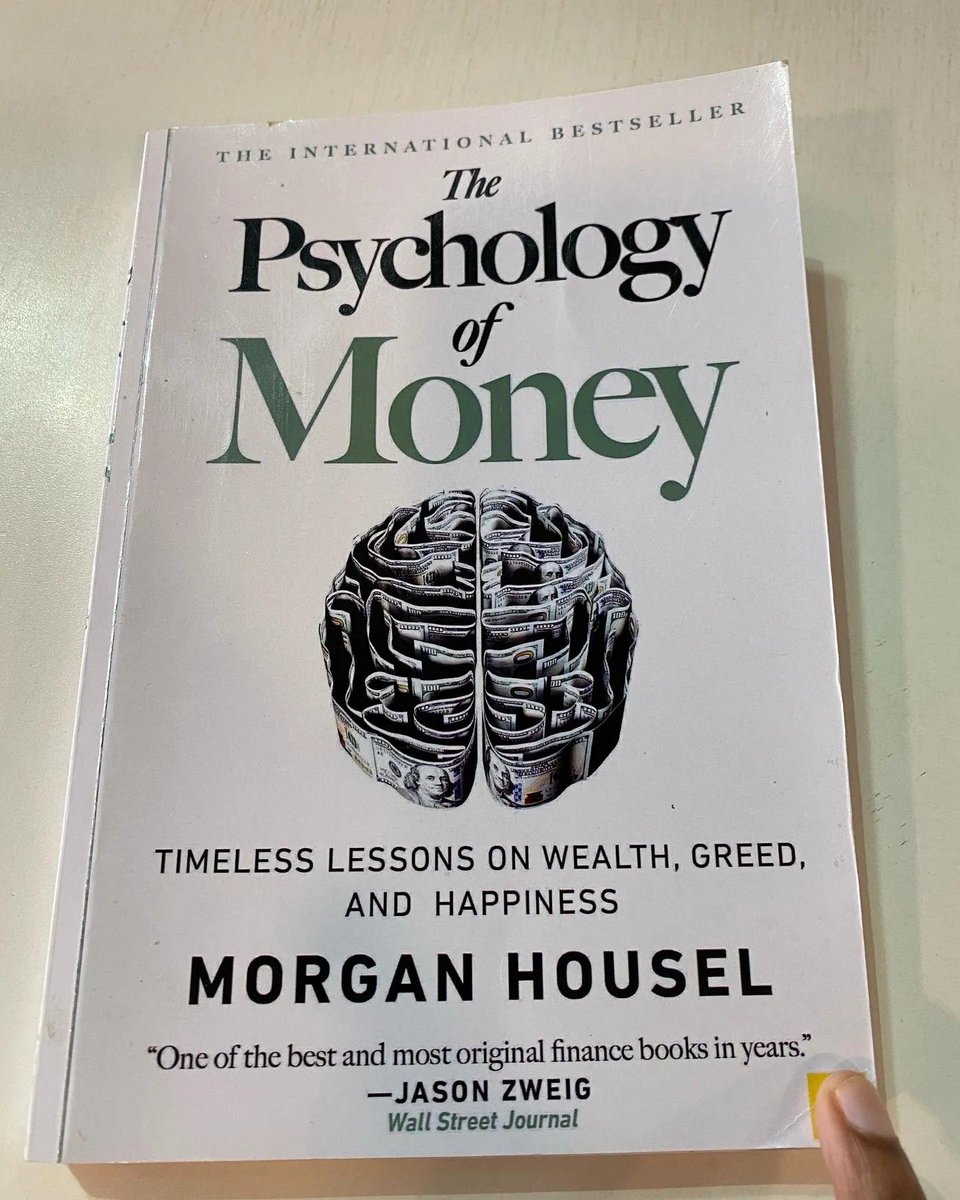
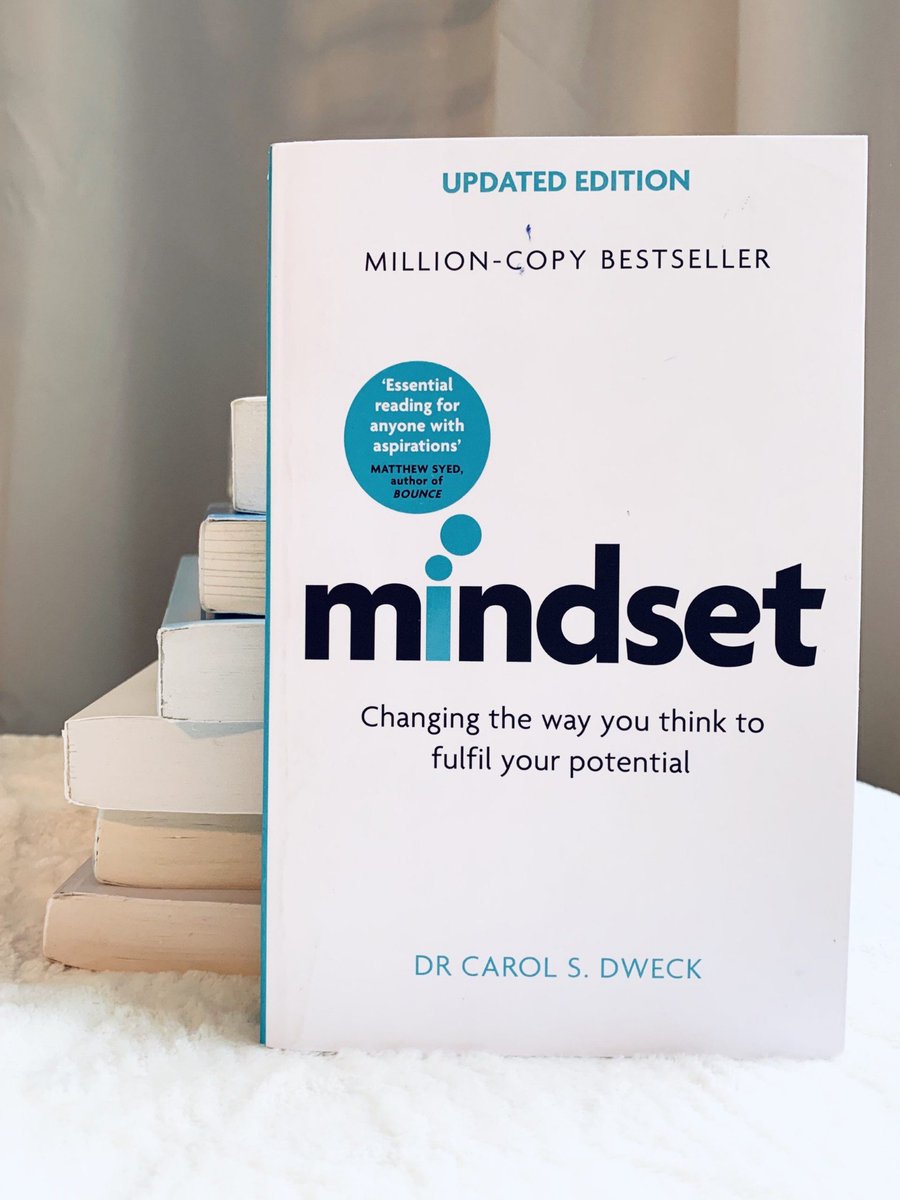
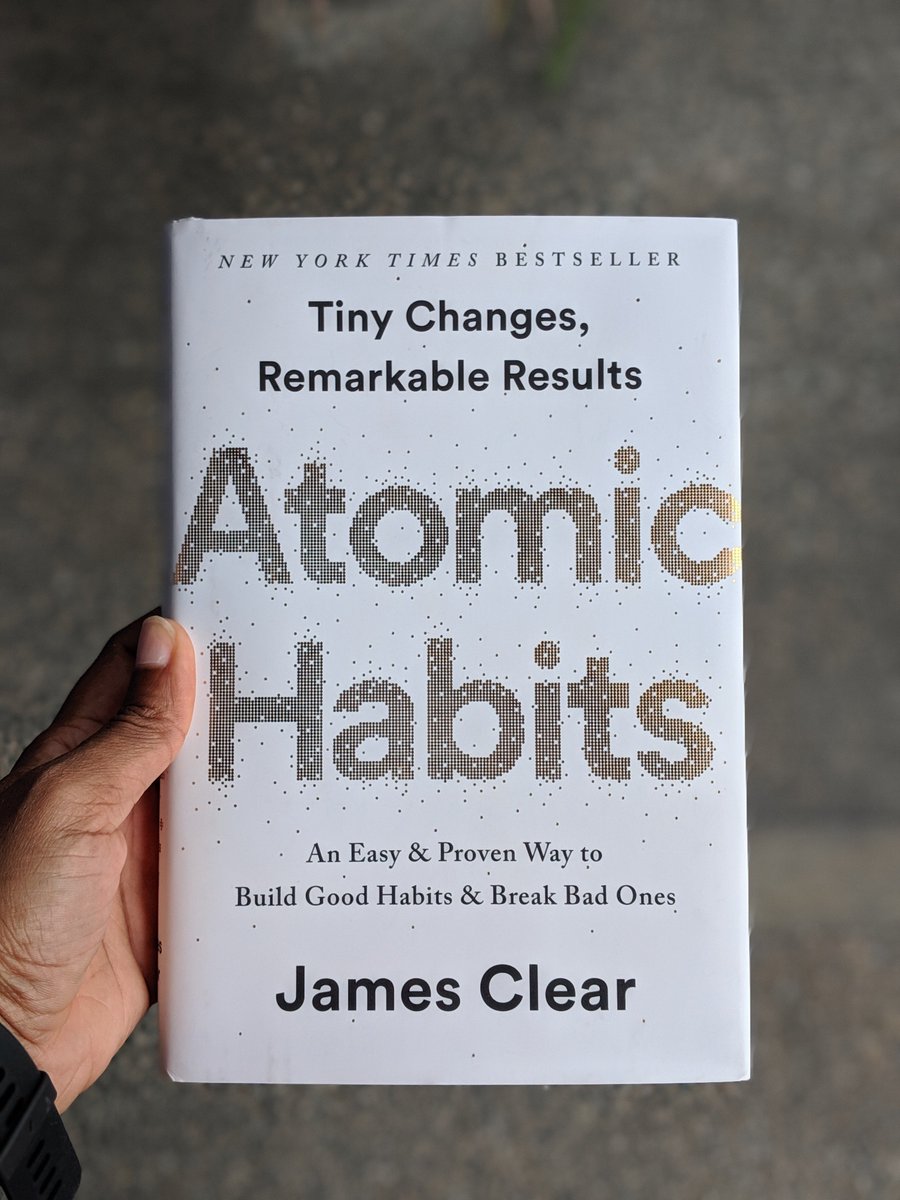
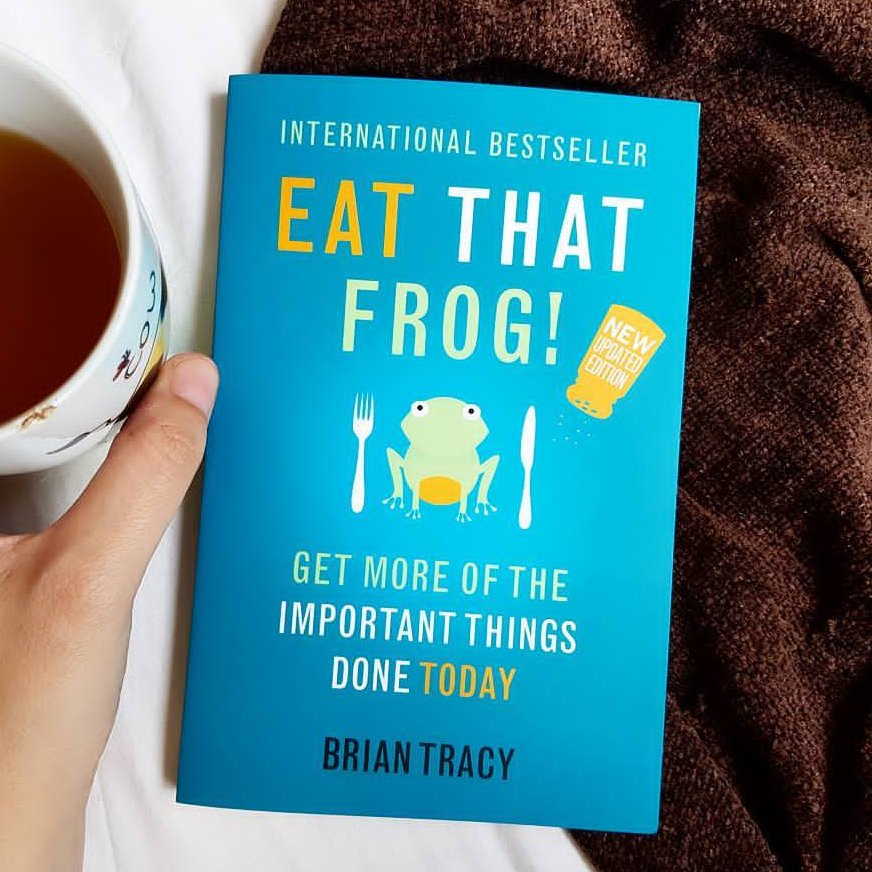
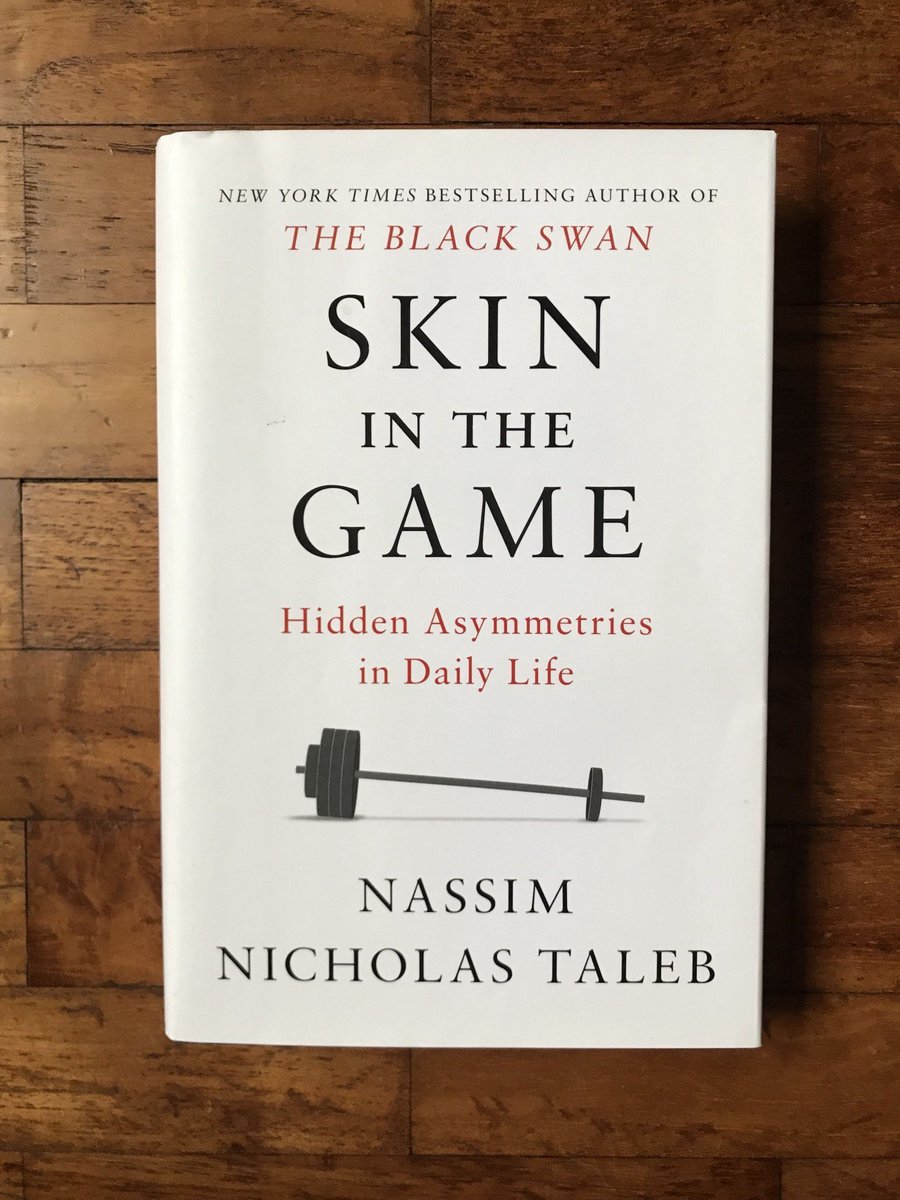
7 Powerful Lessons from the Book "Skin in the Game"

By Nassim Nicholas Taleb

| Thread
1. "You will never fully convince someone that they are wrong; only reality can.

To be precise, reality doesn’t care about winning arguments; survival is what matters."
2. "Focusing on just words put us at a dangerous path since we are much better at doing than understanding. Doers win by doing and not by convincing."
3. "Don’t take advice from people who don’t have skin in the game, i.e., be aware of the person who gives advice, telling you that a particular action is good for you and while it’s also good for him or her. While the harm directly affects you and not him."
4. "You don’t want to win an argument; you want to win whatever you’re after money, goals, convertible car."
5. "People hate uncertainty over mediocrity. For instance, you know what kind of food you will get at McDonald’s at a transit station compared to that Italian place that you have never heard of."
6. "Loss aversion: What matters isn’t what the person has or what he or she doesn’t have. What matters is what he is she is afraid of losing. More you have to lose, more fragile you are."
7. "Society doesn’t evolve by consensus, voting, committees, majority, conferences or polling; only a few people suffice to disproportionally move the needle.

All one need is an asymmetric rule somewhere, and someone with skin in the game."
Determination feeds FOCUS.
Determine your goal. Stay focused.

• make time for stillness
• master over your mind
• practice decision-making skills
Think like a scientist.
Work on technical.
Start reading 100 Mental Models:

https://t.co/QrIrAvRFwk
Thanks for reading. If you find this thread valuable follow me (@Strong_Mindd) for more content like this. And retweet the first tweet to share with others:

https://t.co/z8rGajRPfV

More from Book Quotes

More from Books

You May Also Like

1/“What would need to be true for you to….X”

Why is this the most powerful question you can ask when attempting to reach an agreement with another human being or organization?

A thread, co-written by @deanmbrody:


2/ First, “X” could be lots of things. Examples: What would need to be true for you to

- “Feel it's in our best interest for me to be CMO"
- “Feel that we’re in a good place as a company”
- “Feel that we’re on the same page”
- “Feel that we both got what we wanted from this deal

3/ Normally, we aren’t that direct. Example from startup/VC land:

Founders leave VC meetings thinking that every VC will invest, but they rarely do.

Worse over, the founders don’t know what they need to do in order to be fundable.

4/ So why should you ask the magic Q?

To get clarity.

You want to know where you stand, and what it takes to get what you want in a way that also gets them what they want.

It also holds them (mentally) accountable once the thing they need becomes true.

5/ Staying in the context of soliciting investors, the question is “what would need to be true for you to want to invest (or partner with us on this journey, etc)?”

Multiple responses to this question are likely to deliver a positive result.