.
We had a conversation on the podcast about the racialization of dog breeds, where we talked to @BronwenDickey, the author of Pitbull: The Battle Over an American Icon.
Michael Tesler in @FiveThirtyEight bringing some data to bear on my tweets about @ReverendWarnock\u2019s dog ad. A piece worth reading, and a reminder: It\u2019s never \u201cjust a dog,\u201d y\u2019all.https://t.co/ijQvTDOdvj pic.twitter.com/sp05Bhueob
— Hakeem Jefferson (@hakeemjefferson) December 15, 2020
.
There are far more news stories about pitbull attacks, which has led to a belief that pitbulls are especially violent.
It’s not hard to find people talking about imposing pitbull bans on their communities because the dogs “bring the wrong element.”
Denver JUST repealed their ban after 3 decades.
https://t.co/fFcT6IgA58
Denverites voted to repeal the city\u2019s 30-year-old ban on pit bulls. Passing the measure will allow the city to grant a provisional permit to pit bull owners as long as the owner microchips the animal & complies with add'l requirements set by @DASanimals: https://t.co/LRw2tSZwG7 pic.twitter.com/zyH8rd2KUZ
— City and County of Denver (@CityofDenver) November 5, 2020
More from Book

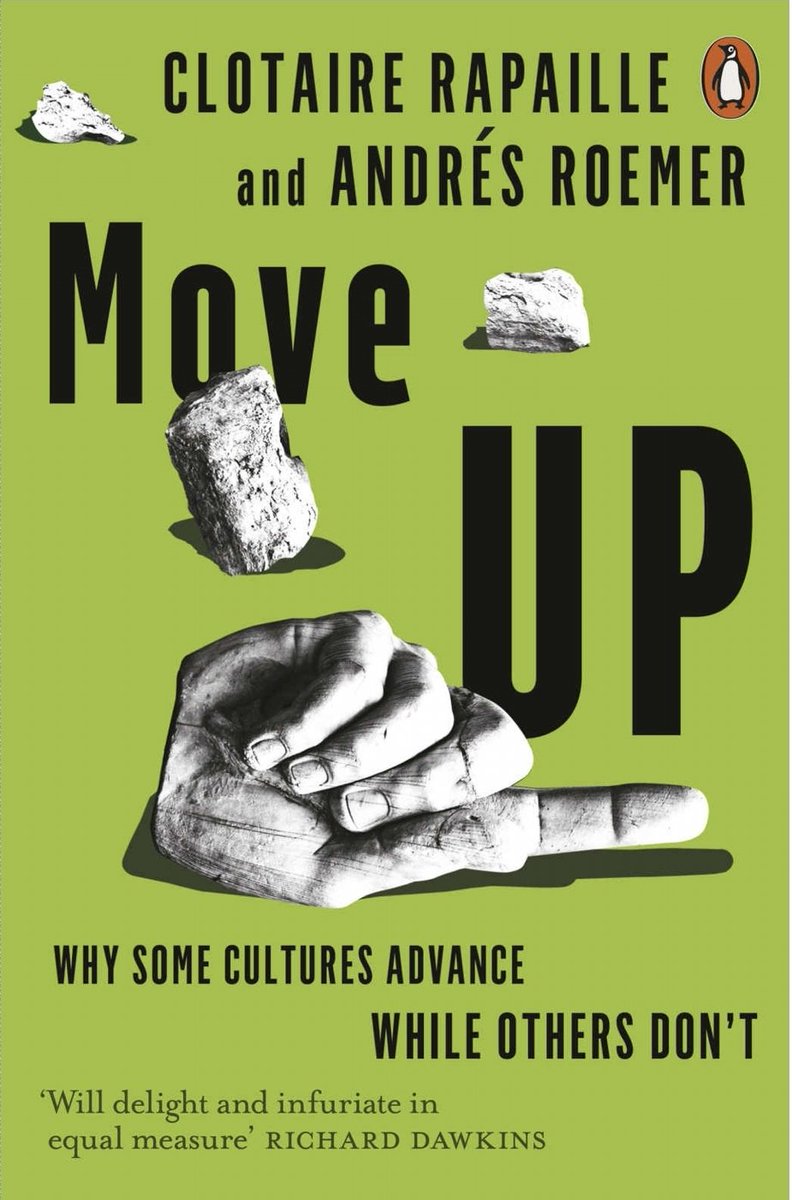


You May Also Like

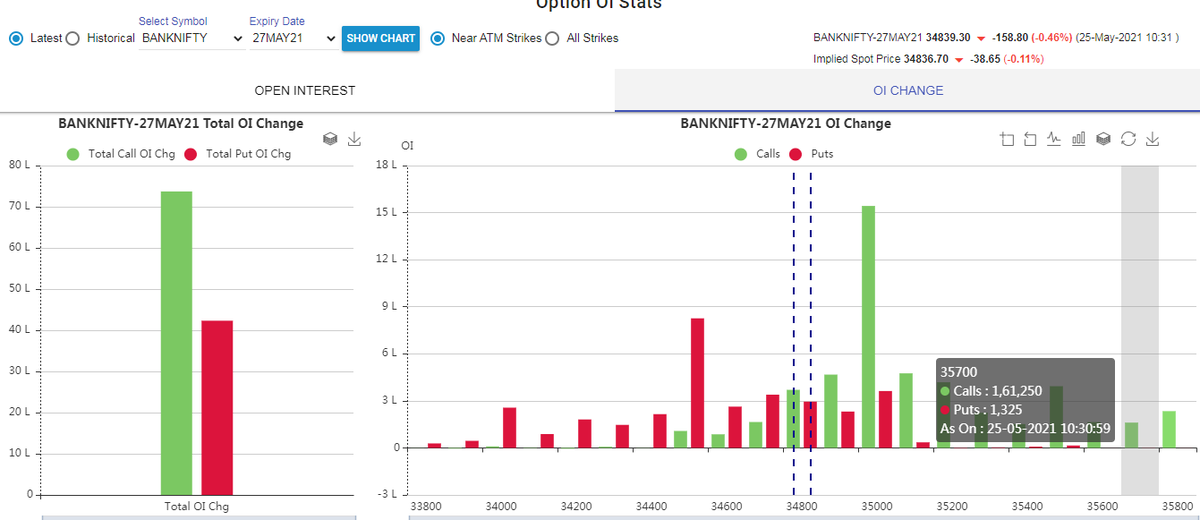


Moderna CEO Stephane Bancel was previously CEO of bioMerieux in France from 07-10.
Alain Merieux, who owns bioMerieux, was instrumental in the creation of the Wuhan Institute of Virology P4 Lab.
The same people who helped create the virus, also helped to create the vaccines...
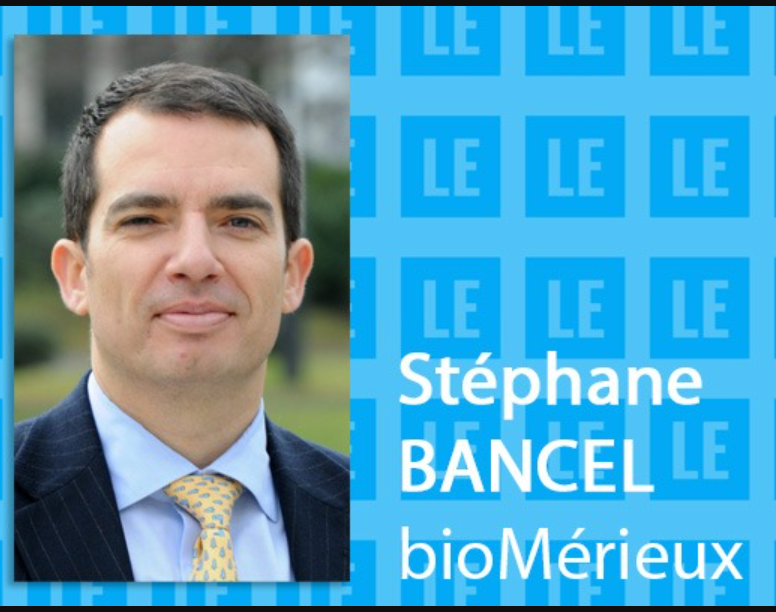
Moderna partnered with French Pasteur Institute in 2015 to develop mRNA vaccine technology.
Pasteur Institute partnered with the Wuhan P4 Laboratory in 2017 along with the Merieux Foundation to study emerging viruses...
https://t.co/yFsHwrNYaK
https://t.co/9M5lydBKhM
Nobel prize winning scientist Luc Montagnier asserts that Sars-Cov-2 is man-made and originated from the Wuhan Institute of Virology.
Montagnier did extensive work with the Pasteur Institute in France which was partnered with the Wuhan P4.
Merieux Foundation & the Chinese government have worked together since 1965, and partnered to study emerging pathogens in Africa in 2015.
Their research included "PATHOGENS CARRIED BY BATS" that provoke respiratory diseases.
🚨🚨🚨
https://t.co/gVwpT0ssqI

Alain Merieux, who owns bioMerieux, was instrumental in the creation of the Wuhan Institute of Virology P4 Lab.
The same people who helped create the virus, also helped to create the vaccines...
Moderna partnered with French Pasteur Institute in 2015 to develop mRNA vaccine technology.
Pasteur Institute partnered with the Wuhan P4 Laboratory in 2017 along with the Merieux Foundation to study emerging viruses...
https://t.co/yFsHwrNYaK
https://t.co/9M5lydBKhM
Nobel prize winning scientist Luc Montagnier asserts that Sars-Cov-2 is man-made and originated from the Wuhan Institute of Virology.
Montagnier did extensive work with the Pasteur Institute in France which was partnered with the Wuhan P4.
Merieux Foundation & the Chinese government have worked together since 1965, and partnered to study emerging pathogens in Africa in 2015.
Their research included "PATHOGENS CARRIED BY BATS" that provoke respiratory diseases.
🚨🚨🚨
https://t.co/gVwpT0ssqI