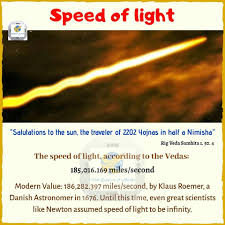
#Thread on speed of light in terms of vedic measurement.

Galileo Galilee was among the first to try to measure the speed of light in the early 17th century. Today we know that the exact speed of light is defined as 29,97,92,458 metres per second (approximately 186000 mi/s).

But, when it comes to Indian prospect, there are many references about the speed of light much before the 17th century.
The speed of light is not directly from the Rigveda Samhita but It is given by a great Indian scholor Sāyaṇācārya, popularly known as Sayana.
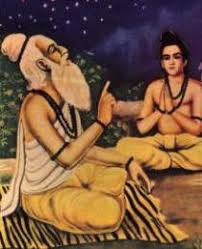
Sayana was a sanskrit scholar under king Bukka Raya I and Harihara II of Vijaynagar empire in 14th century. His commentary on vedas are very famous and was translated from Sanskrit to English by Max Müller, himself.
RigVeda verse 1.50.4-
तरणिविश्वदर्शवो ज्योतिष्कृदसि सूर्य । विश्वमा भासि रोचनम् ।।
Swift and all beautiful art thou, O Surya, maker of the light, Illuming all the radiant realm.

As it talks about maker of light. Commentary of Sayana in this verse is as:
तथा च स्मर्यत योजनानां सहस्रम् द्वे द्वे शते द्वे च योजने । एकेन निमिषार्धेन क्रममाण नमोऽस्तु ते ॥
It is remembered, [O Sun] bow to you, you who traverse 2,202 yojanas in half a nimesha.
Here it is talking about speed of Sun.
But as it is in the commentary of verse containing maker of light, it is taken as speed of light.
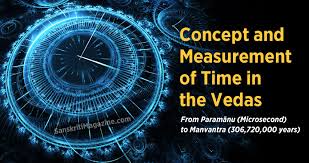
The Moksha dharma parva of Shanti Parva in Mahabharata describes Nimisha as follows:
15 Nimisha = 1 Kastha
30 Kashta = 1 Kala
30.3 Kala = 1 Muhurta
30 Muhurtas = 1 Diva-Ratri (Day-Night)
We know Day-Night is 24 hours
So we get 24 hours = 30 x 30.3 x 30 x 15 nimisha
in other words 409050 nimisha
We know 1 hour = 60 x 60 = 3600 seconds
So 24 hours = 24 x 3600 seconds = 409050 nimisha
409050 nimesa = 86,400 seconds
1 nimesa = 0.2112 second (This is a recursive decimal! Wink of an eye=.2112 seconds!)
1/2 nimesa = 0.1056 seconds
Yojana is defined in Chapter 6 of Book 1 of the “Vishnu Purana” as follows
10 ParamAnus = 1 Parasúkshma
10 Parasúkshmas = 1 Trasarenu
10 Trasarenus = 1 Mahírajas (particle of dust)
10 Mahírajas= 1 Bálágra (hair’s point)
10 Bálágra = 1 Likhsha
10 Likhsha= 1 Yuka
1o Yukas = 1 Yavodara (heart of barley)
10 Yavodaras = 1 Yava (barley grain of middle size)
10 Yava = 1 Angula (1.89 cm or approx 3/4 inch)

More from हठयोगी

#Thread on forgotten bihar

कहते है इतिहास ख़ुद को दोहराता है। पर जितना मैं इतिहास के गहराइ में गया हूँ , एक ही बात समझ पाया हूँ की इतिहास ख़ुद को दोहराए ना दोहराए वो सबसे ताक़तवर चीज़ को हमेशा ही दबा देता है । जैसे की हमारा देश भारत। इतिहास में हम पूरी दुनिया में सबसे आगे थे,


चाहे वो कोई भी क्षेत्र क्यूँ ना हो। और आज हम ग़रीबी से जूझ रहे हैं। पर भारत के अंदर भी एक राज्य के साथ ठीक ऐसा ही कुछ हुआ, जैसा कि 2014 तक भारत के साथ विश्व में होता था। वो राज्य है - बिहार । हाँ वही बिहार जो भारत में सबसे ज़्यादा IAS-IPS देता है , पर आज भी हम बिहारियो को बेकार


और बेवक़ूफ़ समझा जाता है । पढ़े लिखे लोगों कि हिसाब से बोले तो low standard. आइए एक बार आपको बिहार के इतिहास में ले चले ।

हज़ारों साल पहले की बात है जब हरी भरी भूमि से, जहाँ गंगा की पवित्र धारा बहती है, एक ख़ूबसूरत रानी ने जन्म लिया - सीता ।

सीता बिहार की बेटी जिसका बचपन बिहार में ही बिता और बिहार के मिट्टी से शुरू हुई अब तक की सबसे बड़ी महाकाव्य की रचना- रामायण । हाँ, वही रामायण और सीता जिसके लिए हम आज भी ट्विटर पर लड़ते है । विश्वप्रसिद्ध मिथिला पेंटिंग की शुरुआत भी सीता कि विवाह से ही शुरू हुई ।


क्योंकि जो मिथिला पेंटिंग की पुरानी चित्रकला मिलती है वो सीता राम की ही है । बिहार का इतिहास बताता है की बिहार में औरतों को बहुत अधिक इज़्ज़त दी जाती थी क्योंकि वो सीता जैसी ही स्वाभिमानी होती थी । और शायद यही कारण था की मौर्य समराज्य के पहले राजा चंद्रगुप्त मौर्य की 700 महिला

More from All

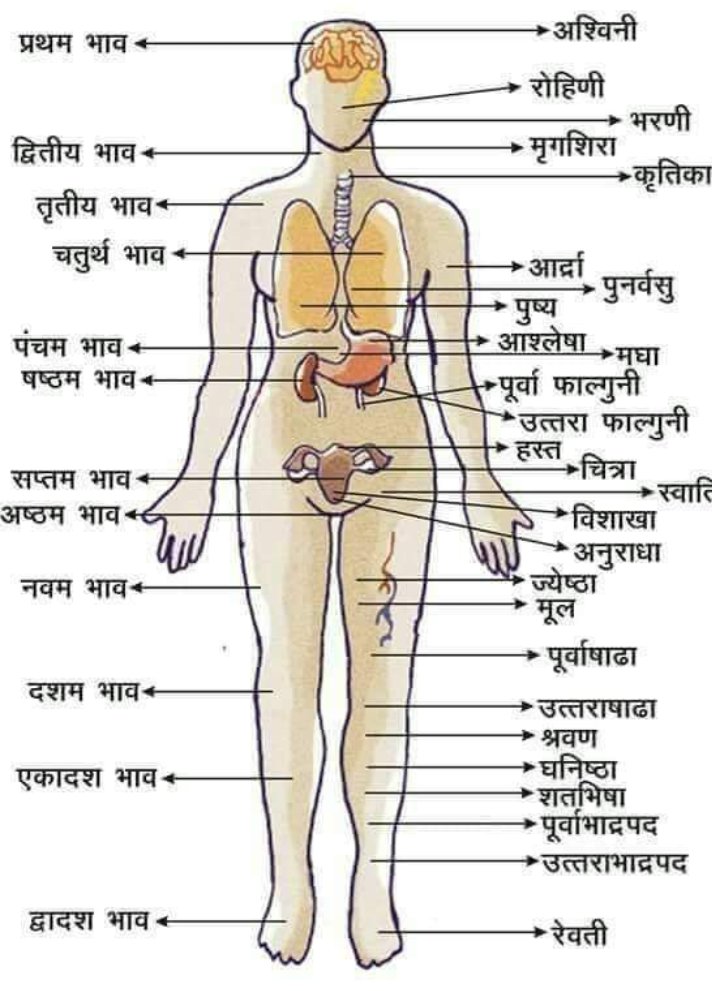
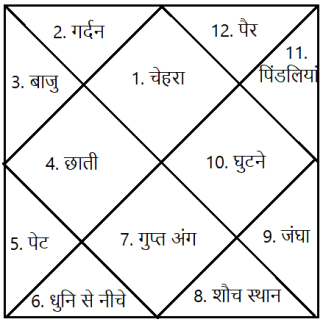
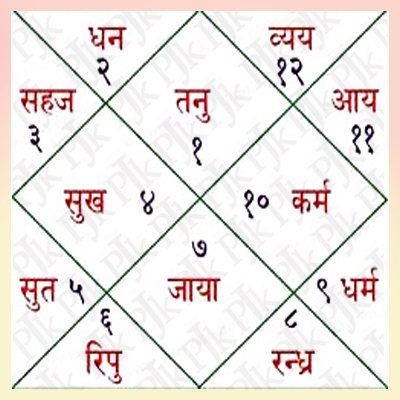
कुंडली में 12 भाव होते हैं। कैसे ज्योतिष द्वारा रोग के आंकलन करते समय कुंडली के विभिन्न भावों से गणना करते हैं आज इस पर चर्चा करेंगे।
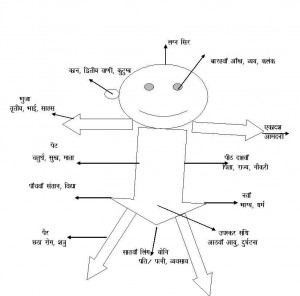
कुण्डली को कालपुरुष की संज्ञा देकर इसमें शरीर के अंगों को स्थापित कर उनसे रोग, रोगेश, रोग को बढ़ाने घटाने वाले ग्रह


रोग की स्थिति में उत्प्रेरक का कार्य करने वाले ग्रह, आयुर्वेदिक/ऐलोपैथी/होमियोपैथी में से कौन कारगर होगा इसका आँकलन, रक्त विकार, रक्त और आपरेशन की स्थिति, कौन सा आंतरिक या बाहरी अंग प्रभावित होगा इत्यादि गणना करने में कुंडली का प्रयोग किया जाता है।


मेडिकल ज्योतिष में आज के समय में Dr. K. S. Charak का नाम निर्विवाद रूप से प्रथम स्थान रखता है। उनकी लिखी कई पुस्तकें आज इस क्षेत्र में नए ज्योतिषों का मार्गदर्शन कर रही हैं।
प्रथम भाव -
इस भाव से हम व्यक्ति की रोगप्रतिरोधक क्षमता, सिर, मष्तिस्क का विचार करते हैं।


द्वितीय भाव-
दाहिना नेत्र, मुख, वाणी, नाक, गर्दन व गले के ऊपरी भाग का विचार होता है।
तृतीय भाव-
अस्थि, गला,कान, हाथ, कंधे व छाती के आंतरिक अंगों का शुरुआती भाग इत्यादि।

चतुर्थ भाव- छाती व इसके आंतरिक अंग, जातक की मानसिक स्थिति/प्रकृति, स्तन आदि की गणना की जाती है


पंचम भाव-
जातक की बुद्धि व उसकी तीव्रता,पीठ, पसलियां,पेट, हृदय की स्थिति आंकलन में प्रयोग होता है।

षष्ठ भाव-
रोग भाव कहा जाता है। कुंडली मे इसके तत्कालिक भाव स्वामी, कालपुरुष कुंडली के स्वामी, दृष्टि संबंध, रोगेश की स्थिति, रोगेश के नक्षत्र औऱ रोगेश व भाव की डिग्री इत्यादि।

You May Also Like

The YouTube algorithm that I helped build in 2011 still recommends the flat earth theory by the *hundreds of millions*. This investigation by @RawStory shows some of the real-life consequences of this badly designed AI.


This spring at SxSW, @SusanWojcicki promised "Wikipedia snippets" on debated videos. But they didn't put them on flat earth videos, and instead @YouTube is promoting merchandising such as "NASA lies - Never Trust a Snake". 2/


A few example of flat earth videos that were promoted by YouTube #today:
https://t.co/TumQiX2tlj 3/

https://t.co/uAORIJ5BYX 4/

https://t.co/yOGZ0pLfHG 5/
These 10 threads will teach you more than reading 100 books

Five billionaires share their top lessons on startups, life and entrepreneurship (1/10)


10 competitive advantages that will trump talent (2/10)


Some harsh truths you probably don’t want to hear (3/10)


10 significant lies you’re told about the world (4/10)