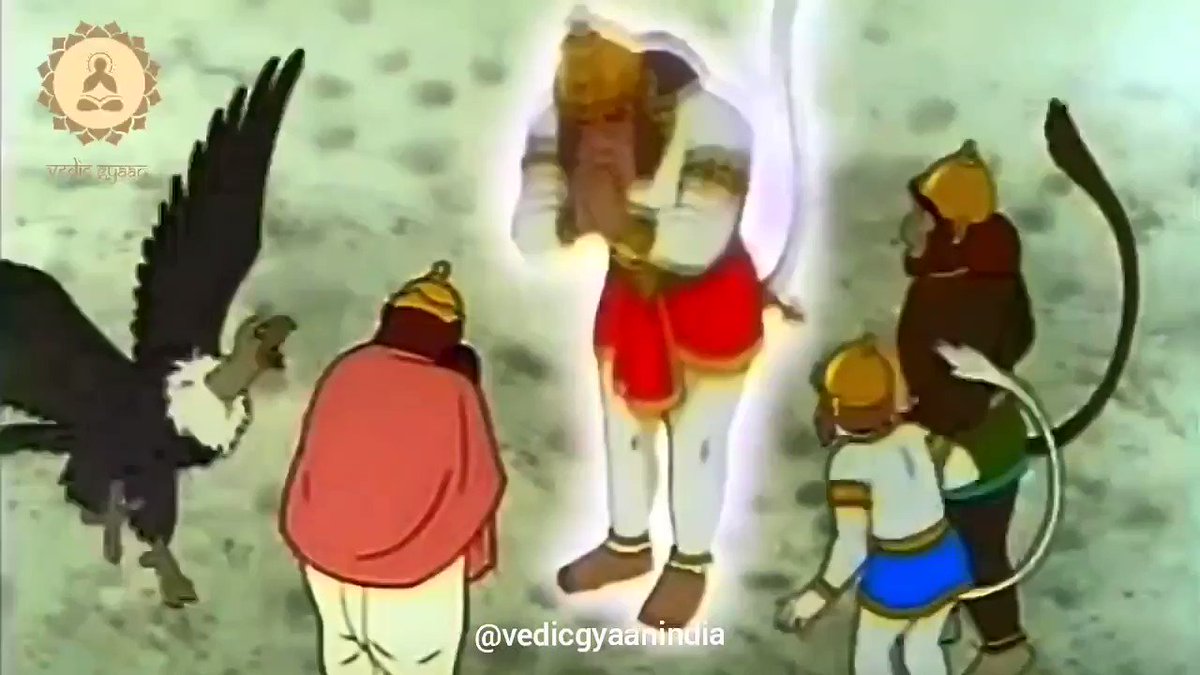
The chorus of this song uses the shlokas taken from Sundarkand of Ramayana.
It is a series of Sanskrit shlokas recited by Jambavant to Hanuman to remind Him of his true potential.
1. धीवर प्रसार शौर्य भरा: The brave persevering one, your bravery is taking you forward.
2. उतसारा स्थिरा घम्भीरा: The one who is leaping higher and higher, who is firm and stable and seriously determined.
3. ुग्रामा असामा शौर्या भावा: He is strong, and without an equal in the ability/mentality to fight
4. रौद्रमा नवा भीतिर्मा: His anger will cause new fears in his foes.
5.विजिटरीपुरु धीरधारा, कलोथरा शिखरा कठोरा: This is a complex expression seen only in Indic language poetry. The poet is stating that Shivudu is experiencing the intensity of climbing a tough peak, and likening
it to the feeling in a hard battle, when you see your enemy defeated, and blood flowing like a rivulet. This is classical Veera rasa.
6.कुलकु थारथिलीथा गम्भीरा, जाया विराट वीरा: His rough body itself is like a sharp weapon (because he is determined to win). Hail this complete
hero of the world.
7.विलयगागनथाला भिकारा, गरज्जद्धरा गारा: The hero is destructive in the air/sky as well (because he can leap at an enemy from a great height). He can defeat the enemy (simply) with his fearsome roar of war.