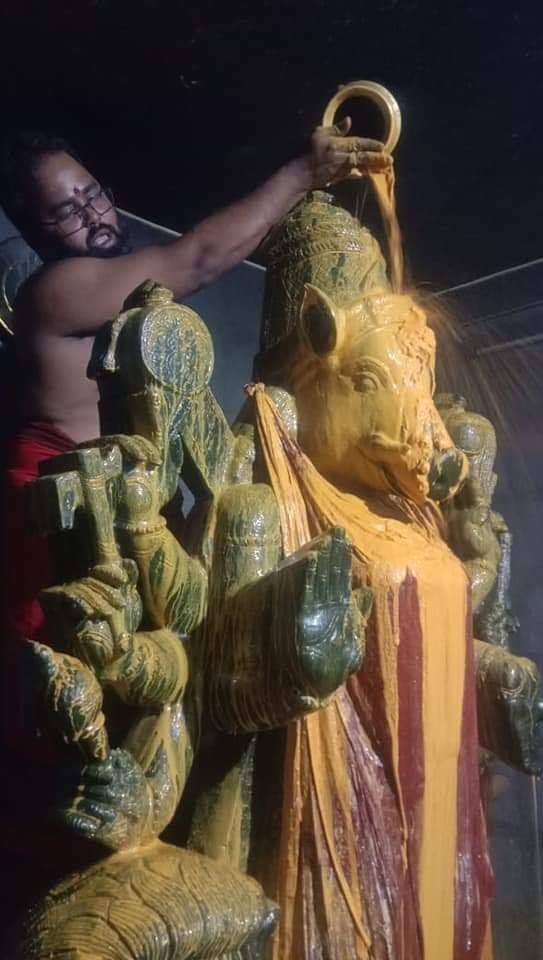
Do u know pancha mahayajna?

Let's talk about that
#Thread

Vedic Yajnas Srauta yajnas or sacred ones.

Paka Yajnas — ordinary rituals done easily as a basic duty

Havir Yajnas — occasional rituals done with some effort for attaining various things

Soma Yajnas — rare rituals with high levels of complexity done for world happiness
Each of these 3 classes have 7 types of Yajnas.

Paka Yajnas — offering of food made through the year at home. Agrahayani and Sravani are the key models on which others are based on.

Pitru Sraddam — done to honour ancestors every year

Parvana Sradda — performed for
the ancestors every month

Ashtaka — performed on the 8th day after full moon during the winter months for fathers
Sravani — every night from the fullmoon of Sravana month to the Margasirisa month there is a sarpabali (offering to the snakes) done to ward off harm from snakes
snakes during the rains.

Agrahayani — offering of kheer/payasam during the full moon of Margasirisa month

Chaitri — it is an offering made to Shiva where 4 roads meet during the fullmoon of Chaitra

Ashvayujih — simple food offering made to Shiva during the month of Ashvini
Havir Yajnas — offering done through fire, the first 4 at home and last 3 at Yagashala. The Ishhti is the key model for this
Agnihotram done twice every day keeping the ritual fire burning constant
Darsapurnamasam rituals (ishhti) done every fortnight, usually on the Prathama
Piṇḍapitṛyajña — done in the afternoon of newmoon
Agrayana — done after every new crop, delivering the first fruit

Chaturmasya — done every season (4 months)

Nirudha Pashubandha — done twice a year during summer and winter solstice

Sautrāmaṇī — it is a sacrifice made
with the soma ras (which is not alcohol) for Indra with a small amount partaken by the priests.

Soma Yajnas — these are long, hard sacrifices always done outside home usually accompanied by musical stotras from the Samaveda. While Haviryajnas use ghee as its main ingredient.
Hotr (Rig), Advaryu (Yajus), Udgata (Samaveda) and Brahma. Each of these are assisted by 3 priests — a total of 16 priests.

Agnistoma — a 5 day long yajna made during spring with 12 sastras (Rig) and 12 stotras (Sama) usually for the ancestors

Atyagnishtoma — similar to above
but with 15 sastras and stotras and with an added sacrifice for Agni

Shodasi — similar to the above with 16 sastras and stotras and a ram is offered to Indra

Vajapeyah — a 17 day long sacrifice made for bountiful crop where the sacrificer is bathed in food. When done by
kings it is donw with chariot race, arrow shots and yajamana climbing up a pole

Atirata — done with 29 stotras and sastras

Aptoryama — the longest one with 33 stotras and sastras
Aswamedha Yajna — an emperor to proclaim his absolute superiority

Rajasuya Yajna — a consecration of the king

Punabhisheka and Aindra Mahabhisheka — offerings done during coronation

Purushamedha Yajna — a symbolic one that is never done

Sarvamedha Yajna — a 10 day
sacrifice at the end of which the king gives away all his wealth

Vajapeyah Yajna — refer to the Soma Yajna above

Credit on goes - Balaji viswanatham ji 🙏 sir
Goes on*

More from तहक्षी™ vēdix

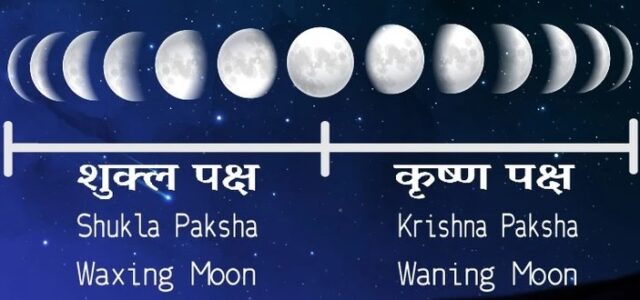
कृष्ण पक्ष और शुक्ल पक्ष क्या है?
तिथियां क्या होती है?
मंगल अमंगल महूरत क्या है?
देव लोक पितृ लोक क्या है?

#thread
depth of the science based on veda ...how?


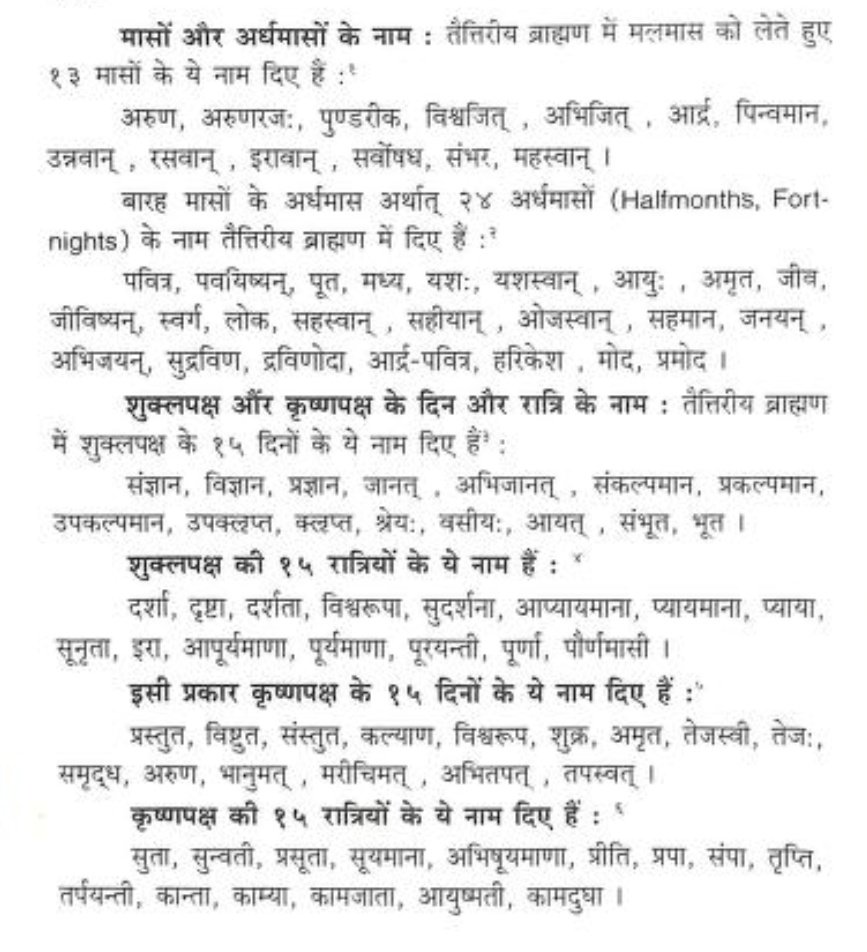
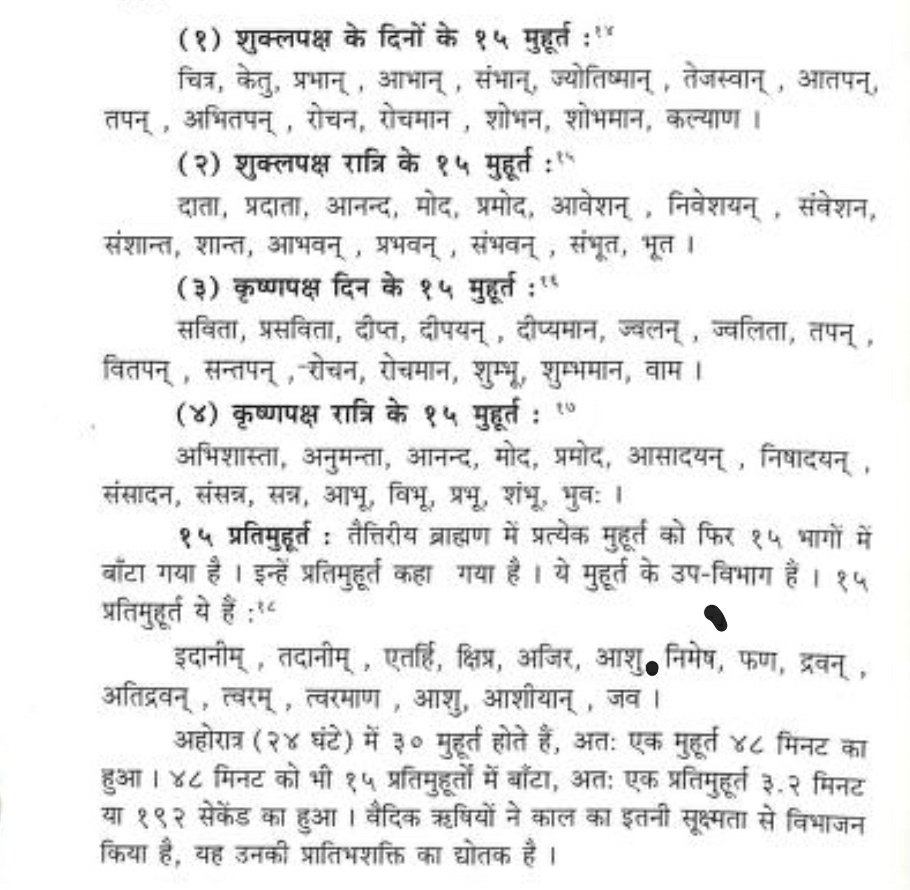
पूर्णिमान्त मास मानने पर मास का प्रारम्भ (पूर्वपक्ष) कृष्णपक्ष होता है और उत्तरपक्ष (उत्तरार्ध) शुक्लपक्ष होता है। परन्तु तैत्तिरीय ब्राह्मण और निरुक्त में मास का प्रारम्भ शुक्ल पक्ष से और समाप्ति (उत्तरार्ध) कृष्णपक्ष से बताया गया है। इस प्रकार का मास


अमान्त मास होता है। यह भी कहा गया है है कि पूर्वपक्ष अर्थात् शुक्लपक्ष देवों से संबद्ध है और उत्तरार्ध कृष्णपक्ष असुरों से ,निरुक्त में शुक्ल पक्ष को पूर्वपक्ष और कृष्णपक्ष को उत्तरपक्ष (उत्तरार्ध) बताया है ।

आधुनिक पंचांग एक प्रकार से दोनों पद्धतियों का समन्वय हैं । इनमें


मास पूर्णिमान्त होते हैं अर्थात् मास का प्रारम्भ कृष्णपक्ष से होता है और समाप्ति शुक्ल पक्ष से, अतः मास की समाप्ति पूर्णिमा को होती है । परन्तु वर्ष का प्रारम्भ शुक्लपक्ष से होता है, अर्थात् चैत्र शुक्लपक्ष से वर्ष प्रारम्भ होता है और आगामी चैत्र कृष्णपक्ष की अमावस्या को वर्ष


पूरा होता है। इस प्रकार मास पूर्णिमान्त हैं और वर्ष अमान्त हैं। अतः आधुनिक पंचांग दोनों पद्धतियों का समन्वय समझना चाहिए ।

इसी प्रकार दोनों अयन अर्थात् उत्तरायण और दक्षिणायन का भी भेद किया गया है । उत्तरायण का संबन्ध देवों से है और दक्षिणायन का पितरों से । शतपथ ब्राह्मण में इसी

More from All

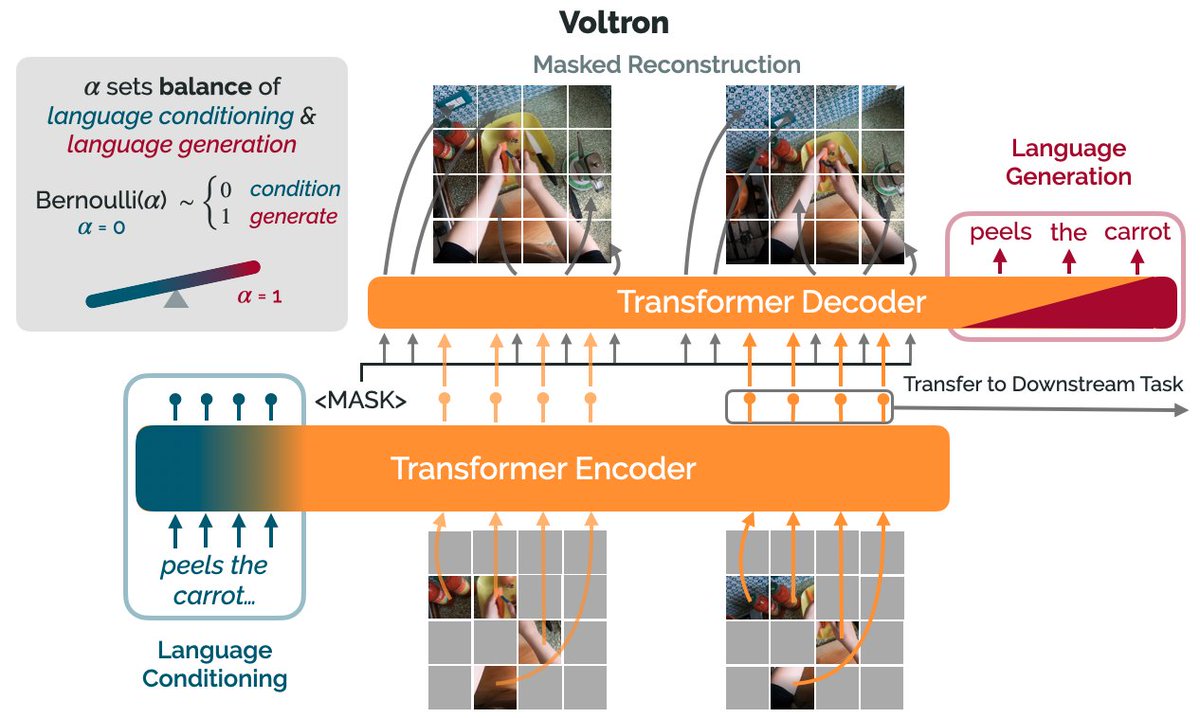
How can we use language supervision to learn better visual representations for robotics?

Introducing Voltron: Language-Driven Representation Learning for Robotics!

Paper: https://t.co/gIsRPtSjKz
Models: https://t.co/NOB3cpATYG
Evaluation: https://t.co/aOzQu95J8z

🧵👇(1 / 12)


Videos of humans performing everyday tasks (Something-Something-v2, Ego4D) offer a rich and diverse resource for learning representations for robotic manipulation.

Yet, an underused part of these datasets are the rich, natural language annotations accompanying each video. (2/12)

The Voltron framework offers a simple way to use language supervision to shape representation learning, building off of prior work in representations for robotics like MVP (
https://t.co/Pb0mk9hb4i) and R3M (https://t.co/o2Fkc3fP0e).

The secret is *balance* (3/12)

Starting with a masked autoencoder over frames from these video clips, make a choice:

1) Condition on language and improve our ability to reconstruct the scene.

2) Generate language given the visual representation and improve our ability to describe what's happening. (4/12)

By trading off *conditioning* and *generation* we show that we can learn 1) better representations than prior methods, and 2) explicitly shape the balance of low and high-level features captured.

Why is the ability to shape this balance important? (5/12)

You May Also Like

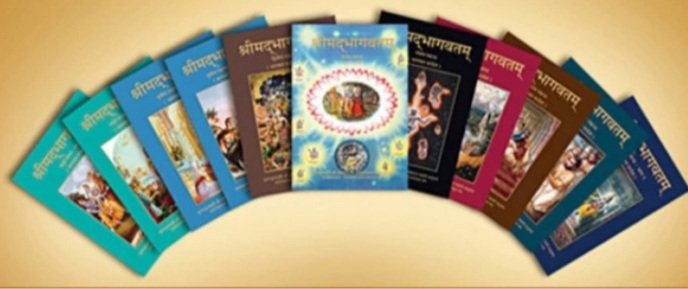
IMPORTANCE, ADVANTAGES AND CHARACTERISTICS OF BHAGWAT PURAN

It was Ved Vyas who edited the eighteen thousand shlokas of Bhagwat. This book destroys all your sins. It has twelve parts which are like kalpvraksh.

In the first skandh, the importance of Vedvyas


and characters of Pandavas are described by the dialogues between Suutji and Shaunakji. Then there is the story of Parikshit.
Next there is a Brahm Narad dialogue describing the avtaar of Bhagwan. Then the characteristics of Puraan are mentioned.

It also discusses the evolution of universe.(
https://t.co/2aK1AZSC79 )

Next is the portrayal of Vidur and his dialogue with Maitreyji. Then there is a mention of Creation of universe by Brahma and the preachings of Sankhya by Kapil Muni.


In the next section we find the portrayal of Sati, Dhruv, Pruthu, and the story of ancient King, Bahirshi.
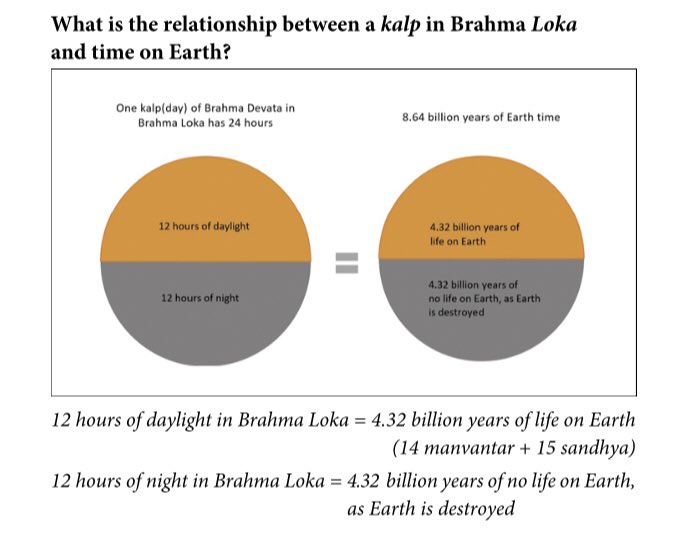
In the next section we find the character of King Priyavrat and his sons, different types of loks in this universe, and description of Narak. ( https://t.co/gmDTkLktKS )


In the sixth part we find the portrayal of Ajaamil ( https://t.co/LdVSSNspa2 ), Daksh and the birth of Marudgans( https://t.co/tecNidVckj )

In the seventh section we find the story of Prahlad and the description of Varnashram dharma. This section is based on karma vaasna.