
Judicial System of India (Explained)
In this thread, U will understand-
1. How Indian Judiciary operates
2. How judges of SC, HC and SS r appointed
3. How they can be removed
4. Role of Law ministry
5. Judicial corruption
1/24

1. They r protector of constitution n they can go to any extent to protect constitution
2. They r the interpreter of constitution. Indian constitution is not descriptive, its one liners
Like India constitution use the word minority but doesn't define what is minority
So they interpreted in whatever way they wanted
1. District courts : Session courts, metropolitan courts, special courts. In every city
2. High court ; 1 in every state
3. Supreme court : 1 in country at New Delhi

In India Judges r not appointed by some entrance exam like IAS or IES. They r appointed straight away by a team of 5-7 Judges. That team is called collegium. This appointment procedure didn't mention in Indian constitution but was made by judges
S. P. Gupta v. Union of India - 1981 (also known as the Judges' Transfer case)
Supreme Court Advocates-on Record Association vs Union of India - 1993
In re Special Reference 1 of 1998
District Court :
there r 2 ways
high court can appoint any lawyer who have 7 year experience
or
By State judicial services exam n then interview by high-count

The SC collegium is headed by the CJI (Chief Justice of India) and comprises four other senior most judges of the court.
A HC collegium is led by its Chief Justice and four other senior most judges of that court.
-any advocate who has experience of 10 year can become high court judge
- proposal initiated by HC Collegium sent to Supreme Court collegium - law ministry - state govt - governor
Any person can become supreme court judge
- 5 year experience as judge in any HC
- 10 year experience as advocate in HC
Who will become next CJI is decided by current CJI on the basis on seniority
To Whomsoever these HC n SC judges decide they can make them Judge.
N this has become the major reason of nepotism in Indian judiciary.

Its said Judges recommends the name of only their relative family members.
Its impossible to those lawyers to get place in Indian judiciary who r not from elite melord family.
Currently there r 3 crore pending cases in India n Indian Judiciary works hardly 200 days in a year.
India Judiciary has 0 accountability that means u cant criticize them, make them legally responsible for their judgements.
In April 2017, a judicial Magistrate Debanjan Ghosh gave bail to a murder accused, and it is alleged that it is unusual unless huge money is involved.
n Dec 2009, Prashant Bhushan said, "out of the last 16 to 17 Chief Justices, half have been corrupt
Impeachment process of Judges is also so complex that its impossible to remove them.
1. Proposal is initiated by 100 Loksabha or 50 Rajya sabha MPs
2. Speakers make a inquiry committee. Who r the members of that committee ?
- Supreme court judge
- high court judge
- jurist
Till now no supreme court judge ever impeached in India.
One high court judge has been impeached for the corruption.
but in 2015, Supreme court dismissed this NJAC.
Nepotism in Indian judiciary
ref: https://t.co/Nj4hFjm57h
https://t.co/P3o7EJXoJ4
Why its impossible to become judge in India if u don't belong to elite group
Ref : https://t.co/seT61Xj3IY
A thread by @InfinityTarun
24/24
More from All



ChatGPT is a phenomenal AI Tool.
But don't limit yourself to just ChatGPT.
Here're 8 AI-powered tools you should try in 2023:
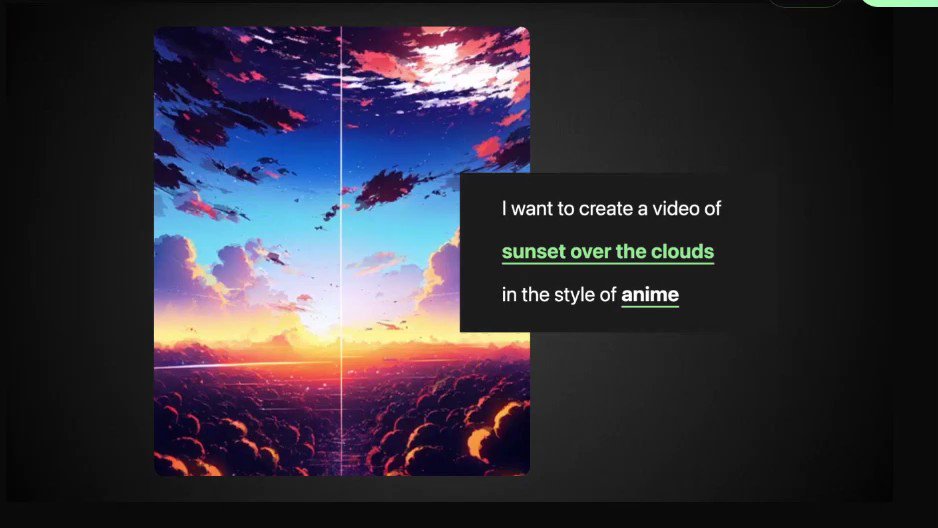
1. KaiberAI
@KaiberAI helps you generate beautiful videos in minutes.
Transform your ideas into the visual stories of your dreams with this Amazing Tool.
New features:
1. Upload your custom music
2. Prompt Templates
3. Camera Movements:
Check here
https://t.co/ivnDRf628L
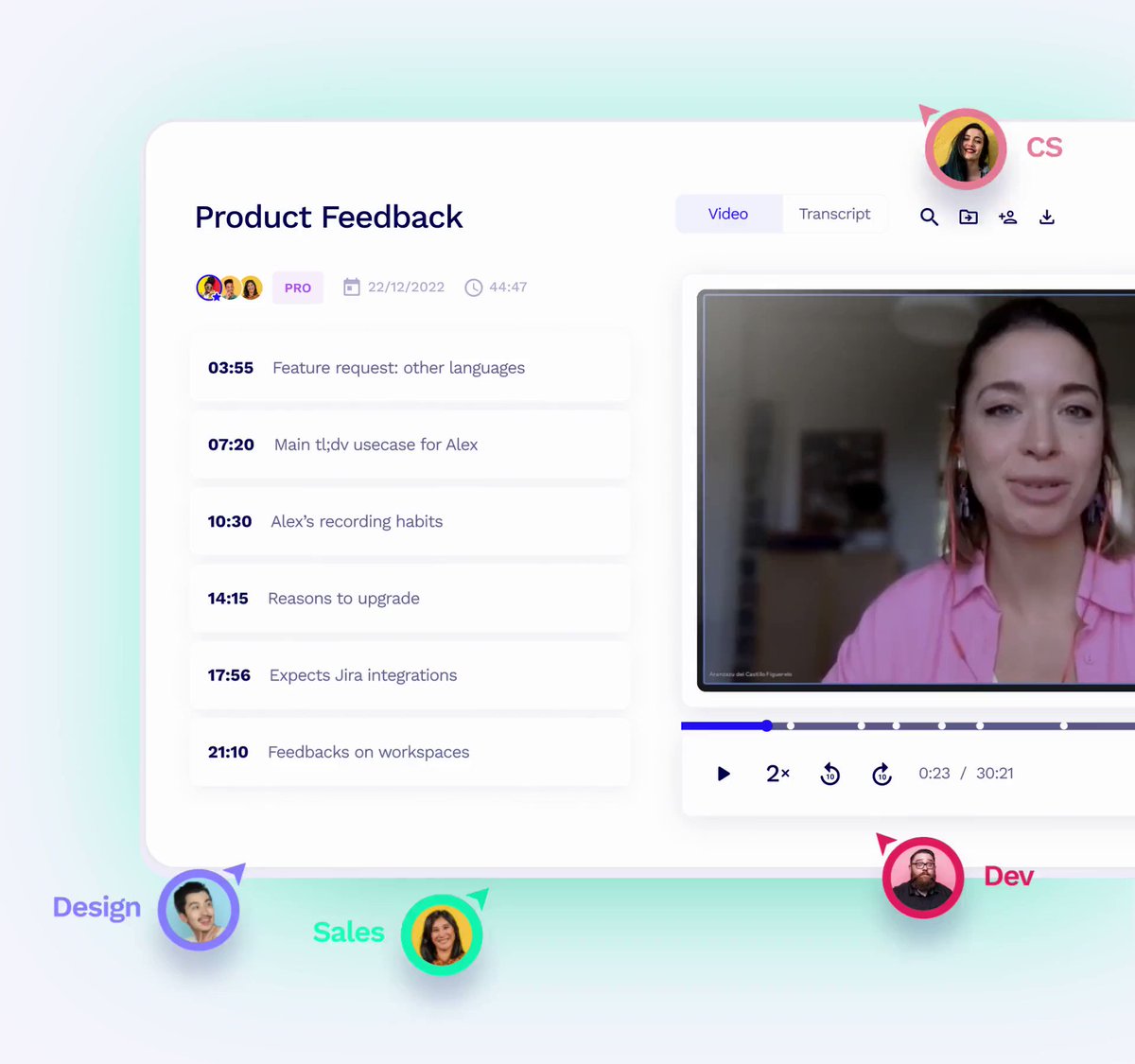
2. @tldview TLDV
Best ChatGPT Alternative for meetings.
Make your meetings 10X more productive with this amazing tool.
Try it now:
https://t.co/vOy3sS4QfJ
3. ComposeAI
Use ComposeAI for generating any text using AI.
It’s will help you write better content in seconds.
Try it here:
https://t.co/ksj5aop5ZI

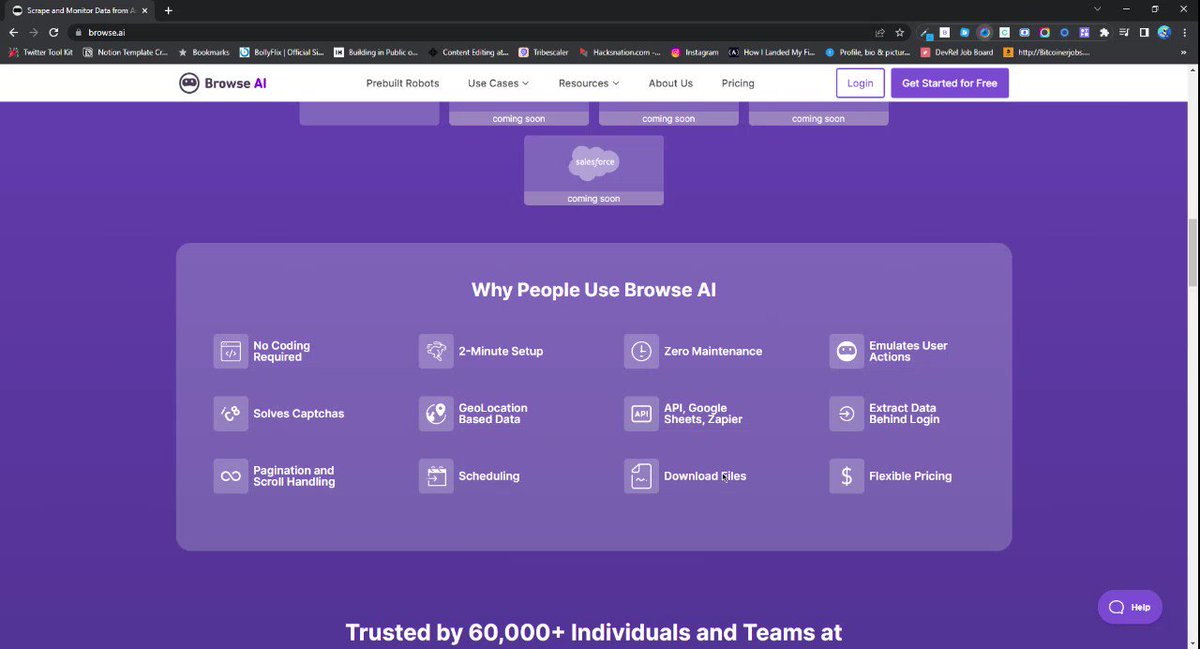
4. Browser AI
Use this AI tool to extract and monitor data from any website.
Train a robot in 2 minutes to do your work.
No coding required.
https://t.co/nNiawtUMyO
But don't limit yourself to just ChatGPT.
Here're 8 AI-powered tools you should try in 2023:
1. KaiberAI
@KaiberAI helps you generate beautiful videos in minutes.
Transform your ideas into the visual stories of your dreams with this Amazing Tool.
New features:
1. Upload your custom music
2. Prompt Templates
3. Camera Movements:
Check here
https://t.co/ivnDRf628L
2. @tldview TLDV
Best ChatGPT Alternative for meetings.
Make your meetings 10X more productive with this amazing tool.
Try it now:
https://t.co/vOy3sS4QfJ
3. ComposeAI
Use ComposeAI for generating any text using AI.
It’s will help you write better content in seconds.
Try it here:
https://t.co/ksj5aop5ZI
4. Browser AI
Use this AI tool to extract and monitor data from any website.
Train a robot in 2 minutes to do your work.
No coding required.
https://t.co/nNiawtUMyO

You May Also Like



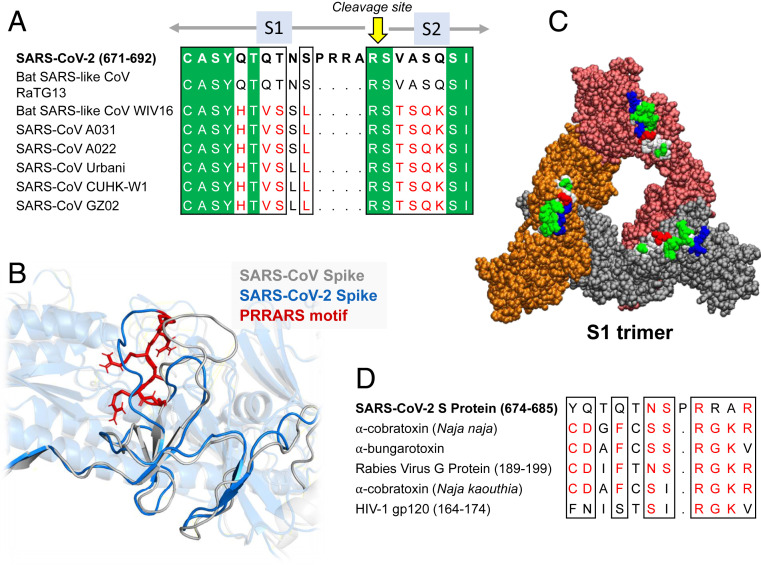
Keep dwelling on this:
Further Examination of the Motif near PRRA Reveals Close Structural Similarity to the SEB Superantigen as well as Sequence Similarities to Neurotoxins and a Viral SAg.
The insertion PRRA together with 7 sequentially preceding residues & succeeding R685 (conserved in β-CoVs) form a motif, Y674QTQTNSPRRAR685, homologous to those of neurotoxins from Ophiophagus (cobra) and Bungarus genera, as well as neurotoxin-like regions from three RABV strains
(20) (Fig. 2D). We further noticed that the same segment bears close similarity to the HIV-1 glycoprotein gp120 SAg motif F164 to V174.
https://t.co/EwwJOSa8RK
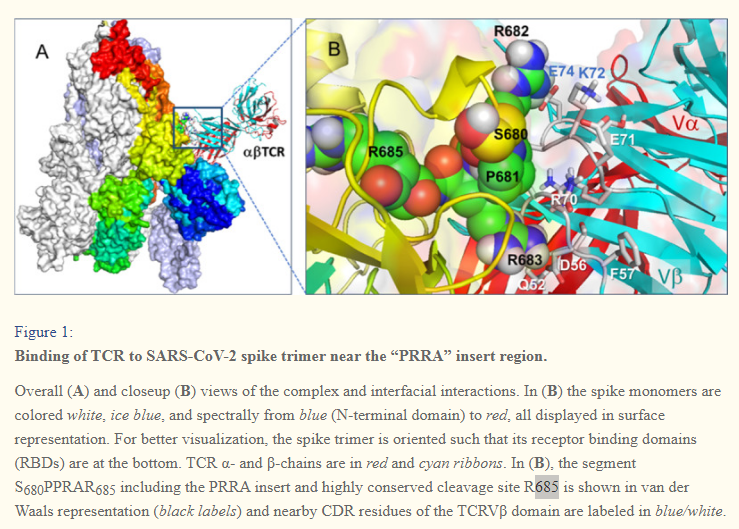
In (B), the segment S680PPRAR685 including the PRRA insert and highly conserved cleavage site *R685* is shown in van der Waals representation (black labels) and nearby CDR residues of the TCRVβ domain are labeled in blue/white
https://t.co/BsY8BAIzDa
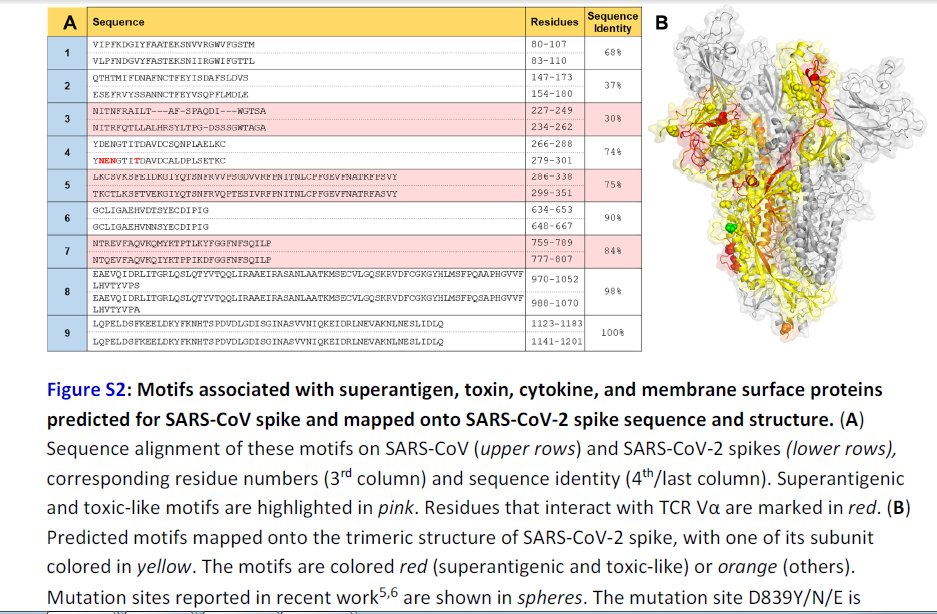
Sequence Identity %
https://t.co/BsY8BAIzDa
Y674 - QTQTNSPRRA - R685
Similar to neurotoxins from Ophiophagus (cobra) & Bungarus genera & neurotoxin-like regions from three RABV strains
T678 - NSPRRA- R685
Superantigenic core, consistently aligned against bacterial or viral SAgs
Further Examination of the Motif near PRRA Reveals Close Structural Similarity to the SEB Superantigen as well as Sequence Similarities to Neurotoxins and a Viral SAg.
The insertion PRRA together with 7 sequentially preceding residues & succeeding R685 (conserved in β-CoVs) form a motif, Y674QTQTNSPRRAR685, homologous to those of neurotoxins from Ophiophagus (cobra) and Bungarus genera, as well as neurotoxin-like regions from three RABV strains
(20) (Fig. 2D). We further noticed that the same segment bears close similarity to the HIV-1 glycoprotein gp120 SAg motif F164 to V174.
https://t.co/EwwJOSa8RK
In (B), the segment S680PPRAR685 including the PRRA insert and highly conserved cleavage site *R685* is shown in van der Waals representation (black labels) and nearby CDR residues of the TCRVβ domain are labeled in blue/white
https://t.co/BsY8BAIzDa
Sequence Identity %
https://t.co/BsY8BAIzDa
Y674 - QTQTNSPRRA - R685
Similar to neurotoxins from Ophiophagus (cobra) & Bungarus genera & neurotoxin-like regions from three RABV strains
T678 - NSPRRA- R685
Superantigenic core, consistently aligned against bacterial or viral SAgs

So it's now October 10, 2018 and....Rod Rosenstein is STILL not fired.
He's STILL in charge of the Mueller investigation.
He's STILL refusing to hand over the McCabe memos.
He's STILL holding up the declassification of the #SpyGate documents & their release to the public.
I love a good cover story.......
The guy had a face-to-face with El Grande Trumpo himself on Air Force One just 2 days ago. Inside just about the most secure SCIF in the world.
And Trump came out of AF1 and gave ol' Rod a big thumbs up!
And so we're right back to 'that dirty rat Rosenstein!' 2 days later.
At this point it's clear some members of Congress are either in on this and helping the cover story or they haven't got a clue and are out in the cold.
Note the conflicting stories about 'Rosenstein cancelled meeting with Congress on Oct 11!"
First, rumors surfaced of a scheduled meeting on Oct. 11 between Rosenstein & members of Congress, and Rosenstein just cancelled it.
He's STILL in charge of the Mueller investigation.
He's STILL refusing to hand over the McCabe memos.
He's STILL holding up the declassification of the #SpyGate documents & their release to the public.
I love a good cover story.......
The guy had a face-to-face with El Grande Trumpo himself on Air Force One just 2 days ago. Inside just about the most secure SCIF in the world.
And Trump came out of AF1 and gave ol' Rod a big thumbs up!
And so we're right back to 'that dirty rat Rosenstein!' 2 days later.
At this point it's clear some members of Congress are either in on this and helping the cover story or they haven't got a clue and are out in the cold.
Note the conflicting stories about 'Rosenstein cancelled meeting with Congress on Oct 11!"
First, rumors surfaced of a scheduled meeting on Oct. 11 between Rosenstein & members of Congress, and Rosenstein just cancelled it.
Rep. Andy Biggs and Rep. Matt Gaetz say DAG Rod Rosenstein cancelled an Oct. 11 appearance before the judiciary and oversight committees. They are now calling for a subpoena. pic.twitter.com/TknVHKjXtd
— Ivan Pentchoukov \U0001f1fa\U0001f1f8 (@IvanPentchoukov) October 10, 2018

Speech Delay is most common in children nowadays
In ancient times, our grandparents used to follow typical natural way of caring the needs of a child. All they used were more of natural products than chemical based for the growth of child.
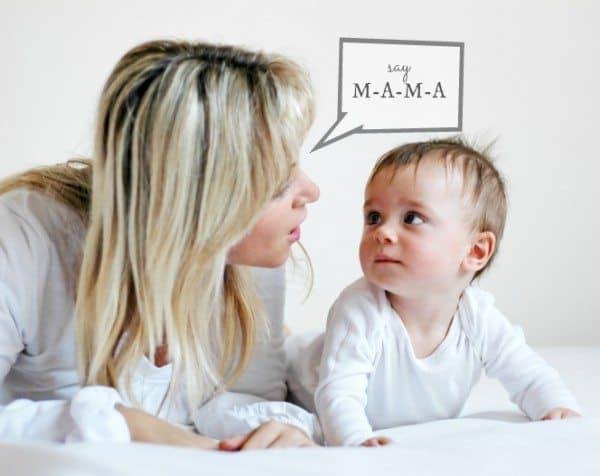
One of major step followed was to feed Gurbach Jadd/ Vasa Kommu/ Acorus Calamus for initiating good speech ability in a child. This stem was needed to babies on Tuesdays and Sundays in mother's milk.
Vasa is feed to baby after the 1st bath on 12th day in week. Weekly only thrice it is fed and named as :
Budhwar - Budhi Vasa
Mangalwar - Vaak Vasa
Ravi Vaar - Aayush Vasa
This stem is burnt and rubbed against the grinding stone in mother's milk or warm water to get a paste
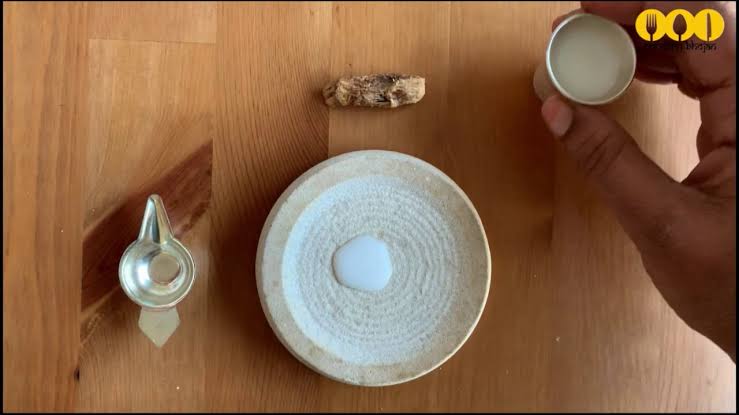
The procedure to make it is in the link
https://t.co/uo4sGp7mUm
It should not be given daily to the child. Other main benefits are
1. It clears the phlegm in child's throat caused due to continuous milk intake. It clears the tracts and breathing is effortless.
2. Digestion
For children who haven't got their speech and is delayed than usual should feed this vasa on these days in week atleast for 6months. Don't get carried away with this dialogue
"Some gain speech little late"
In ancient times, our grandparents used to follow typical natural way of caring the needs of a child. All they used were more of natural products than chemical based for the growth of child.
One of major step followed was to feed Gurbach Jadd/ Vasa Kommu/ Acorus Calamus for initiating good speech ability in a child. This stem was needed to babies on Tuesdays and Sundays in mother's milk.
Vasa is feed to baby after the 1st bath on 12th day in week. Weekly only thrice it is fed and named as :
Budhwar - Budhi Vasa
Mangalwar - Vaak Vasa
Ravi Vaar - Aayush Vasa
This stem is burnt and rubbed against the grinding stone in mother's milk or warm water to get a paste
The procedure to make it is in the link
https://t.co/uo4sGp7mUm
It should not be given daily to the child. Other main benefits are
1. It clears the phlegm in child's throat caused due to continuous milk intake. It clears the tracts and breathing is effortless.
2. Digestion
For children who haven't got their speech and is delayed than usual should feed this vasa on these days in week atleast for 6months. Don't get carried away with this dialogue
"Some gain speech little late"