The Moplah Files (Thread)
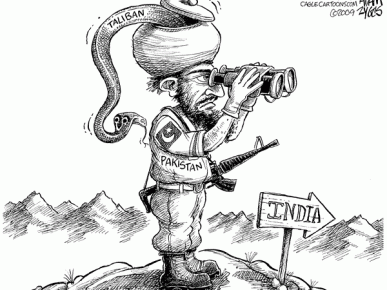
Dark chapter of India that was purposefully omitted from History books coz it expose hypocrisy of Gandhi, it burns fake narrative of Hindu Muslim unity. All Mslm know abt Moplah files but no hindu knows but today every Hindu will also know abt it.
1/n

Khilafat movement started by Mslm leaders of India against British. Their demands were to give back power to Caliphate of Ottoman
Till that time Gandhi had become the most prominent leader of India and Hindus had lot of faith in him.
On August 1st 1921, Police attempted to arrest Vadakkevittil Muhammed,
Moplah riots were not Hindu Muslim riots – Congress
A thread by @Infinity_Tarun
Only Truth
End of Thread
More from All



MASTER THREAD on Short Strangles.
Curated the best tweets from the best traders who are exceptional at managing strangles.
• Positional Strangles
• Intraday Strangles
• Position Sizing
• How to do Adjustments
• Plenty of Examples
• When to avoid
• Exit Criteria
How to sell Strangles in weekly expiry as explained by boss himself. @Mitesh_Engr
• When to sell
• How to do Adjustments
• Exit
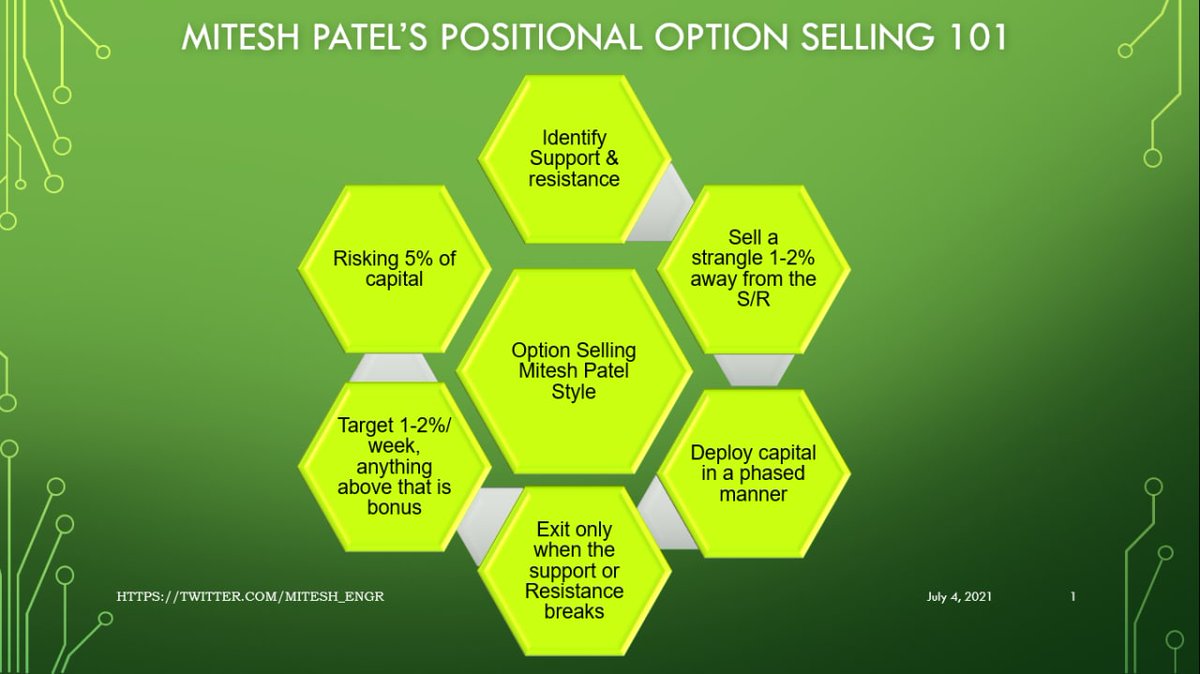
Beautiful explanation on positional option selling by @Mitesh_Engr
Sir on how to sell low premium strangles yourself without paying anyone. This is a free mini course in
1st Live example of managing a strangle by Mitesh Sir. @Mitesh_Engr
• Sold Strangles 20% cap used
• Added 20% cap more when in profit
• Booked profitable leg and rolled up
• Kept rolling up profitable leg
• Booked loss in calls
• Sold only
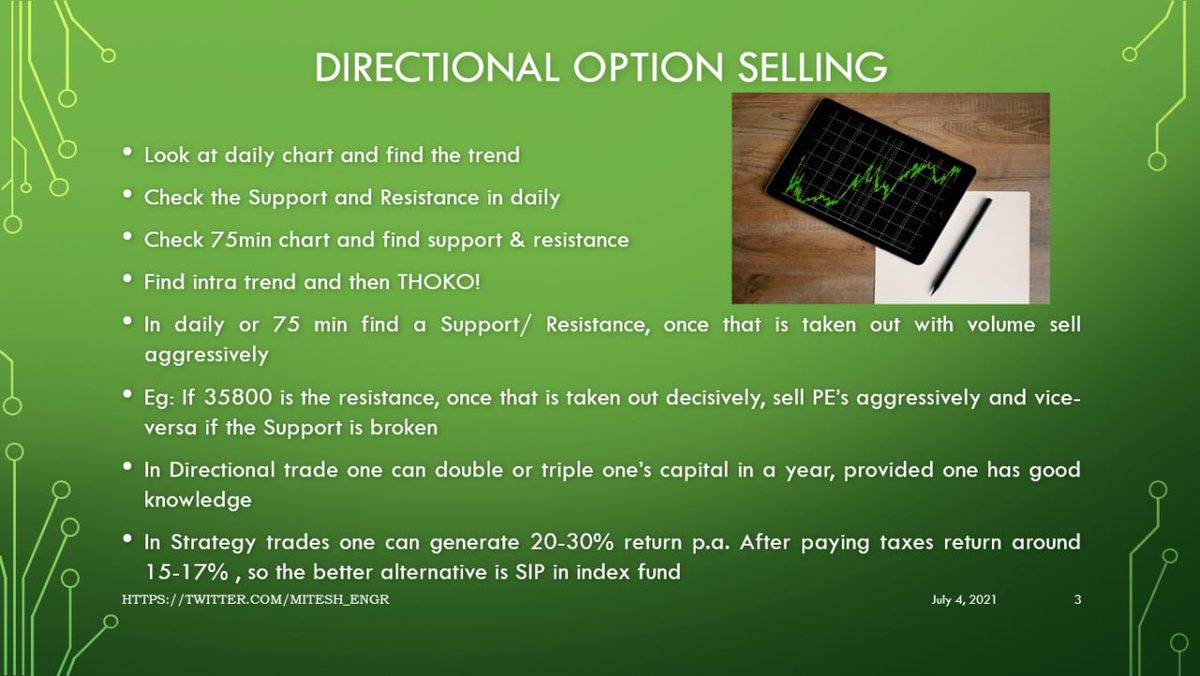
2nd example by @Mitesh_Engr Sir on converting a directional trade into strangles. Option Sellers can use this for consistent profit.
• Identified a reversal and sold puts
• Puts decayed a lot
• When achieved 2% profit through puts then sold
Curated the best tweets from the best traders who are exceptional at managing strangles.
• Positional Strangles
• Intraday Strangles
• Position Sizing
• How to do Adjustments
• Plenty of Examples
• When to avoid
• Exit Criteria
How to sell Strangles in weekly expiry as explained by boss himself. @Mitesh_Engr
• When to sell
• How to do Adjustments
• Exit
1. Let's start option selling learning.
— Mitesh Patel (@Mitesh_Engr) February 10, 2019
Strangle selling. ( I am doing mostly in weekly Bank Nifty)
When to sell? When VIX is below 15
Assume spot is at 27500
Sell 27100 PE & 27900 CE
say premium for both 50-50
If bank nifty will move in narrow range u will get profit from both.
Beautiful explanation on positional option selling by @Mitesh_Engr
Sir on how to sell low premium strangles yourself without paying anyone. This is a free mini course in
Few are selling 20-25 Rs positional option selling course.
— Mitesh Patel (@Mitesh_Engr) November 3, 2019
Nothing big deal in that.
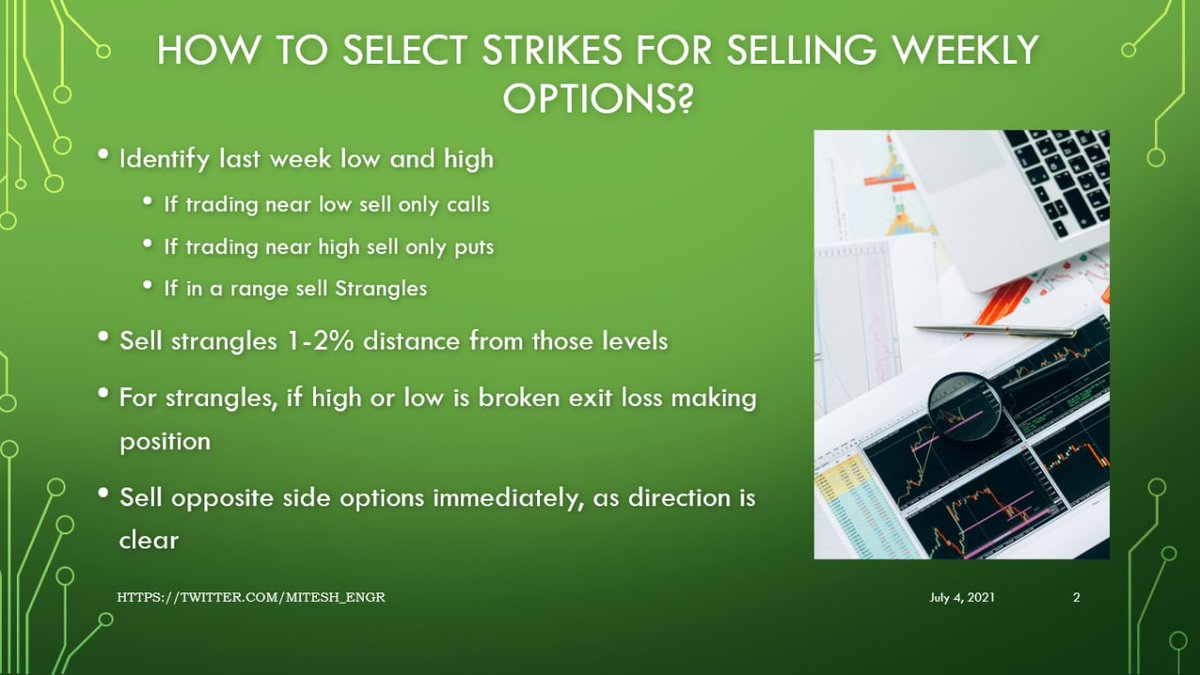
For selling weekly option just identify last week low and high.
Now from that low and high keep 1-1.5% distance from strike.
And sell option on both side.
1/n
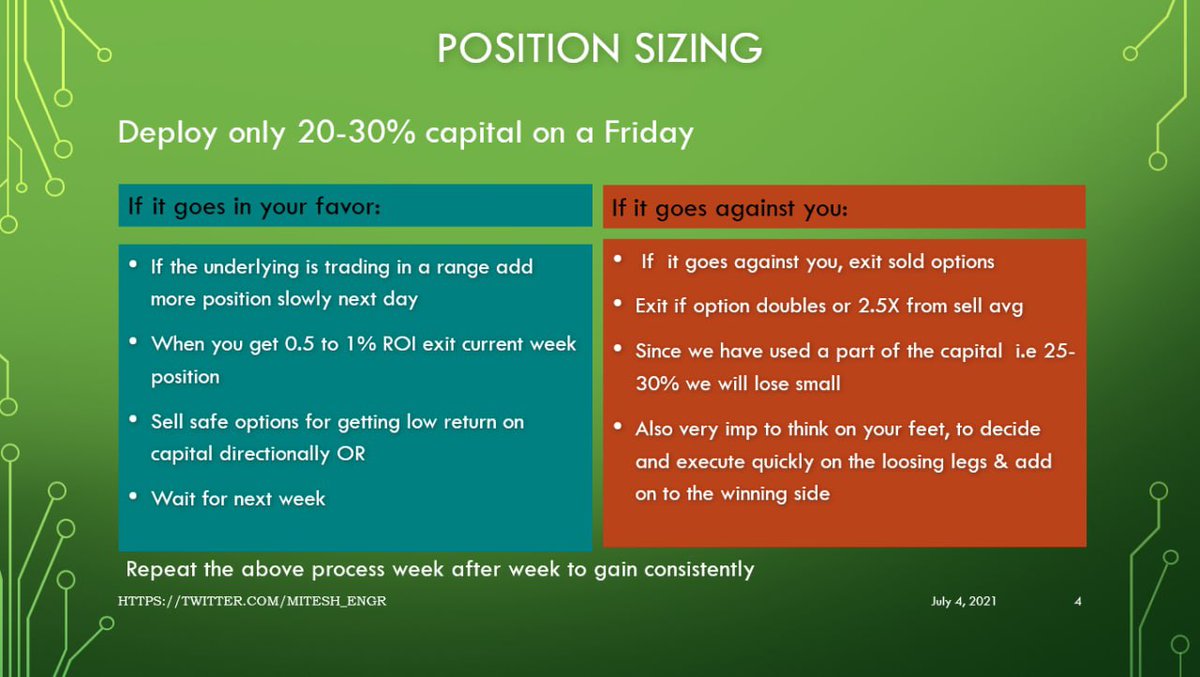
1st Live example of managing a strangle by Mitesh Sir. @Mitesh_Engr
• Sold Strangles 20% cap used
• Added 20% cap more when in profit
• Booked profitable leg and rolled up
• Kept rolling up profitable leg
• Booked loss in calls
• Sold only
Sold 29200 put and 30500 call
— Mitesh Patel (@Mitesh_Engr) April 12, 2019
Used 20% capital@44 each
2nd example by @Mitesh_Engr Sir on converting a directional trade into strangles. Option Sellers can use this for consistent profit.
• Identified a reversal and sold puts
• Puts decayed a lot
• When achieved 2% profit through puts then sold
Already giving more than 2% return in a week. Now I will prefer to sell 32500 call at 74 to make it strangle in equal ratio.
— Mitesh Patel (@Mitesh_Engr) February 7, 2020
To all. This is free learning for you. How to play option to make consistent return.
Stay tuned and learn it here free of cost. https://t.co/7J7LC86oW0






1. Mini Thread on Conflicts of Interest involving the authors of the Nature Toilet Paper:
https://t.co/VUYbsKGncx
Kristian G. Andersen
Andrew Rambaut
Ian Lipkin
Edward C. Holmes
Robert F. Garry
2. Thanks to @newboxer007 for forwarding the link to the research by an Australian in Taiwan (not on
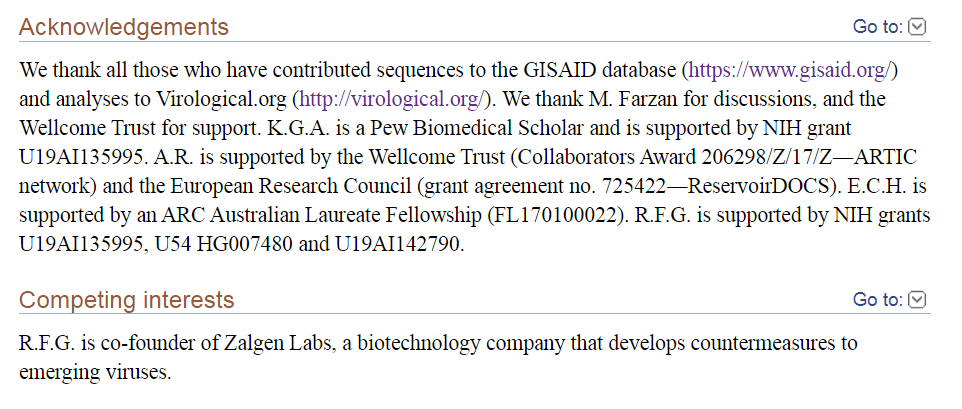
3. K.Andersen didn't mention "competing interests"
Only Garry listed Zalgen Labs, which we will look at later.
In acknowledgements, Michael Farzan, Wellcome Trust, NIH, ERC & ARC are mentioned.
Author affiliations listed as usual.
Note the 328 Citations!
https://t.co/nmOeohM89Q
4. Kristian Andersen (1)
Andersen worked with USAMRIID & Fort Detrick scientists on research, with Robert Garry, Jens Kuhn & Sina Bavari among
5. Kristian Andersen (2)
Works at Scripps Research Institute, which WAS in serious financial trouble, haemorrhaging 20 million $ a year.
But just when the first virus cases were emerging, they received great news.
They issued a press release dated November 27, 2019:
https://t.co/VUYbsKGncx
Kristian G. Andersen
Andrew Rambaut
Ian Lipkin
Edward C. Holmes
Robert F. Garry
2. Thanks to @newboxer007 for forwarding the link to the research by an Australian in Taiwan (not on
3. K.Andersen didn't mention "competing interests"
Only Garry listed Zalgen Labs, which we will look at later.
In acknowledgements, Michael Farzan, Wellcome Trust, NIH, ERC & ARC are mentioned.
Author affiliations listed as usual.
Note the 328 Citations!
https://t.co/nmOeohM89Q
4. Kristian Andersen (1)
Andersen worked with USAMRIID & Fort Detrick scientists on research, with Robert Garry, Jens Kuhn & Sina Bavari among
Our Hans Kristian Andersen working with Jens H. Kuhn, Sina Bavari, Robert F. Garry, Stuart T. Nichol,Gustavo Palacios, Sheli R. Radoshitzky from USAMRIID and Fort Detrick to tell more fairy tales? Full emails listed for queries...https://t.co/kLRoQTxiGD pic.twitter.com/uHNuGraPP2
— Billy Bostickson \U0001f3f4\U0001f441&\U0001f441 \U0001f193 (@BillyBostickson) August 26, 2020
5. Kristian Andersen (2)
Works at Scripps Research Institute, which WAS in serious financial trouble, haemorrhaging 20 million $ a year.
But just when the first virus cases were emerging, they received great news.
They issued a press release dated November 27, 2019:
You May Also Like

"I really want to break into Product Management"
make products.
"If only someone would tell me how I can get a startup to notice me."
Make Products.
"I guess it's impossible and I'll never break into the industry."
MAKE PRODUCTS.
Courtesy of @edbrisson's wonderful thread on breaking into comics – https://t.co/TgNblNSCBj – here is why the same applies to Product Management, too.
There is no better way of learning the craft of product, or proving your potential to employers, than just doing it.
You do not need anybody's permission. We don't have diplomas, nor doctorates. We can barely agree on a single standard of what a Product Manager is supposed to do.
But – there is at least one blindingly obvious industry consensus – a Product Manager makes Products.
And they don't need to be kept at the exact right temperature, given endless resource, or carefully protected in order to do this.
They find their own way.
make products.
"If only someone would tell me how I can get a startup to notice me."
Make Products.
"I guess it's impossible and I'll never break into the industry."
MAKE PRODUCTS.
Courtesy of @edbrisson's wonderful thread on breaking into comics – https://t.co/TgNblNSCBj – here is why the same applies to Product Management, too.
"I really want to break into comics"
— Ed Brisson (@edbrisson) December 4, 2018
make comics.
"If only someone would tell me how I can get an editor to notice me."
Make Comics.
"I guess it's impossible and I'll never break into the industry."
MAKE COMICS.
There is no better way of learning the craft of product, or proving your potential to employers, than just doing it.
You do not need anybody's permission. We don't have diplomas, nor doctorates. We can barely agree on a single standard of what a Product Manager is supposed to do.
But – there is at least one blindingly obvious industry consensus – a Product Manager makes Products.
And they don't need to be kept at the exact right temperature, given endless resource, or carefully protected in order to do this.
They find their own way.