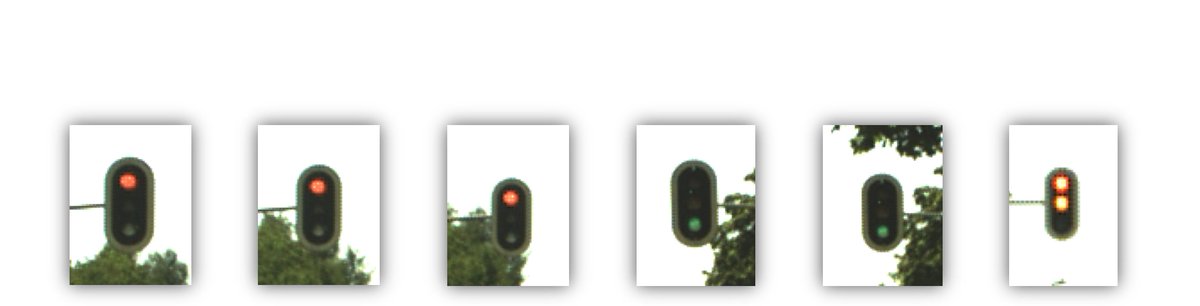
We need to represent the real world as accurately as possible. If some situations are underrepresented we are introducing Sampling Bias.
Sampling Bias is nasty because we'll have high test accuracy, but our model will perform badly when deployed.
👇


Dealing with imbalanced datasets \U0001f401 \u2696\ufe0f \U0001f418
— haltakov.eth \U0001f30d \U0001f1fa\U0001f1e6 (@haltakov) February 10, 2021
Real world datasets are often imbalanced - some of the classes appear much more often in your data than others.
The problem? You ML model will likely learn to only predict the dominant classes.
What can you do about it? \U0001f914
Thread \U0001f447


It's finally time for some paper review! \U0001f4dc\U0001f50d\U0001f9d0
— Vladimir Haltakov (@haltakov) September 28, 2020
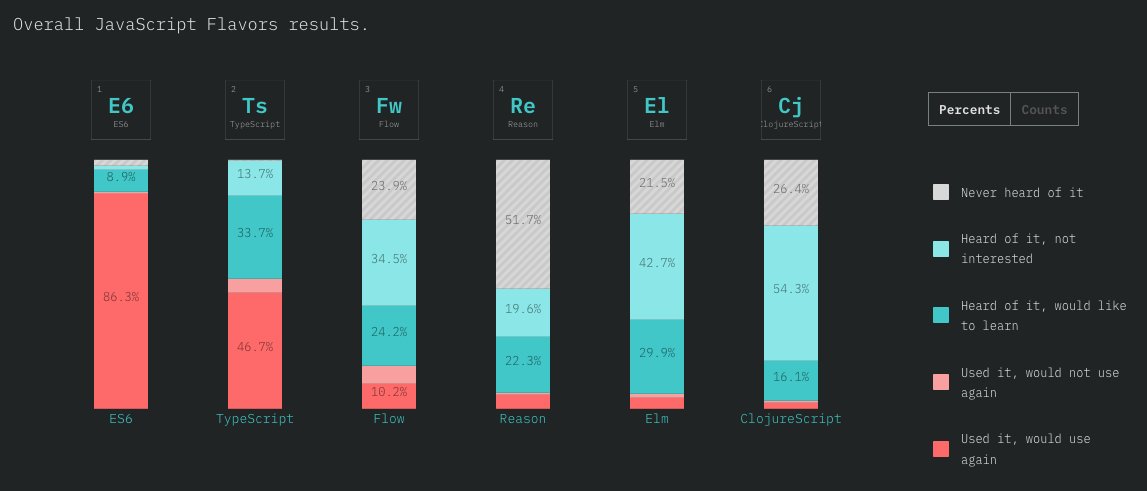
I promised the other day to start posting threads with summaries of papers that had a big impact on the field of ML and CV.
Here is the first one - the AlexNet paper! pic.twitter.com/QNLPIMZSIa
ML paper review time - DenseNet! \U0001f578\ufe0f
— Vladimir Haltakov (@haltakov) October 15, 2020
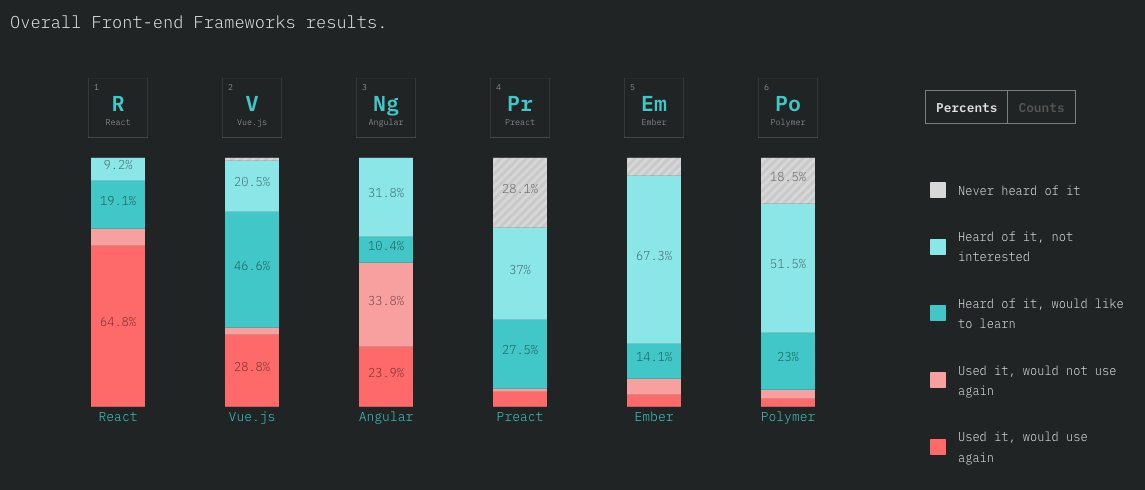
This paper won the Best Paper Award at the 2017 Conference on Computer Vision and Pattern Recognition (CVPR) - the best conference for computer vision problems.
It introduces a new CNN architecture where the layers are densely connected. pic.twitter.com/DuHytaoXia
Time for another ML paper review - generating synthetic ground truth data from video games! \U0001f3ae
— Vladimir Haltakov (@haltakov) October 5, 2020
I love this paper, because it pushes the boundaries of creating realistic synthetic ground truth data and shows that you can use it for training and improve your model.
Details \U0001f447 pic.twitter.com/fBgORYG8Lz
Another paper review, but a little different this time... \U0001f937\u200d\u2642\ufe0f
— Vladimir Haltakov (@haltakov) October 5, 2020
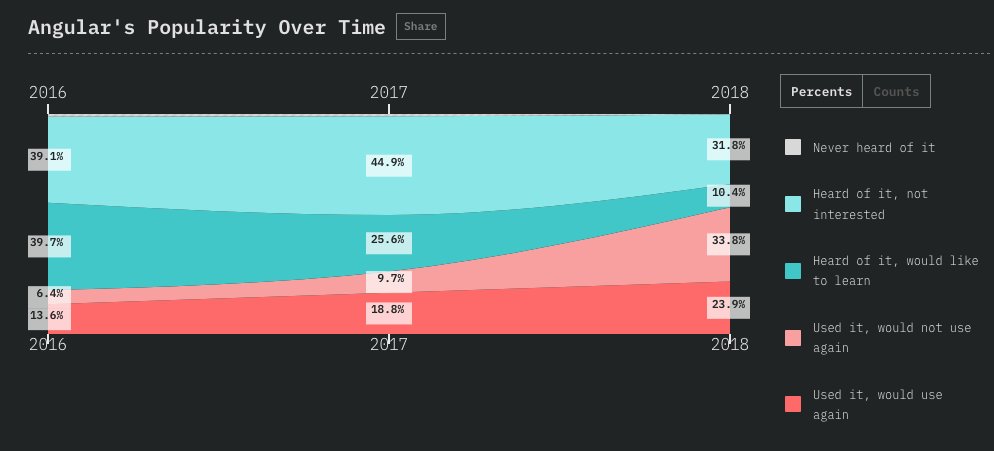
The paper is not published yet, but is submitted for review at ICLR 2021. It is getting a lot of attention from the CV/ML community, though, and many speculate that it is the end of CNNs... \U0001f447https://t.co/bh6wUxYfxu pic.twitter.com/dZGBYB8A5U

How to evaluate your ML model? \U0001f4cf
— Vladimir Haltakov (@haltakov) August 31, 2021
Your accuracy is 97%, so this is pretty good, right? Right? No! \u274c
Just looking at the model accuracy is not enough. Let me tell you about some other metrics:
\u25aa\ufe0f Recall
\u25aa\ufe0f Precision
\u25aa\ufe0f F1 score
\u25aa\ufe0f Confusion matrix
Let's start \U0001f447