FAKE quote!

Such a verse is NOT FOUND in any authentic Ravidas Bani.

Nowhere in his poems does Sant Ravidas say "I proclaim all Vedas as worthless".

This is a new scam in the market. Appropriation of Hindu history and Hindu saints by anti Hindus to boost their own legacy.

What Sant Ravidas actually said (when he was asked to convert to Islam by Lodhi):

"The religion of the Vedas is the greatest. It is the treasure trove of matchless knowledge.Why then will I abandon the Vedic Dharmic and read the untrue Quran?"

From Ravidas Ramayana(16th cent):
False quotes denigrating Hinduism are circulated in the name of Sant Ravidas as he was a great Hindu Sant from Dalit background.

This represents a challenge to people who want to spin the caste narrative of opposition of Dalits to Hinduism. They want to break this connection

More from Bharadwaj

More from All

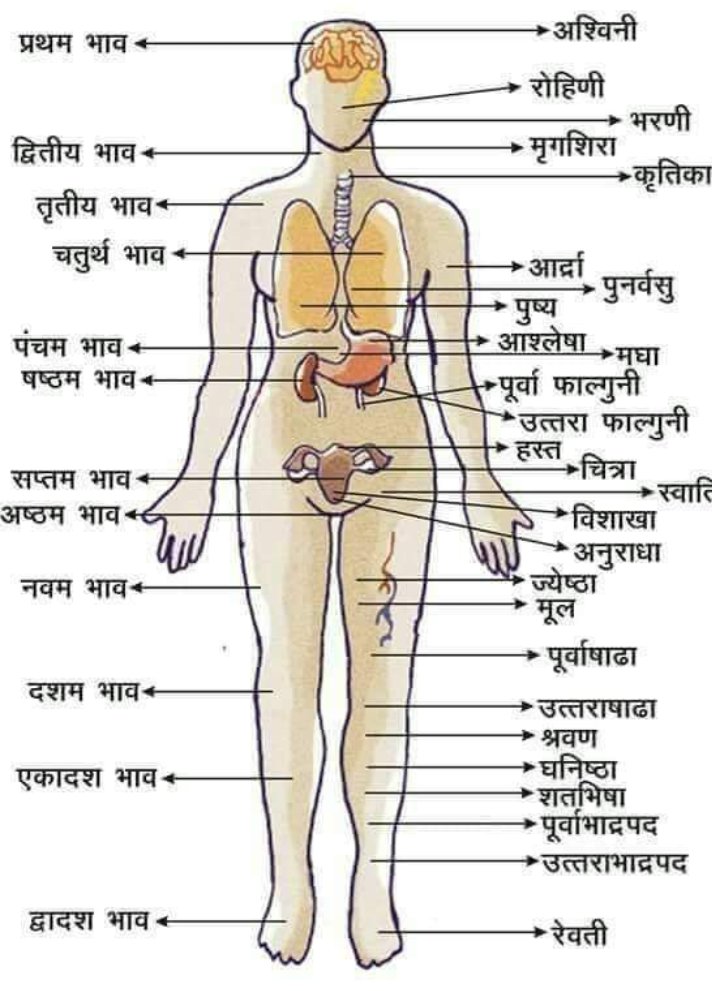
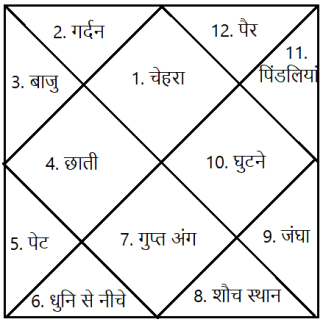
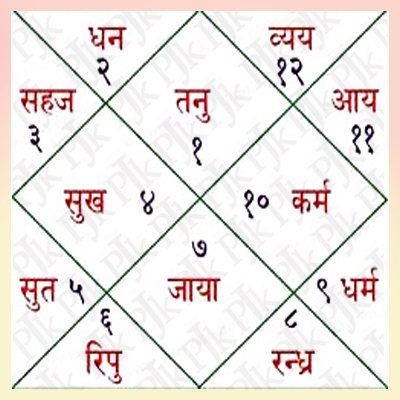
कुंडली में 12 भाव होते हैं। कैसे ज्योतिष द्वारा रोग के आंकलन करते समय कुंडली के विभिन्न भावों से गणना करते हैं आज इस पर चर्चा करेंगे।
कुण्डली को कालपुरुष की संज्ञा देकर इसमें शरीर के अंगों को स्थापित कर उनसे रोग, रोगेश, रोग को बढ़ाने घटाने वाले ग्रह


रोग की स्थिति में उत्प्रेरक का कार्य करने वाले ग्रह, आयुर्वेदिक/ऐलोपैथी/होमियोपैथी में से कौन कारगर होगा इसका आँकलन, रक्त विकार, रक्त और आपरेशन की स्थिति, कौन सा आंतरिक या बाहरी अंग प्रभावित होगा इत्यादि गणना करने में कुंडली का प्रयोग किया जाता है।


मेडिकल ज्योतिष में आज के समय में Dr. K. S. Charak का नाम निर्विवाद रूप से प्रथम स्थान रखता है। उनकी लिखी कई पुस्तकें आज इस क्षेत्र में नए ज्योतिषों का मार्गदर्शन कर रही हैं।
प्रथम भाव -
इस भाव से हम व्यक्ति की रोगप्रतिरोधक क्षमता, सिर, मष्तिस्क का विचार करते हैं।


द्वितीय भाव-
दाहिना नेत्र, मुख, वाणी, नाक, गर्दन व गले के ऊपरी भाग का विचार होता है।
तृतीय भाव-
अस्थि, गला,कान, हाथ, कंधे व छाती के आंतरिक अंगों का शुरुआती भाग इत्यादि।

चतुर्थ भाव- छाती व इसके आंतरिक अंग, जातक की मानसिक स्थिति/प्रकृति, स्तन आदि की गणना की जाती है


पंचम भाव-
जातक की बुद्धि व उसकी तीव्रता,पीठ, पसलियां,पेट, हृदय की स्थिति आंकलन में प्रयोग होता है।

षष्ठ भाव-
रोग भाव कहा जाता है। कुंडली मे इसके तत्कालिक भाव स्वामी, कालपुरुष कुंडली के स्वामी, दृष्टि संबंध, रोगेश की स्थिति, रोगेश के नक्षत्र औऱ रोगेश व भाव की डिग्री इत्यादि।

You May Also Like

I just finished Eric Adler's The Battle of the Classics, and wanted to say something about Joel Christiansen's review linked below. I am not sure what motivates the review (I speculate a bit below), but it gives a very misleading impression of the book. 1/x


The meat of the criticism is that the history Adler gives is insufficiently critical. Adler describes a few figures who had a great influence on how the modern US university was formed. It's certainly critical: it focuses on the social Darwinism of these figures. 2/x

Other insinuations and suggestions in the review seem wildly off the mark, distorted, or inappropriate-- for example, that the book is clickbaity (it is scholarly) or conservative (hardly) or connected to the events at the Capitol (give me a break). 3/x

The core question: in what sense is classics inherently racist? Classics is old. On Adler's account, it begins in ancient Rome and is revived in the Renaissance. Slavery (Christiansen's primary concern) is also very old. Let's say classics is an education for slaveowners. 4/x

It's worth remembering that literacy itself is elite throughout most of this history. Literacy is, then, also the education of slaveowners. We can honor oral and musical traditions without denying that literacy is, generally, good. 5/x
Rig Ved 1.36.7

To do a Namaskaar or bow before someone means that you are humble or without pride and ego. This means that we politely bow before you since you are better than me. Pranipaat(प्राणीपात) also means the same that we respect you without any vanity.

1/9


Surrendering False pride is Namaskaar. Even in devotion or bhakti we say the same thing. We want to convey to Ishwar that we have nothing to offer but we leave all our pride and offer you ourselves without any pride in our body. You destroy all our evil karma.

2/9

We bow before you so that you assimilate us and make us that capable. Destruction of our evils and surrender is Namaskaar. Therefore we pray same thing before and after any big rituals.

3/9

तं घे॑मि॒त्था न॑म॒स्विन॒ उप॑ स्व॒राज॑मासते ।
होत्रा॑भिर॒ग्निं मनु॑षः॒ समिं॑धते तिति॒र्वांसो॒ अति॒ स्रिधः॑॥

Translation :

नमस्विनः - To bow.

स्वराजम् - Self illuminating.

तम् - His.

घ ईम् - Yours.

इत्था - This way.

उप - Upaasana.

आसते - To do.

स्त्रिधः - For enemies.

4/9

अति तितिर्वांसः - To defeat fast.

मनुषः - Yajman.

होत्राभिः - In seven numbers.

अग्निम् - Agnidev.

समिन्धते - Illuminated on all sides.

Explanation : Yajmans bow(do Namaskaar) before self illuminating Agnidev by making the offerings of Havi.

5/9