A month ago our ads were really struggling. CTR was at an all time low of around 0.6% and CPC was up to nearly $4. We were still profitable, but not very happy.

Today we're at 1.35% CTR and our CPC $2.22. This has given us a 35% decrease in CPA.

Here's what we did...

1) Tested, tested, tested. But not small variations or tweaks. Big things. New offers, new landing pages, drastically different creative types.

https://t.co/rlGXiwyIQ1
2. The first big win came from when we launched this ad. Very different than anything we'd ran before. Thumbstop was over 40% and CTR was near 1%. But it wasn't converting so well...
3. I was pretty happy with that CTR, until I launched this ad... It had our highest CTR to date of nearly 2% and CPCs were under $2. Huge for us. Plus it's running to a customizable bundle, which has a higher AOV.
4. Here's a static version that also did well. These 2 ads allowed us to re-stabilize performance and scale quite a bit with a much lower CPC and CPA that we had just 2 weeks ago.
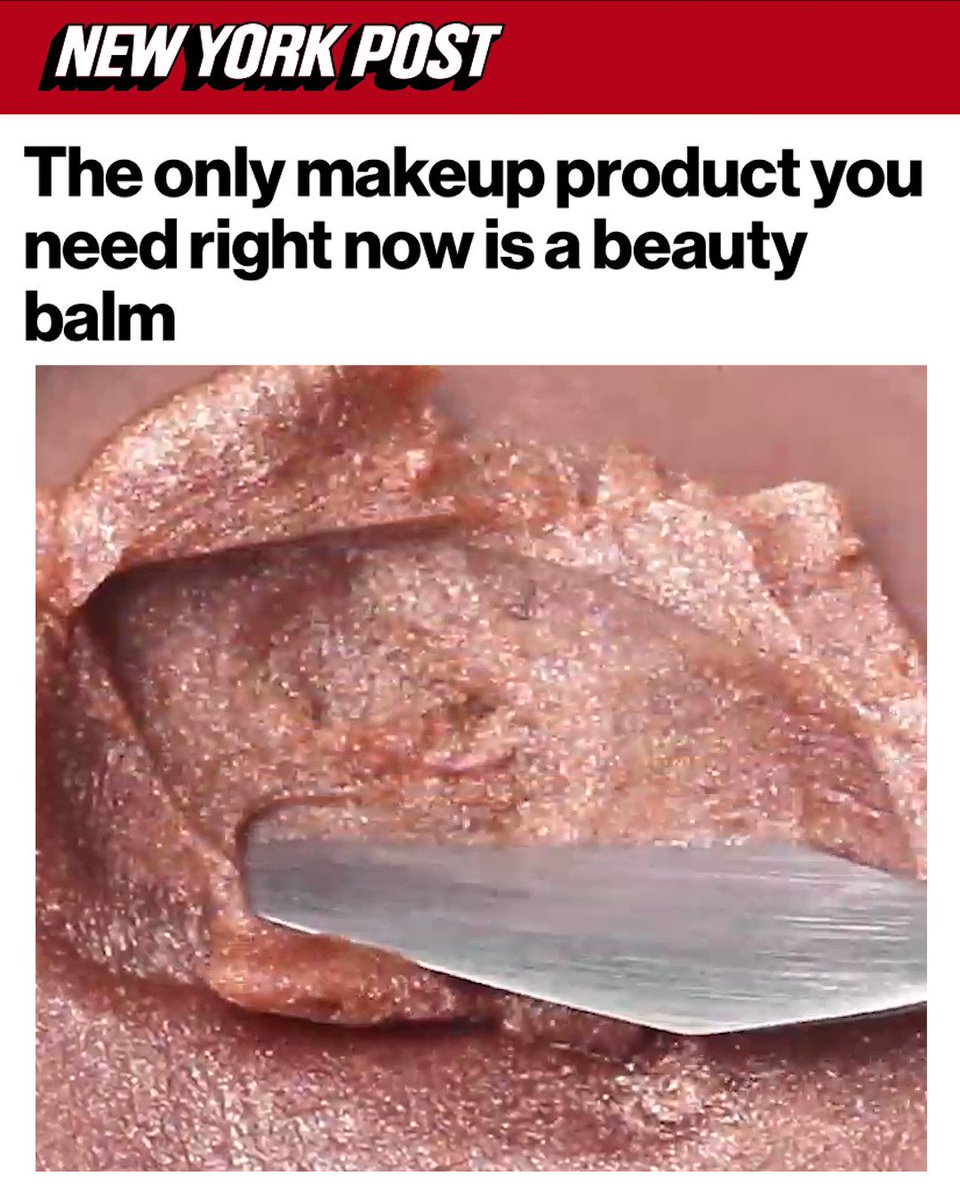
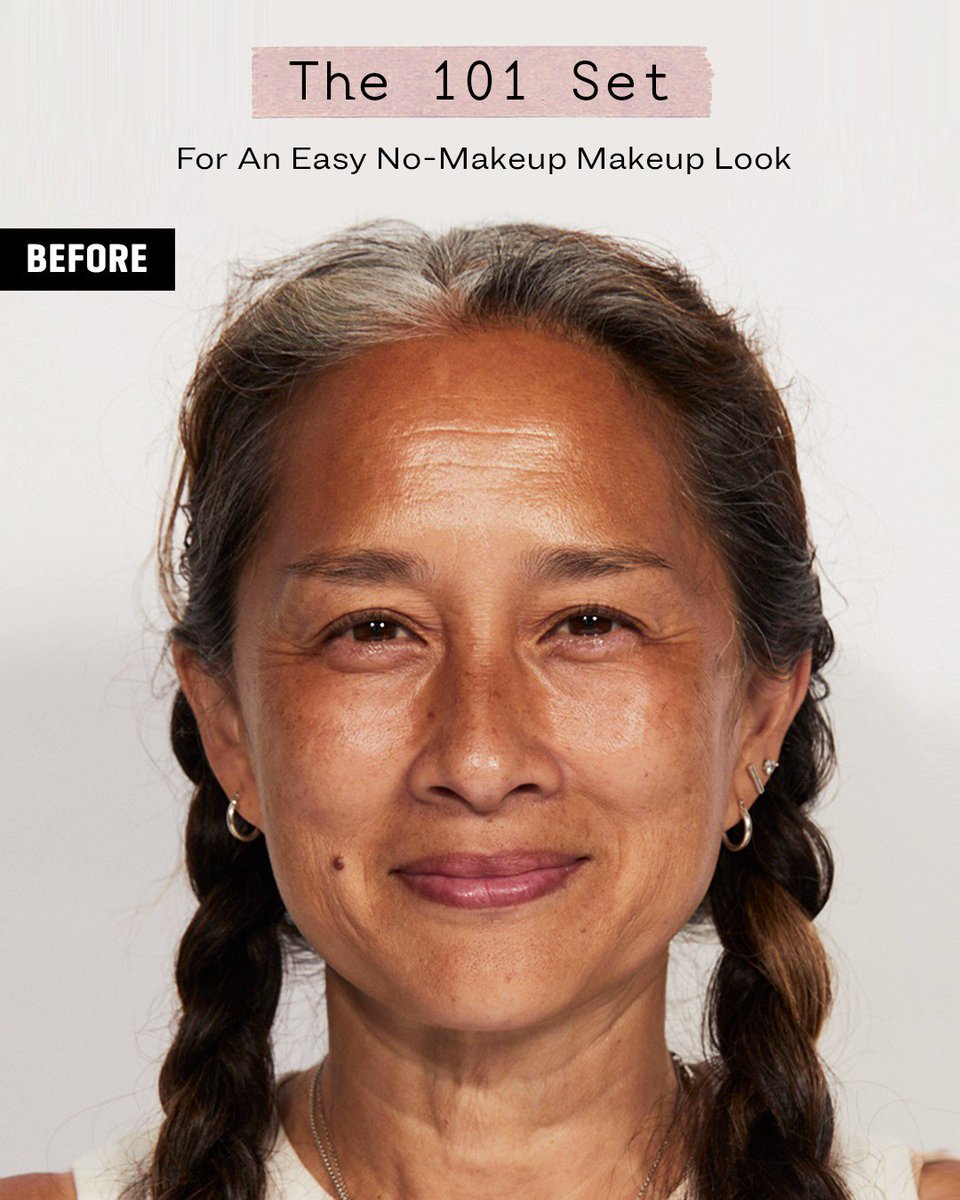
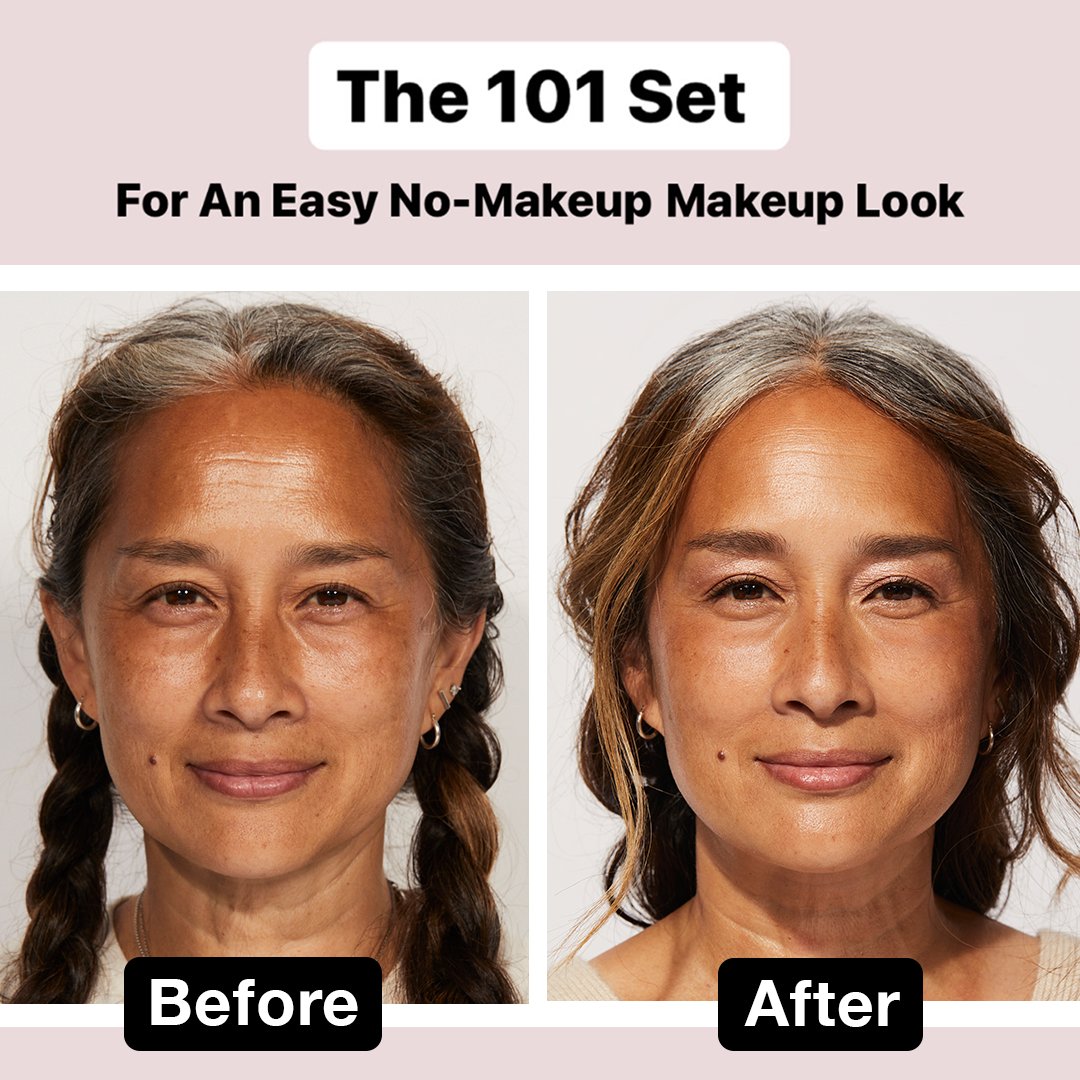
5. Scrolling through IG, I saw this post we put up. I figured our designer got the idea from the NY Post ad. I had an idea and figured let's give it a shot. CTR has been nearly a 3% and CVR and AOV are excellent. In fact...
6. ...It's become our top spending and most efficient retargeting ad this month. Why? Well we're actually running the traffic to the article, which is a lot more engaging and "funnel appropriate" for someone browsing FB in consumption mode, not buy mode...
7. ...Then, the article engages and provides enough social proof to buy. By the time they get there, they're so sold that they buy more than if they just went to a pdp.
8. Now for our last test, we ran a founder application/tutorial. This ad has nearly a 2% CTR, but it has an insane avg watch time of 11 seconds, so we're rewarded with lower CPMs. The result is our best ad by far since this iOS thing and an in platform ROAS of over...
9. ...2.0 across our account at the moment. Here's the ad... The interesting thing is we're testing it from our page and her personal page, and her personal page is performing 20% better across all metrics. Crazy, right?
10... BTW, that founder is my mom. She's mad at me because I didn't get this ad of her approved, but I told her it's doing so well that I won't take it down now even if she hates how it looks. Love you mom.
11. My takeaways are:

1. Take big risks when testing. New offers and drastically different creative concepts might be what's needed right now.

2. Do more whitelisting. Like today.

3. Run traffic to different types of pages that engage the prospect where they're at.
12. Here's my master plan based off these learnings:

TOF - Whitelisted education style ads from Founder page leading to an advertorial style LP written for this purpose. LP will lead to custom bundle, or quiz.

MOF /BOF- Whitelisted influencer tutorial/reviews for social proof
13. If you enjoyed this, I have nothing to sell. Just trying to share what's working for us in the hopes it helps someone out there. Feel free to connect and provide any feedback or ask any questions.

More from All

How can we use language supervision to learn better visual representations for robotics?

Introducing Voltron: Language-Driven Representation Learning for Robotics!

Paper: https://t.co/gIsRPtSjKz
Models: https://t.co/NOB3cpATYG
Evaluation: https://t.co/aOzQu95J8z

🧵👇(1 / 12)


Videos of humans performing everyday tasks (Something-Something-v2, Ego4D) offer a rich and diverse resource for learning representations for robotic manipulation.

Yet, an underused part of these datasets are the rich, natural language annotations accompanying each video. (2/12)

The Voltron framework offers a simple way to use language supervision to shape representation learning, building off of prior work in representations for robotics like MVP (
https://t.co/Pb0mk9hb4i) and R3M (https://t.co/o2Fkc3fP0e).

The secret is *balance* (3/12)

Starting with a masked autoencoder over frames from these video clips, make a choice:

1) Condition on language and improve our ability to reconstruct the scene.

2) Generate language given the visual representation and improve our ability to describe what's happening. (4/12)

By trading off *conditioning* and *generation* we show that we can learn 1) better representations than prior methods, and 2) explicitly shape the balance of low and high-level features captured.

Why is the ability to shape this balance important? (5/12)

You May Also Like