
“Presently, he (Savarkar) commenced to hum a song. He sang as he composed.
On 29 July, 1909, #VeerSavarkar went to Brighton, UK. He remained there for about 10-12 days. His associate Niranjan Pal would visit him and they used to roam on the shores of Brighton.
On one such occasion both of them were sitting on the seashore.
#Thread

“Presently, he (Savarkar) commenced to hum a song. He sang as he composed.
pitiable serfdom of India. Forgetful of all else, Savarkar went on singing. Presently, tears began to roll down his cheeks. His voice became choked. The song remained unfinished, Savarkar began to weep like a child.”
#VeerSavarkarJayanti

I had always seen you,
Washing the feet of my motherland.
You led me to a different country,
To experience the diversity of nature there.
Knowing that my mother’s heart was full of anguish,
I was reassured.
I believed that my experience of the world,
Would help me to serve her better.
Saying that I would return soon,
I took leave of her.
Oh, Ocean, I am now pining for my motherland
The promise you made was deceptive!
I cannot suffer the separation anymore,
Darkness envelops me everywhere.
I had accumulated flowers of virtues,
In the hope that my mother will be rendered fragrant with their smell.
If my mother cannot prosper from it?
I miss the love of the mango tree, the flowers in my garden back home the blossoming creepers and the blooming rose… I feel desolate…
More from All












APIs in general are so powerful.
Best 5 public APIs you can use to build your next project:
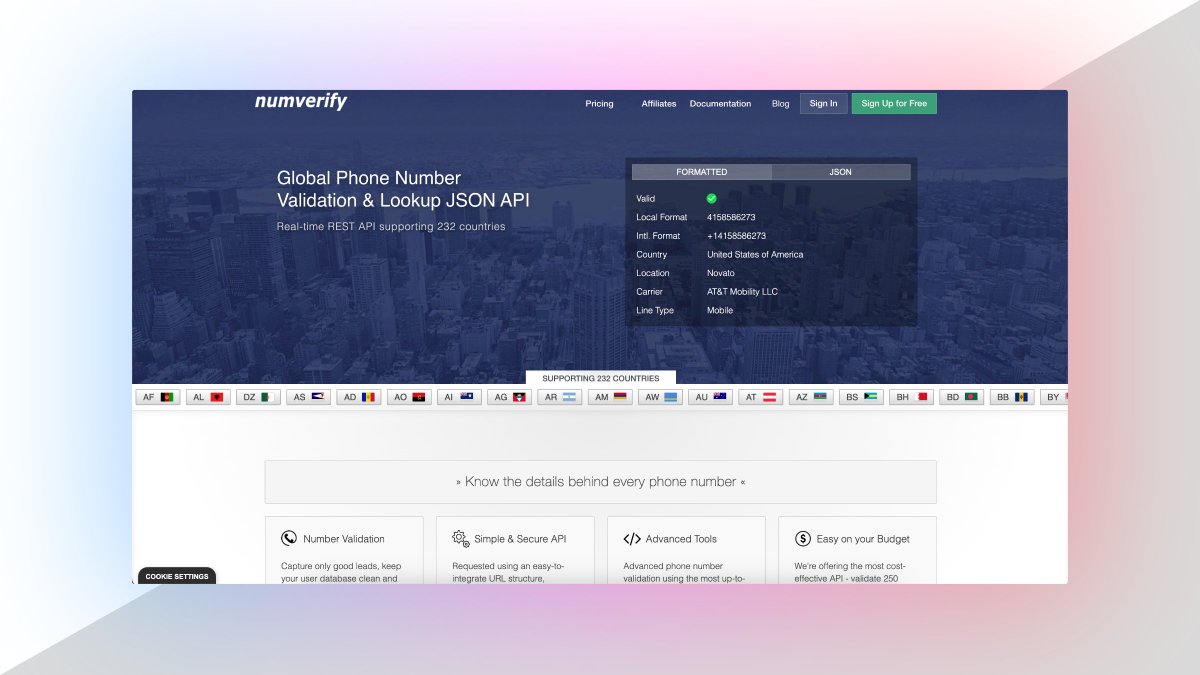
1. Number Verification API
A RESTful JSON API for national and international phone number validation.
🔗 https://t.co/fzBmCMFdIj
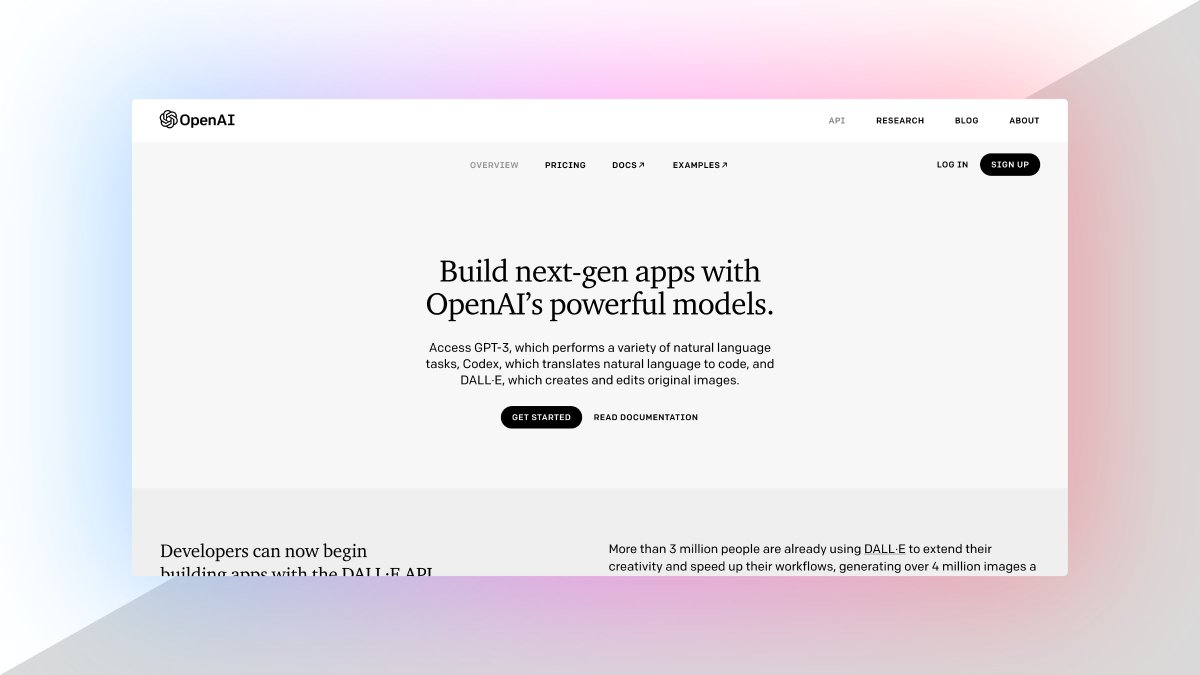
2. OpenAI API
ChatGPT is an outstanding tool. Build your own API applications with OpenAI API.
🔗 https://t.co/TVnTciMpML
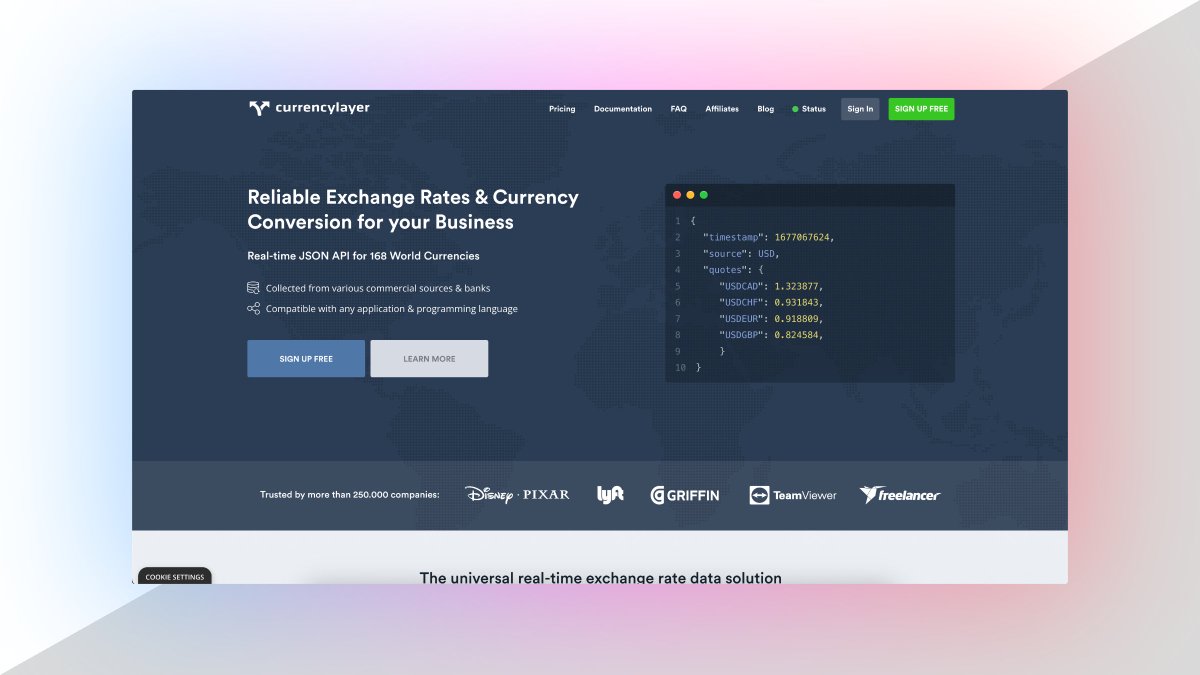
3. Currency Data API
Currency Data API provides a simple REST API with real-time and historical exchange rates for 168 world currencies
🔗 https://t.co/TRj35IUUec
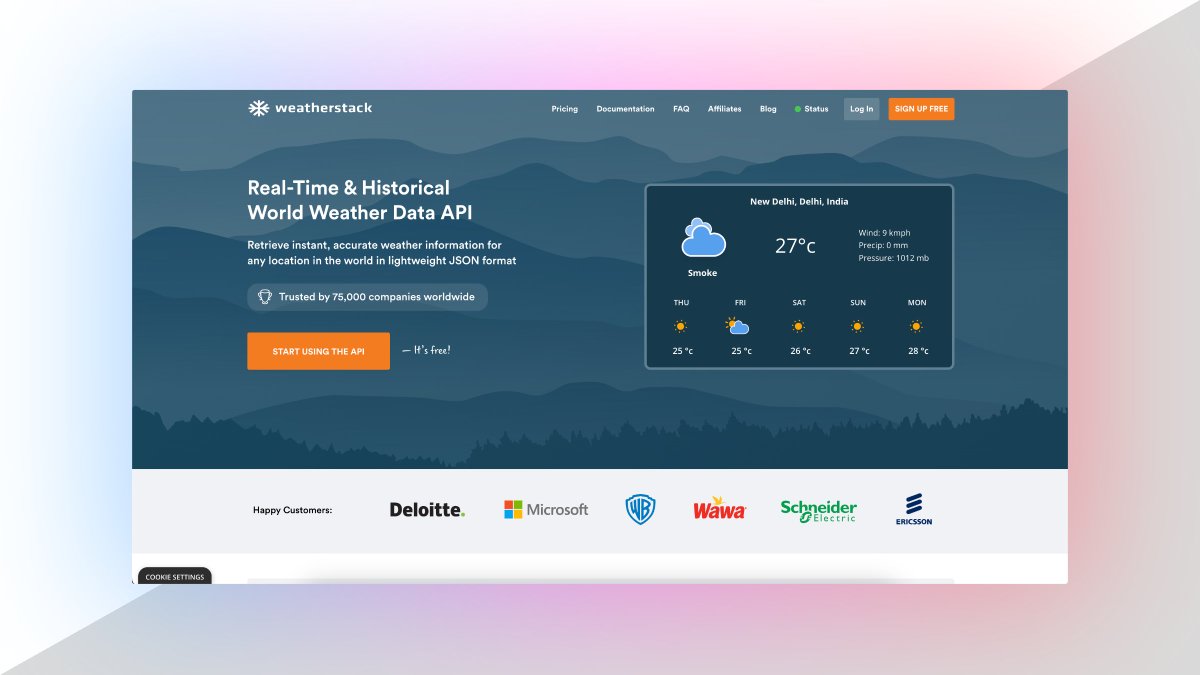
4. Weather API
Real-Time & historical world weather data API.
Retrieve instant, accurate weather information for
any location in the world in lightweight JSON format.
🔗 https://t.co/DCY8kXqVIK
Best 5 public APIs you can use to build your next project:
1. Number Verification API
A RESTful JSON API for national and international phone number validation.
🔗 https://t.co/fzBmCMFdIj
2. OpenAI API
ChatGPT is an outstanding tool. Build your own API applications with OpenAI API.
🔗 https://t.co/TVnTciMpML
3. Currency Data API
Currency Data API provides a simple REST API with real-time and historical exchange rates for 168 world currencies
🔗 https://t.co/TRj35IUUec
4. Weather API
Real-Time & historical world weather data API.
Retrieve instant, accurate weather information for
any location in the world in lightweight JSON format.
🔗 https://t.co/DCY8kXqVIK
You May Also Like





I just finished Eric Adler's The Battle of the Classics, and wanted to say something about Joel Christiansen's review linked below. I am not sure what motivates the review (I speculate a bit below), but it gives a very misleading impression of the book. 1/x
The meat of the criticism is that the history Adler gives is insufficiently critical. Adler describes a few figures who had a great influence on how the modern US university was formed. It's certainly critical: it focuses on the social Darwinism of these figures. 2/x
Other insinuations and suggestions in the review seem wildly off the mark, distorted, or inappropriate-- for example, that the book is clickbaity (it is scholarly) or conservative (hardly) or connected to the events at the Capitol (give me a break). 3/x
The core question: in what sense is classics inherently racist? Classics is old. On Adler's account, it begins in ancient Rome and is revived in the Renaissance. Slavery (Christiansen's primary concern) is also very old. Let's say classics is an education for slaveowners. 4/x
It's worth remembering that literacy itself is elite throughout most of this history. Literacy is, then, also the education of slaveowners. We can honor oral and musical traditions without denying that literacy is, generally, good. 5/x
As someone\u2019s who\u2019s read the book, this review strikes me as tremendously unfair. It mostly faults Adler for not writing the book the reviewer wishes he had! https://t.co/pqpt5Ziivj
— Teresa M. Bejan (@tmbejan) January 12, 2021
The meat of the criticism is that the history Adler gives is insufficiently critical. Adler describes a few figures who had a great influence on how the modern US university was formed. It's certainly critical: it focuses on the social Darwinism of these figures. 2/x
Other insinuations and suggestions in the review seem wildly off the mark, distorted, or inappropriate-- for example, that the book is clickbaity (it is scholarly) or conservative (hardly) or connected to the events at the Capitol (give me a break). 3/x
The core question: in what sense is classics inherently racist? Classics is old. On Adler's account, it begins in ancient Rome and is revived in the Renaissance. Slavery (Christiansen's primary concern) is also very old. Let's say classics is an education for slaveowners. 4/x
It's worth remembering that literacy itself is elite throughout most of this history. Literacy is, then, also the education of slaveowners. We can honor oral and musical traditions without denying that literacy is, generally, good. 5/x

Recently, the @CNIL issued a decision regarding the GDPR compliance of an unknown French adtech company named "Vectaury". It may seem like small fry, but the decision has potential wide-ranging impacts for Google, the IAB framework, and today's adtech. It's thread time! 👇
It's all in French, but if you're up for it you can read:
• Their blog post (lacks the most interesting details): https://t.co/PHkDcOT1hy
• Their high-level legal decision: https://t.co/hwpiEvjodt
• The full notification: https://t.co/QQB7rfynha
I've read it so you needn't!
Vectaury was collecting geolocation data in order to create profiles (eg. people who often go to this or that type of shop) so as to power ad targeting. They operate through embedded SDKs and ad bidding, making them invisible to users.
The @CNIL notes that profiling based off of geolocation presents particular risks since it reveals people's movements and habits. As risky, the processing requires consent — this will be the heart of their assessment.
Interesting point: they justify the decision in part because of how many people COULD be targeted in this way (rather than how many have — though they note that too). Because it's on a phone, and many have phones, it is considered large-scale processing no matter what.