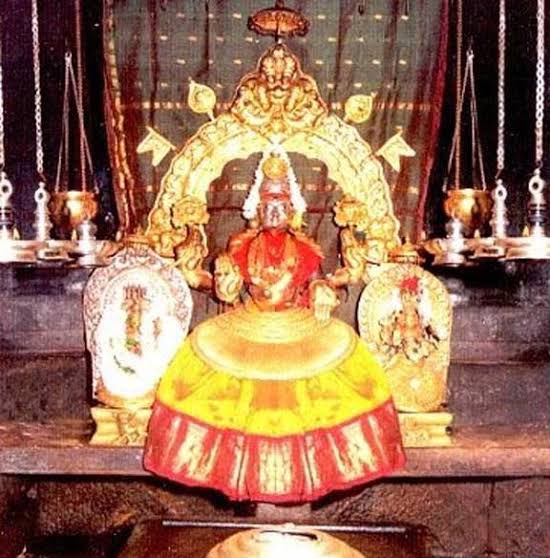
MURUDESHWARA SHIVA,
BHATKAL TALUKA, UTTAR KANNADA (KAR)
Murudeshwara is another name for Shiva.
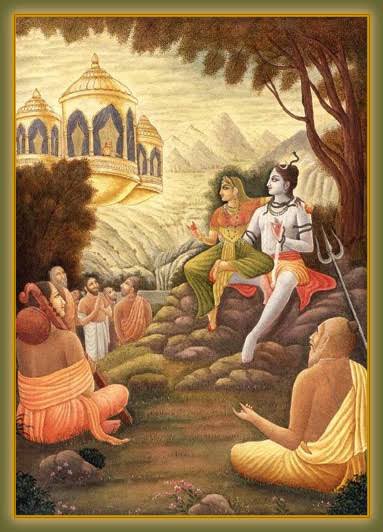
Once, Ravana prayed to Shiva to get his powerful Atmalinga.
Pleased by his tapas, Shiva gave him Atmalinga but warned him not to place it on the ground before reaching destination.
To prevent Ravana from becoming all powerful, Sri Vishnu covered the Sun with his chakra.
As Ravana always did Sandhya prayers, he needed to put the Atmalinga down.
Sri Ganesh appeared as a child and agreed to hold the Atmalinga for Ravana.
However, Ganesha put down the linga before Ravana’s return and Sri Vishnu also uncovered the Sun.
Furious Ravana tried to lift the linga but failed.
It’s shape now looked like a cow’s ear.
This place is known as Gokarna (Go means Cow and karna means Ear in sanskrit).
The case of linga fell 23 miles away at Sajjeshwar.
He threw the lid to the south 27 miles away at Guneshwara in the form of “Vamdev Linga”.
The thread winding the linga was flung to south at Dhareshwara and it came to be known as “Tathpurusha Linga”.
The cloth wrapped on the linga fell at Kanduka hills and took the form of Aghora at Murudeshwar.
The word Mrida comes from trampling of cloth and also means happiness.
So Murudeshwara is the Ishwara of happiness.
Praying to Shiva at these Panchkshtras frees one from all sins.