Alex1Powell Categories Economy
7 days
30 days
All time
Recent
Popular

Thread on eminent people supporting farm laws:
Dr. Gita Gopinath, Chief Economist at IMF says "Farm bills are in right
Dr. Surjit Bhalla, executive director at IMF support farm
Godrej Agrovet Chairman Nadir Godrej tells Bloomberg that agriculture reforms are important for
Prof Ashok Gulati supports new farm
Vice-Chairman of Bharti Enterprises Rajan Bharti Mittal supports the new farm
Dr. Gita Gopinath, Chief Economist at IMF says "Farm bills are in right
Dr. Surjit Bhalla, executive director at IMF support farm
Godrej Agrovet Chairman Nadir Godrej tells Bloomberg that agriculture reforms are important for
Godrej Agrovet Chairman Nadir Godrej tells Bloomberg that agriculture reforms are important for India. pic.twitter.com/N6rnelLn0E
— BloombergQuint (@BloombergQuint) December 11, 2020
Prof Ashok Gulati supports new farm
Vice-Chairman of Bharti Enterprises Rajan Bharti Mittal supports the new farm







November Jobs Report Thread
There is both good news and bad news buried in the report.
Most often, too much attention is paid to the headline month on month numbers.
1)
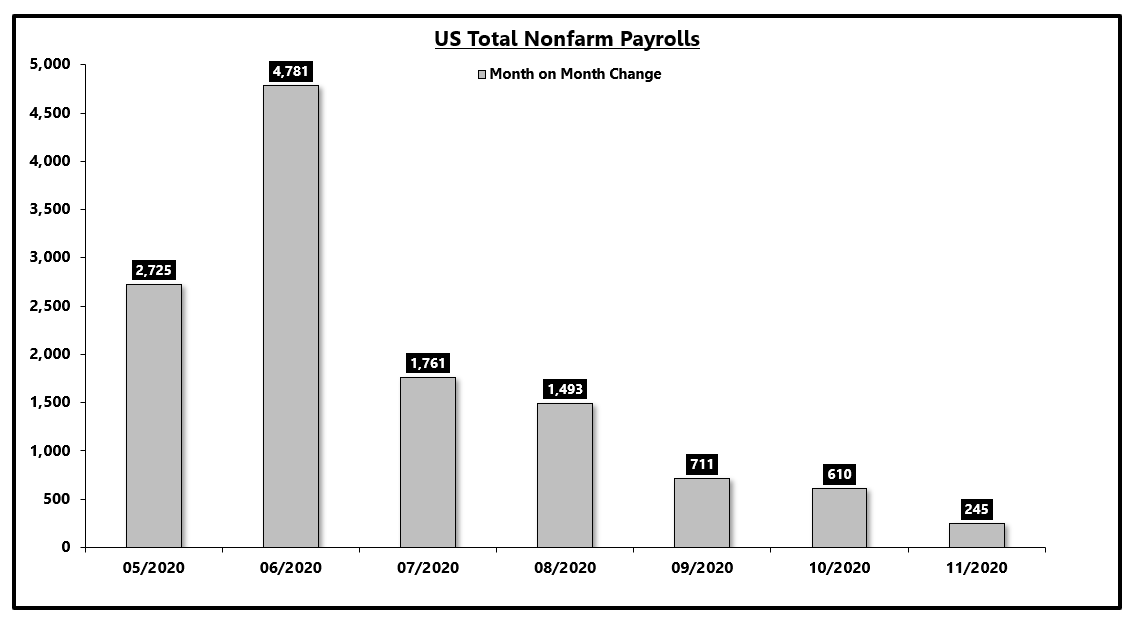
2) In year over year terms, total nonfarm payrolls did not increase for the first time since the pandemic. Generally, this is a negative.

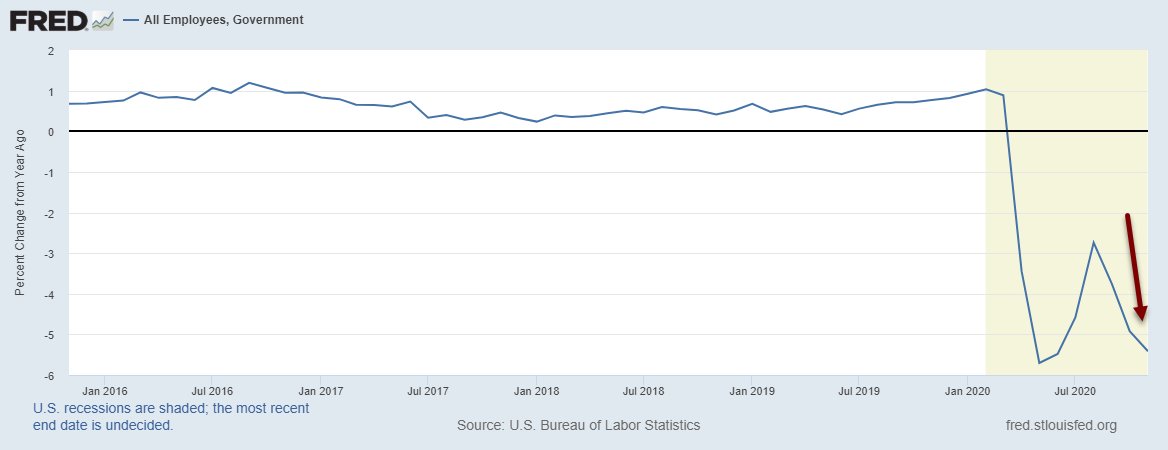
3) Under the hood, most of the decline was in the government sector so it makes more sense to look at private payrolls in this context.
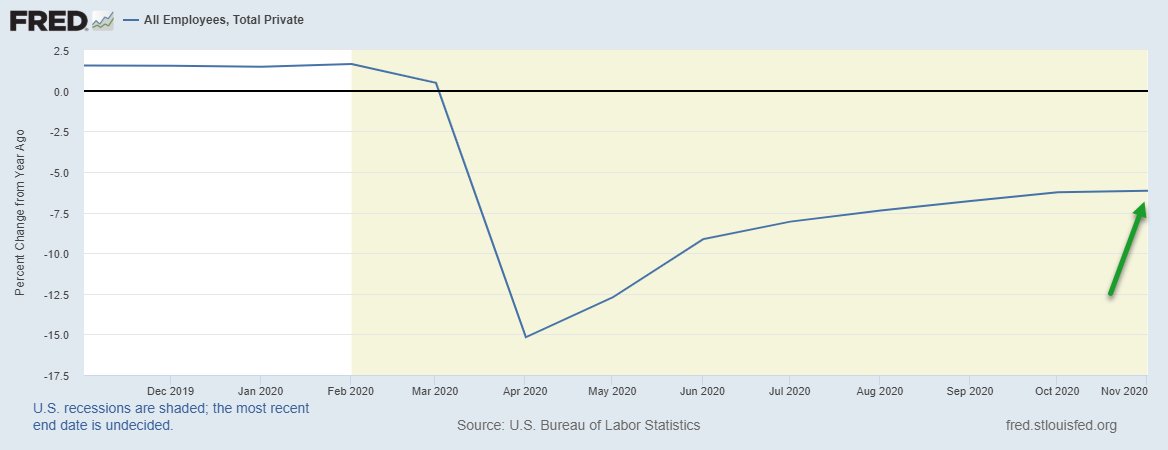
4) Private payroll growth continues to increase but the gains are clearly slowing down - this is to be expected.
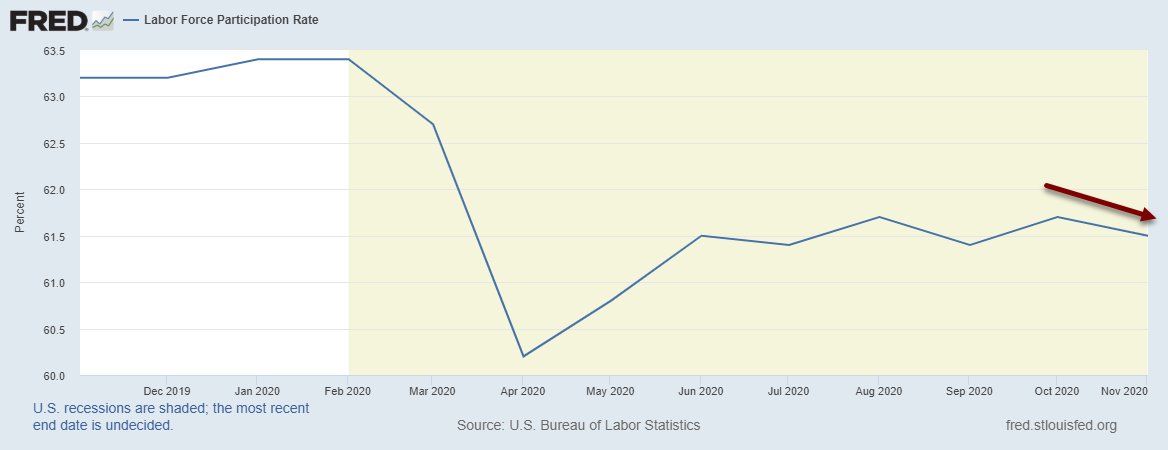
5) The troubling part of the report was the labor force participation rate which remains stubbornly low.
As @R_Perli highlighted, if the LFPR does not increase back to pre-COVID levels, we're going to struggle with weaker trend potential growth.
https://t.co/zw7fCZ2gfY
There is both good news and bad news buried in the report.
Most often, too much attention is paid to the headline month on month numbers.
1)
2) In year over year terms, total nonfarm payrolls did not increase for the first time since the pandemic. Generally, this is a negative.
3) Under the hood, most of the decline was in the government sector so it makes more sense to look at private payrolls in this context.
4) Private payroll growth continues to increase but the gains are clearly slowing down - this is to be expected.
5) The troubling part of the report was the labor force participation rate which remains stubbornly low.
As @R_Perli highlighted, if the LFPR does not increase back to pre-COVID levels, we're going to struggle with weaker trend potential growth.
https://t.co/zw7fCZ2gfY
The worst part of the employment report is the stall in the labor force participation rate (-0.2% today and about 2% lower than pre-#COVID19).
— Roberto Perli (@R_Perli) December 4, 2020
The longer participation stays depressed, the harder it will be to bring those workers back, and the lower potential growth will be. pic.twitter.com/7u966oxBME


EVs DO NOT EMIT MORE PM
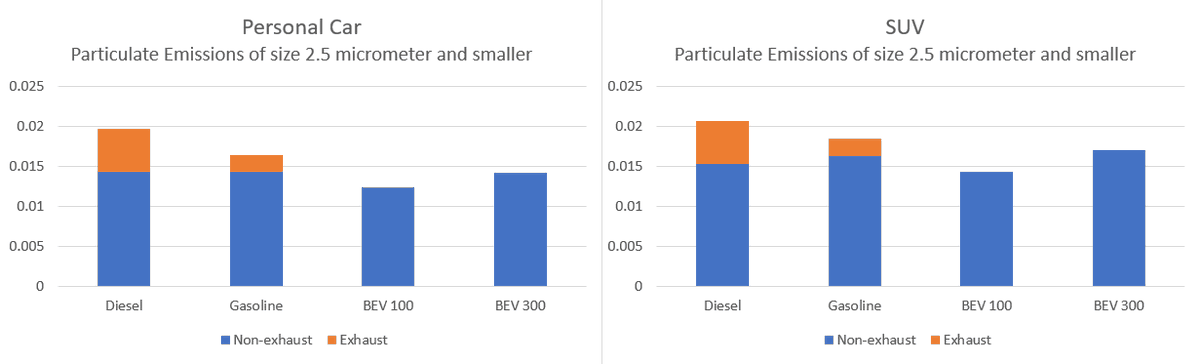
Recently @OECD published a report about particulate matter (PM) from road transport. Newspaper headlines blared that electric vehicles where worse than combustion vehicles. That conclusion was wrong according to the report itself.
Let me show you.
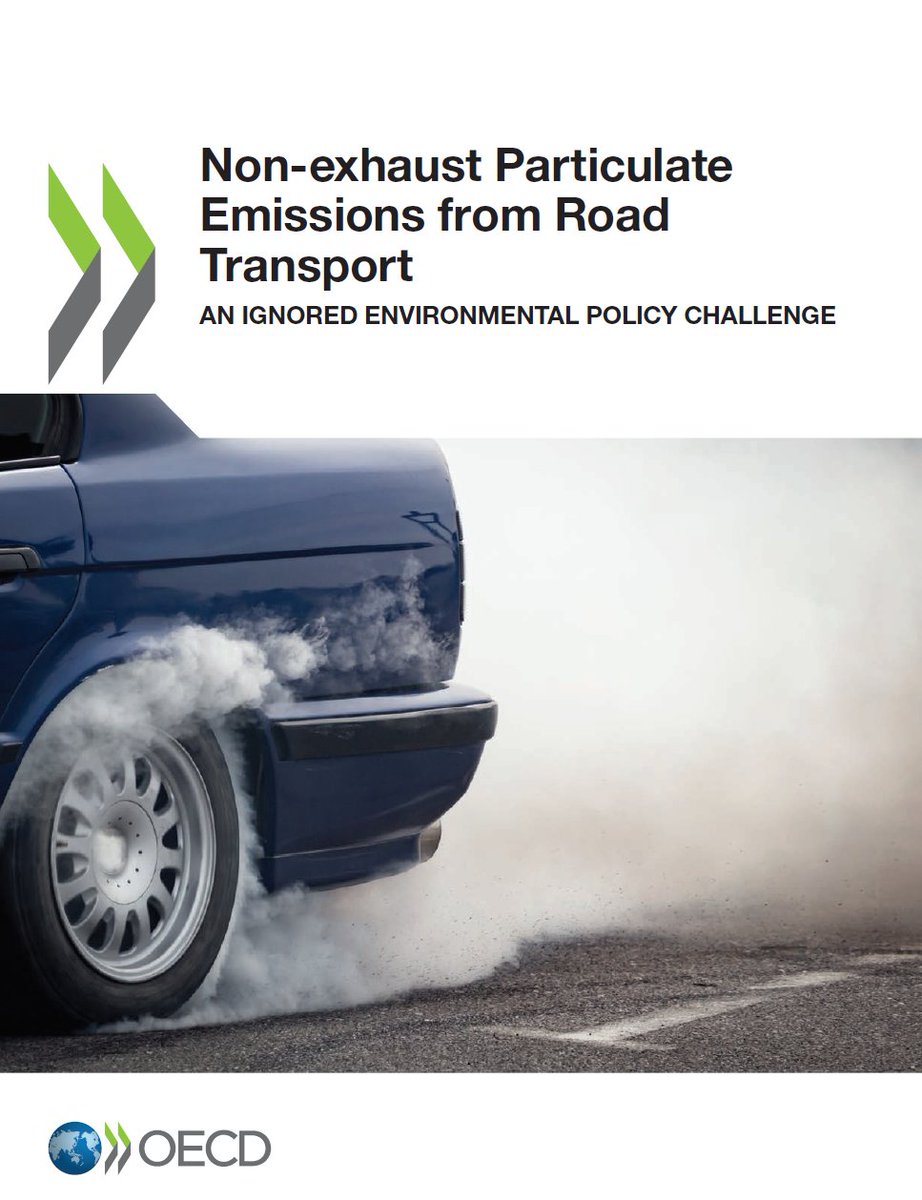
The report (published december 7) can be found here: https://t.co/1HpicKexOt
It's main point is well taken: as cars get cleaner, fine particles emitted by brakes, tires and road surfaces will become more important.
The table comparing electric and combustion engines is on page 92. I took averages of low and high values to get the graph in the first tweet.
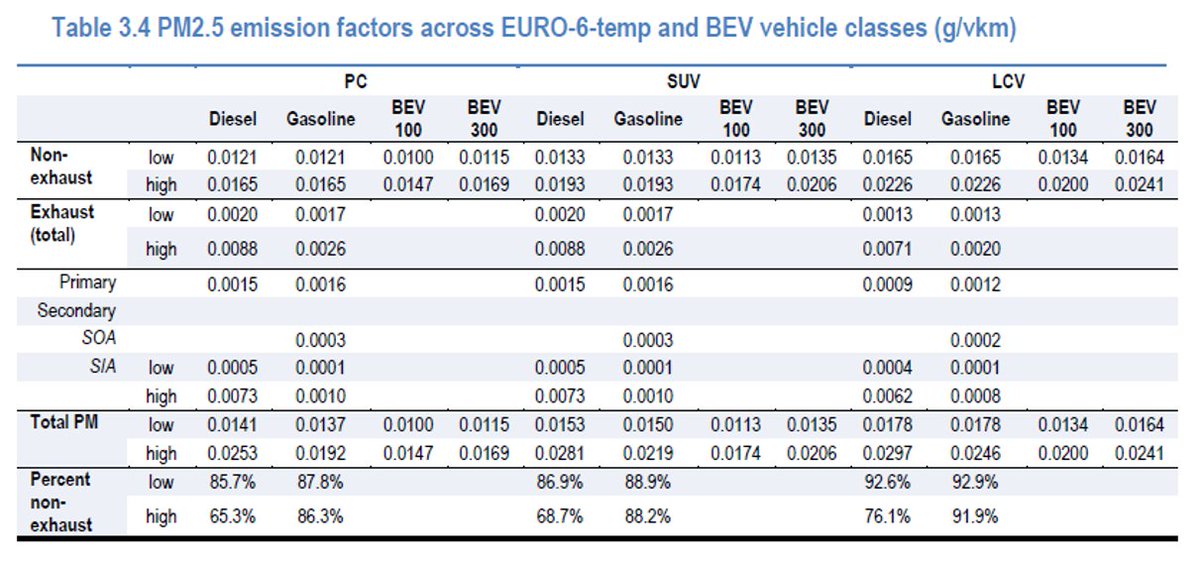
I merely took the averages. To get this.
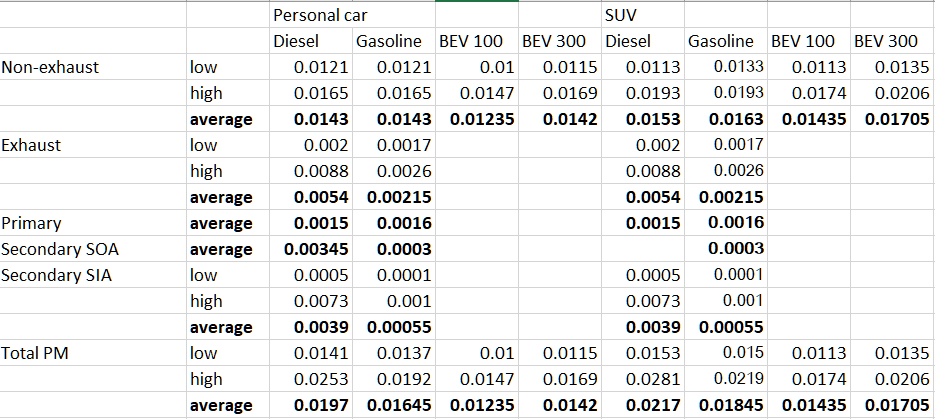
I think it is a terrific report that pulls together a LOT of literature on fine particles that cars spew into the air and that make us sick.
We have ignored this problem for too long, and there's more here than simply exhaust!
Recently @OECD published a report about particulate matter (PM) from road transport. Newspaper headlines blared that electric vehicles where worse than combustion vehicles. That conclusion was wrong according to the report itself.
Let me show you.
The report (published december 7) can be found here: https://t.co/1HpicKexOt
It's main point is well taken: as cars get cleaner, fine particles emitted by brakes, tires and road surfaces will become more important.
The table comparing electric and combustion engines is on page 92. I took averages of low and high values to get the graph in the first tweet.
I merely took the averages. To get this.
I think it is a terrific report that pulls together a LOT of literature on fine particles that cars spew into the air and that make us sick.
We have ignored this problem for too long, and there's more here than simply exhaust!


China's Ultra-High Voltage Lines - Thread
1/14
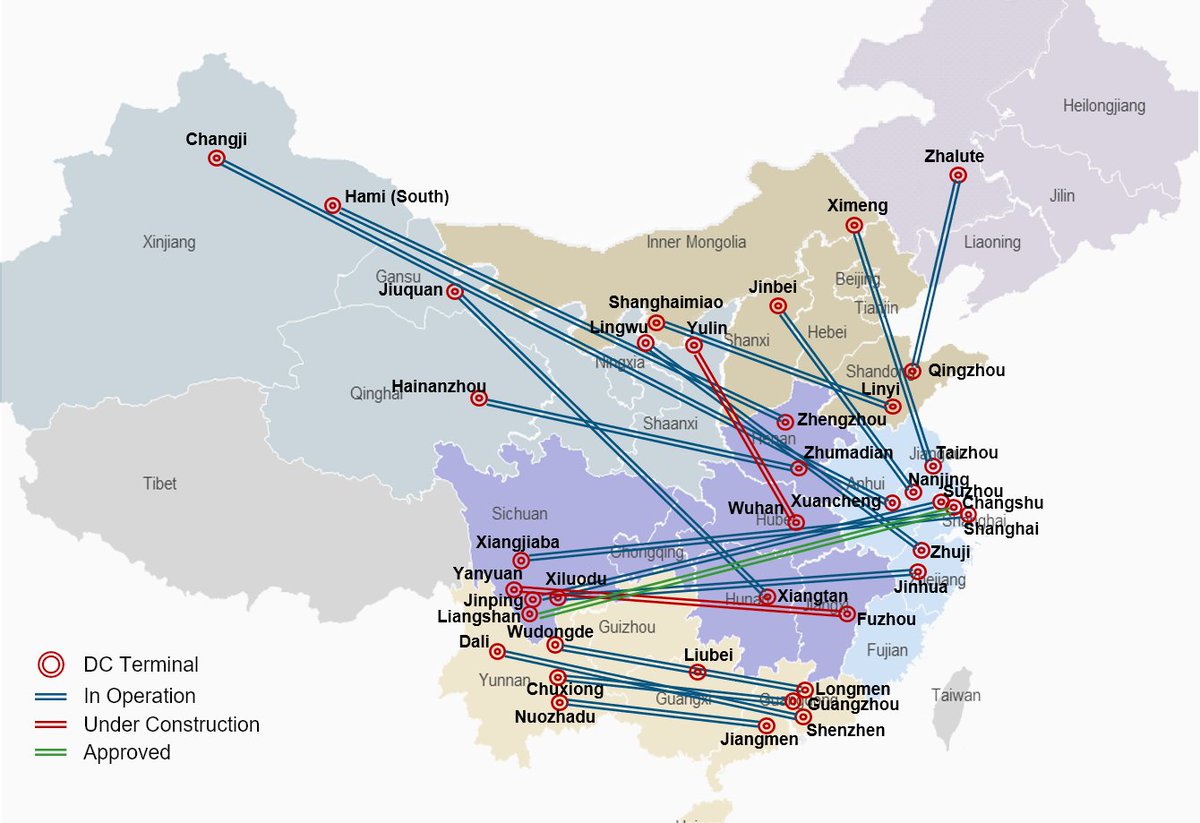
China is building the world's most advanced UHV grid right now.
UHV lines are good for carrying power over long distances. The high voltage level reduces line loss. But they are very expensive to build.
China's UHVDC Network now:
2/14
In the rest of the world, UHV lines have generally been used sparingly. Submarine power cables (e.g. connecting UK to mainland Europe) and some huge hydropower projects in Quebec are some notable exceptions.
China is building UHV lines on a scale never seen before.
3/14
So why is China different? Geography plays a huge role. China's load centers are in the coastal East and South, while the best wind, solar, and hydro resources are in the North, Northwest, and Southwest. Power (esp. RE) is being generated far from where it's needed most.
4/14
In the past, poor regional interconnectivity has been a big contributor to low offtake levels of renewable energy. Of course a glut of coal power also played a role. Curtailment has improved in recent yrs tho. I discussed regional grids before:
5/14
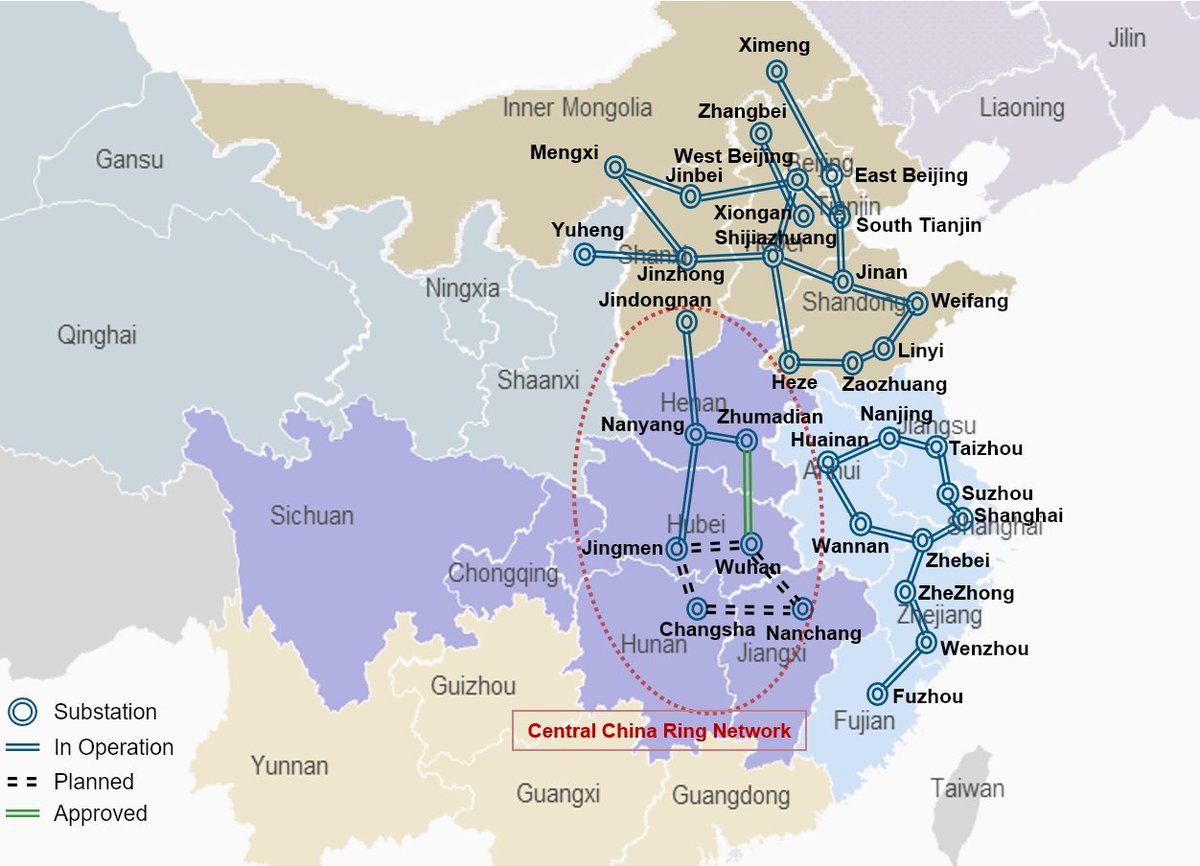
UHV lines provide a inter-region backbone to transport power hundreds or thousands of km across the country. The UHVDC lines are used for the longest distances, while UHVAC lines are used for shorter distances, often within the same regional grid.
China's UHVAC lines now:
1/14
China is building the world's most advanced UHV grid right now.
UHV lines are good for carrying power over long distances. The high voltage level reduces line loss. But they are very expensive to build.
China's UHVDC Network now:
2/14
In the rest of the world, UHV lines have generally been used sparingly. Submarine power cables (e.g. connecting UK to mainland Europe) and some huge hydropower projects in Quebec are some notable exceptions.
China is building UHV lines on a scale never seen before.
3/14
So why is China different? Geography plays a huge role. China's load centers are in the coastal East and South, while the best wind, solar, and hydro resources are in the North, Northwest, and Southwest. Power (esp. RE) is being generated far from where it's needed most.
4/14
In the past, poor regional interconnectivity has been a big contributor to low offtake levels of renewable energy. Of course a glut of coal power also played a role. Curtailment has improved in recent yrs tho. I discussed regional grids before:
China Power Sector For Dummies- Part 1: Grids and Dispatch - Getting Smarter
— David F. (@pretentiouswhat) August 18, 2020
1/10
First, Chinese doesn't have a national grid, at least not in the way that small countries do. There are 6 regional grids (N, NE, NW, E, C, S). State Grid runs 5 of them and Southern Grid runs 1.
5/14
UHV lines provide a inter-region backbone to transport power hundreds or thousands of km across the country. The UHVDC lines are used for the longest distances, while UHVAC lines are used for shorter distances, often within the same regional grid.
China's UHVAC lines now:


