4. With pictures of the CPC's Deputy Leader wearing a camou MAGA hat circulating, Michelle Rempel expresses outrage that Candice Bergen getting more attention than she is.
What I learnt on the Twitter this week:
1. Well I know I learnt a lot more on Twitter this week than Trump did.
2. After Covid numbers skyrocket in Ontario for past four months, Doug Ford says the data modelling suggests he might have to stop his cross-province campaigning soon.
4. With pictures of the CPC's Deputy Leader wearing a camou MAGA hat circulating, Michelle Rempel expresses outrage that Candice Bergen getting more attention than she is.
6. Jason Kenney says he knows he's failed Albertans and that's why he moved up to the Sky Palace to help him see things from the everyday people's perspective.
8. Blogger Karen Bexte travels to DC for insurrection, asks to speak to Canada's manager after he's asked to take a Covid test.
10. After being shut down on every major social media platform, Trump seen at Radio Shack haggling over a CB radio.
13. Ford's Covid Command Table medical expert Dr. Tom Stewart says email about no personal travel during a pandemic went to his spam folder.
15. UCP MLA Devin Dreeshen blocks half of Canada on Twitter. Nine people have ever heard him.
17. Poilievre gets Grade 4 math wrong. Again.
19. Doug says everything's on the table. Except any actual plan of action. Or expertise.
20. Hundreds die at Ontario LTCs. Trudeau to blame. Somehow.
22. Ford says new data modelling is terrifying. Asks Ontarians if they think the data modelling is behind Door #1, #2 or #3?
24. Doug announces on Friday that Ontario is doomed. Says he'll expand on that sometime next week.
Many were seen later in the parking lot yelling "Start the car! Start the car!"
Then I remind myself how frontline healthcare workers must feel these days.
Anyway, be sure you all get outside for at least a good long walk this weekend. It does the spirit good.
https://t.co/SxJ49dBAwI
More from Twitter


So regarding to my "bombshell"...it's perhaps a bit less dramatic than many presumed, yet it still troubles me a lot, to the point that I wondered whether I should stop posting on certain things
You see, I realized in the last few months that, by translating information and news related to one of the fastest growing spaceflight powers of the world...I inadvertently became a spreader of PRC propaganda.
And with me exactly 180 degrees away from them, I feel scared.
It actually started a few years ago - it's not hard to meet Chinese Twitter users interested in spaceflight, either those living overseas or find a way to climb over the wall. Not surprisingly, many of these S/F enthusiasts are interested in their own military too.
This steadily grew with my followers' count until the flagship Chinese spaceflight missions of 2020 (Chang'e 5 especially but also many others) brought in dozens of them liking/re-tweeting my info tweets sometimes, and similar no. of such followers every month.
I do casually check these new followers/users sometimes. To my horror, far too many of them routinely insults, attacks, mocks others who they see as "anti-China" or spread potential mis-information, even blatant attacks, that started off w/ their state media/spokesperson.
I'm going to make a bomb shell statement here around the turn of the year, something so risky that I face prospects of the Twitter account being attacked or even banned.
— Cosmic Penguin (@Cosmic_Penguin) December 31, 2020
It's about my very uneasy Twitter experience over the past 2-6 months, the worst I could ever remember.
You see, I realized in the last few months that, by translating information and news related to one of the fastest growing spaceflight powers of the world...I inadvertently became a spreader of PRC propaganda.
And with me exactly 180 degrees away from them, I feel scared.
It actually started a few years ago - it's not hard to meet Chinese Twitter users interested in spaceflight, either those living overseas or find a way to climb over the wall. Not surprisingly, many of these S/F enthusiasts are interested in their own military too.
This steadily grew with my followers' count until the flagship Chinese spaceflight missions of 2020 (Chang'e 5 especially but also many others) brought in dozens of them liking/re-tweeting my info tweets sometimes, and similar no. of such followers every month.
I do casually check these new followers/users sometimes. To my horror, far too many of them routinely insults, attacks, mocks others who they see as "anti-China" or spread potential mis-information, even blatant attacks, that started off w/ their state media/spokesperson.


You May Also Like

✨📱 iOS 12.1 📱✨
🗓 Release date: October 30, 2018
📝 New Emojis: 158
https://t.co/bx8XjhiCiB
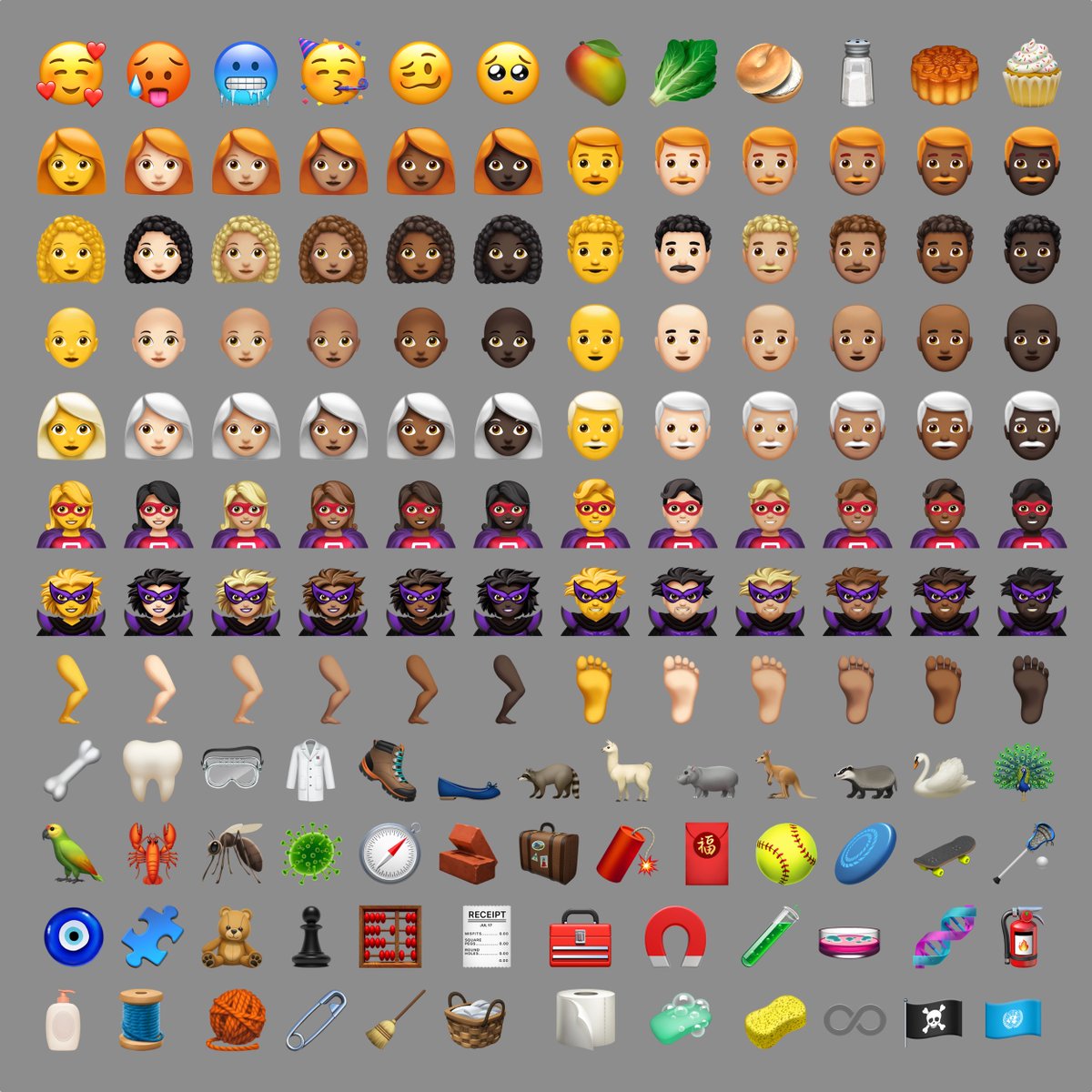
New in iOS 12.1: 🥰 Smiling Face With 3 Hearts https://t.co/6eajdvueip

New in iOS 12.1: 🥵 Hot Face https://t.co/jhTv1elltB

New in iOS 12.1: 🥶 Cold Face https://t.co/EIjyl6yZrF
New in iOS 12.1: 🥳 Partying Face https://t.co/p8FDNEQ3LJ

🗓 Release date: October 30, 2018
📝 New Emojis: 158
https://t.co/bx8XjhiCiB
New in iOS 12.1: 🥰 Smiling Face With 3 Hearts https://t.co/6eajdvueip
New in iOS 12.1: 🥵 Hot Face https://t.co/jhTv1elltB
New in iOS 12.1: 🥶 Cold Face https://t.co/EIjyl6yZrF
New in iOS 12.1: 🥳 Partying Face https://t.co/p8FDNEQ3LJ

And here they are...
THE WINNERS OF THE 24 HOUR STARTUP CHALLENGE
Remember, this money is just fun. If you launched a product (or even attempted a launch) - you did something worth MUCH more than $1,000.
#24hrstartup
The winners 👇
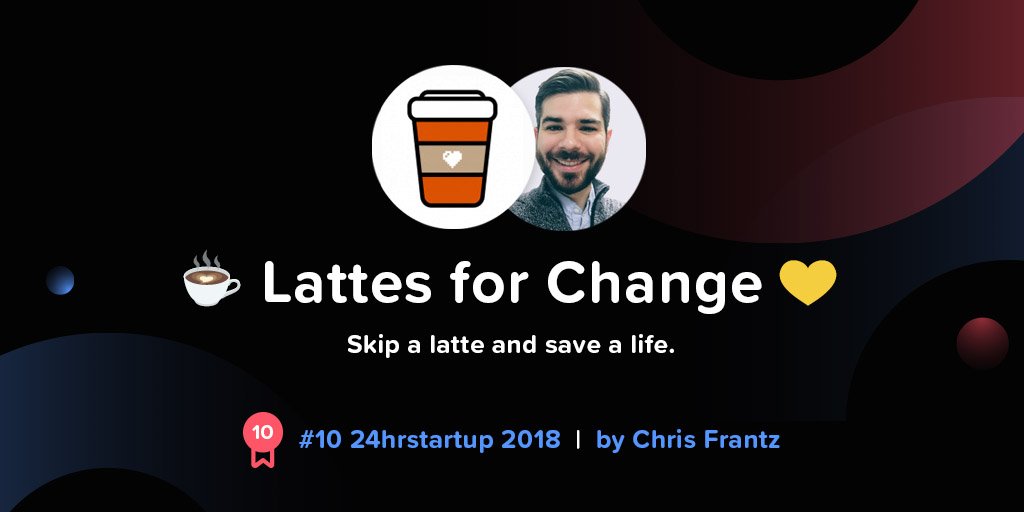
#10
Lattes For Change - Skip a latte and save a life.
https://t.co/M75RAirZzs
@frantzfries built a platform where you can see how skipping your morning latte could do for the world.
A great product for a great cause.
Congrats Chris on winning $250!
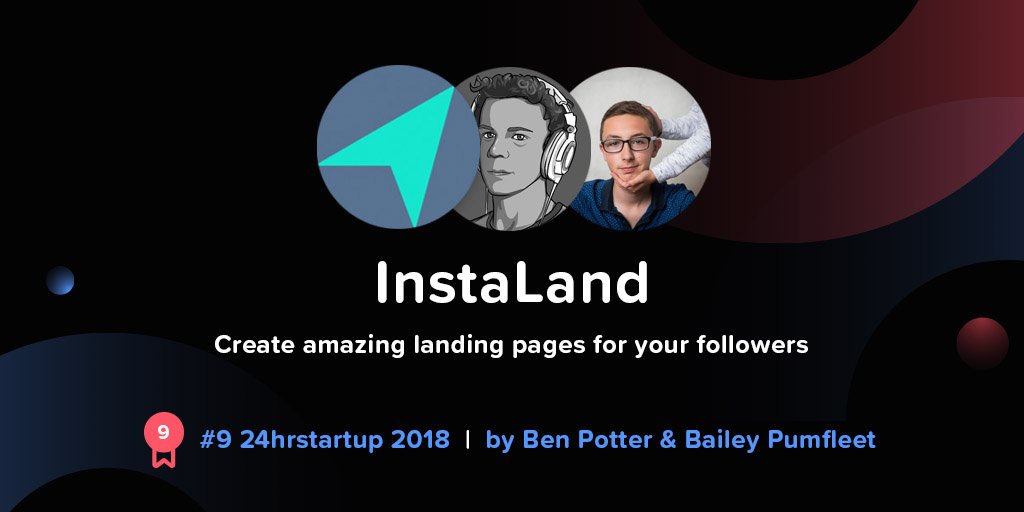
#9
Instaland - Create amazing landing pages for your followers.
https://t.co/5KkveJTAsy
A team project! @bpmct and @BaileyPumfleet built a tool for social media influencers to create simple "swipe up" landing pages for followers.
Really impressive for 24 hours. Congrats!
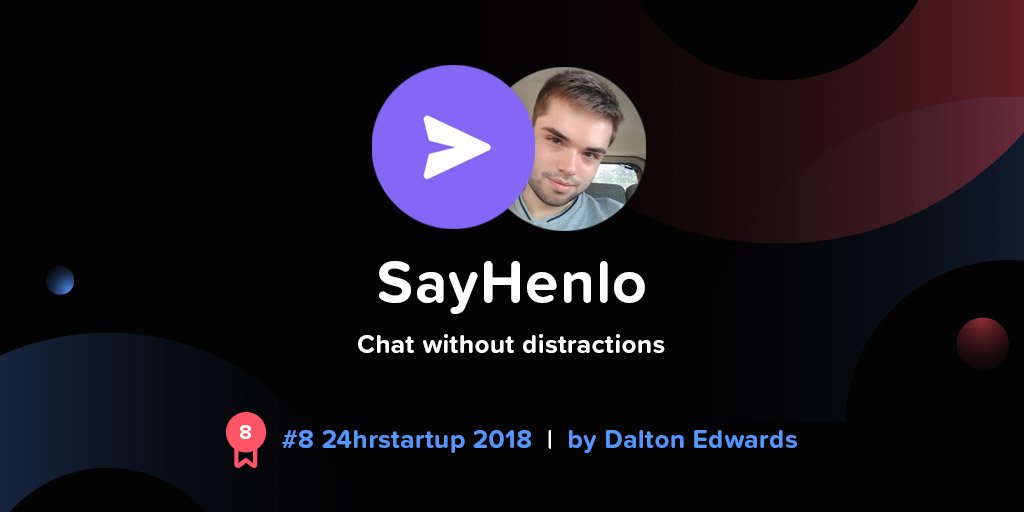
#8
SayHenlo - Chat without distractions
https://t.co/og0B7gmkW6
Built by @DaltonEdwards, it's a platform for combatting conversation overload. This product was also coded exclusively from an iPad 😲
Dalton is a beast. I'm so excited he placed in the top 10.
#7
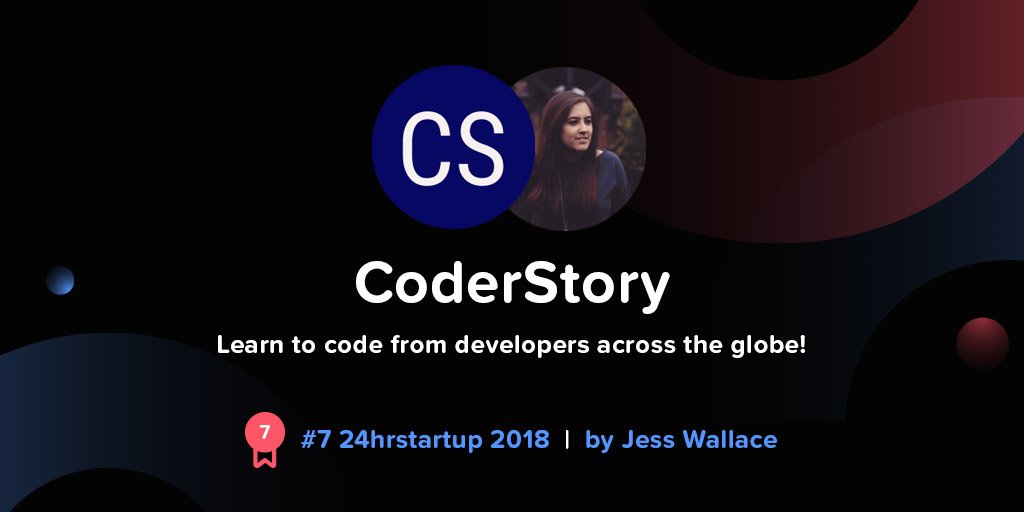
CoderStory - Learn to code from developers across the globe!
https://t.co/86Ay6nF4AY
Built by @jesswallaceuk, the project is focused on highlighting the experience of developers and people learning to code.
I wish this existed when I learned to code! Congrats on $250!!
THE WINNERS OF THE 24 HOUR STARTUP CHALLENGE
Remember, this money is just fun. If you launched a product (or even attempted a launch) - you did something worth MUCH more than $1,000.
#24hrstartup
The winners 👇
#10
Lattes For Change - Skip a latte and save a life.
https://t.co/M75RAirZzs
@frantzfries built a platform where you can see how skipping your morning latte could do for the world.
A great product for a great cause.
Congrats Chris on winning $250!
#9
Instaland - Create amazing landing pages for your followers.
https://t.co/5KkveJTAsy
A team project! @bpmct and @BaileyPumfleet built a tool for social media influencers to create simple "swipe up" landing pages for followers.
Really impressive for 24 hours. Congrats!
#8
SayHenlo - Chat without distractions
https://t.co/og0B7gmkW6
Built by @DaltonEdwards, it's a platform for combatting conversation overload. This product was also coded exclusively from an iPad 😲
Dalton is a beast. I'm so excited he placed in the top 10.
#7
CoderStory - Learn to code from developers across the globe!
https://t.co/86Ay6nF4AY
Built by @jesswallaceuk, the project is focused on highlighting the experience of developers and people learning to code.
I wish this existed when I learned to code! Congrats on $250!!