After spending a couple of days engaging with #DisruptTexts and its most vociferous Twitter defenders, here is what I've learned:
More from Twitter


This is from the official Under Secretary of Defense for Intelligence DOD account on Twitter. Ezra Cohen-Watnick - after being appointed by Trump to chair an influential declassification board - "likes" a tweet that implies he is "Q."
119/7 = 17 & Q = 17
https://t.co/LQShObYZqn

I can’t find the like , or it appears to have been “unliked” but here’s a video of someone who claims it was there just a few hours ago
This comes from the JFK grandchildren video singing “Timber”
@ 0:50 👀
https://t.co/AmjDZ74kCl

Check the domino. Posted to 4ch it has zero returns on tineye

Now check the domino
Posted to 4ch it has zero returns on tineye

119/7 = 17 & Q = 17
https://t.co/LQShObYZqn
119 \u27977 is now the Chairman of the Public Interest Declassification Board. This new information could be of importance to many. I wonder what that could mean for those who have taken actions to obscure potentially damaging information from the public view?
— 337Tomahawk (@absitminded) December 23, 2020
I can’t find the like , or it appears to have been “unliked” but here’s a video of someone who claims it was there just a few hours ago
— Dr. A. non Questry (@DQuestry) December 27, 2020
This comes from the JFK grandchildren video singing “Timber”
@ 0:50 👀
https://t.co/AmjDZ74kCl
Check the domino. Posted to 4ch it has zero returns on tineye
Now check the domino
Posted to 4ch it has zero returns on tineye




You May Also Like



I hate when I learn something new (to me) & stunning about the Jeff Epstein network (h/t MoodyKnowsNada.)
Where to begin?
So our new Secretary of State Anthony Blinken's stepfather, Samuel Pisar, was "longtime lawyer and confidant of...Robert Maxwell," Ghislaine Maxwell's Dad.
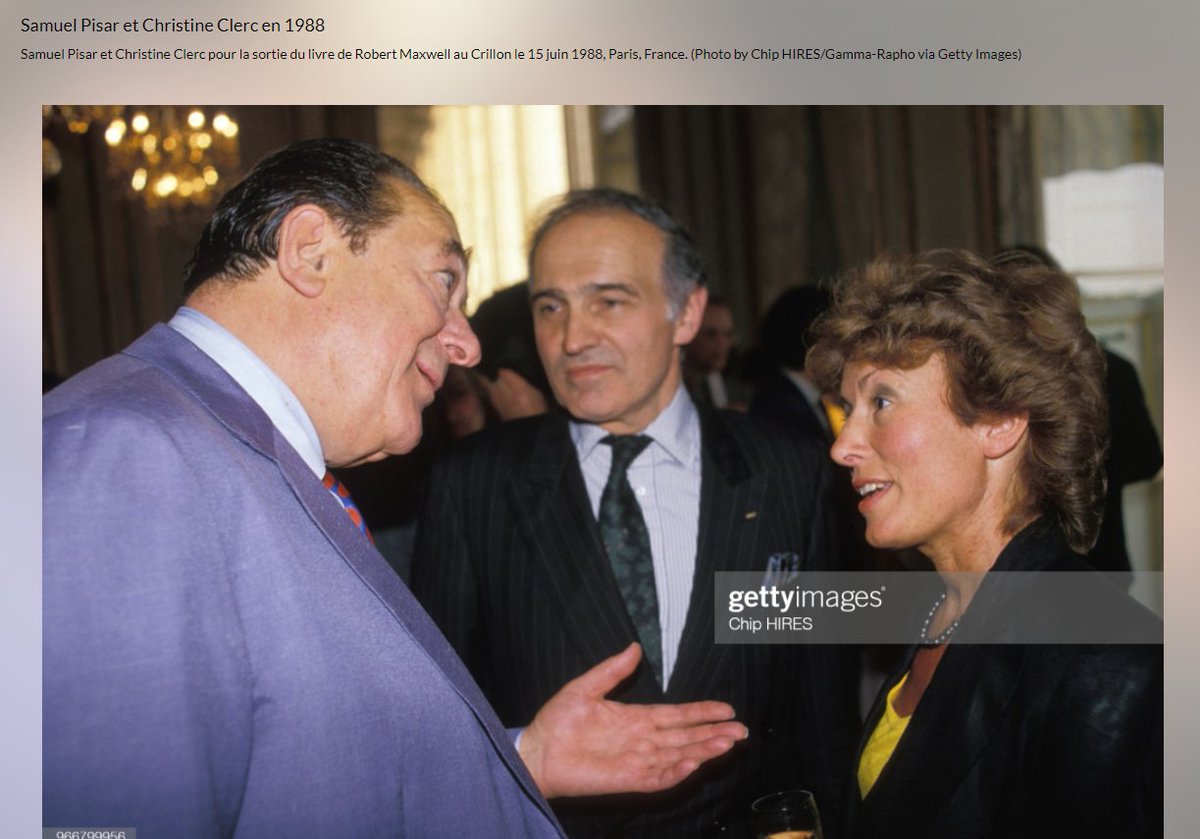
"Pisar was one of the last people to speak to Maxwell, by phone, probably an hour before the chairman of Mirror Group Newspapers fell off his luxury yacht the Lady Ghislaine on 5 November, 1991." https://t.co/DAEgchNyTP
OK, so that's just a coincidence. Moving on, Anthony Blinken "attended the prestigious Dalton School in New York City"...wait, what? https://t.co/DnE6AvHmJg
Dalton School...Dalton School...rings a
Oh that's right.
The dad of the U.S. Attorney General under both George W. Bush & Donald Trump, William Barr, was headmaster of the Dalton School.
Donald Barr was also quite a
I'm not going to even mention that Blinken's stepdad Sam Pisar's name was in Epstein's "black book."
Lots of names in that book. I mean, for example, Cuomo, Trump, Clinton, Prince Andrew, Bill Cosby, Woody Allen - all in that book, and their reputations are spotless.
Where to begin?
So our new Secretary of State Anthony Blinken's stepfather, Samuel Pisar, was "longtime lawyer and confidant of...Robert Maxwell," Ghislaine Maxwell's Dad.
"Pisar was one of the last people to speak to Maxwell, by phone, probably an hour before the chairman of Mirror Group Newspapers fell off his luxury yacht the Lady Ghislaine on 5 November, 1991." https://t.co/DAEgchNyTP
OK, so that's just a coincidence. Moving on, Anthony Blinken "attended the prestigious Dalton School in New York City"...wait, what? https://t.co/DnE6AvHmJg
Dalton School...Dalton School...rings a
Oh that's right.
The dad of the U.S. Attorney General under both George W. Bush & Donald Trump, William Barr, was headmaster of the Dalton School.
Donald Barr was also quite a
Donald Barr had a way with words. pic.twitter.com/JdRBwXPhJn
— Rudy Havenstein, listening to Nas all day. (@RudyHavenstein) September 17, 2020
I'm not going to even mention that Blinken's stepdad Sam Pisar's name was in Epstein's "black book."
Lots of names in that book. I mean, for example, Cuomo, Trump, Clinton, Prince Andrew, Bill Cosby, Woody Allen - all in that book, and their reputations are spotless.