
When he sided with Putin in Helsinki Republicans were in Moscow in secret meetings they voted not to release the transcript
When Trump knowingly accepted Russian help and obstructed the doj investigation and lied to the American people about who attacked our elections or extorting Ukraine the republicans didn't provide a valid counter argument
they asked "who unmasked?" or leaked or whistleblew
When he sided with Putin in Helsinki Republicans were in Moscow in secret meetings they voted not to release the transcript
When a federal judge said Bill Barr had misrepresented that report they ignored it
And Ratcliffe said he wouldn't breathe the Intel committee on the interference
GOP ignored it.
They attacked American heroes and our own ambassadors
The same lawyers and PR people who got in trouble for showing anti magnitsky films at the Newseum the night
Bannon tried to bring her aboard Trump's cabinet early on also
The reality is that Rosenstein and Mueller put the ball down and walked away
Yesterday Donald Trump left office and I didn't see a single sealed indictment for any of his extortion or bribery or treason
Pompeo for his role the Ukraine bribery and Ambassador stalking
William Barr for how he appointed an oversight committee
Where are charges?
They didn't just conceal his crimes they helped him murder us with this information about a deadly virus
Some of them asked other state election officials to throw a democratic vote and some of them put out fake drop boxes so people couldn't mail their ballots
None of them denounced his
By people like Giuliani who was actually stalking an American ambassador and falsifying State Department docs... who is still free
More from Trump

1/ In a Trump Tower press conference, held nine days before he took office, Donald Trump described his plan to separate his business from his presidency. Over the last few years, the key pillars of that plan have crumbled. Let’s go through them one-by-one.
2/ Promise 1 of Trump’s ethics plan: “No new foreign deals will be made whatsoever during the duration of President Trump’s presidency,” his attorney said. Trump did at least one new foreign deal anyway.
(See the promise at 31:57 of the video
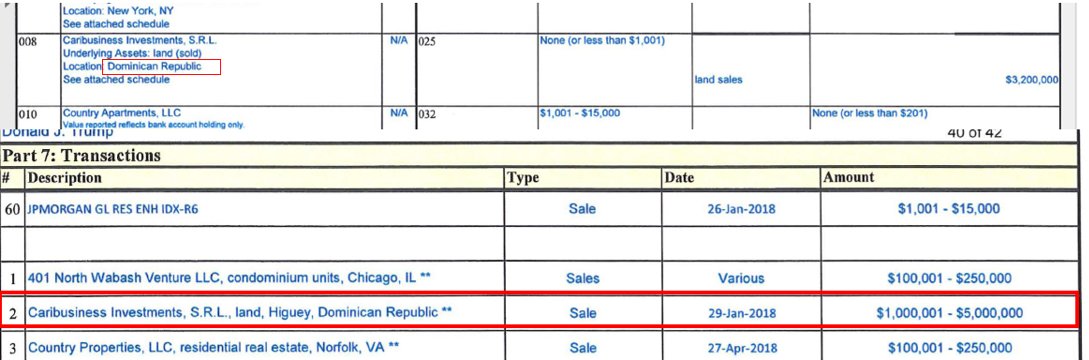
3/ We know that the president did new a new foreign deal in office because he himself admitted it—on a financial disclosure report filed with federal ethics officials. You can see here that he sold $3.2M of land in the Dominican Republic on Jan. 29, 2018. https://t.co/U7r3VCiJPM
4/ Promise 2 of Trump’s ethics plan: He said he wasn’t going to talk about the business with his sons, Eric and Don Jr., who he put in charge of day-to-day operations. Doesn’t look like he kept that promise either.
(See promise 25:00 into the
5/ Contradicting his father, Eric Trump later told me that he did in fact plan to update his dad on the business. “Yeah, on the bottom line, profitability reports and stuff like that. But you know, that’s about it.”
2/ Promise 1 of Trump’s ethics plan: “No new foreign deals will be made whatsoever during the duration of President Trump’s presidency,” his attorney said. Trump did at least one new foreign deal anyway.
(See the promise at 31:57 of the video
3/ We know that the president did new a new foreign deal in office because he himself admitted it—on a financial disclosure report filed with federal ethics officials. You can see here that he sold $3.2M of land in the Dominican Republic on Jan. 29, 2018. https://t.co/U7r3VCiJPM
4/ Promise 2 of Trump’s ethics plan: He said he wasn’t going to talk about the business with his sons, Eric and Don Jr., who he put in charge of day-to-day operations. Doesn’t look like he kept that promise either.
(See promise 25:00 into the
5/ Contradicting his father, Eric Trump later told me that he did in fact plan to update his dad on the business. “Yeah, on the bottom line, profitability reports and stuff like that. But you know, that’s about it.”






Today's Twitter threads (a Twitter thread).
Inside: Stop saying "it's not censorship if it's not the government"; Trump's swamp gators find corporate refuge; and more!
Archived at: https://t.co/7JMcAbaULj
#Pluralistic
1/
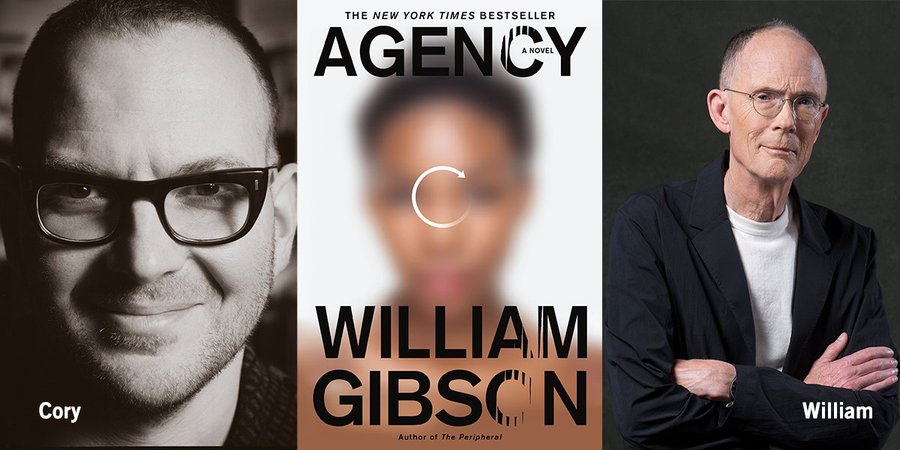
Monday night, I'll be helping William Gibson launch the paperback edition of his novel AGENCY at a Strand Bookstore videoconference. Come say hi!
https://t.co/k3fvBdqOK0
2/
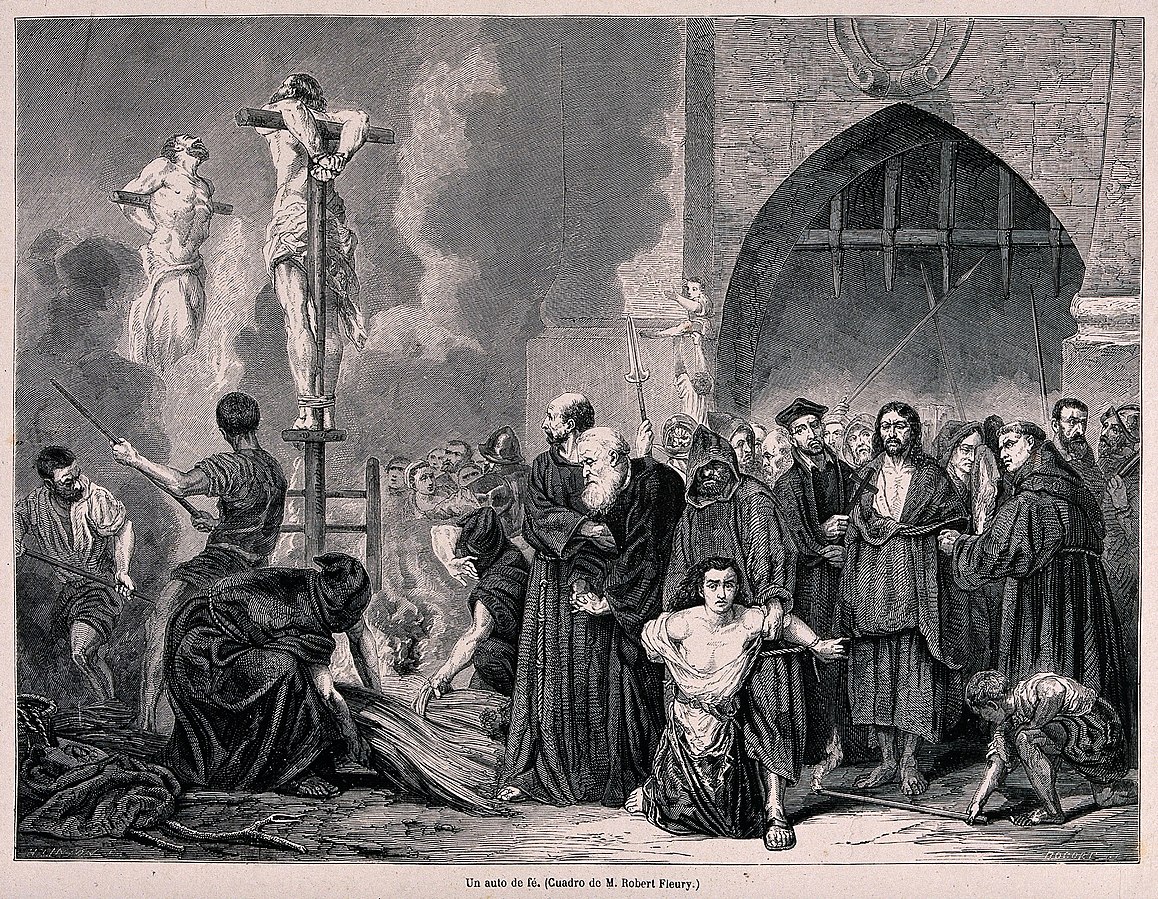
Stop saying "it's not censorship if it's not the government": I didn't expect the Spanish Inquisition.
https://t.co/7I0MpCTez5
3/
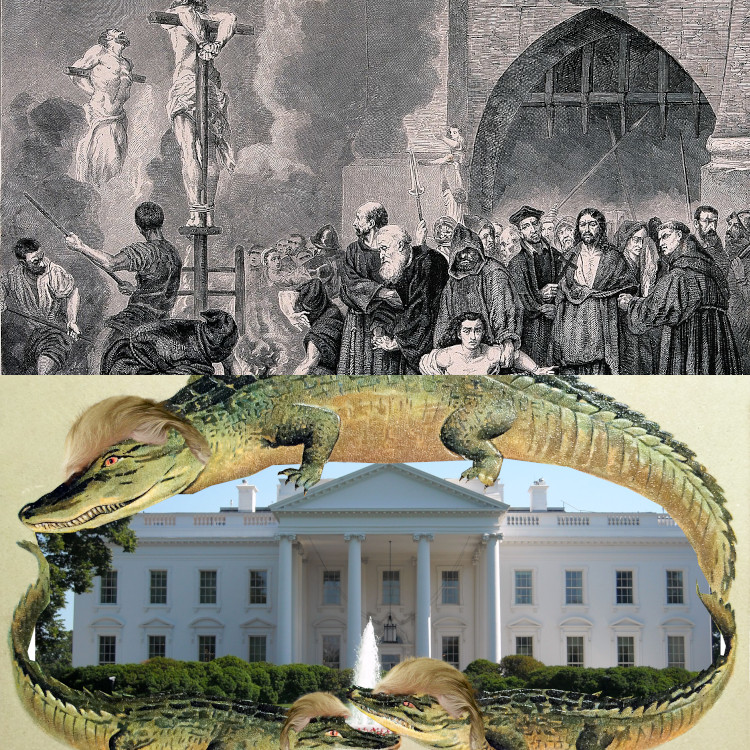
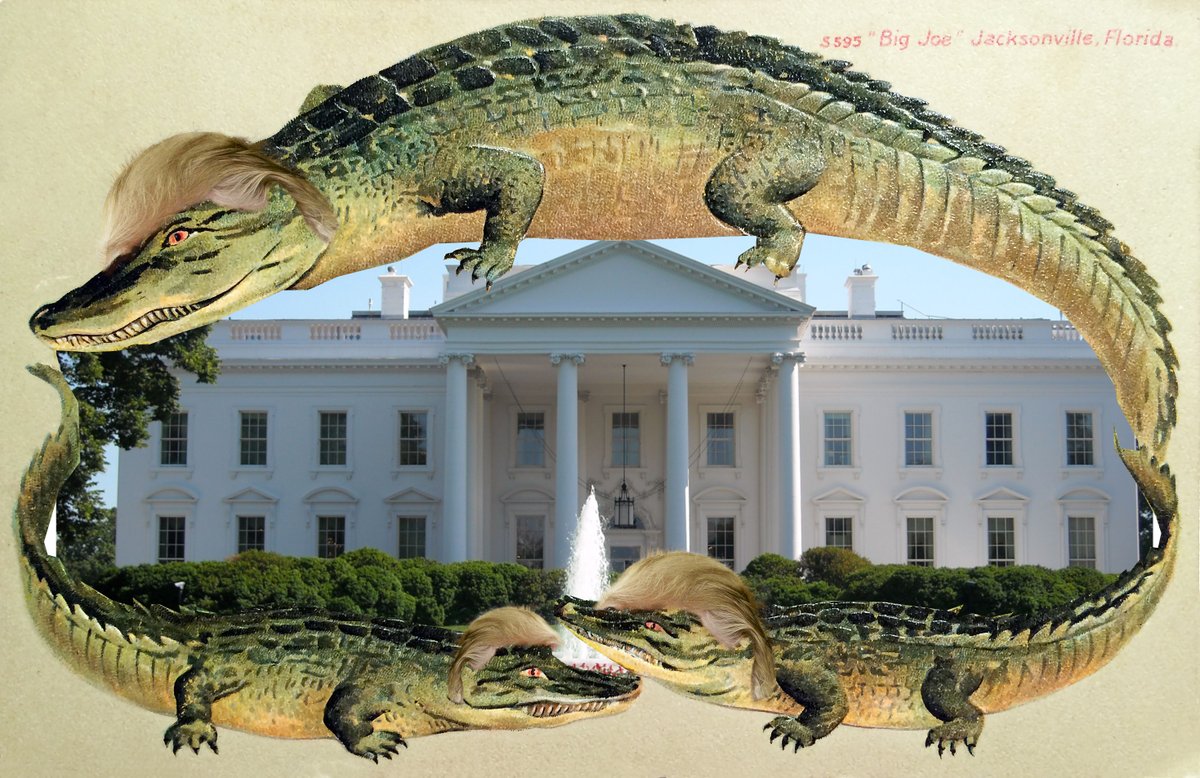
Trump's swamp gators find corporate refuge: The Swamped project.
https://t.co/MUJyIOr2iw
4/
#15yrsago A-Hole bill would make a secret technology into the law of the land https://t.co/57bJaM1Byr
#15yrsago Hollywood’s MP loses the election — hit the road, Sam! https://t.co/12ssYpV46B
#15yrsago How William Gibson discovered science fiction https://t.co/MYR0go37nW
5/
Inside: Stop saying "it's not censorship if it's not the government"; Trump's swamp gators find corporate refuge; and more!
Archived at: https://t.co/7JMcAbaULj
#Pluralistic
1/
Monday night, I'll be helping William Gibson launch the paperback edition of his novel AGENCY at a Strand Bookstore videoconference. Come say hi!
https://t.co/k3fvBdqOK0
2/
Stop saying "it's not censorship if it's not the government": I didn't expect the Spanish Inquisition.
https://t.co/7I0MpCTez5
3/
If you think "It's not censorship unless the government does it," I want to change your mind.
— Cory Doctorow #BLM (@doctorow) January 24, 2021
It's absolutely true that the First Amendment only prohibits government action to suppress speech based on its content, but the First Amendment is not the last word on censorship.
1/ pic.twitter.com/ycbLLDhtrd
Trump's swamp gators find corporate refuge: The Swamped project.
https://t.co/MUJyIOr2iw
4/
Have you seen the stories about how Trump administration officials and staffers for Ted Cruz are finding that no one in the private sector will hire them because they are forever tainted by their former bosses' disgraceful behavior?
— Cory Doctorow #BLM (@doctorow) January 24, 2021
They're bullshit.https://t.co/XvYDPpR9yd
1/ pic.twitter.com/VxisK4d8jV
#15yrsago A-Hole bill would make a secret technology into the law of the land https://t.co/57bJaM1Byr
#15yrsago Hollywood’s MP loses the election — hit the road, Sam! https://t.co/12ssYpV46B
#15yrsago How William Gibson discovered science fiction https://t.co/MYR0go37nW
5/

You’d think that if Pence could overturn the election like Trump claimed then Biden surely would’ve taken up that chance
Also this is such a small thing but one thing I noticed in that Trump campaign ad the defense just ran, there were no citations, unlike every clip that the impeachment managers showed
Michael Van Der Veen is giving us the full Fox News Primetime Defense.
PROCESS ARGUMENT.
DRINK.
Lol my guy this is the chance to rebut the evidence that they’ve presented against Trump.
Unless Trump's new lawyer is going to argue Hilary Clinton went to court and lost 60 times and then launched an attack on the Capitol, these clips of Democrats objecting to vote counting and being overruled by VP Biden are a waste of time.
— Joyce Alene (@JoyceWhiteVance) February 12, 2021
Also this is such a small thing but one thing I noticed in that Trump campaign ad the defense just ran, there were no citations, unlike every clip that the impeachment managers showed
Michael Van Der Veen is giving us the full Fox News Primetime Defense.
PROCESS ARGUMENT.
DRINK.
Lol my guy this is the chance to rebut the evidence that they’ve presented against Trump.


