One which I'm getting asked a lot and a traders biggest dilemma is "WHEN TO SELL"!!
It's Sunday morning and I'm grumpy 😑😑 and bored 🥱🥱
Why you ask? It's the weekend, everybody loves the weekend. Time to chill and relax and unwind!!
Yeah talk to a Trader!! We hate weekends and Love Mondays 😂🤣😋
One which I'm getting asked a lot and a traders biggest dilemma is "WHEN TO SELL"!!
Shud be super happy rite?
Unfortunately that's a traders worst nightmare!! Why you ask? Cos goddamit when do we sell?
If we wait too long it might just reverse and we lose most of our profits and most likely even end up in a loss
If we do nothing then our blood pressure goes up cos hey we're traders and that's how we are 😋😋
** Took me several days to come up with this catch phrase for my learning threads. I hope you guys like it
If you do it consistently enough those profits will add up and you'll end being richer and more confident allowing you to ride winners as your trading improves
But remember this works only if you get your entry right and following classical charting in the best way for that
Before anything we wait patiently for the pattern to setup and enter only on a confirmed breakout which is marked on the chart with a blue arrow
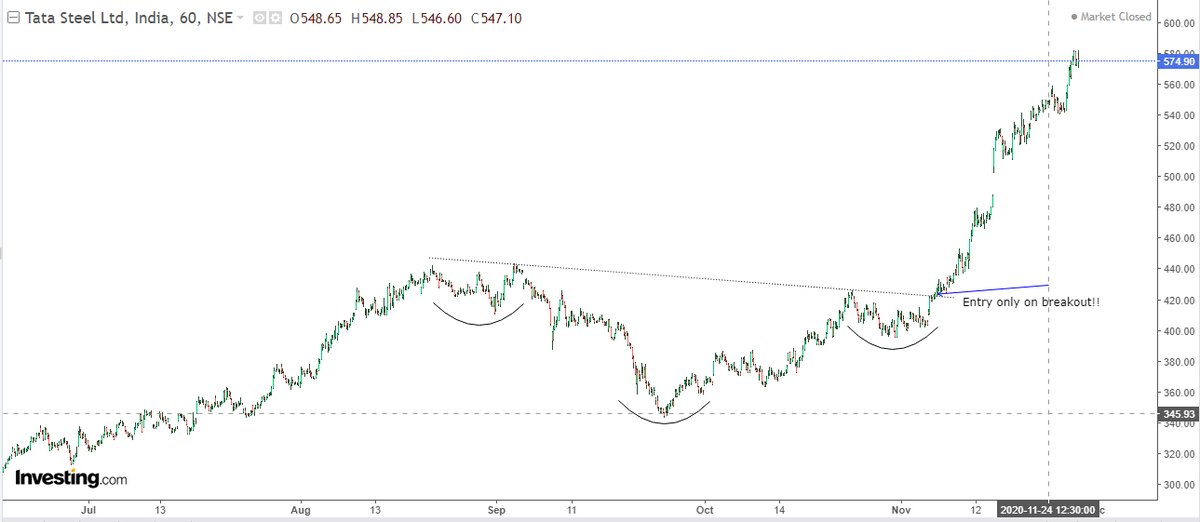
With that I mean set your SL as per your risk profile. RISK MANAGEMENT is always a traders top most priority
This is good for rookie traders so that you slowly accumulate profits. Might sound less but remember banks give you 5% a year and here you're getting 5% in a few days sometimes even a few hours
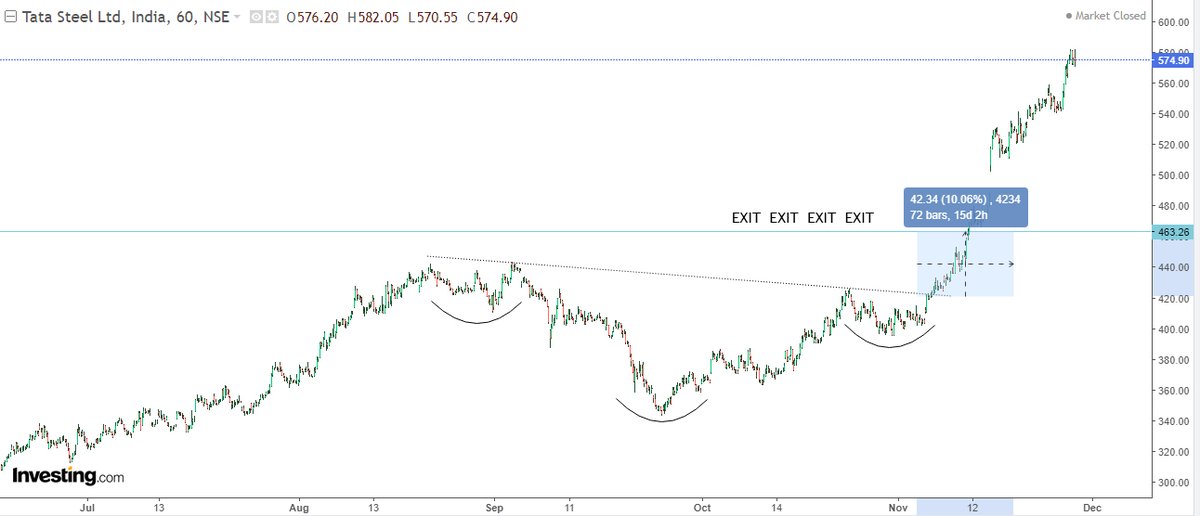
The 161.8% Fib level from the high to the low of the pattern is your exit level
It's simple, easy, fuss free and almost always works
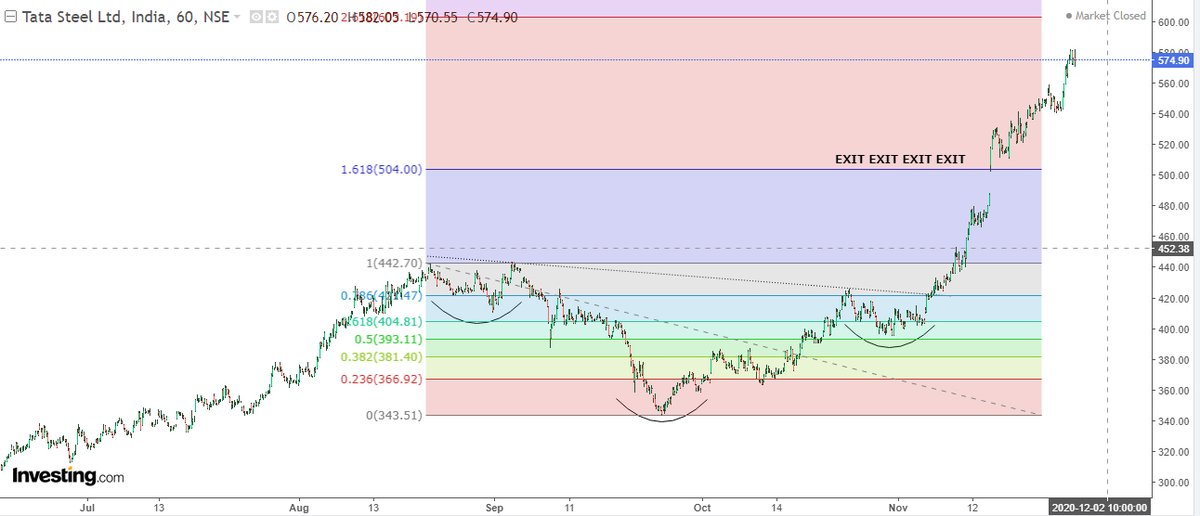
Classical chartists follow this and magically it almost always works as well.
Richard Schabacker considered the grandfather of technical analysis follows this method in his book "Technical Analysis and Stock Market Profits"
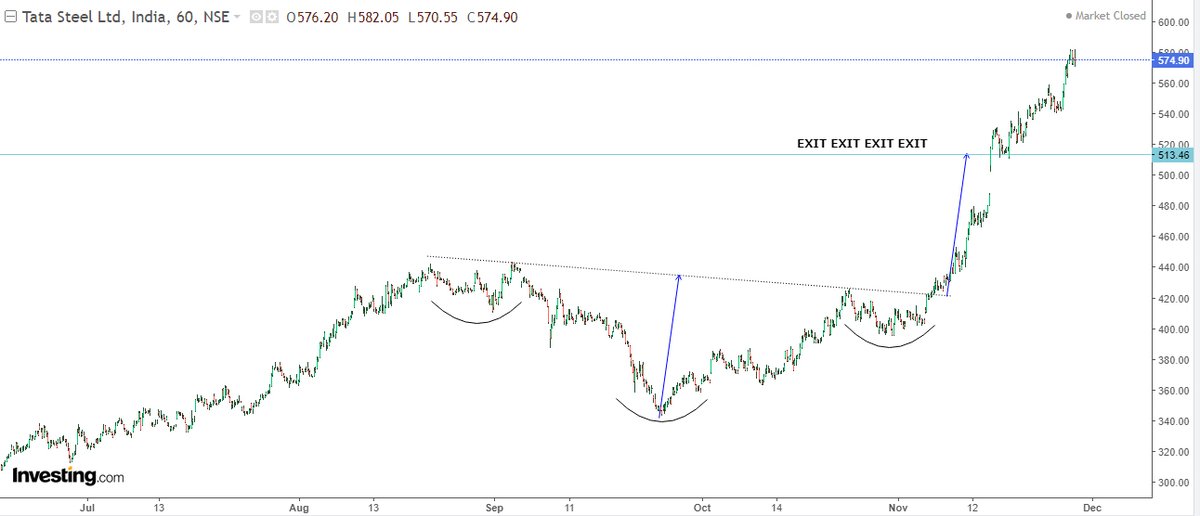
More Profits = More Capital = More Confidence = More Chances you will ride winners better
Consider each trade to be ur mistress and not your wife. Done with one mistress, move on and look for another. Isn't that every guys dream anyway 😋😋
It's every girls dream as well but unfortunately they get branded sluts! But that's another topic

More from Trading


You May Also Like

I'm going to do two history threads on Ethiopia, one on its ancient history, one on its modern story (1800 to today). 🇪🇹
I'll begin with the ancient history ... and it goes way back. Because modern humans - and before that, the ancestors of humans - almost certainly originated in Ethiopia. 🇪🇹 (sub-thread):
The first likely historical reference to Ethiopia is ancient Egyptian records of trade expeditions to the "Land of Punt" in search of gold, ebony, ivory, incense, and wild animals, starting in c 2500 BC 🇪🇹

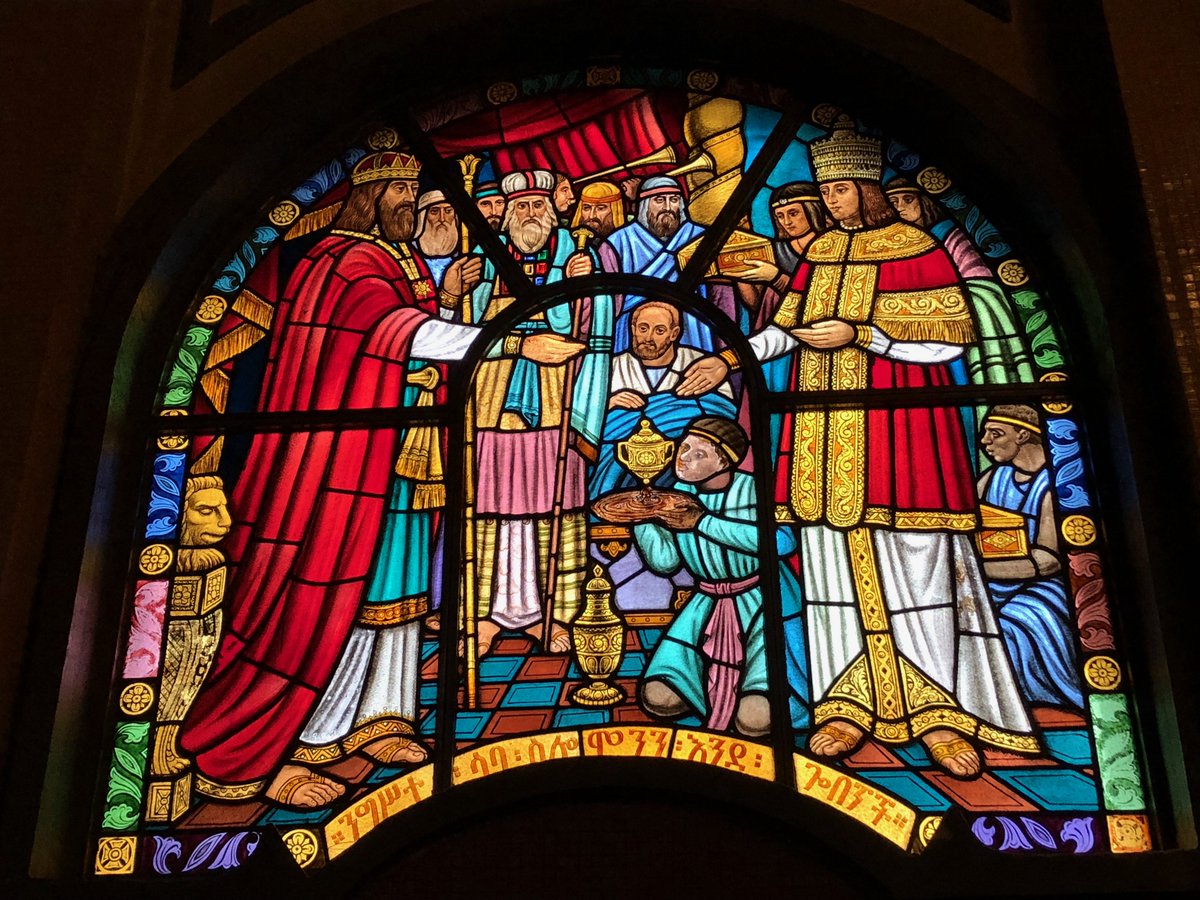
Ethiopians themselves believe that the Queen of Sheba, who visited Israel's King Solomon in the Bible (c 950 BC), came from Ethiopia (not Yemen, as others believe). Here she is meeting Solomon in a stain-glassed window in Addis Ababa's Holy Trinity Church. 🇪🇹
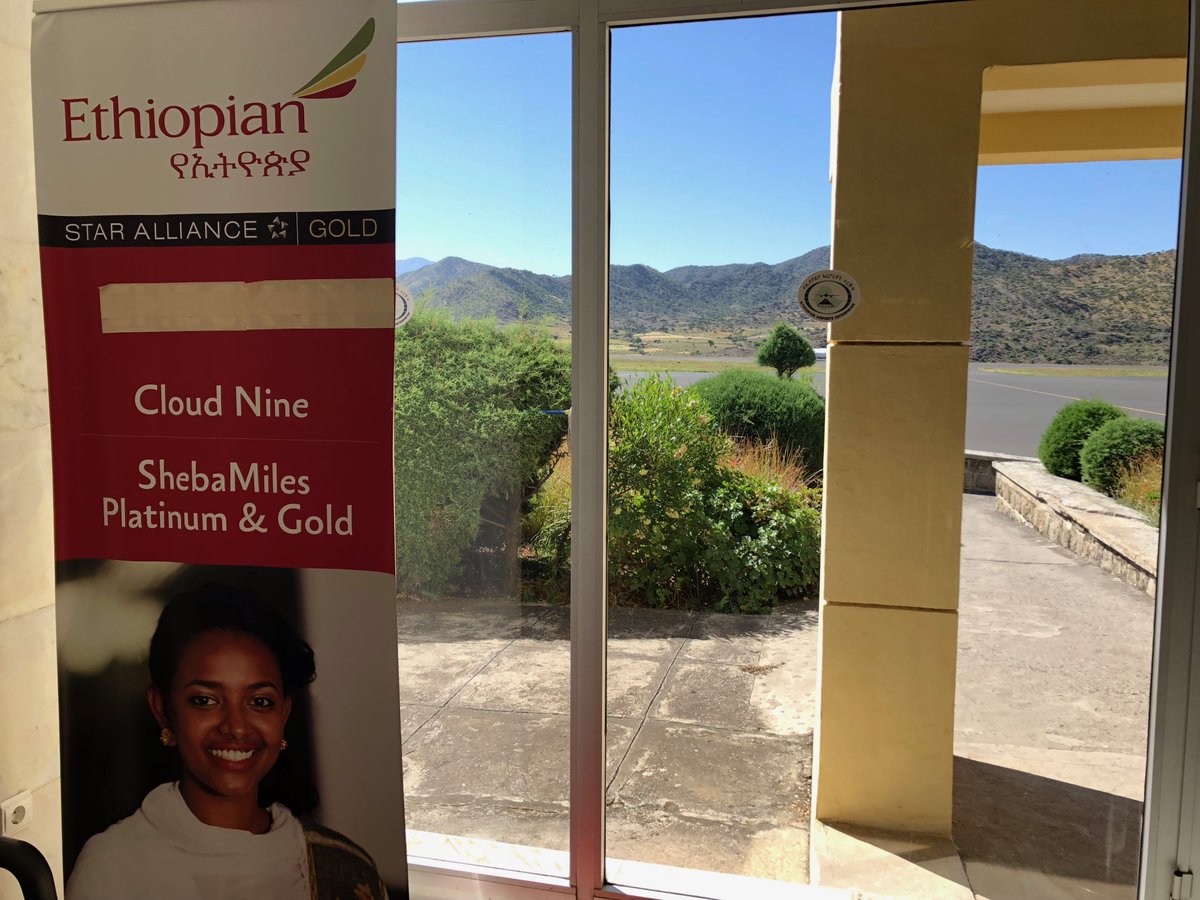
References to the Queen of Sheba are everywhere in Ethiopia. The national airline's frequent flier miles are even called "ShebaMiles". 🇪🇹
I'll begin with the ancient history ... and it goes way back. Because modern humans - and before that, the ancestors of humans - almost certainly originated in Ethiopia. 🇪🇹 (sub-thread):
The famous \u201cLucy\u201d, an early ancestor of modern humans (Australopithecus) that lived 3.2 million years ago, and was discovered in 1974 in Ethiopia, displayed in the national museum in Addis Ababa \U0001f1ea\U0001f1f9 pic.twitter.com/N3oWqk1SW2
— Patrick Chovanec (@prchovanec) November 9, 2018
The first likely historical reference to Ethiopia is ancient Egyptian records of trade expeditions to the "Land of Punt" in search of gold, ebony, ivory, incense, and wild animals, starting in c 2500 BC 🇪🇹
Ethiopians themselves believe that the Queen of Sheba, who visited Israel's King Solomon in the Bible (c 950 BC), came from Ethiopia (not Yemen, as others believe). Here she is meeting Solomon in a stain-glassed window in Addis Ababa's Holy Trinity Church. 🇪🇹
References to the Queen of Sheba are everywhere in Ethiopia. The national airline's frequent flier miles are even called "ShebaMiles". 🇪🇹