Google could fix its content moderation and stop its military contracts and its business model would still be Google. (1/)
Stephen, why are you so critical of Facebook and not the other big tech companies?
A 🧵 for well-intentioned engineers about how to navigate the complexities of big tech.
Google could fix its content moderation and stop its military contracts and its business model would still be Google. (1/)
https://t.co/92EKe7UxJD
More from Tech


The entire discussion around Facebook’s disclosures of what happened in 2016 is very frustrating. No exec stopped any investigations, but there were a lot of heated discussions about what to publish and when.
In the spring and summer of 2016, as reported by the Times, activity we traced to GRU was reported to the FBI. This was the standard model of interaction companies used for nation-state attacks against likely US targeted.
In the Spring of 2017, after a deep dive into the Fake News phenomena, the security team wanted to publish an update that covered what we had learned. At this point, we didn’t have any advertising content or the big IRA cluster, but we did know about the GRU model.
This report when through dozens of edits as different equities were represented. I did not have any meetings with Sheryl on the paper, but I can’t speak to whether she was in the loop with my higher-ups.
In the end, the difficult question of attribution was settled by us pointing to the DNI report instead of saying Russia or GRU directly. In my pre-briefs with members of Congress, I made it clear that we believed this action was GRU.
The story doesn\u2019t say you were told not to... it says you did so without approval and they tried to obfuscate what you found. Is that true?
— Sarah Frier (@sarahfrier) November 15, 2018
In the spring and summer of 2016, as reported by the Times, activity we traced to GRU was reported to the FBI. This was the standard model of interaction companies used for nation-state attacks against likely US targeted.
In the Spring of 2017, after a deep dive into the Fake News phenomena, the security team wanted to publish an update that covered what we had learned. At this point, we didn’t have any advertising content or the big IRA cluster, but we did know about the GRU model.
This report when through dozens of edits as different equities were represented. I did not have any meetings with Sheryl on the paper, but I can’t speak to whether she was in the loop with my higher-ups.
In the end, the difficult question of attribution was settled by us pointing to the DNI report instead of saying Russia or GRU directly. In my pre-briefs with members of Congress, I made it clear that we believed this action was GRU.

🙂 Hey - have you heard of @RevolutApp Business before?
🌐 Great international transfer and 🏦 foreign #exchange rates, and various tools to manage your #business.
👉 https://t.co/dkuBrYrfMq
#banking #fintech #revolut #growth #startups
1/10
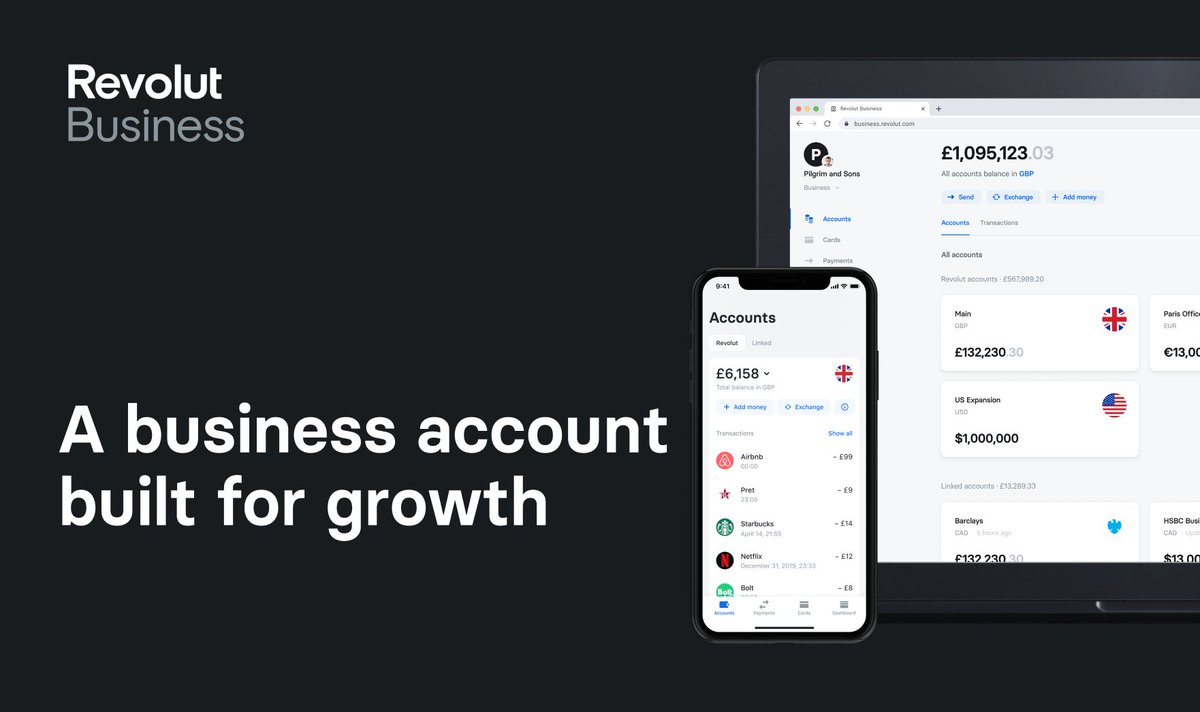
One place to manage all things business
Get more from your business account with powerful tools that give you total control over your finances.
👉 https://t.co/dkuBrYrfMq
2/10
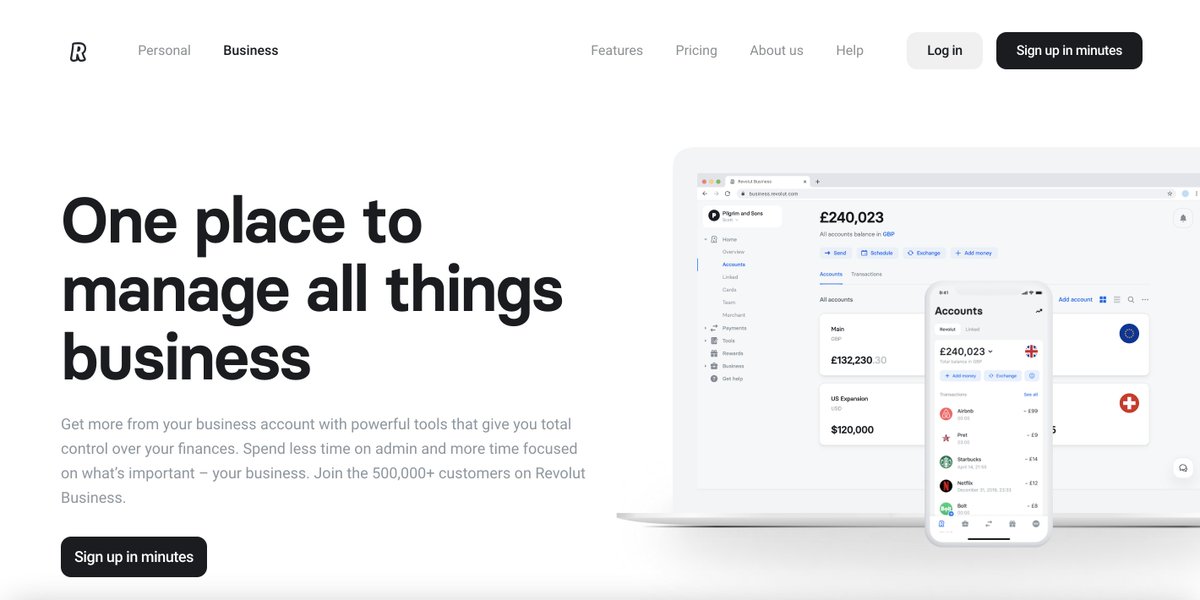
Accept payments
online at great rates
Receive card payments from around the world with low fees and next-day settlement.
👉 https://t.co/dkuBrYrfMq
3/10

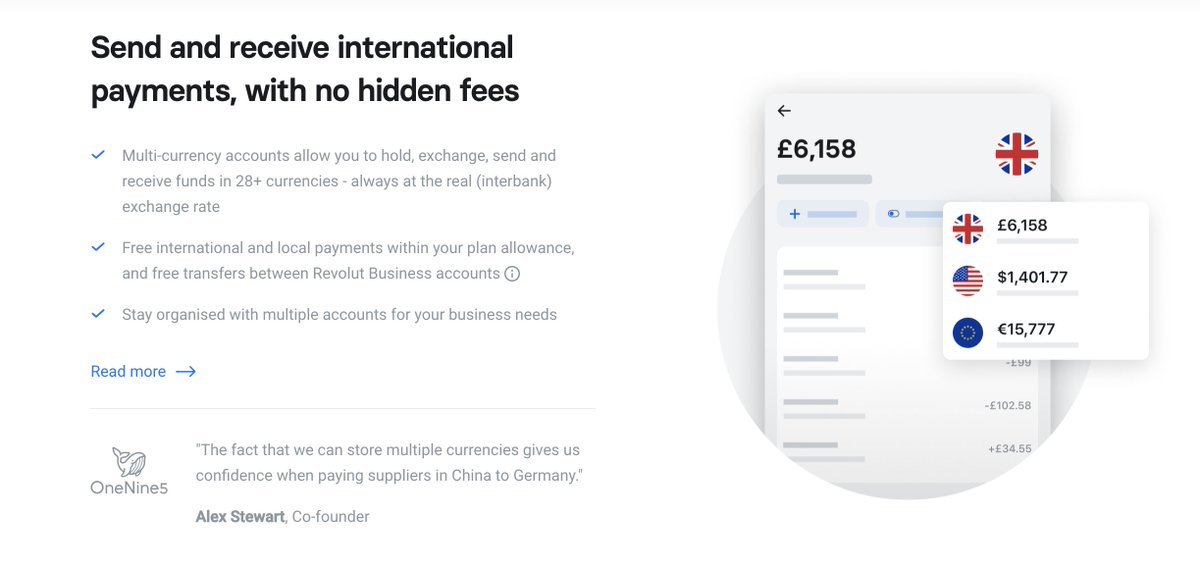
Send and receive international payments, with no hidden fees
Multi-currency accounts allow you to hold, exchange, send and receive funds in 28+ currencies - always at the real (interbank) exchange rate...
👉 https://t.co/dkuBrYrfMq
4/10
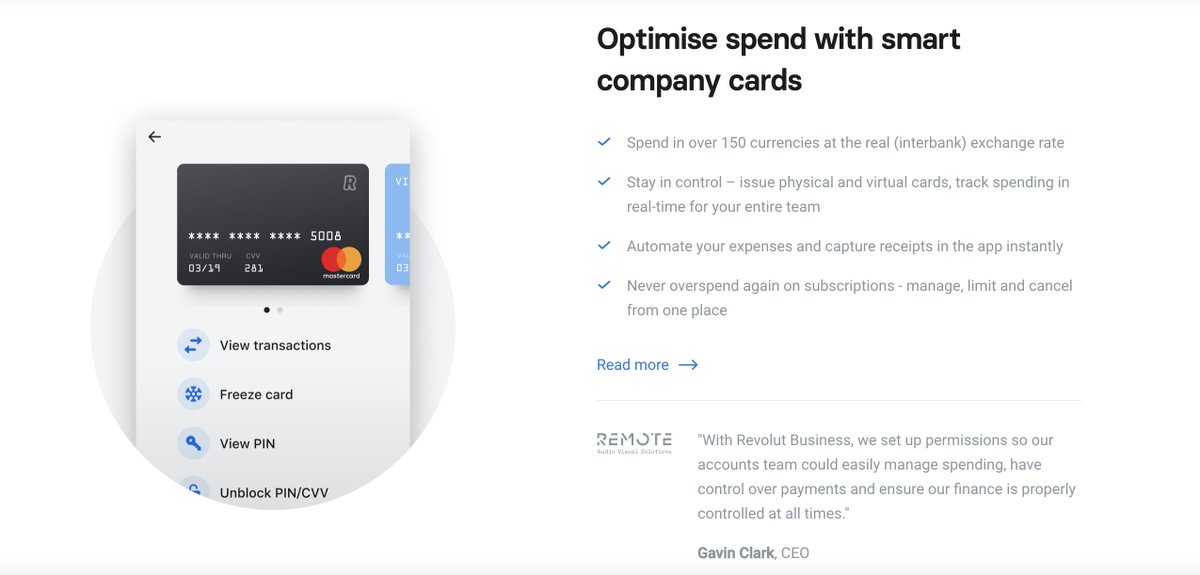
Optimise spend with smart company cards
Spend in over 150 currencies at the real (interbank) exchange rate
Stay in control – issue physical and virtual cards, track spending in real-time for your entire team...
👉 https://t.co/dkuBrYrfMq
5/10
🌐 Great international transfer and 🏦 foreign #exchange rates, and various tools to manage your #business.
👉 https://t.co/dkuBrYrfMq
#banking #fintech #revolut #growth #startups
1/10
One place to manage all things business
Get more from your business account with powerful tools that give you total control over your finances.
👉 https://t.co/dkuBrYrfMq
2/10
Accept payments
online at great rates
Receive card payments from around the world with low fees and next-day settlement.
👉 https://t.co/dkuBrYrfMq
3/10
Send and receive international payments, with no hidden fees
Multi-currency accounts allow you to hold, exchange, send and receive funds in 28+ currencies - always at the real (interbank) exchange rate...
👉 https://t.co/dkuBrYrfMq
4/10
Optimise spend with smart company cards
Spend in over 150 currencies at the real (interbank) exchange rate
Stay in control – issue physical and virtual cards, track spending in real-time for your entire team...
👉 https://t.co/dkuBrYrfMq
5/10

(1) Some haters of #Cardano are not only bag holders but also imperative developers.
If you are an imperative programmers you know that Plutus is not the most intuitive -> (https://t.co/m3fzq7rJYb)
It is, however, intuitive for people with IT financial background, e.g. banks
(2)
IELE + k framework will be a real game changer because there will be DSLs (Domain Specific Languages) in any programming language supported by K framework. The only issue is that we need to wait for all this
(3) Good news is that the moment we get IELE integrated into Cardano, we get some popular langs. To my knowledge we should get from day one: Solidity and Rust, maybe others as well?
List of langs: https://t.co/0uj1eBfrYj, some commits from many years ago..
@rv_inc ?
#Cardano
(a) Last but not least, marketing to people with Haskell, functional programming with experience and decision makers in banks is a tricky one, how do you market but not tell them you want to replace them. In the end one strategy is to pitch new markets, e.g. developing world
(b) As banks realize what is happening they maybe more inclined to join - not because they would like to but because they will have to - in such cases some development talent maybe re-routed to Plutus / Cardano / Algorand / Tezos
If you are an imperative programmers you know that Plutus is not the most intuitive -> (https://t.co/m3fzq7rJYb)
It is, however, intuitive for people with IT financial background, e.g. banks
(2)
IELE + k framework will be a real game changer because there will be DSLs (Domain Specific Languages) in any programming language supported by K framework. The only issue is that we need to wait for all this
(3) Good news is that the moment we get IELE integrated into Cardano, we get some popular langs. To my knowledge we should get from day one: Solidity and Rust, maybe others as well?
List of langs: https://t.co/0uj1eBfrYj, some commits from many years ago..
@rv_inc ?
#Cardano
(a) Last but not least, marketing to people with Haskell, functional programming with experience and decision makers in banks is a tricky one, how do you market but not tell them you want to replace them. In the end one strategy is to pitch new markets, e.g. developing world
(b) As banks realize what is happening they maybe more inclined to join - not because they would like to but because they will have to - in such cases some development talent maybe re-routed to Plutus / Cardano / Algorand / Tezos