Understanding Buyers vs Sellers using
candlesticks PART-1

Mini Thread 🧵 #trading #StockMarketindia

Traders show your support by Retweet to benefit maximum traders

@Mitesh_Engr @ITRADE191 @hjyadav @nakulvibhor @RajarshitaS @chartmojo @ca_mehtaravi

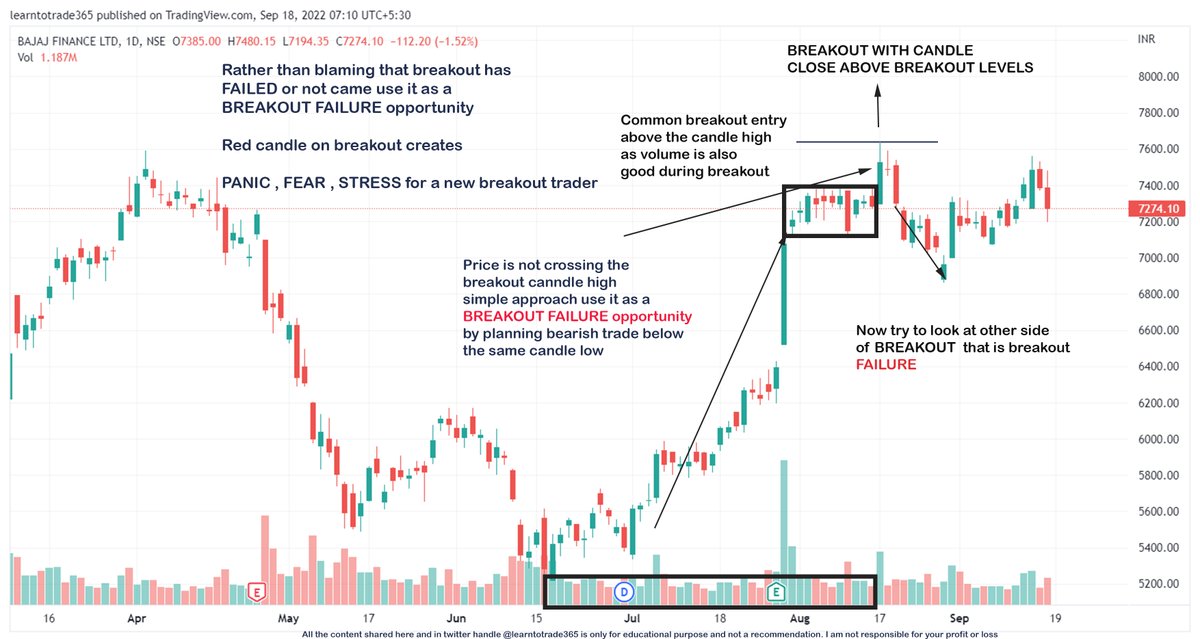
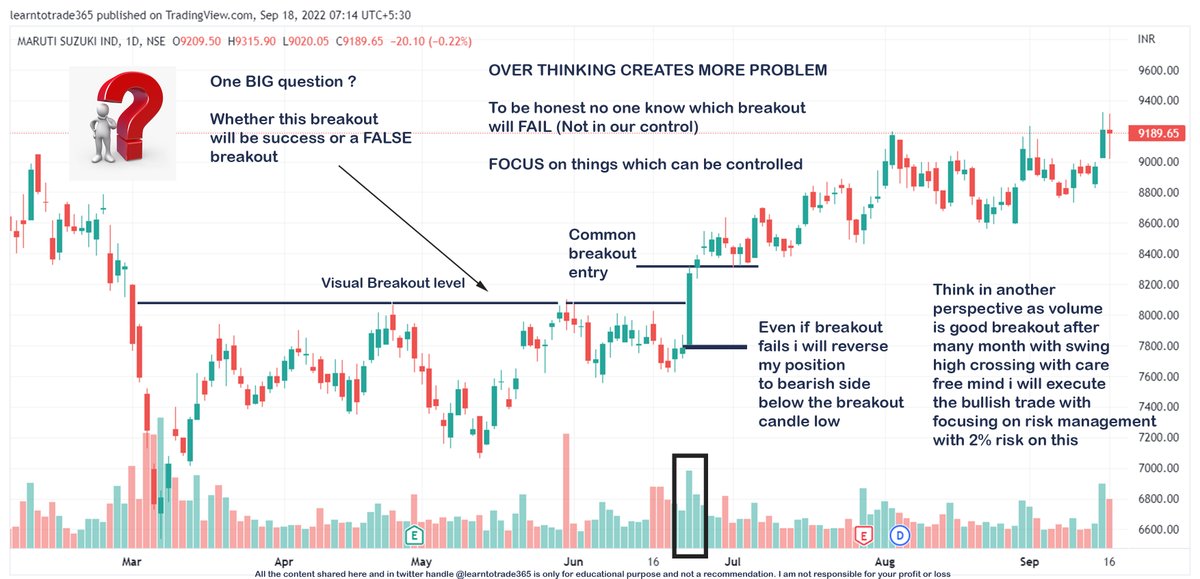
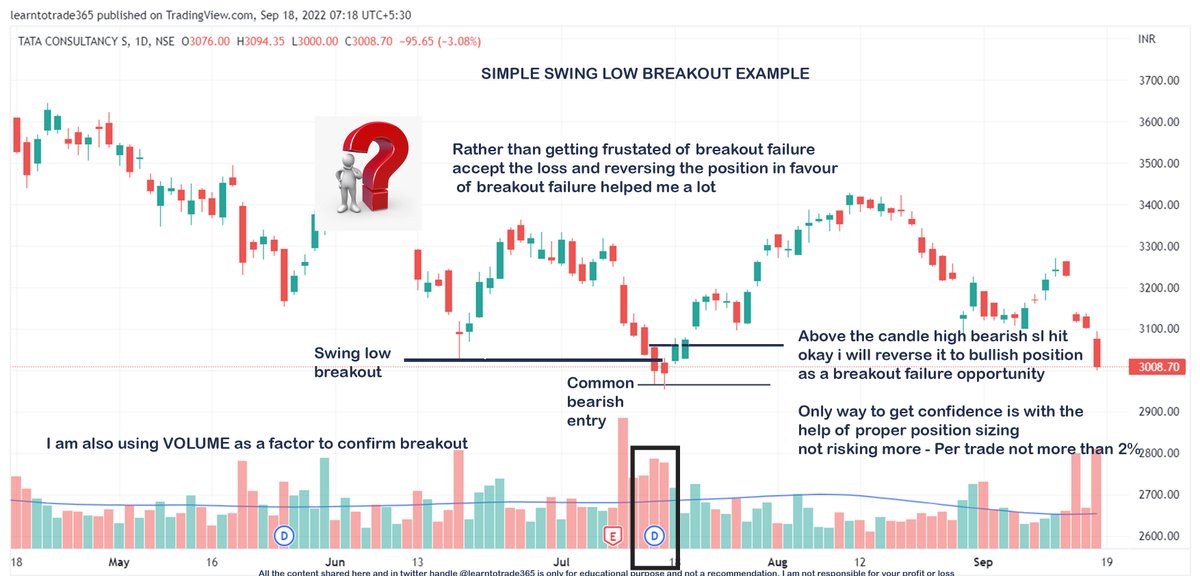
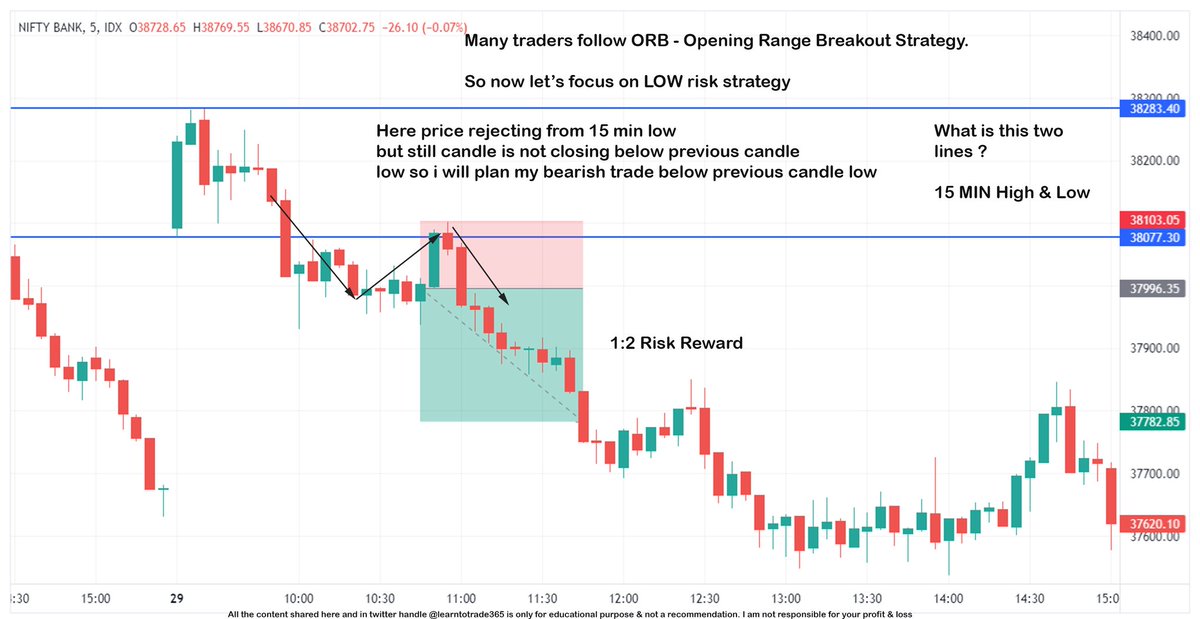
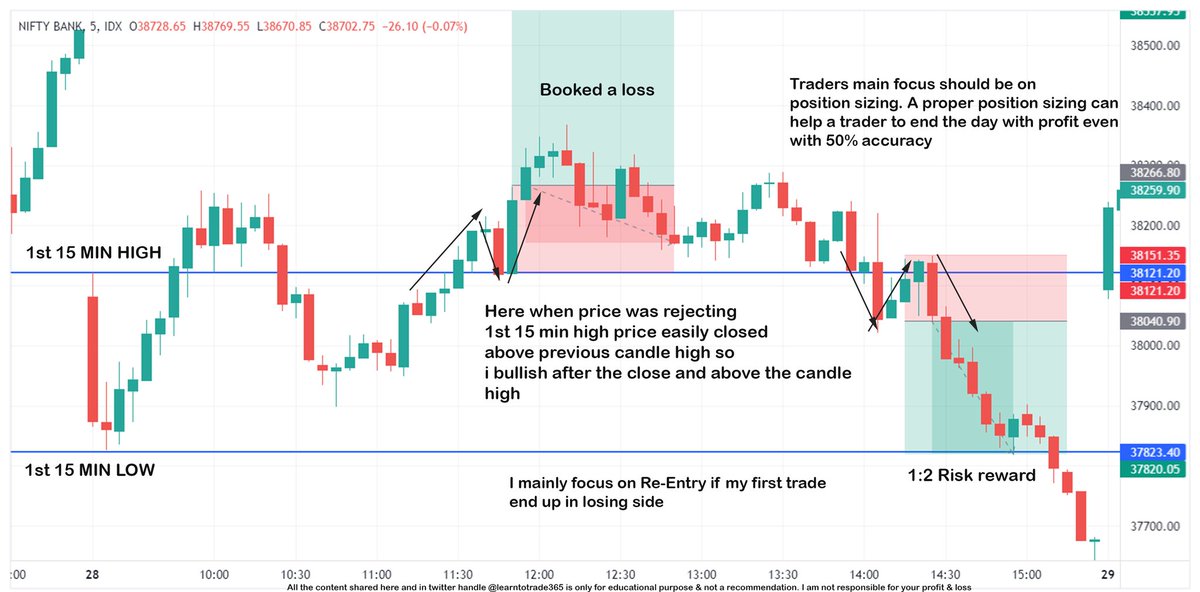
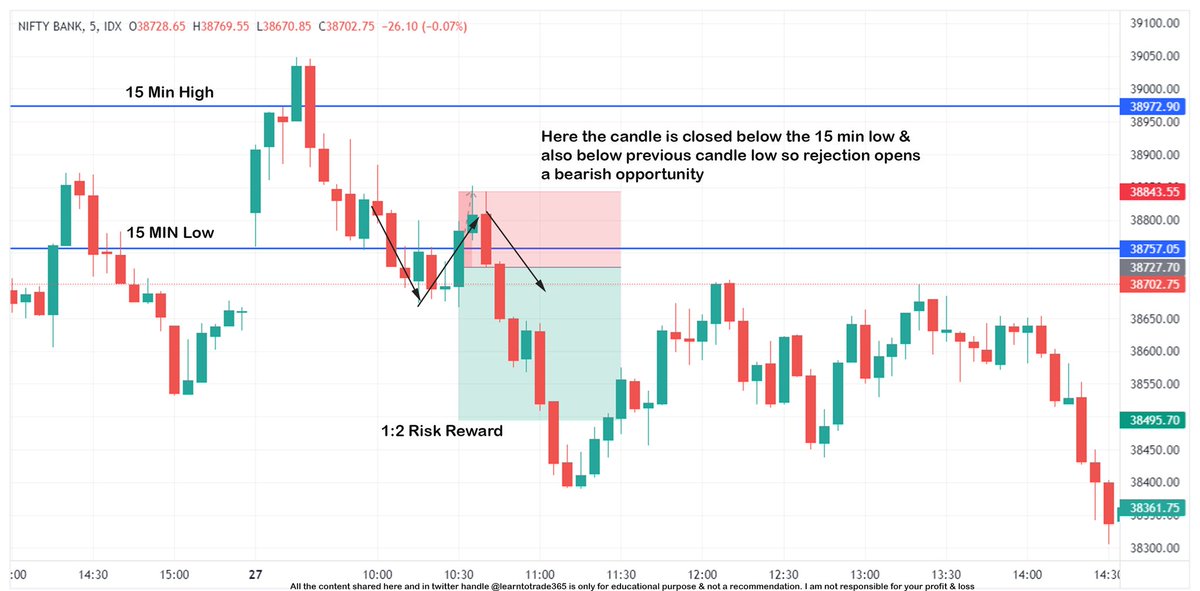
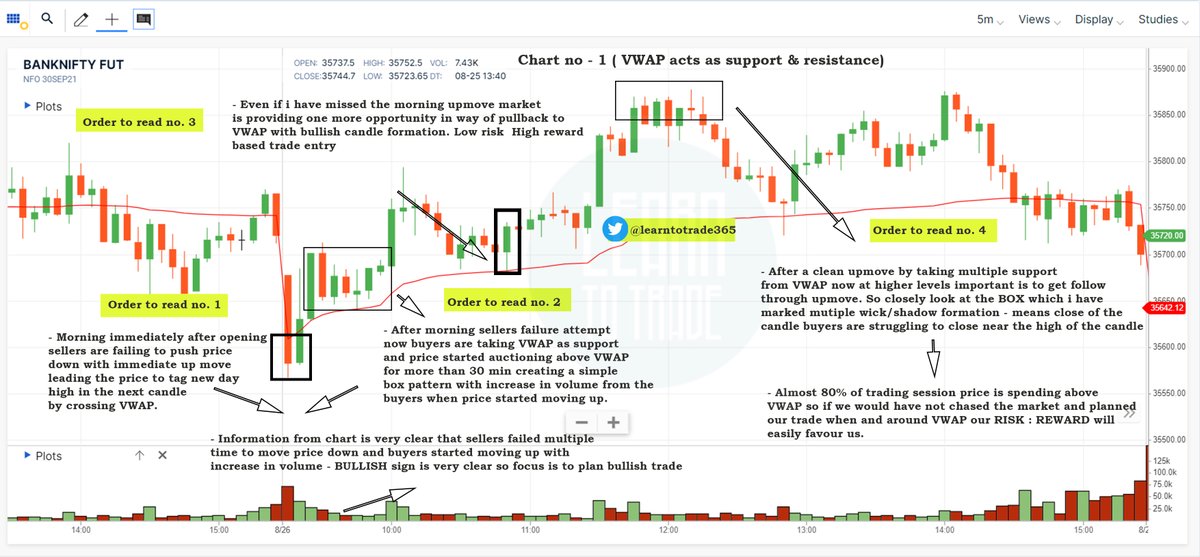
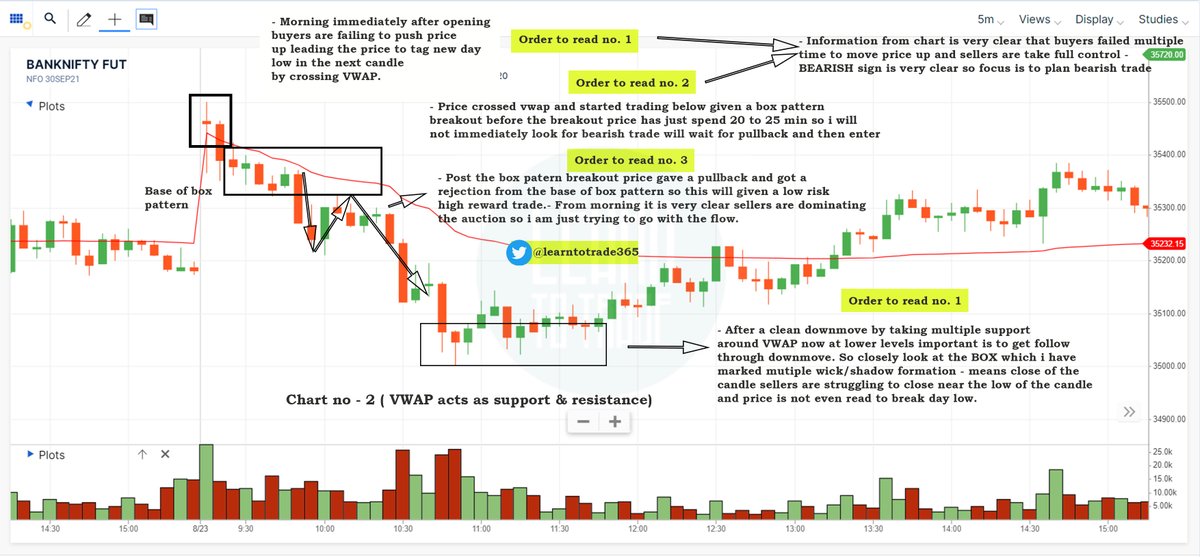
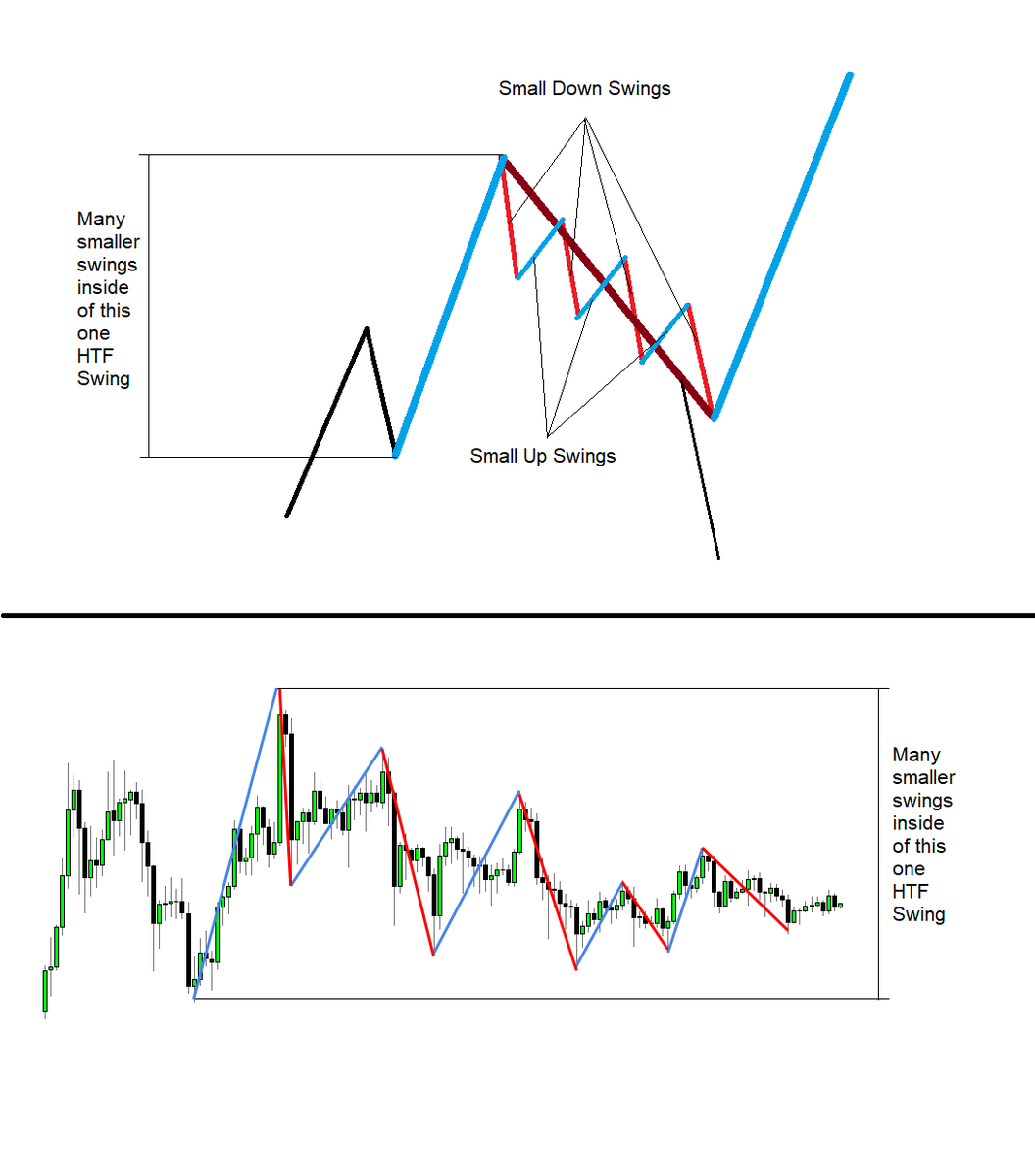
Here i am just trying to focus on few candlestick formation and trying to understand buyers vs sellers at reference levels. In trading less is more

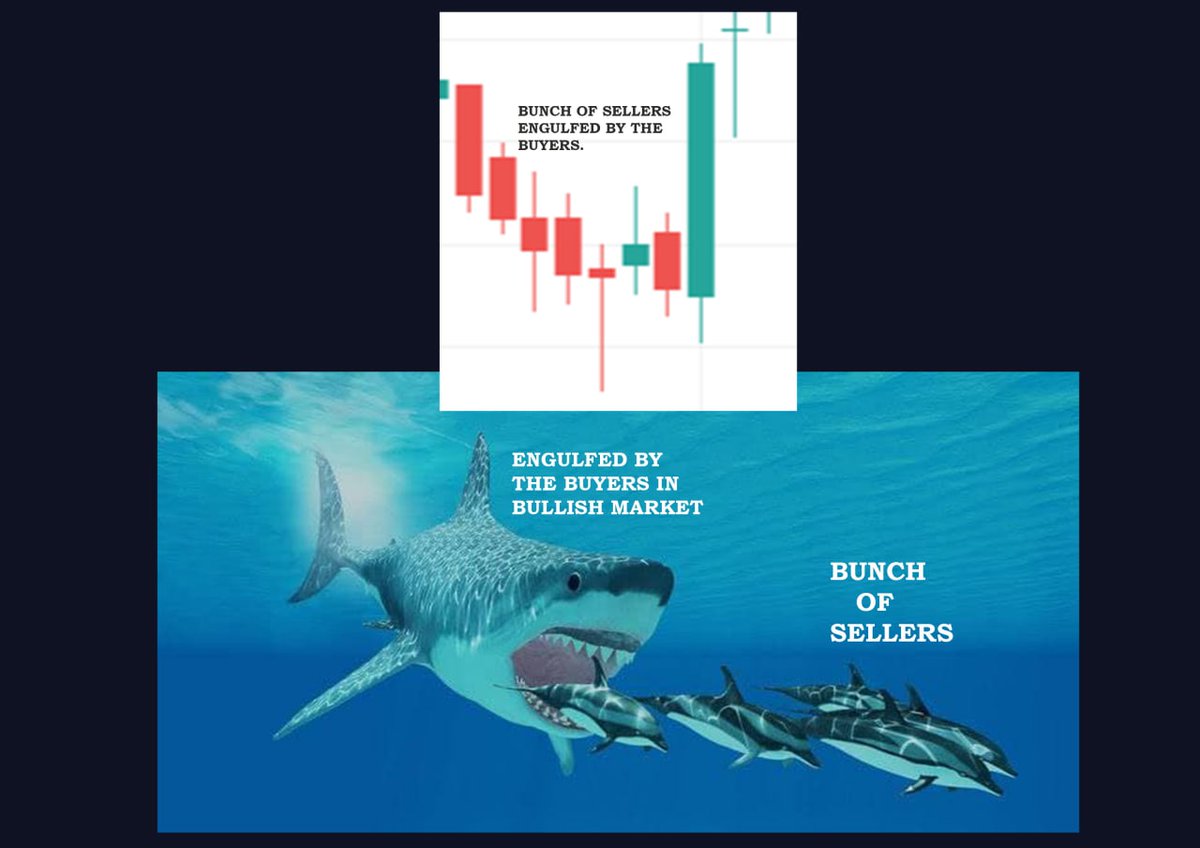
Type 1 - Buyers aggression
Type 2 - Sellers aggression
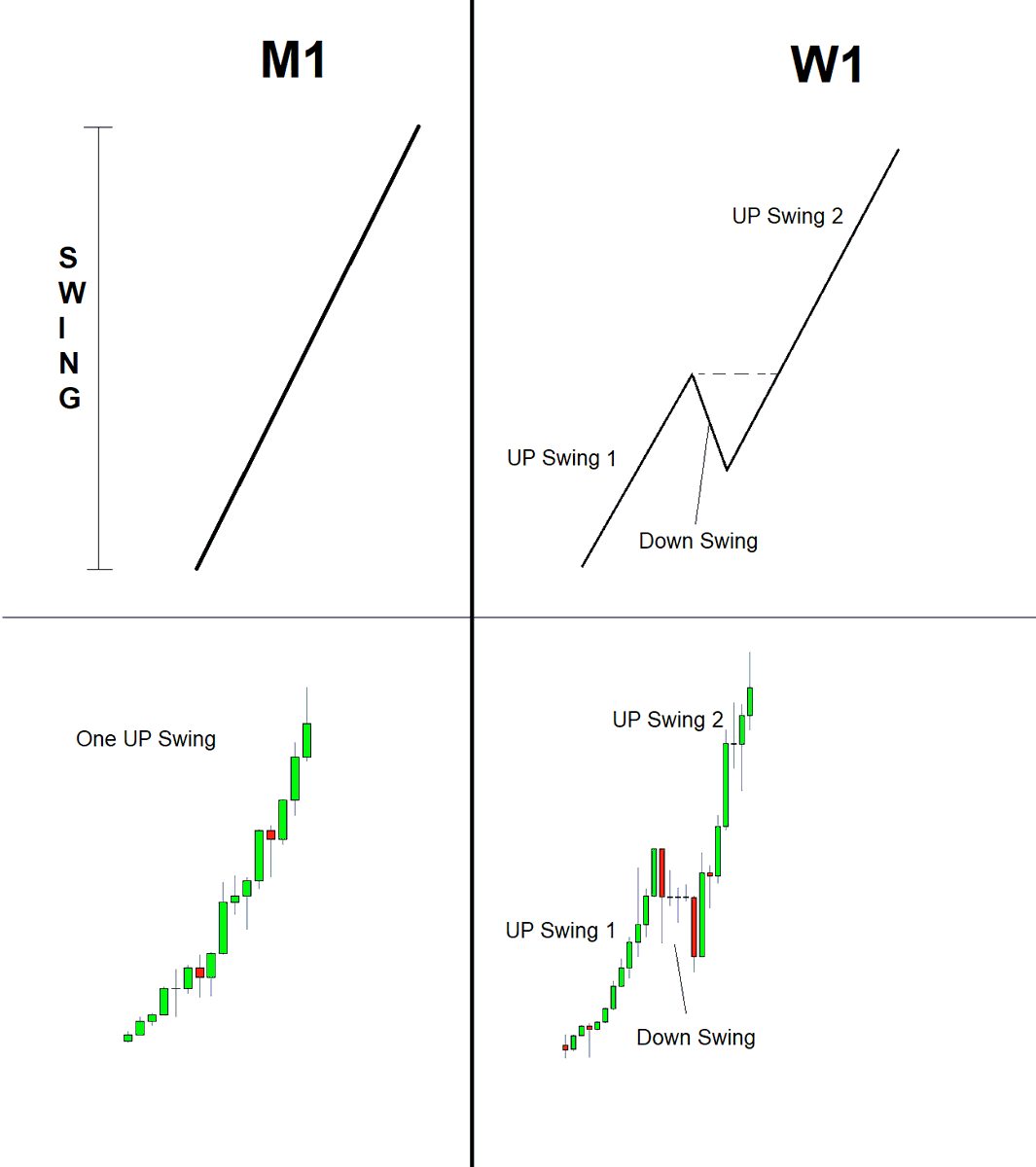
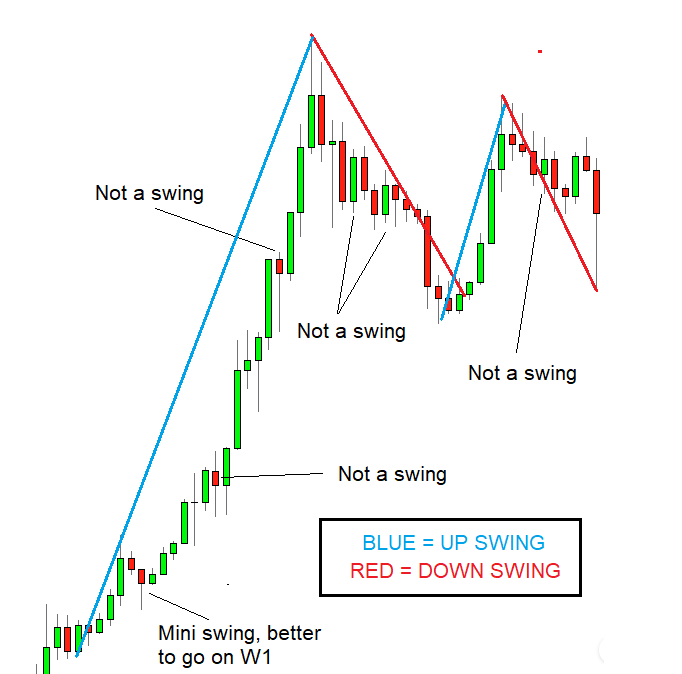
Type 3 - Full confusion

Follow stay away approach when you are confused
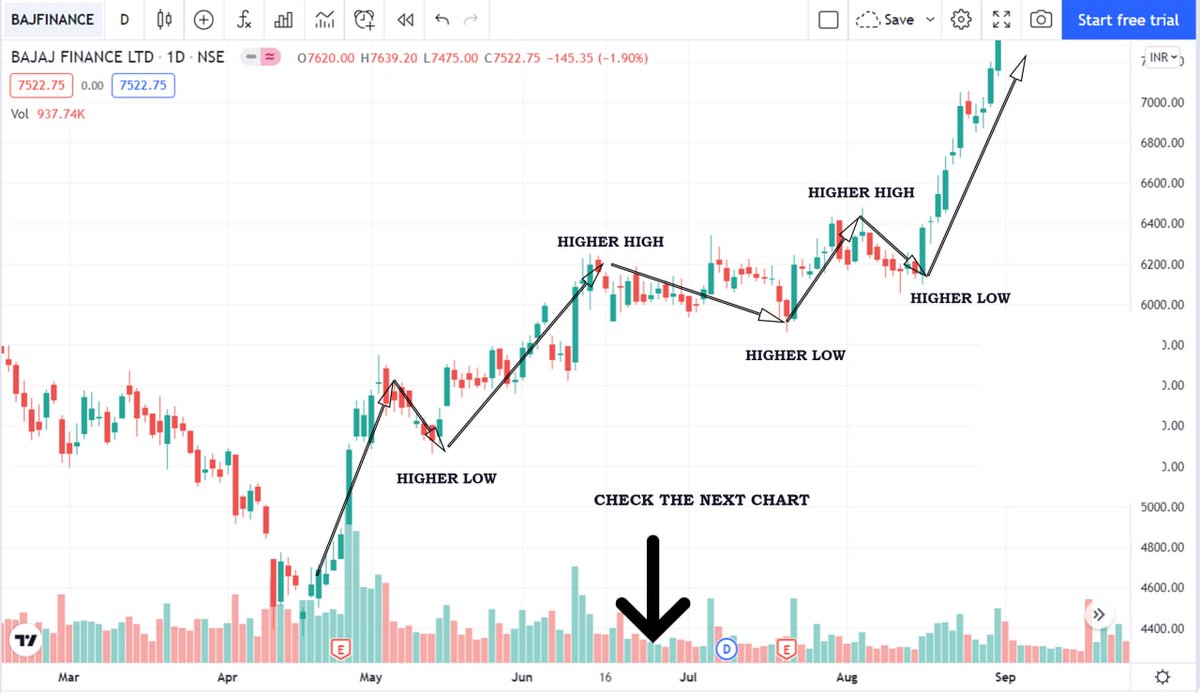
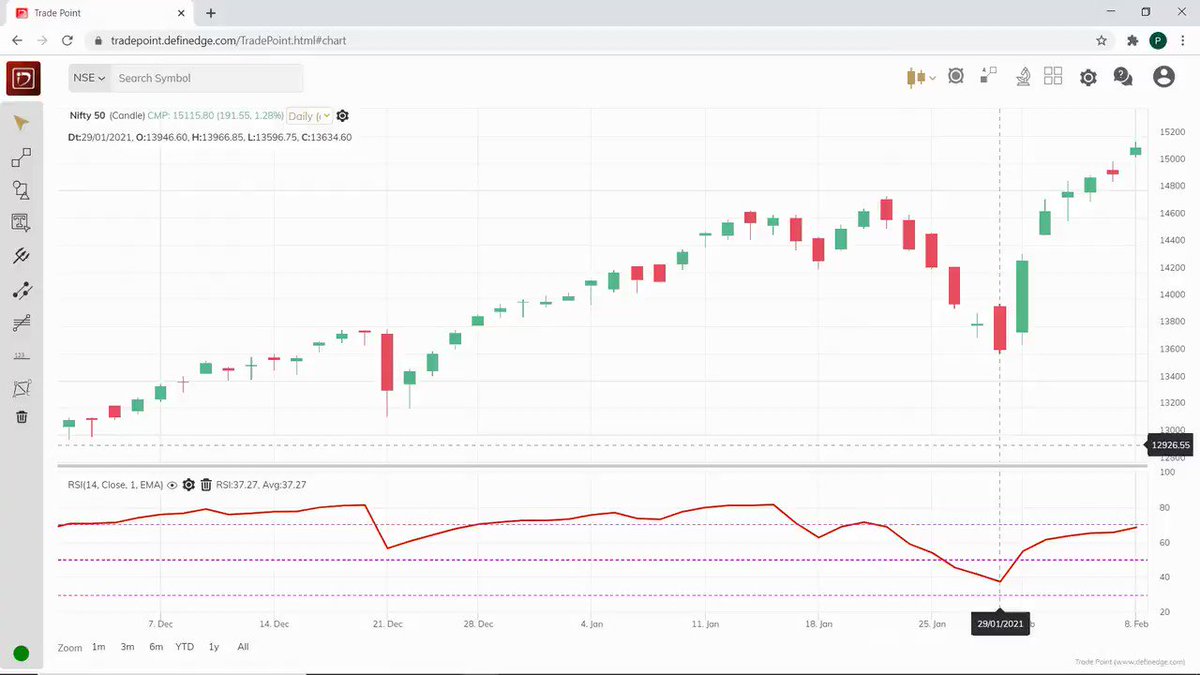
Chart 1. Looking at candlesticks formation at reference levels is way more better than looking candlesticks everywhere or every second
Chart 2
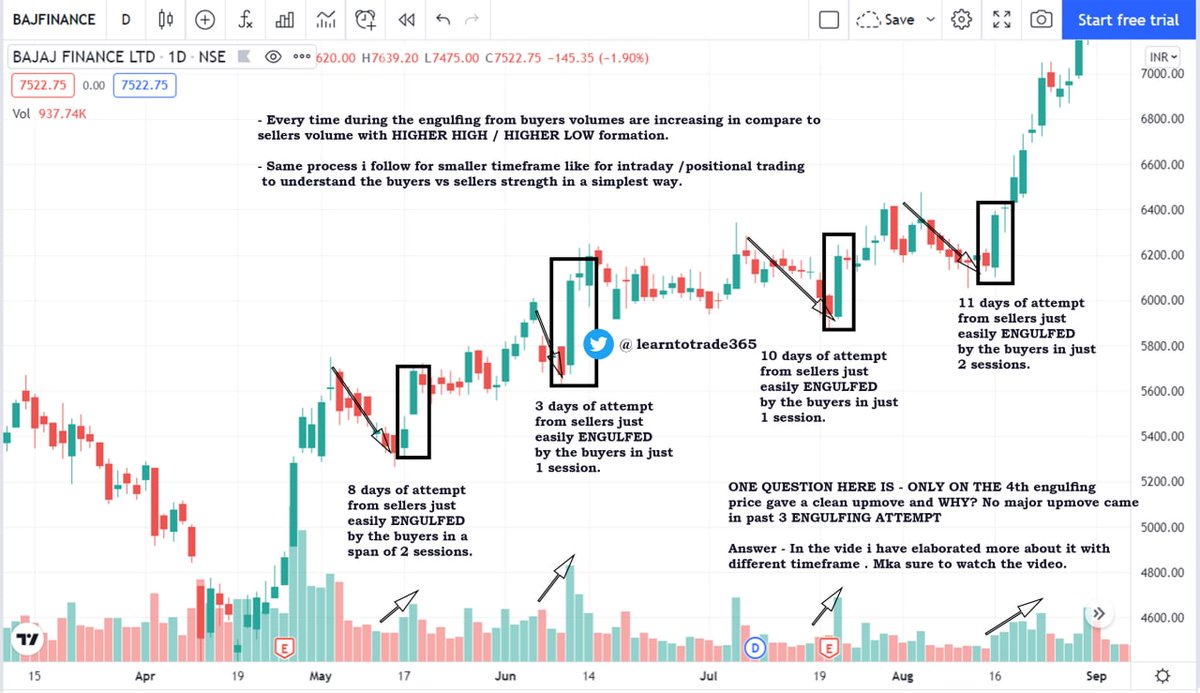
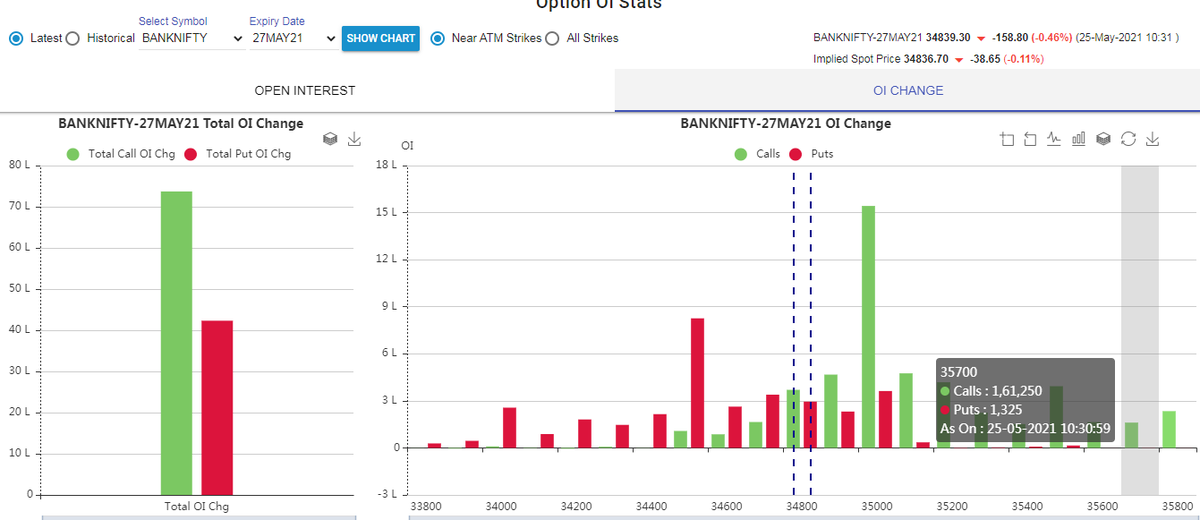
Chart 3. Make your trading style as simple as possible

A small thread of Part 1 will share more examples in upcoming days and will try to post some live examples during market hours.

More from Learn to Trade

MEGA LEARNING THREAD

The thread contain all the FREE CONTENT which I have shared so far.

Everyone support us by RETWEET & LIKE so it can reach wider and benefit many traders.

YouTube channel - https://t.co/pUUwDN7IO5

Telegram channel - https://t.co/VU0bCGjU7s


Make sure scroll down till last tweet in this thread and learn from all the below content shared related Trading.

Join the Telegram channel for live market updates

Scroll down

Price Action Trading Strategy for Directional traders

Scroll down


VWAP + PIVOT POINTS Intraday Trading Strategy for Directional traders

Scroll down


Buyers vs Sellers - To identify index direction using candlesticks charts

Scroll down

More from Stocklearnings

You May Also Like

"I really want to break into Product Management"

make products.

"If only someone would tell me how I can get a startup to notice me."

Make Products.

"I guess it's impossible and I'll never break into the industry."

MAKE PRODUCTS.

Courtesy of @edbrisson's wonderful thread on breaking into comics –
https://t.co/TgNblNSCBj – here is why the same applies to Product Management, too.


There is no better way of learning the craft of product, or proving your potential to employers, than just doing it.

You do not need anybody's permission. We don't have diplomas, nor doctorates. We can barely agree on a single standard of what a Product Manager is supposed to do.

But – there is at least one blindingly obvious industry consensus – a Product Manager makes Products.

And they don't need to be kept at the exact right temperature, given endless resource, or carefully protected in order to do this.

They find their own way.