1) Hubspot introduced/created the term inbound marketing.
Founders Brian Halligan and Dharmesh Shah grew their inbound marketing software business (founded in 2006) to an IPO in 2014 at $25/share (now around $450).
They are the 2nd fastest SMB SasS company to IPO
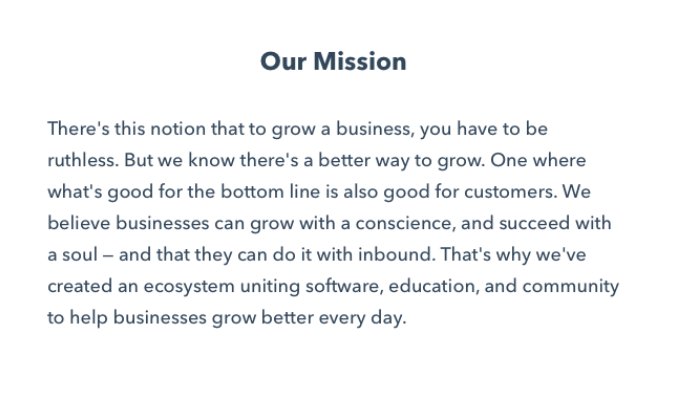
2) They noticed a shift in the way people shop/buy. Consumers weren’t tolerating interruptive ads and were ignoring them.
Part of this shift was due to the internet/Google. People now had the power to do their own research to find products that could help solve their problem
3)Theme: Inbound Marketing
They learned conversion rates from inbound/organic leads compared to outbound/paid were more than double. It was cheaper to acquire traffic and resulted in higher quality leads. 75% of their lead gen was inbound, focusing on blogs, webinars, free tools
4) Strategy 1: Blog
They share resources/tips/steps to improve your inbound marketing. They drew people to their posts, provided value, and added a unique CTA related to the topic at the end to capture the lead.
The blog resulted in 20% of their organic leads and 3x their leads
5)Strategy 2: SEO
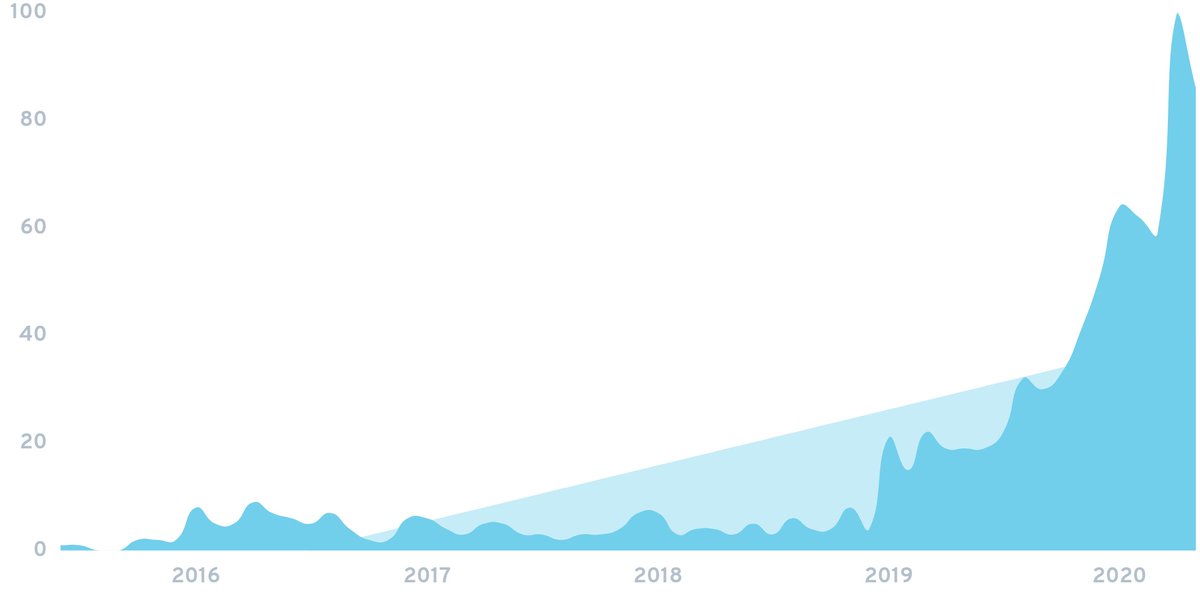
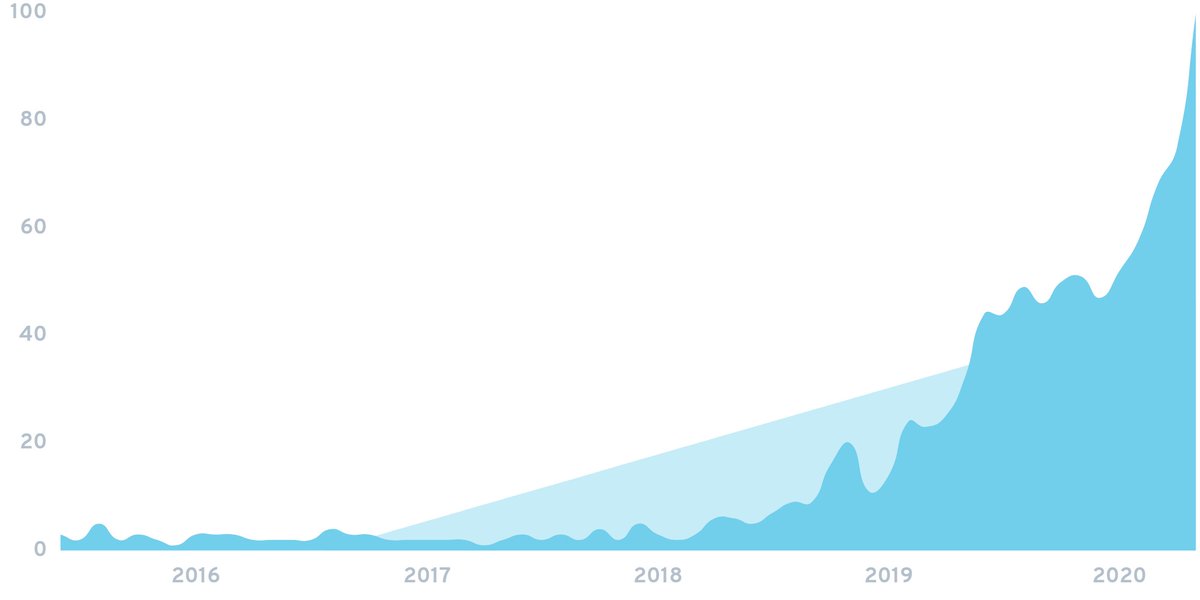
They created over 50 pieces of content/week, targeting popular keywords related to inbound. In 2009, they ranked first on Google for phrases like “website leads” and “grow email list.” After a few years, any search related to inbound, Hubspot would appear
Today
6) Strategy 3: Webinars
In 2008 Hubspot started creating webinars, and it became one of their strongest lead gen tactics.
They attracted a lot of people by providing value in this form. They used webinars to educate users, generate buzz, attract website visitors, and grow leads
7) They ran 2 types of webinars:
1. Educational
2. Software Demonstrations
The conversion rate on the product demo’s was really high (10-20% signed up would buy) but lower for education, however they generated much bigger audiences for the educational webinars
8) In 2009, Hubspot held a webinar on using twitter for marketing/PR, which got over 3,000 sign ups and tons of new followers.
For webinars they used Twitter as a discussion tool, allowing people to ask questions, chat, and engage with each other.
9) They were the first company to use twitter for discussions. Also many of their hashtags from the webinars became a trending topic on twitter.
More than 5 of their webinars were global top 10 trending topics. One of their most popular webinars had 13000 sign ups.
10) Strategy 4: Free tools
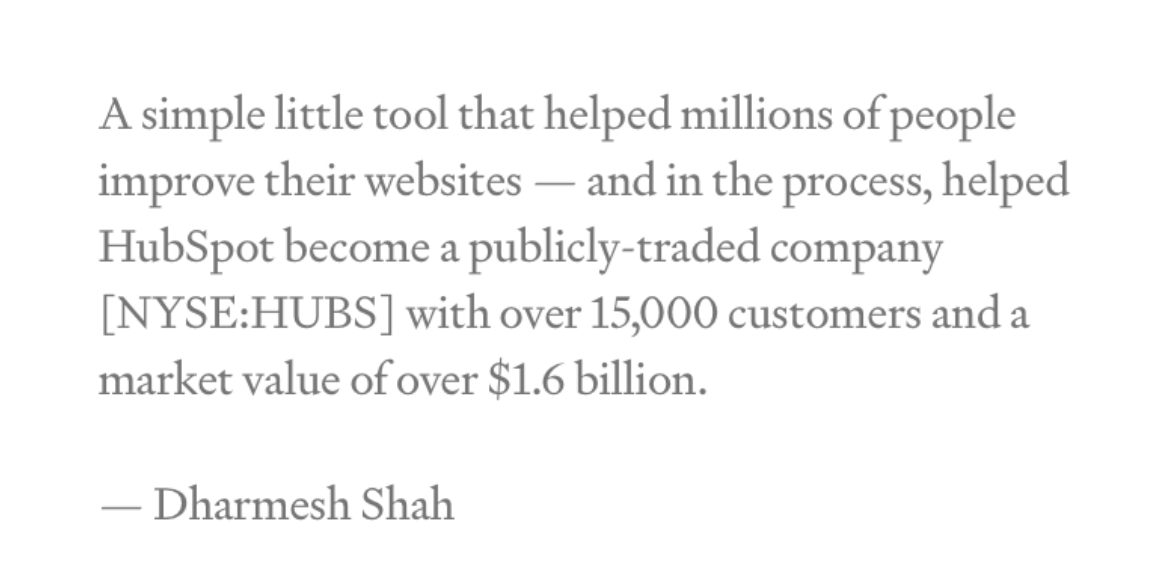
Hubspot created free tools that generated tons of organic leads. The most popular was their free Website Grader. Anyone could enter a URL and get insights about the sites performance. Between 2006-2011 the tool graded more than 4 million websites
11) Twitter grader, a tool made in 2009, sparked viral awareness with users sharing their twitter scores while tagging Hubspot.
This was early when business owners were still trying to figure out the ultimate value of social media.
12) Strategy 5: Subdomains
2 key sites were
https://t.co/31q4r1dbgK (hub for marketers to connect, learn, find jobs - over 200k members when launched 2013) and
https://t.co/KvzKfvxrnz (medium publication launched in 2015, reaching 160k views/month).
This built a strong community
13) Strategy 6: Conference
In 2013 they launched their first conference called Inbound, running interactive workshops where guests could get a certification. It attracted 500 marketers in year 1 growing to 26k in 2020. The conference generated buzz and hasn’t stopped growing
14) Note on inbound marketing:
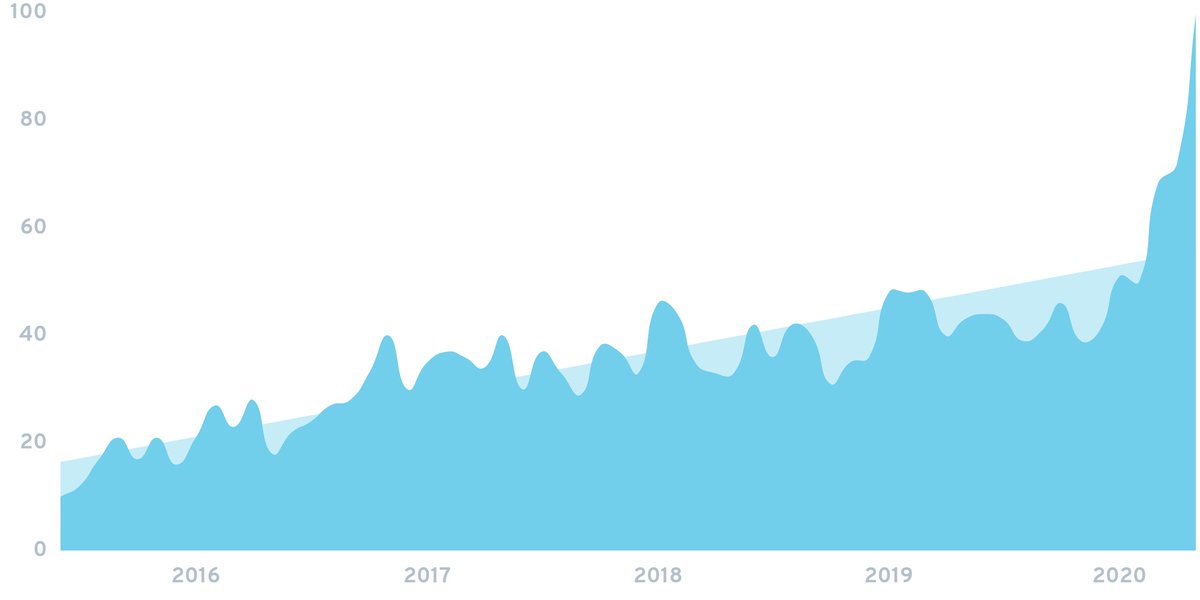
Inbound marketing is a long term growth strategy, however once the effect truly kicks in, it can lead to steady exponential growth. Hubspot's growth from 2006-2009 was impressive but still relatively slow compared to 2010+
It’s a worthy investment.
15) Hubspot today:
- $1B+ ARR
- 100k+ Users
- 21B market cap
Key to growth:
- Strong understanding of inbound marketing
- Value based approach through free tools/webinars/blog
- Producing tons of valuable content consistently
- Optimized for SEO
16) I hope you liked this thread on Hubspots Inbound strategy!
Subscribe to my Substack for a more in depth breakdown on Hubspot
https://t.co/ZmIRez6hGD And follow me on Twitter for a new thread like this every week!