
+
A thread (a mostly apocryphal yet would love to believe in story) on John Bart King: Greatest of all American cricketers. (Yes, they did played cricket during late 1800s to early 1900s)
Story from @Ram_Guha edited book, 'The Picador book of Cricket'
#Cricket
+
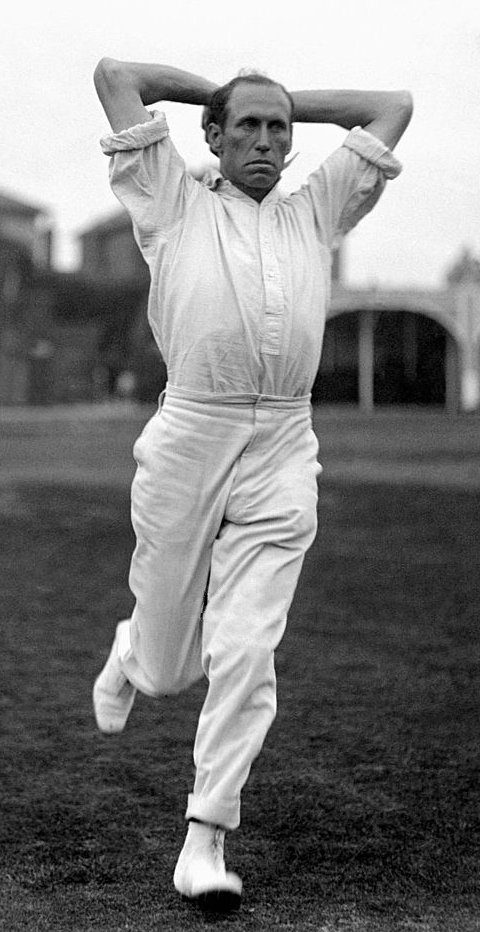
+
+
+
+
+
+
+
+
+
+
+
‘For heaven’s sake,’ he demanded, ‘you said you didn’t want a wicketkeeper, but what do you want him for?’
‘He’s not a wicketkeeper,’ said King. ‘He’s not even a fielder.’
+
‘I’ve given the umpires enough trouble already,’ said King. ‘He’s there to pick up the bails.’
King, so the story goes, then ran up and hit the stumps with a fast ‘angler’. The fieldsman bent down & gathered up the bails, which had fallen at his feet.
End
🙌😅
More from Sport

1/ The Queen's Gambit is apparently causing demand for chess to surge!
I play daily and coach at my kid's school, so I love seeing the interest
If you're want to learn about chess, here are some great free resources (thread)

2/ How to play & basics
Great YouTube
3/ Opening principles
https://t.co/DGpYH4FzY2
@thechesswebsite
4/ Common beginner
5/ Advanced topics
Chess Holes:
https://t.co/hBwFFjV7RC
6 Power Moves of
I play daily and coach at my kid's school, so I love seeing the interest
If you're want to learn about chess, here are some great free resources (thread)
2/ How to play & basics
Great YouTube
3/ Opening principles
https://t.co/DGpYH4FzY2
@thechesswebsite
4/ Common beginner
5/ Advanced topics
Chess Holes:
https://t.co/hBwFFjV7RC
6 Power Moves of

When thinking about who to play in DM for Leeds the word "role" is important. Let's have a think about the role:
A lot of people think Struijk isn't good enough in the build-up phase. Well, what does the DM do in build-up?
Here's a passing network from last season:
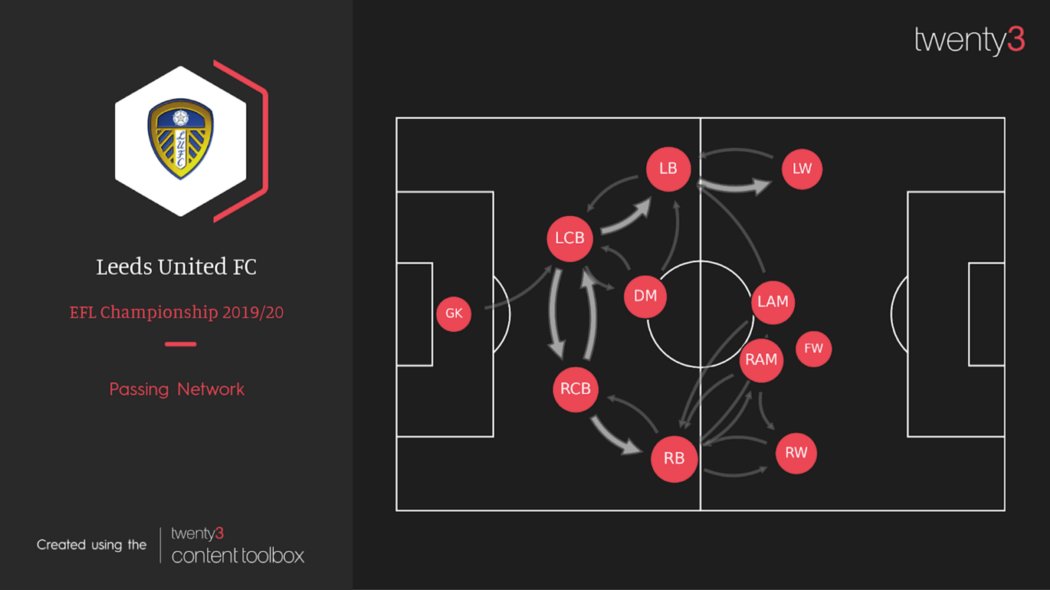
As you can see, Phillips' role in the Championship last season was largely facilitating build up in the wide area (on the left interestingly).
Per Wyscout, Phillips is putting up a figure of 7.03 long passes per 90 minutes and completes around 59%. Last season he was making 6.94 long passes per 90 mins at around 52%.
Per dribbles he's putting up similar numbers across both seasons (between 1 and 1.5 p90) and per duels he's putting up the same number (20 p90).
All of this suggests his role hasn't changed much over the last couple of seasons.
This exactly. I think the 8 and fullback roles in this system share quite a lot of common attributes, even forgetting how Bielsa looks to hybrid them in 3-3-1-3. No wonder that we've seen Dallas, Shackleton, Gotts etc play both. And these roles play to Dallas' strengths.
— Jacob Standbridge (@PocketTrumpeter) February 13, 2021
A lot of people think Struijk isn't good enough in the build-up phase. Well, what does the DM do in build-up?
Here's a passing network from last season:
As you can see, Phillips' role in the Championship last season was largely facilitating build up in the wide area (on the left interestingly).
Per Wyscout, Phillips is putting up a figure of 7.03 long passes per 90 minutes and completes around 59%. Last season he was making 6.94 long passes per 90 mins at around 52%.
Per dribbles he's putting up similar numbers across both seasons (between 1 and 1.5 p90) and per duels he's putting up the same number (20 p90).
All of this suggests his role hasn't changed much over the last couple of seasons.










You May Also Like








BREAKING: @CommonsCMS @DamianCollins just released previously sealed #Six4Three @Facebook documents:
Some random interesting tidbits:
1) Zuck approves shutting down platform API access for Twitter's when Vine is released #competition
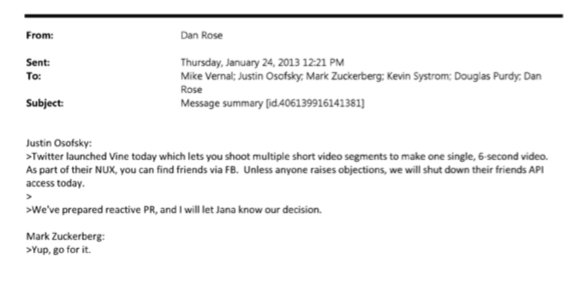
2) Facebook engineered ways to access user's call history w/o alerting users:
Team considered access to call history considered 'high PR risk' but 'growth team will charge ahead'. @Facebook created upgrade path to access data w/o subjecting users to Android permissions dialogue.
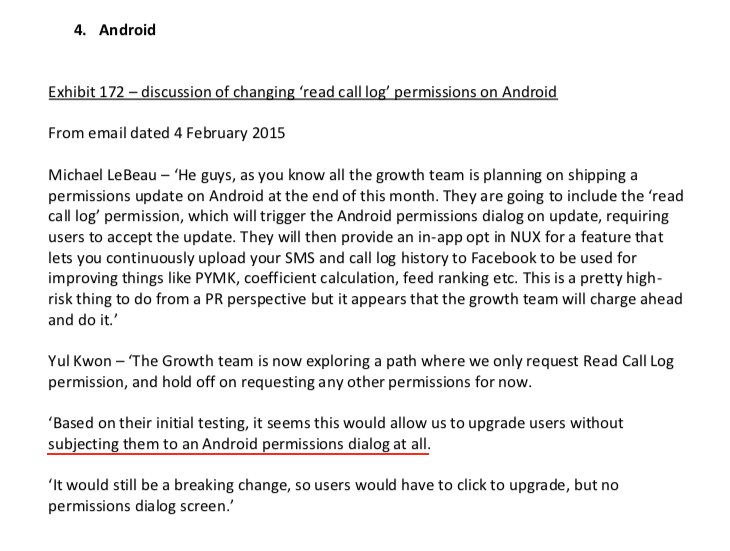
3) The above also confirms @kashhill and other's suspicion that call history was used to improve PYMK (People You May Know) suggestions and newsfeed rankings.
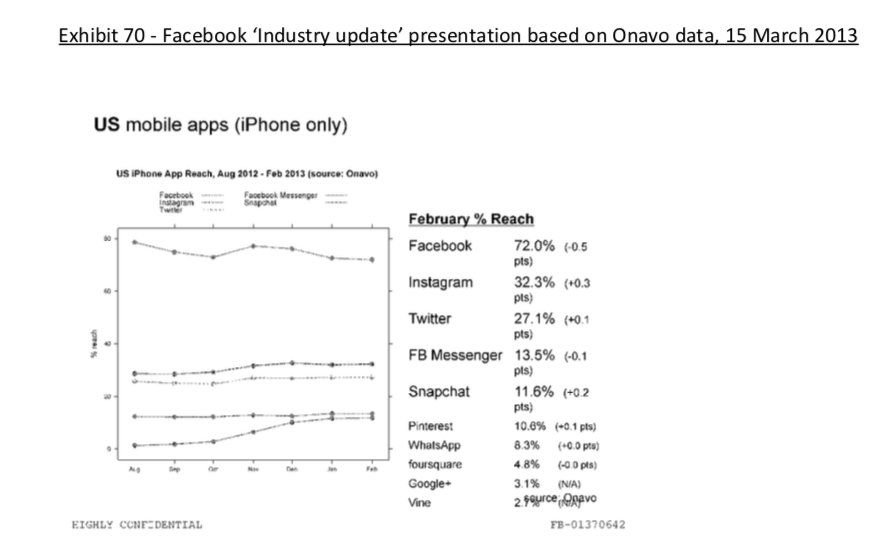
4) Docs also shed more light into @dseetharaman's story on @Facebook monitoring users' @Onavo VPN activity to determine what competitors to mimic or acquire in 2013.
https://t.co/PwiRIL3v9x
Some random interesting tidbits:
1) Zuck approves shutting down platform API access for Twitter's when Vine is released #competition
2) Facebook engineered ways to access user's call history w/o alerting users:
Team considered access to call history considered 'high PR risk' but 'growth team will charge ahead'. @Facebook created upgrade path to access data w/o subjecting users to Android permissions dialogue.
3) The above also confirms @kashhill and other's suspicion that call history was used to improve PYMK (People You May Know) suggestions and newsfeed rankings.
4) Docs also shed more light into @dseetharaman's story on @Facebook monitoring users' @Onavo VPN activity to determine what competitors to mimic or acquire in 2013.
https://t.co/PwiRIL3v9x


