For wannabe runners ...
Run only 3-4 days a week , Plan long run in the weekend , 2 days mandatory strength training ,( boring as hell ) , but has to be done , 1 day complete rest - Work on glute stability & balance , largely underrated , walk as much as you can .
More from Sport


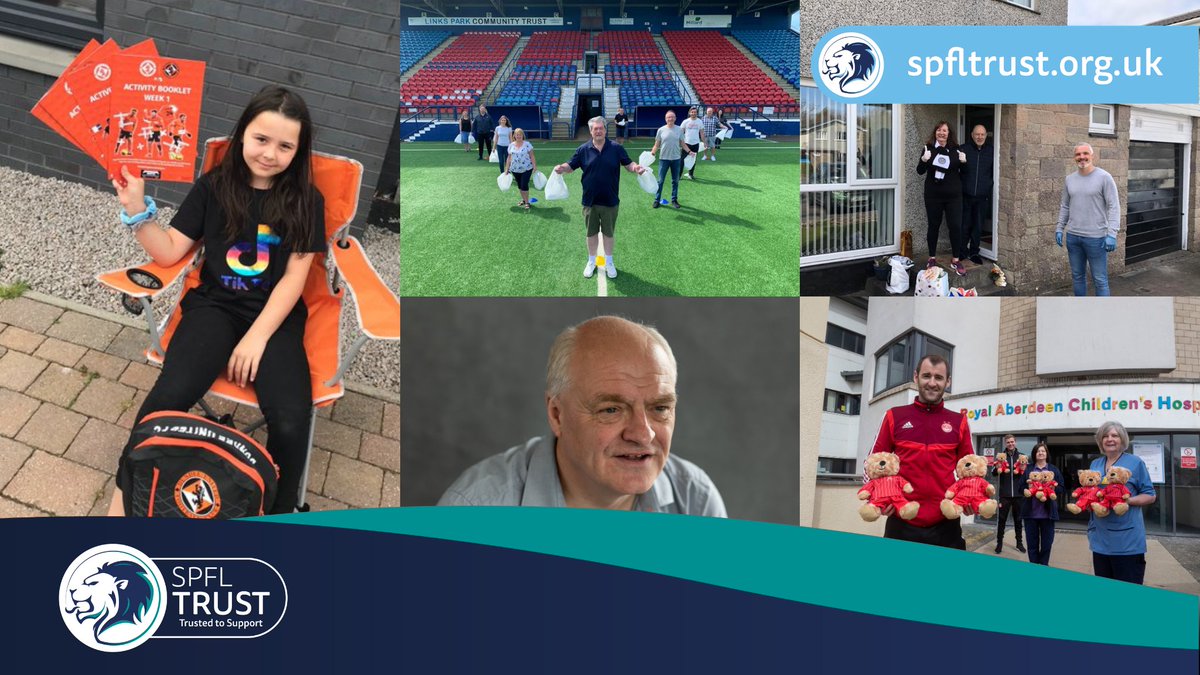
What a year it's been. It hasn't been easy for anyone in 2020, but we've seen @spfl clubs and community trusts across Scotland step up to support those in need.
Let's have a little thread to celebrate 12 months of extraordinary commitment.
❤️🧡💛💚💙💜🤎🖤🤍
/1
We kicked off the year with Football Fans in Training.
#BeYourOwnHero
Alison wasn't actually a @PartickThistle fan (albeit she kinda fell for the Jags with help from her partner). This was her story... 💪🏽
#BeYourOwnHero
Also in January we revealed that @JamTarts would join our @JoyofMovingUK programme, becoming the third club in Scotland to deliver the project to primary schools, across Edinburgh.
In Feb, we revealed @CashBackScot is to fund a new SPFL Trust project with five @spfl clubs / communities trusts to tackle anti-social behaviour.
Off the Bench will feature:
⚪️ @DundeeFCCT
⚪️ @falkirkfcf
⚪️ @bighearts
⚪️@community_mfcct
⚪️
Let's have a little thread to celebrate 12 months of extraordinary commitment.
❤️🧡💛💚💙💜🤎🖤🤍
/1
We kicked off the year with Football Fans in Training.
#BeYourOwnHero
Hero: a person who is admired for having done something very brave, or having achieved something great. #BeYourOwnHero pic.twitter.com/KZ6p0u0dNi
— SPFL Trust (@SPFLTrust) January 10, 2020
Alison wasn't actually a @PartickThistle fan (albeit she kinda fell for the Jags with help from her partner). This was her story... 💪🏽
#BeYourOwnHero
\u25b6\ufe0f Watch | Alison is our latest FFIT hero. She admits she wasn\u2019t even a football fan, but loved the support and camaraderie of our programme. It helped encouraged her to lose four stone!
— SPFL Trust (@SPFLTrust) January 18, 2020
\U0001f501 RT to share
\U0001f44a\U0001f3fc #BeYourOwnHero pic.twitter.com/wWDdsiOesp
Also in January we revealed that @JamTarts would join our @JoyofMovingUK programme, becoming the third club in Scotland to deliver the project to primary schools, across Edinburgh.
In Feb, we revealed @CashBackScot is to fund a new SPFL Trust project with five @spfl clubs / communities trusts to tackle anti-social behaviour.
Off the Bench will feature:
⚪️ @DundeeFCCT
⚪️ @falkirkfcf
⚪️ @bighearts
⚪️@community_mfcct
⚪️





You May Also Like





Krugman is, of course, right about this. BUT, note that universities can do a lot to revitalize declining and rural regions.
See this thing that @lymanstoneky wrote:
And see this thing that I wrote:
And see this book that @JamesFallows wrote:
And see this other thing that I wrote:
One thing I've been noticing about responses to today's column is that many people still don't get how strong the forces behind regional divergence are, and how hard to reverse 1/ https://t.co/Ft2aH1NcQt
— Paul Krugman (@paulkrugman) November 20, 2018
See this thing that @lymanstoneky wrote:
And see this thing that I wrote:
And see this book that @JamesFallows wrote:
And see this other thing that I wrote: