
This book on Market Breadth is from 2005. This led me to move in this direction and I improvised with day to day REAL trades experience and observations.
By your logic, anyone using this concept after 2005 is stealing from here. https://t.co/vWx8GaqrRp
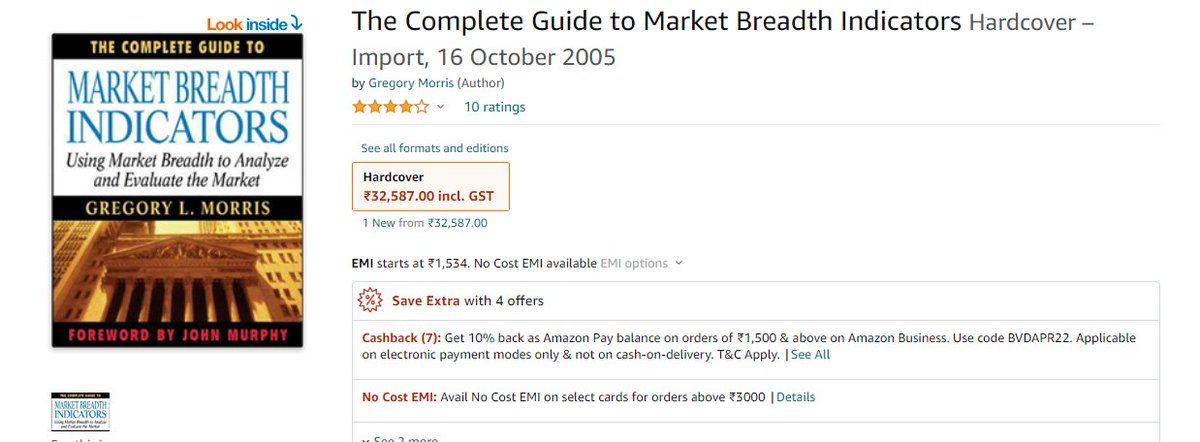
just to be clear he is referring @iManasArora who stole work of @PradeepBonde and did not gave any credit
— Long-Term Equity Trading\U0001f4c8 (@LTE_Trading) April 25, 2022
More from Manas Arora
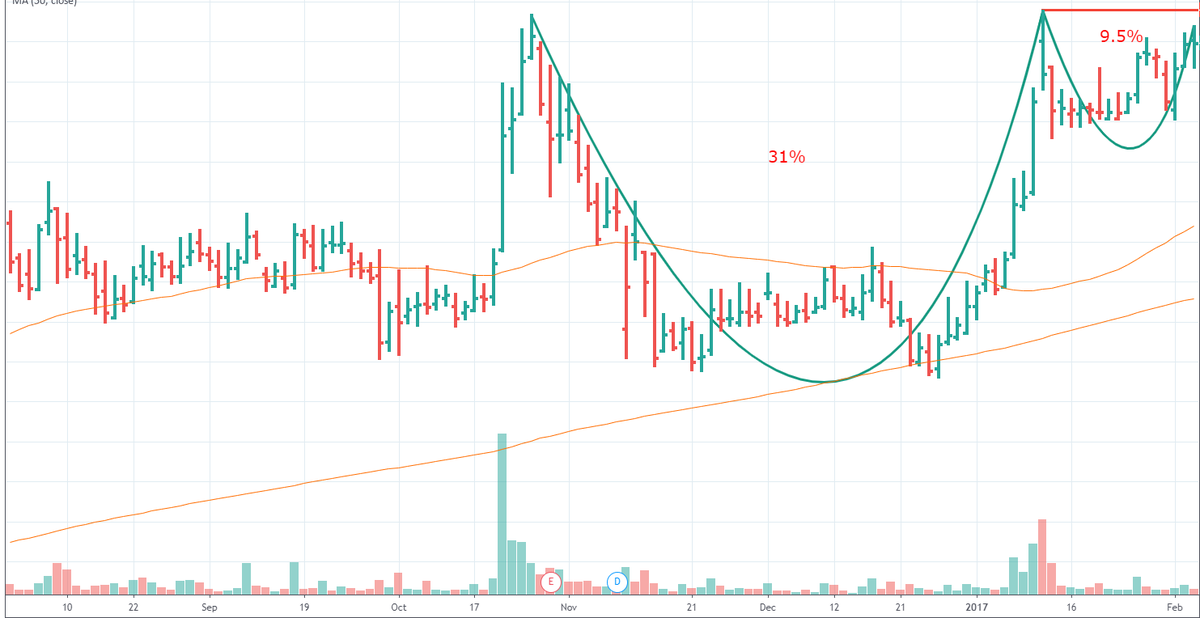
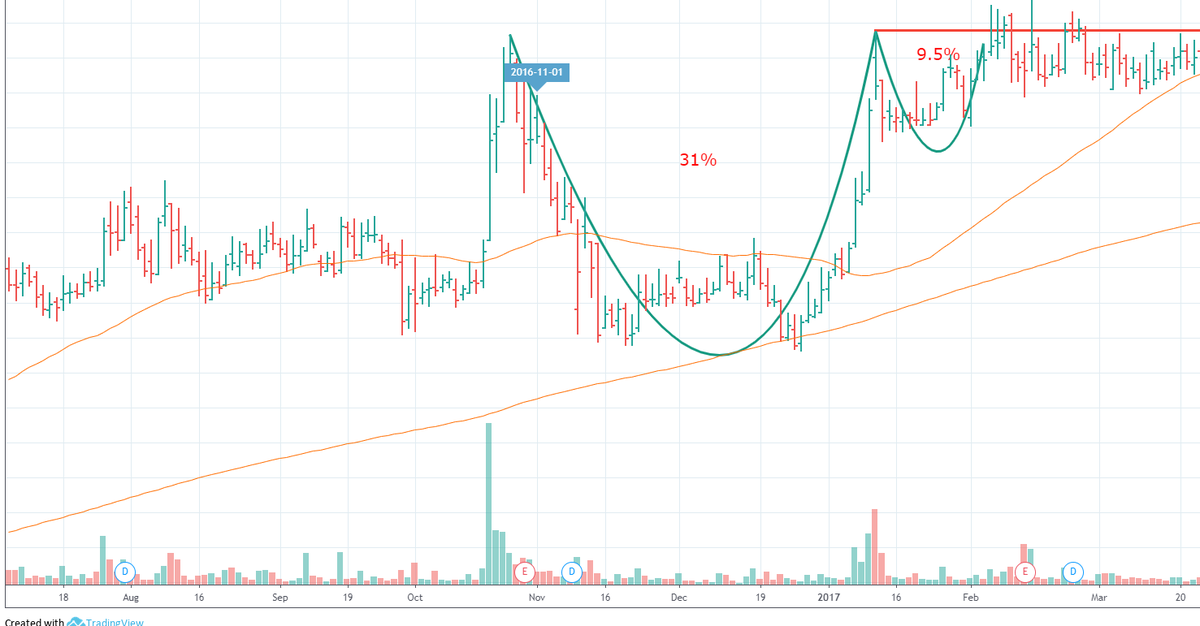
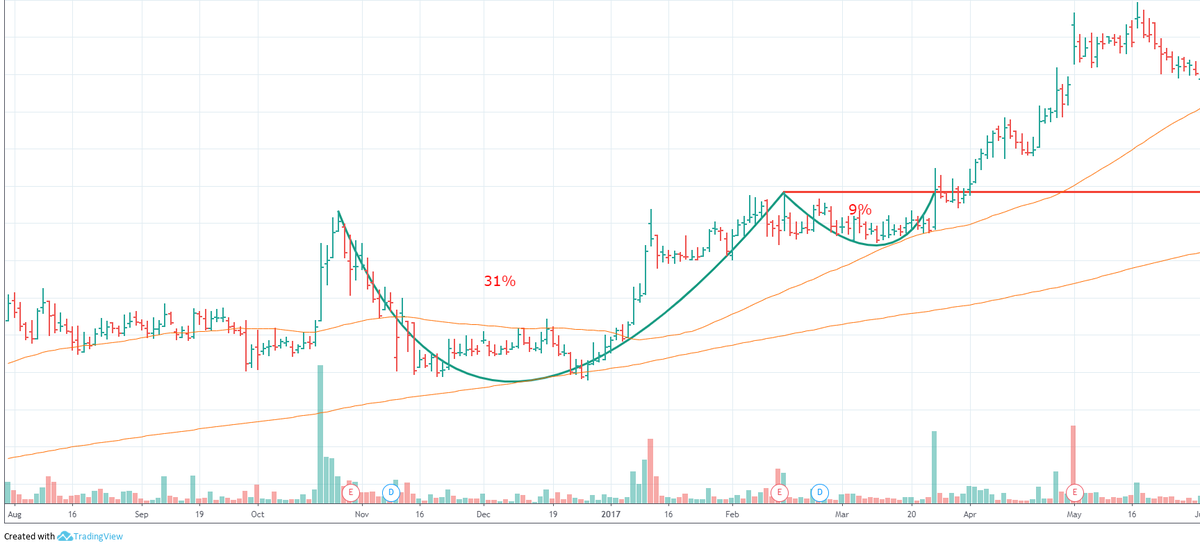
Everything you need to learn to make money from breakouts is by studying these trades.
Notice how strong the trend was, volume pre & post-breakout etc. They have so much in common. This is my bread & butter. I just repeat this day-in & day-out. No rocket science
#BroTip
1/2
https://t.co/AeUkzgVM7S
https://t.co/1znMi5Cjgk
https://t.co/5R1i8ijiUY
https://t.co/VOVTxOdPCv
https://t.co/vhBIwLuk8q
https://t.co/3xcKeJtmYe
https://t.co/PXjWVPVsLz
https://t.co/SBkSALkL3U
https://t.co/NBNSLTaD5O
https://t.co/JS08fLd4PI
2/2
Notice how strong the trend was, volume pre & post-breakout etc. They have so much in common. This is my bread & butter. I just repeat this day-in & day-out. No rocket science
#BroTip
1/2
https://t.co/AeUkzgVM7S
https://t.co/1znMi5Cjgk
https://t.co/5R1i8ijiUY
https://t.co/VOVTxOdPCv
https://t.co/vhBIwLuk8q
https://t.co/3xcKeJtmYe
https://t.co/PXjWVPVsLz
https://t.co/SBkSALkL3U
https://t.co/NBNSLTaD5O
https://t.co/JS08fLd4PI
2/2
More from Screeners


On the occasion of youtube 20k and Twitter 70k members
A small tribute/gift to members
Screeners
technical screeners - intraday and positional both
before proceeding - i have helped you , can i ask you so that it can help someone else too
thank you
positional one
run - find #stock - draw chart - find levels
1- Stocks closing daily 2% up from 5 days
https://t.co/gTZrYY3Nht
2- Weekly breakout
https://t.co/1f4ahEolYB
3- Breakouts in short term
https://t.co/BI4h0CdgO2
4- Bullish from last 5
intraday screeners
5- 15 minute Stock Breakouts
https://t.co/9eAo82iuNv
6- Intraday Buying seen in the past 15 minutes
https://t.co/XqAJKhLB5G
7- Stocks trading near day's high on 5 min chart with volume BO intraday
https://t.co/flHmm6QXmo
Thank you
A small tribute/gift to members
Screeners
technical screeners - intraday and positional both
before proceeding - i have helped you , can i ask you so that it can help someone else too
thank you
positional one
run - find #stock - draw chart - find levels
1- Stocks closing daily 2% up from 5 days
https://t.co/gTZrYY3Nht
2- Weekly breakout
https://t.co/1f4ahEolYB
3- Breakouts in short term
https://t.co/BI4h0CdgO2
4- Bullish from last 5
intraday screeners
5- 15 minute Stock Breakouts
https://t.co/9eAo82iuNv
6- Intraday Buying seen in the past 15 minutes
https://t.co/XqAJKhLB5G
7- Stocks trading near day's high on 5 min chart with volume BO intraday
https://t.co/flHmm6QXmo
Thank you

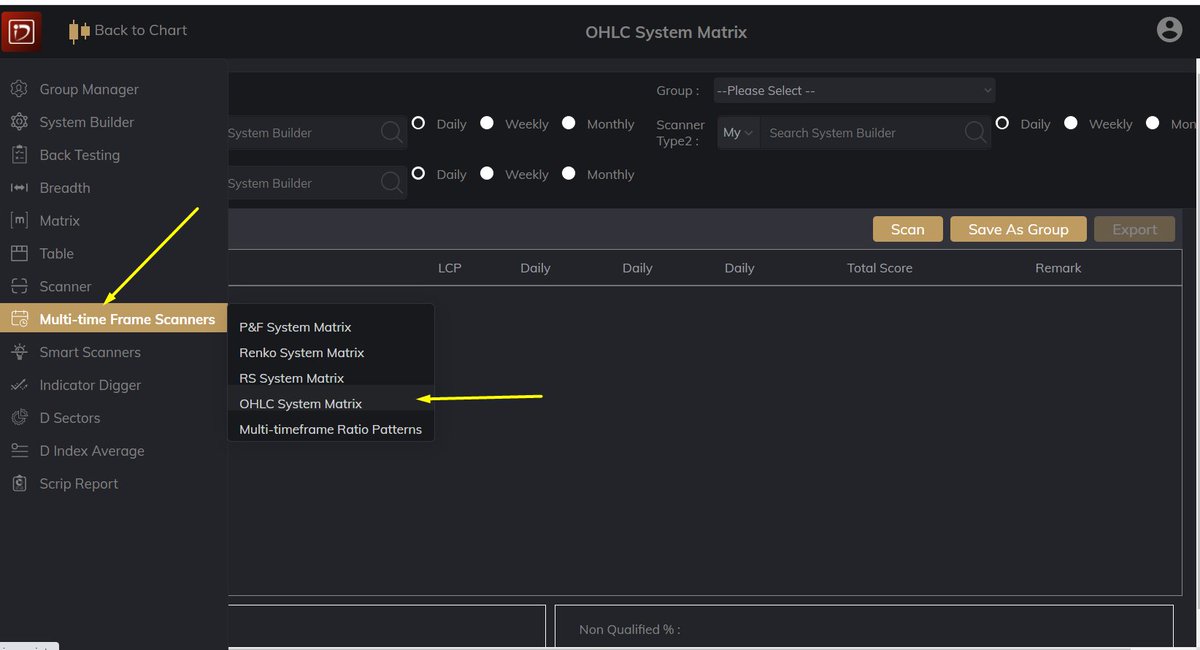
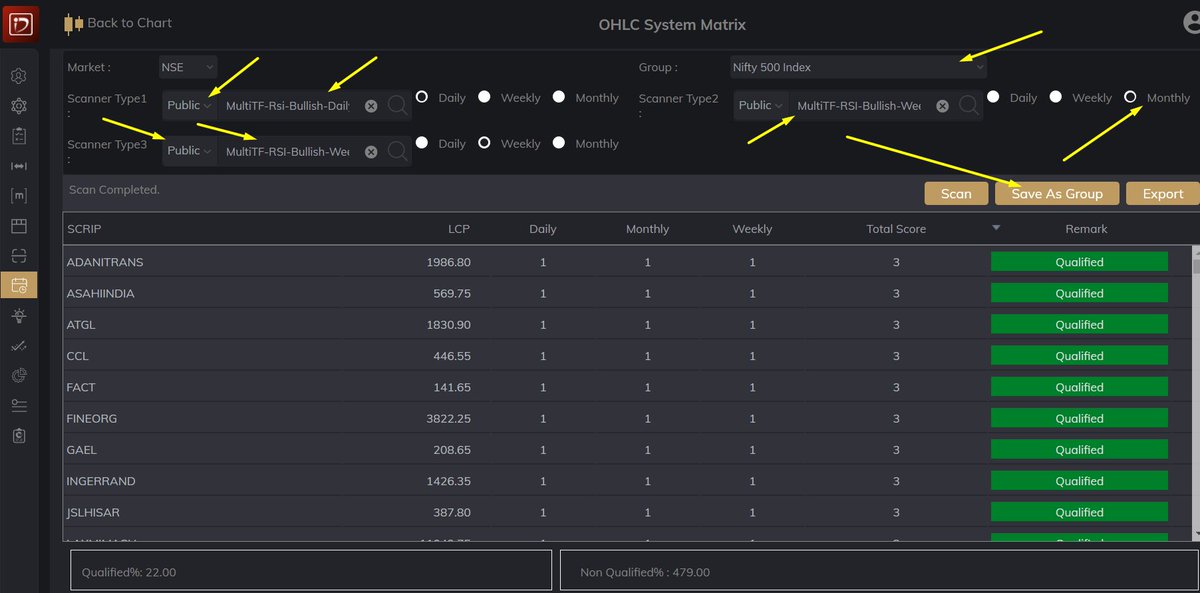


Most of the indices are entering oversold territories
Take small cap index for example
Whenever Monthly RSI is below or around 40, the index bottoms out
We are getting there.
If I had 50% cash, I would have deployed some in beaten down stocks where earnings growth is intact. https://t.co/t5WwgH1V5o
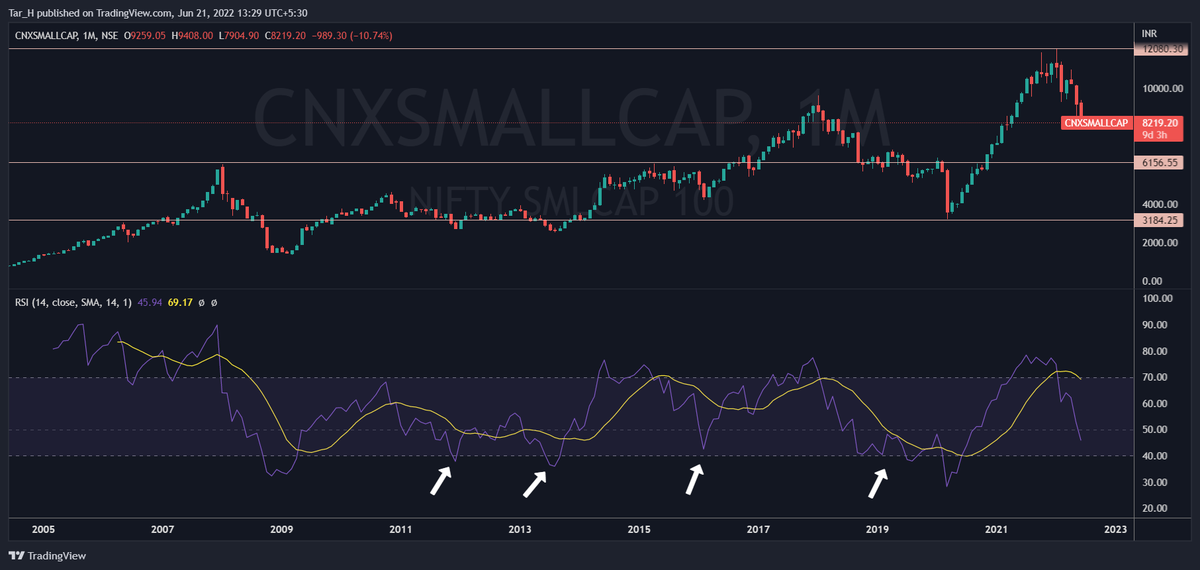
Take small cap index for example
Whenever Monthly RSI is below or around 40, the index bottoms out
We are getting there.
If I had 50% cash, I would have deployed some in beaten down stocks where earnings growth is intact. https://t.co/t5WwgH1V5o
I have more than 50% cash but still worried if this is a good time. Will invest 20% by EoY
— Tamil Metaverse (@TamilMetaverse) June 21, 2022
You May Also Like




@franciscodeasis https://t.co/OuQaBRFPu7
Unfortunately the "This work includes the identification of viral sequences in bat samples, and has resulted in the isolation of three bat SARS-related coronaviruses that are now used as reagents to test therapeutics and vaccines." were BEFORE the

chimeric infectious clone grants were there.https://t.co/DAArwFkz6v is in 2017, Rs4231.
https://t.co/UgXygDjYbW is in 2016, RsSHC014 and RsWIV16.
https://t.co/krO69CsJ94 is in 2013, RsWIV1. notice that this is before the beginning of the project
starting in 2016. Also remember that they told about only 3 isolates/live viruses. RsSHC014 is a live infectious clone that is just as alive as those other "Isolates".
P.D. somehow is able to use funds that he have yet recieved yet, and send results and sequences from late 2019 back in time into 2015,2013 and 2016!
https://t.co/4wC7k1Lh54 Ref 3: Why ALL your pangolin samples were PCR negative? to avoid deep sequencing and accidentally reveal Paguma Larvata and Oryctolagus Cuniculus?
Unfortunately the "This work includes the identification of viral sequences in bat samples, and has resulted in the isolation of three bat SARS-related coronaviruses that are now used as reagents to test therapeutics and vaccines." were BEFORE the
chimeric infectious clone grants were there.https://t.co/DAArwFkz6v is in 2017, Rs4231.
https://t.co/UgXygDjYbW is in 2016, RsSHC014 and RsWIV16.
https://t.co/krO69CsJ94 is in 2013, RsWIV1. notice that this is before the beginning of the project
starting in 2016. Also remember that they told about only 3 isolates/live viruses. RsSHC014 is a live infectious clone that is just as alive as those other "Isolates".
P.D. somehow is able to use funds that he have yet recieved yet, and send results and sequences from late 2019 back in time into 2015,2013 and 2016!
https://t.co/4wC7k1Lh54 Ref 3: Why ALL your pangolin samples were PCR negative? to avoid deep sequencing and accidentally reveal Paguma Larvata and Oryctolagus Cuniculus?
