Step 1: Multi-time frame analysis
This is done to:
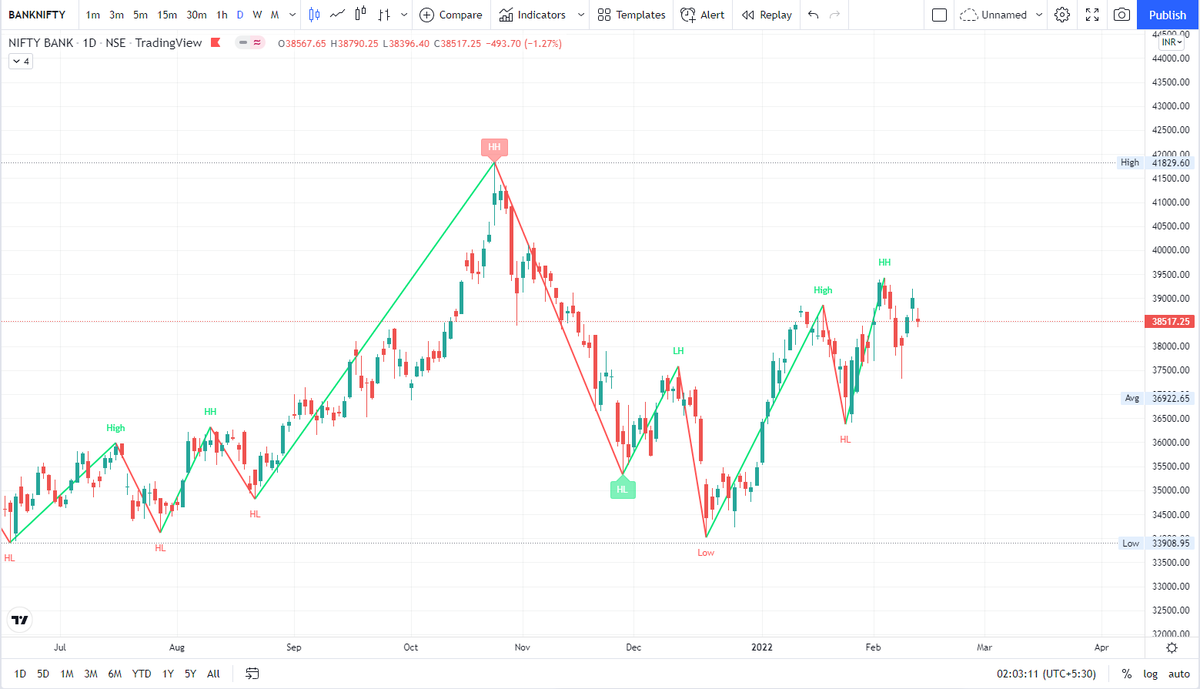
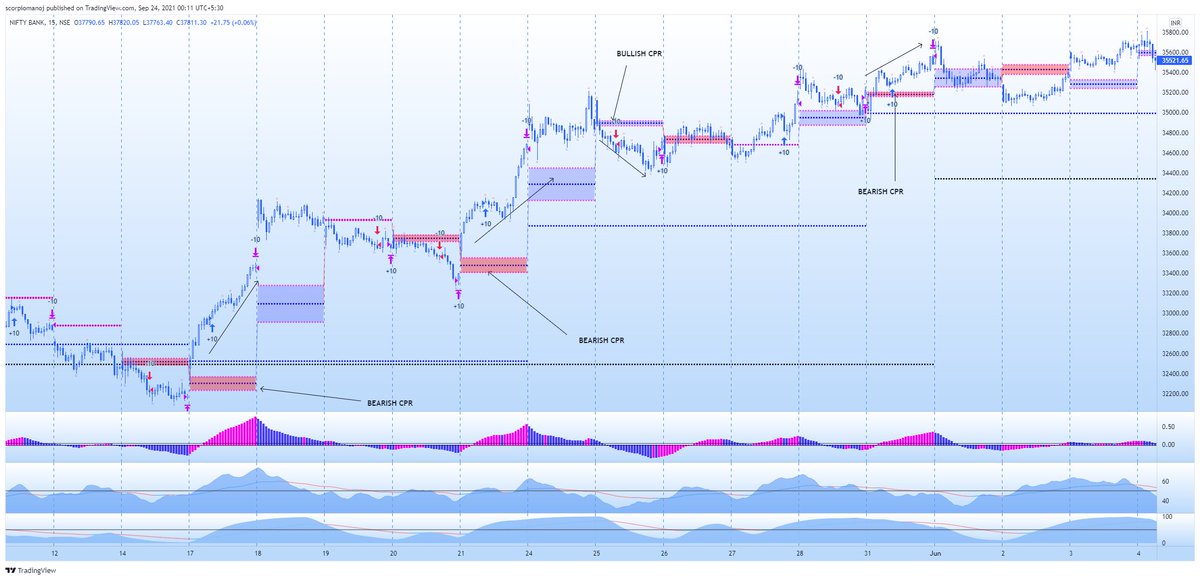
- Find the structure (HH-HL means bullish, LH-LL means bearish)
- Align trades with the trend on the longer timeframe
- Find important Support/Resistance levels
- Trendlines
She does this to find the direction and levels.
Step 2: Identify Patterns
There are two kinds of patterns:
1. Patterns on the chart. (Eg, symmetrical)
2. Candlestick patterns. (Eg, Bearish Engulfing)
She keeps a track of all these patterns and updates them on
@niki_poojary daily.
Trades all these patterns without fail.
Step 3: Option Chain analysis
In isolation, OI data won't work. It depends on the way you analyze it.
If you have a bullish view look for high Change in OI added on the put side. Vice versa for a bearish view.
This is just a confirming tool for the view that you've taken.
Simply knowing the direction doesn't mean that you'll make money.
After these, we need to figure out which options we will sell by managing our risk.
This depends on:
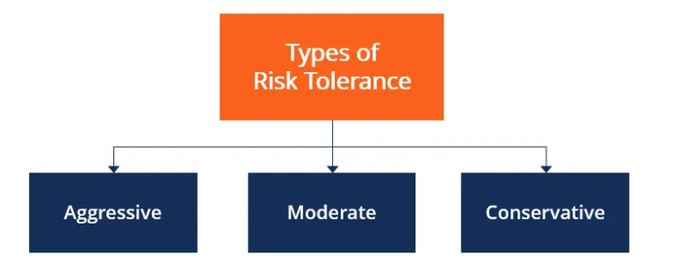
1. Individual's Risk-taking capacity
2. Conviction
3. Desired Return
4. A lot of practice
Step 4: Calculate what premiums of options you need to sell to make your desired return
If you are looking at a yearly target of 40% ROI, you need to make 0.75% every week.
For that, you only need to sell a 20rs option.
Check the strategy attached below as an example.
Step 5: Far away distance from the spot level.
You DO NOT need to trade in high premium strikes to make money.
I have seen many traders unnecessarily trade high premiums while not getting high ROI's.
Having a far-away distance gets you a very high probability to win.
Step 6: Position sizing
You should learn to deploy money in 10 lakh terms.
What I would recommend to new traders who are trying this method would be to deploy 2 lots per 10 lakh and trade initially.
After some success can scale up to 4/6/8 lots per 10 lakhs.
Step 7: Risk Management
An effective way to manage risk is to put a stop loss on your capital for the day. For eg, 1% loss on capital, divided into 4 trades.
In my experience, you should start by risking 0.25% per trade only until you get some profit money to increase the risk
Step 8: Money Management
If you're doing well and making money, it makes no sense to risk less when you can have the same views/logic and make more money.
Whenever capital is at an ATH, can start increasing the risk per trade.
When in a drawdown of 5% or more, lower the risk.
Step 9: Bonus Tip for newbies
I have seen people lose huge money on such days:
- Event days
- RBI policy days
- Result days
Also, monthly expiries really give violent moves. She plays safely in the last week of every month.
Doing this ensures lower drawdowns as we risk lesser
Still not clear?
If you need some help I compiled a thread on
@niki_poojary weekly analysis.
You'll get to see 13 examples of Weekly Bank Nifty analysis curated together chronologically.
Go through this and compare it with your trades.
https://t.co/aQCewcFenG
Also, do watch out for her analysis and compare it with yours this week.
@niki_poojary If you found this useful, please do RT first tweet.
Follow to never miss them.
See past threads here:
@AdityaTodmal &
@niki_poojary