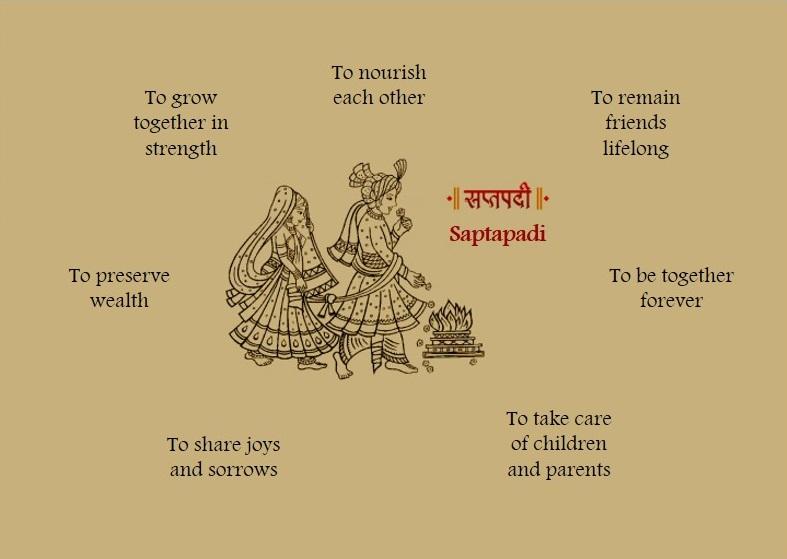
The number 666 relates to the carbon atom, and man. Carbon-12; one of 5 elements in the human DNA is composed of 6 protons, 6 electrons and 6 neutrons, which equates to 666.
.@realDonaldTrump
.@GenFlynn
.@RudyGiuliani

More from Science


💥and so it begins..💥
It's time, my friends 🤩🤩
[Thread] #ProjectOdin
https://t.co/fO90N78fta
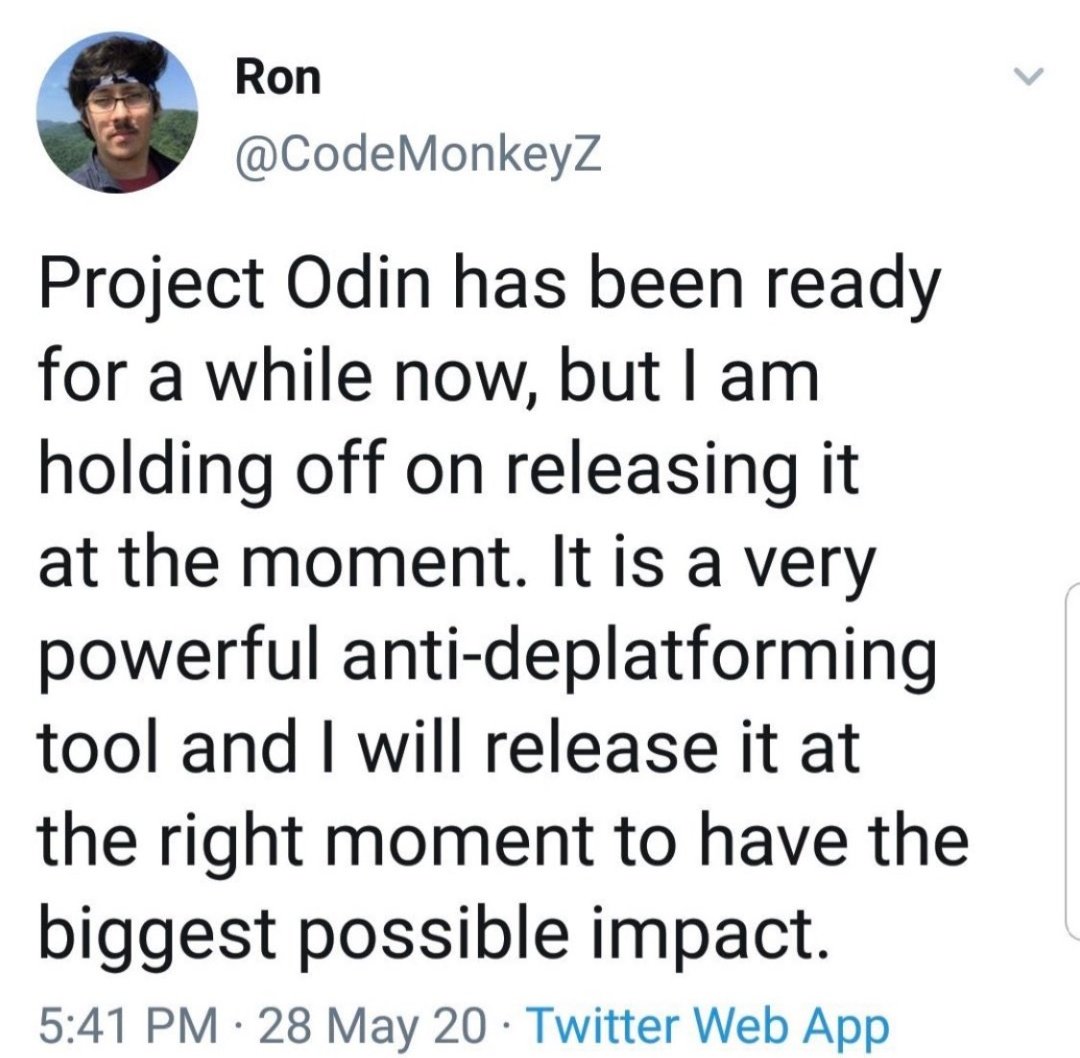
new quantum-based internet #ElonMusk #QVS #QFS
Political justification ⏬⏬
#ProjectOdin
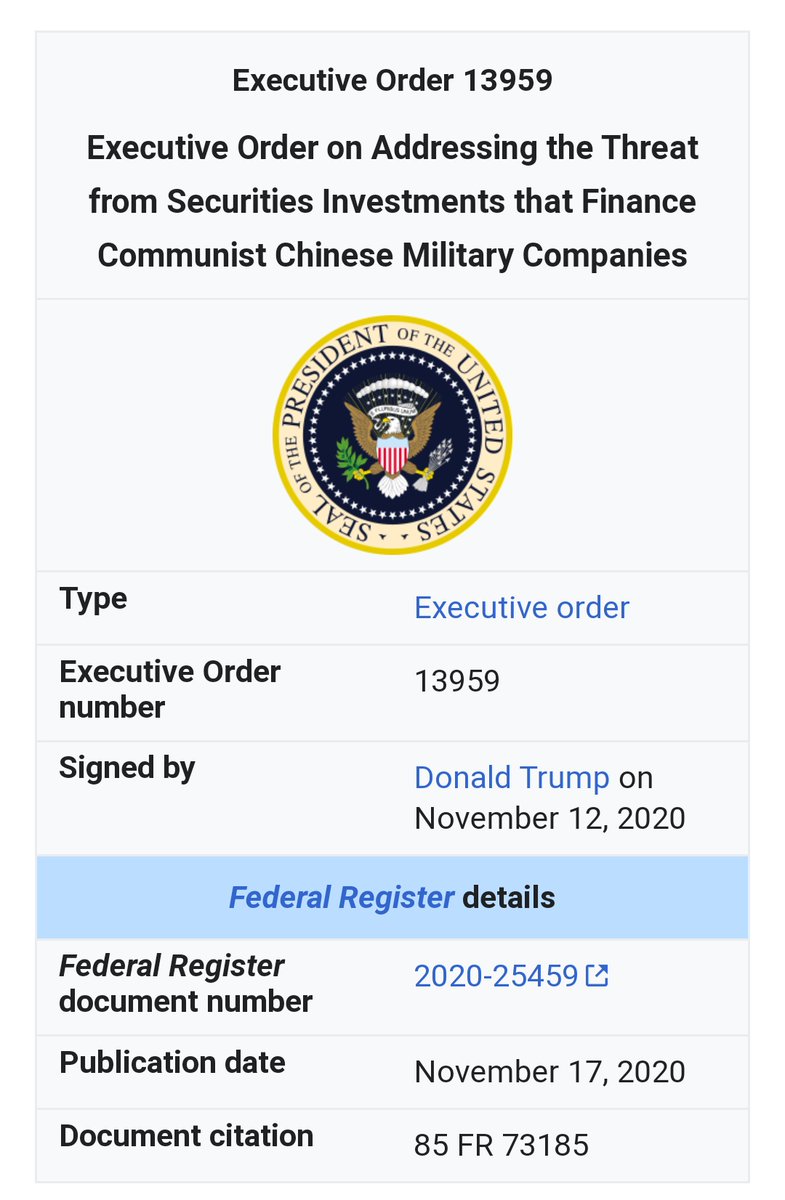
#ProjectOdin #Starlink #ElonMusk #QuantumInternet

It's time, my friends 🤩🤩
[Thread] #ProjectOdin
The Alliance has Project Odin ready to go - the new quantum-based internet. #ElonMusk #QVS #QFS #ProjectOdin
— Der Preu\xdfe Parler: @DerPreusse (@DerPreusse1963) January 12, 2021
https://t.co/fO90N78fta
new quantum-based internet #ElonMusk #QVS #QFS
Political justification ⏬⏬
#ProjectOdin
#ProjectOdin #Starlink #ElonMusk #QuantumInternet


What are the classics of the "Science of Science" or "Meta Science"? If you were teaching a class on the subject, what would go in the syllabus?
Here's a (very disorganized and incomplete) handful of suggestions, which I may add to. Suggestions welcome, especially if you've dug into relevant literatures.
1. The already classic "Estimating the reproducibility of
psychological science" from the Open Science Collaboration of @BrianNosek et al. https://t.co/yjGczLZ6Je
(Look at that abstract, wow!)
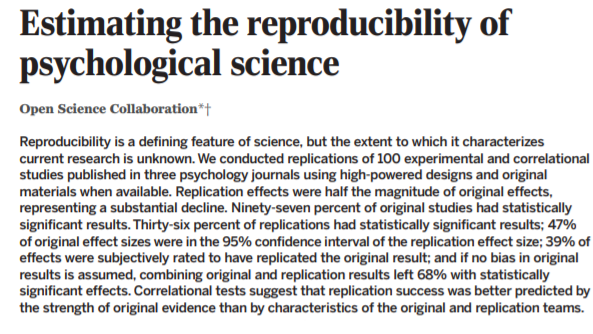
Many people had pointed out problems with standard statistical methods, going back decades (what are the best refs?). But this paper was a sledgehammer, making it impossible to ignore the question: what, if anything, were we actually learning from all those statistical studies?
2. Dean Keith Simonton's book "Creativity in Science: Chance, Logic, Genius, and Zeitgeist". If an essentially scientometric book could be described as a fun romp through science & creativity, this would be it
Here's a (very disorganized and incomplete) handful of suggestions, which I may add to. Suggestions welcome, especially if you've dug into relevant literatures.
1. The already classic "Estimating the reproducibility of
psychological science" from the Open Science Collaboration of @BrianNosek et al. https://t.co/yjGczLZ6Je
(Look at that abstract, wow!)
Many people had pointed out problems with standard statistical methods, going back decades (what are the best refs?). But this paper was a sledgehammer, making it impossible to ignore the question: what, if anything, were we actually learning from all those statistical studies?
2. Dean Keith Simonton's book "Creativity in Science: Chance, Logic, Genius, and Zeitgeist". If an essentially scientometric book could be described as a fun romp through science & creativity, this would be it