
60 CHARACTERISTICS OF THE BEARERS & WOMEN OF QURAN
A THREAD 🧵
3. She concentrates on her own situation, having the aspiration to reform whatever is corrupt in her affairs, guarding her tongue and choosing her words.
5. If she remains silent, she remains silent with knowledge when she sees silence to be correct.
6. She rarely delves into that which does not conern her.
8. She imprisons her tongue the way she imprisons her enemy, so that she may be safe from its evil and bad consequences.
10. If she is pleased by something in accordance with the truth, she smiles.
11. She dislikes joking, fearing frivolity; if she jokes, she speaks the truth.
13. She does not allow herself to be praised for qualities she has, how then for qualities she does not have?
15. She does not backbite anyone.
16. She does not look down upon anyone.
17. She does not abuse anyone.
18. She is not happy at the affliction of others.
20. She does not think the worst about anyone, except fo one who deserves it.
21. She loves with knowledge, and hates with knowledge.
23. She made the Qur'an, Sunnah and Fiqh her guide to every good and beautiful quality, guarding all her limbs from what has been forbidden.
25. If she sists, she sists with knowledge.
26. She strives hard so that people may be safe from her tongue and hands.
💎 27. She does not behave ignorantly: if someone behaves ignorantly towards her, she is forbearing.
29. She does not trangress: if she is trangressed upon, she has patience.
30. She restrains her fury to please her Lord and enrage her enemy.
💎 32. She seeks status from Allah, not from the creatures.
33. She despises arrogance, fearing for her self from it.
35. She follows the obligations of the Quran and the sunnah:
☆ she eats food with knowledge
☆ she drinks with knowledge
☆ she dresses with knowledge
☆ she sleeps with knowledge
☆ she accompanies his brothers with knowledge
☆ visiting them with knowledge
☆ seeking permission to enter upon them with knowledge,
☆ greeting them with knowledge
☆ she treats her neighbour with knowledge
☆ she lowers her wings to them
☆ she lowers her voice before their voices
☆ she expends her wealth for them
☆ she looks upon them with the eye of respect and mercy
☆ she is thankful for them in old age
☆ she is not irritated by them
☆ she does not look down upon them
☆ if they ask for her help in a matter of obedience, she helps them
☆ she is gentle with them in her disobedience of them
☆ she shows beautiful etiquette such that they may return from the ugly matter they intended that is does befit them to do.
38. If someone breaks off relations with her, she does not break off relations with them.
💎 39. If someone disobeys Allah regarding her, she obeys Allah regarding them.
41. She benefits those who accompany her, being an excellent companion for those whom she sits with.
42. If she teaches another, she is gentle with them.
💎 44. She is gentle in all her matters, extremely patient in teaching goodness.
45. The learner finds comfort in her, and the one sitting with her is joyous at her company.
47. She educates her companions with the etiquettes of the Quran and the Sunnah.
48. If she is afflicted with a difficulty, the Qur'an and the Sunnah are two educators for her.
49. She grieves with knowledge.
51. She has patience with knowledge.
52. She purifies herself with knowledge.
53. She prays with knowledge.
54. She gives Zakah and charity with knowledge.
55. She fasts with knowledge.
56. She performs pilgrimage with knowledge.
More from Religion

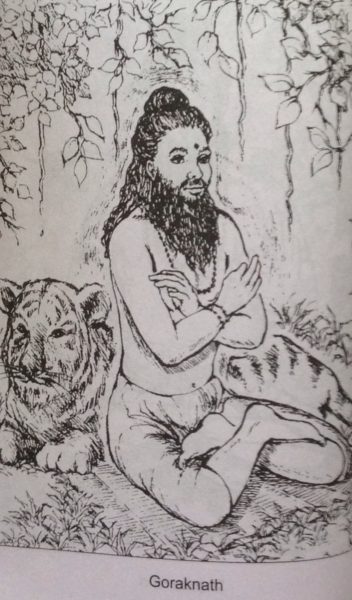
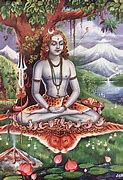


As the Fall of man was a consequence of the pursuit of our own good, this quest intrinsically contains the possibility of our return to The Good. The route back to The Good was only revealed by The Way [Jn. 14:6], so we might say that Christ incarnates to complete the Circle.

Each thing is moved by, implicitly converted or turned back to, its own good by its cause of procession - which is principally God.
"Via est nobis tendendi in Deum." - St. Thomas Aquinas, which is to say that:
Christ, who as a man, is the way of our tending (back) into God.

Ezekiel 10:6 | When the LORD commanded the man in linen, “Take fire from among the wheels, from among the cherubim,” the man went in and stood beside a wheel.
"So I saw the glorious wheel move." - Dante, Paradiso 10.145

As Scripture and Dante see God's providence in circles, so did Boethius and Platonists more
Aquinas with, "Eadem est via qua descenditur et ascenditur." [SCG 4.1.3], brings back Heraclitus to the medievals, "The way up and the way down is the same." [Diels, B60]
The way up and the way down are the same.
Each thing is moved by, implicitly converted or turned back to, its own good by its cause of procession - which is principally God.
"Via est nobis tendendi in Deum." - St. Thomas Aquinas, which is to say that:
Christ, who as a man, is the way of our tending (back) into God.
Ezekiel 10:6 | When the LORD commanded the man in linen, “Take fire from among the wheels, from among the cherubim,” the man went in and stood beside a wheel.
"So I saw the glorious wheel move." - Dante, Paradiso 10.145
As Scripture and Dante see God's providence in circles, so did Boethius and Platonists more
Imagine a set of concentric circles. The inmost one comes closest to the simplicity of the centre, while forming itself a kind of centre around which revolve those which are set outside it. The circle furthest out rotates through a wider orbit.
— \u300e\U0001d622\U0001d633\U0001d633\U0001d636\U0001d634\u300f (@arrus_kacchi) December 26, 2020
Aquinas with, "Eadem est via qua descenditur et ascenditur." [SCG 4.1.3], brings back Heraclitus to the medievals, "The way up and the way down is the same." [Diels, B60]
The way up and the way down are the same.

Chandeshwara gave importance to Shiva Puja&protection of cows.
His bhakti for Bhagwan Shiva elevated him as one of foremost among 64 Nayanmars.
He is regarded as custodian of Shiva Temple's wealth& most of Shiva temples in South India has separate sannathi for him
#Thread 👇
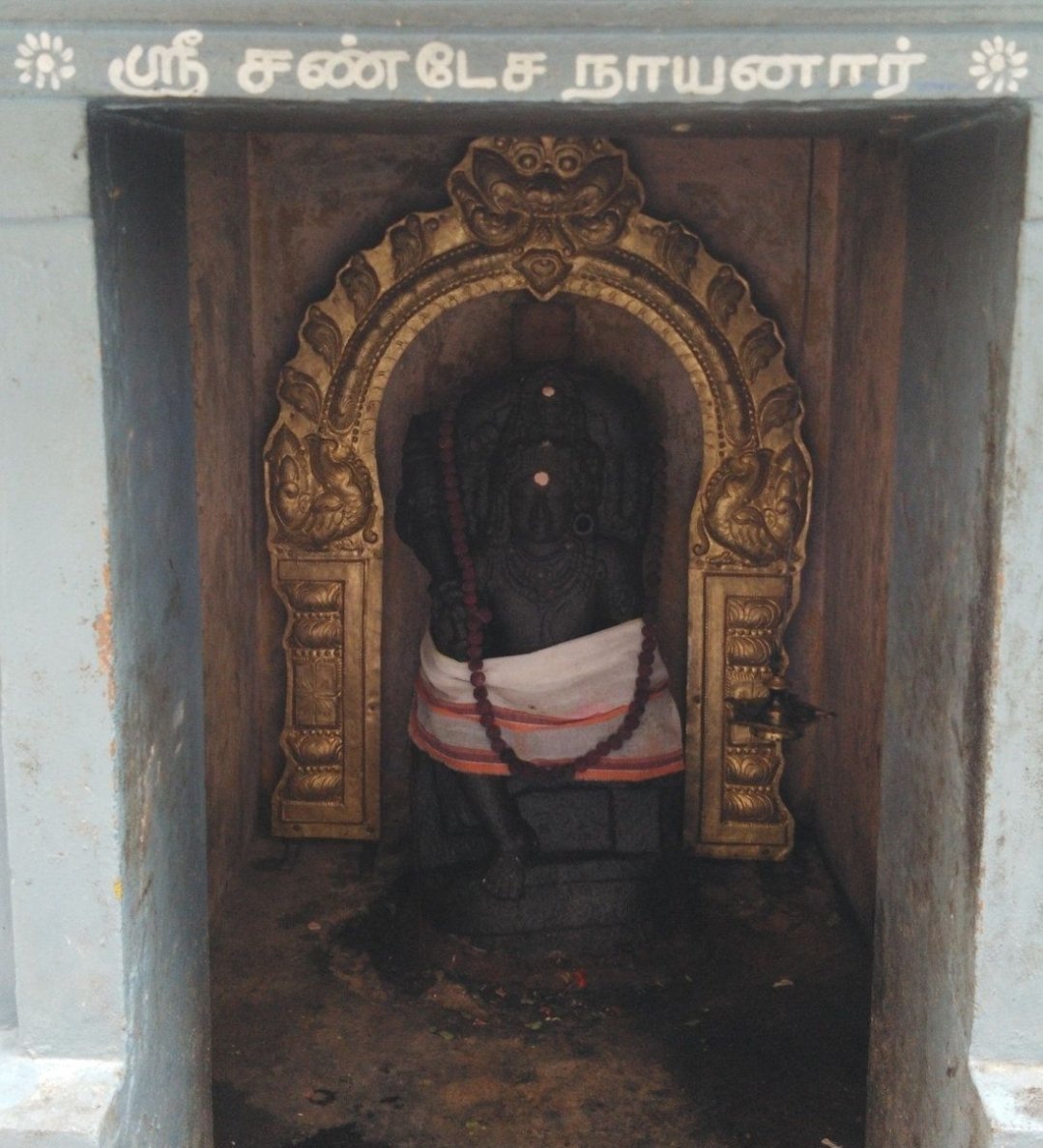
There are series of paintings, illustrating the #story of Chandikeshwar in the premises of
Sri Sathiyagireeswarar #Temple - Seinganur,near Kumbakonam,TN
Chandikeshwara's birth name
is Vichara sarman.He was born in the village Seinganur on the banks of River Manni.

His Parent names were Yajna Thatan and Pavithrai.
Vichara Sarmar was gifted child and he learnt the Vedas and agamas at a very young age.
He was very devout and would always think about Bhagwan Shiva.
One day he saw a cowherd brutally assaulting a cow,Vichara Sarmar could not tolerate this. He spoke to cowherd: ‘Do you not know that the cow is worshipful and divine? All gods & devas reside in https://t.co/ElLcI5ppsK it is our duty to protect cows,not to harm them.
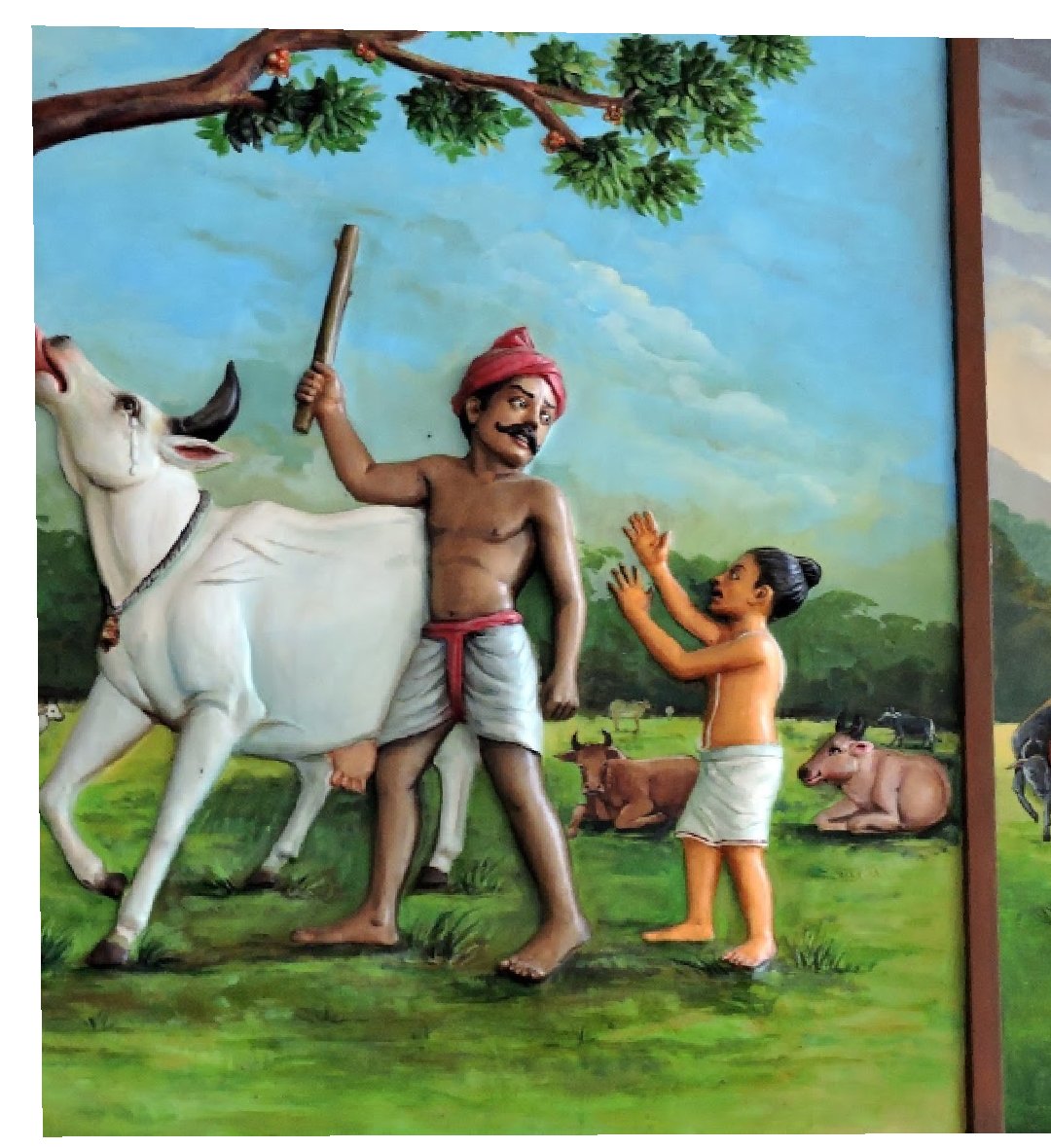
He was very angry on seeing the rude behaviour of the cowherd, Vichara sarma took up the duty of tending the cows himself.From that day onwards,the cows looked happier and yielded more milk.Cows grew healthier due to care showered by him on them.

His bhakti for Bhagwan Shiva elevated him as one of foremost among 64 Nayanmars.
He is regarded as custodian of Shiva Temple's wealth& most of Shiva temples in South India has separate sannathi for him
#Thread 👇
There are series of paintings, illustrating the #story of Chandikeshwar in the premises of
Sri Sathiyagireeswarar #Temple - Seinganur,near Kumbakonam,TN
Chandikeshwara's birth name
is Vichara sarman.He was born in the village Seinganur on the banks of River Manni.
His Parent names were Yajna Thatan and Pavithrai.
Vichara Sarmar was gifted child and he learnt the Vedas and agamas at a very young age.
He was very devout and would always think about Bhagwan Shiva.
One day he saw a cowherd brutally assaulting a cow,Vichara Sarmar could not tolerate this. He spoke to cowherd: ‘Do you not know that the cow is worshipful and divine? All gods & devas reside in https://t.co/ElLcI5ppsK it is our duty to protect cows,not to harm them.
He was very angry on seeing the rude behaviour of the cowherd, Vichara sarma took up the duty of tending the cows himself.From that day onwards,the cows looked happier and yielded more milk.Cows grew healthier due to care showered by him on them.

You May Also Like









To people who are under the impression that you can get rich quickly by working on an app, here are the stats for https://t.co/az8F12pf02
📈 ~12000 vistis
☑️ 109 transactions
💰 353€ profit (285 after tax)
I have spent 1.5 months on this app. You can make more $ in 2 days.
🤷♂️

I'm still happy that I launched a paid app bcs it involved extra work:
- backend for processing payments (+ permissions, webhooks, etc)
- integration with payment processor
- UI for license activation in Electron
- machine activation limit
- autoupdates
- mailgun emails
etc.
These things seemed super scary at first. I always thought it was way too much work and something would break. But I'm glad I persisted. So far the only problem I have is that mailgun is not delivering the license keys to certain domains like https://t.co/6Bqn0FUYXo etc. 👌
omg I just realized that me . com is an Apple domain, of course something wouldn't work with these dicks
📈 ~12000 vistis
☑️ 109 transactions
💰 353€ profit (285 after tax)
I have spent 1.5 months on this app. You can make more $ in 2 days.
🤷♂️
I'm still happy that I launched a paid app bcs it involved extra work:
- backend for processing payments (+ permissions, webhooks, etc)
- integration with payment processor
- UI for license activation in Electron
- machine activation limit
- autoupdates
- mailgun emails
etc.
These things seemed super scary at first. I always thought it was way too much work and something would break. But I'm glad I persisted. So far the only problem I have is that mailgun is not delivering the license keys to certain domains like https://t.co/6Bqn0FUYXo etc. 👌
omg I just realized that me . com is an Apple domain, of course something wouldn't work with these dicks