
First interview of Hiral Chandrana
#MASTEK
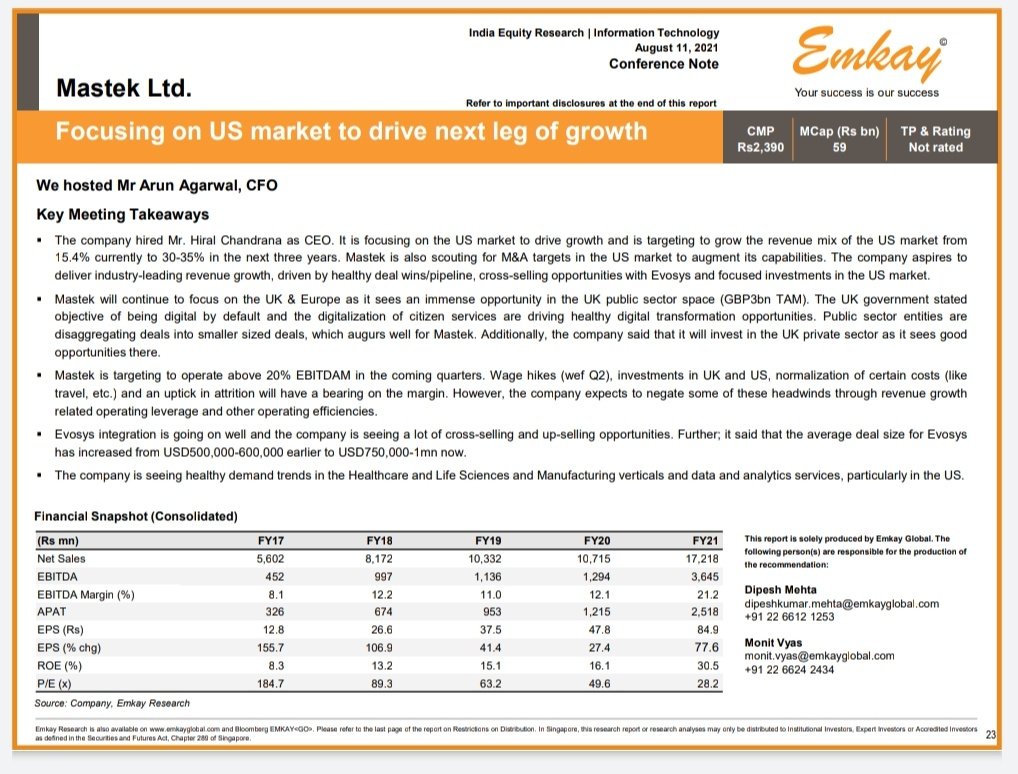
Adding 40+ customers every quarter from an year
650+ active clients
Met 150+ customers/partners virtually in last 40days
Focus to accelerate US growth-have strategy in place
960cr cash on books
Looking for organic+inorganic growth
#CNBCTV18Exclusive | Catch @_anujsinghal, @_soniashenoy & @SurabhiUpadhyay in conversation with @HiralChandrana who was appointed as global CEO of #Mastek last month. He says that a big part of their strategy is to grow in the US. @Reematendulkar pic.twitter.com/nRnfGoGHTp
— CNBC-TV18 (@CNBCTV18News) August 18, 2021
More from Shreenidhi P
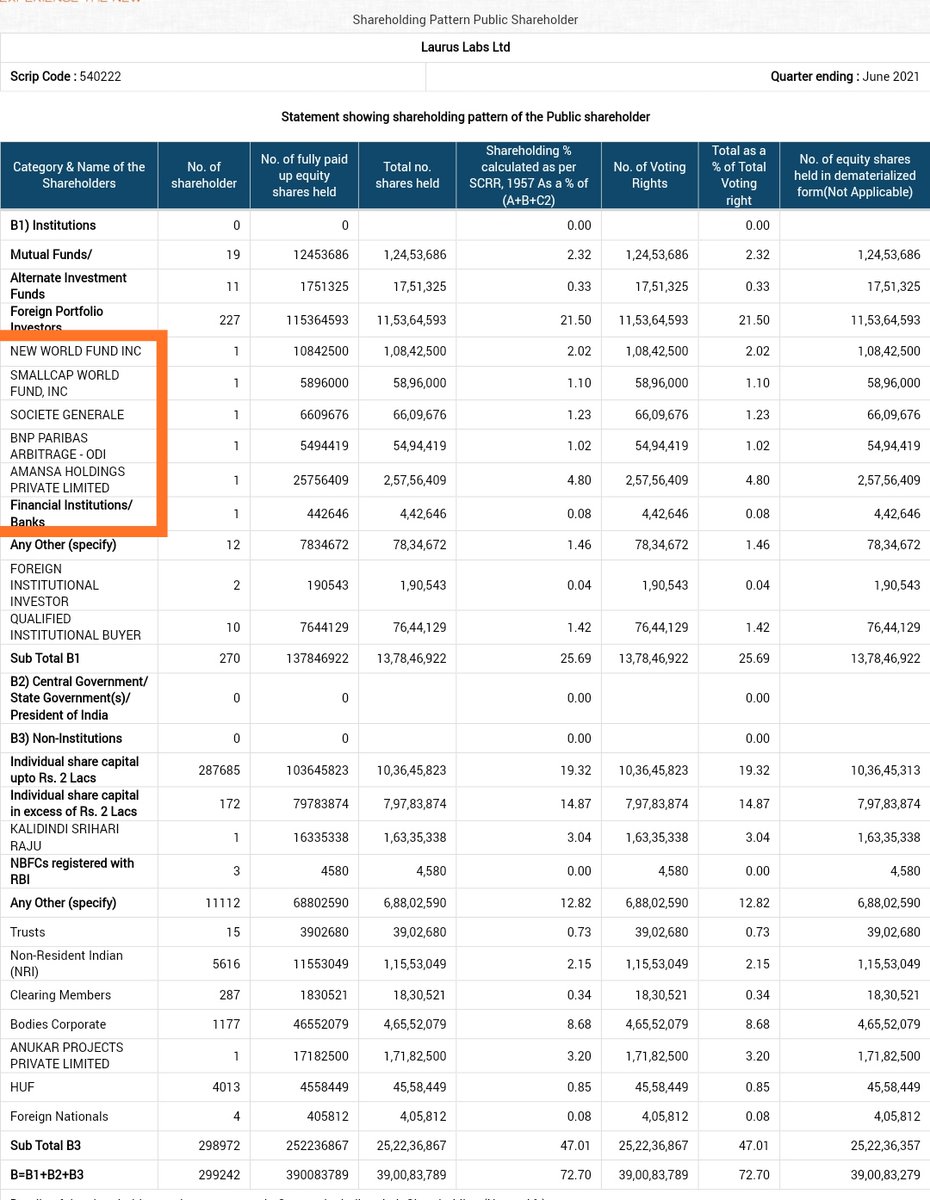
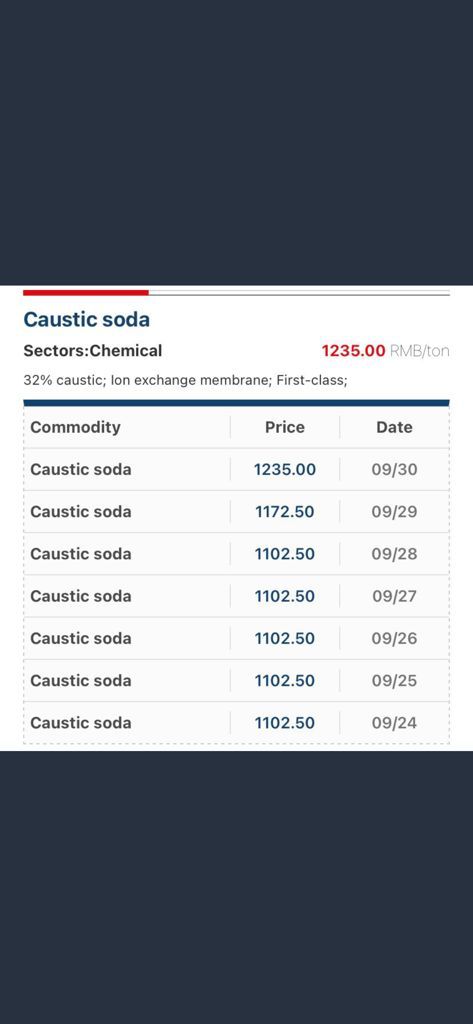
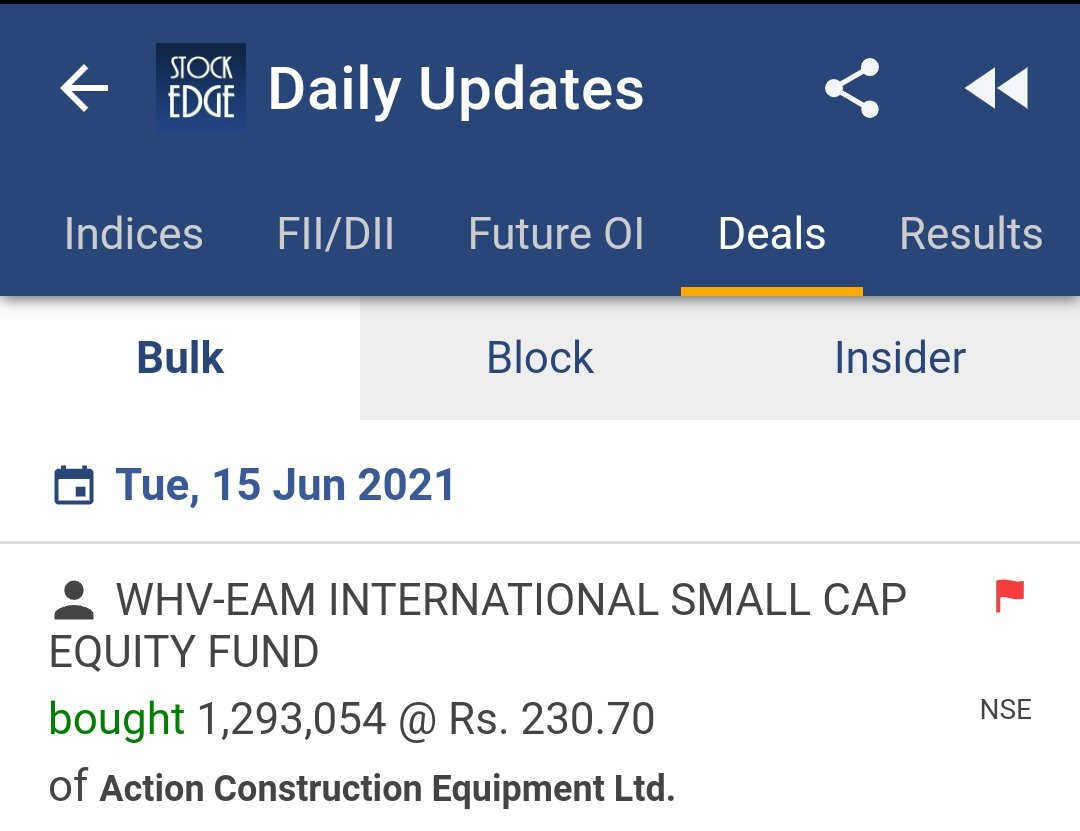
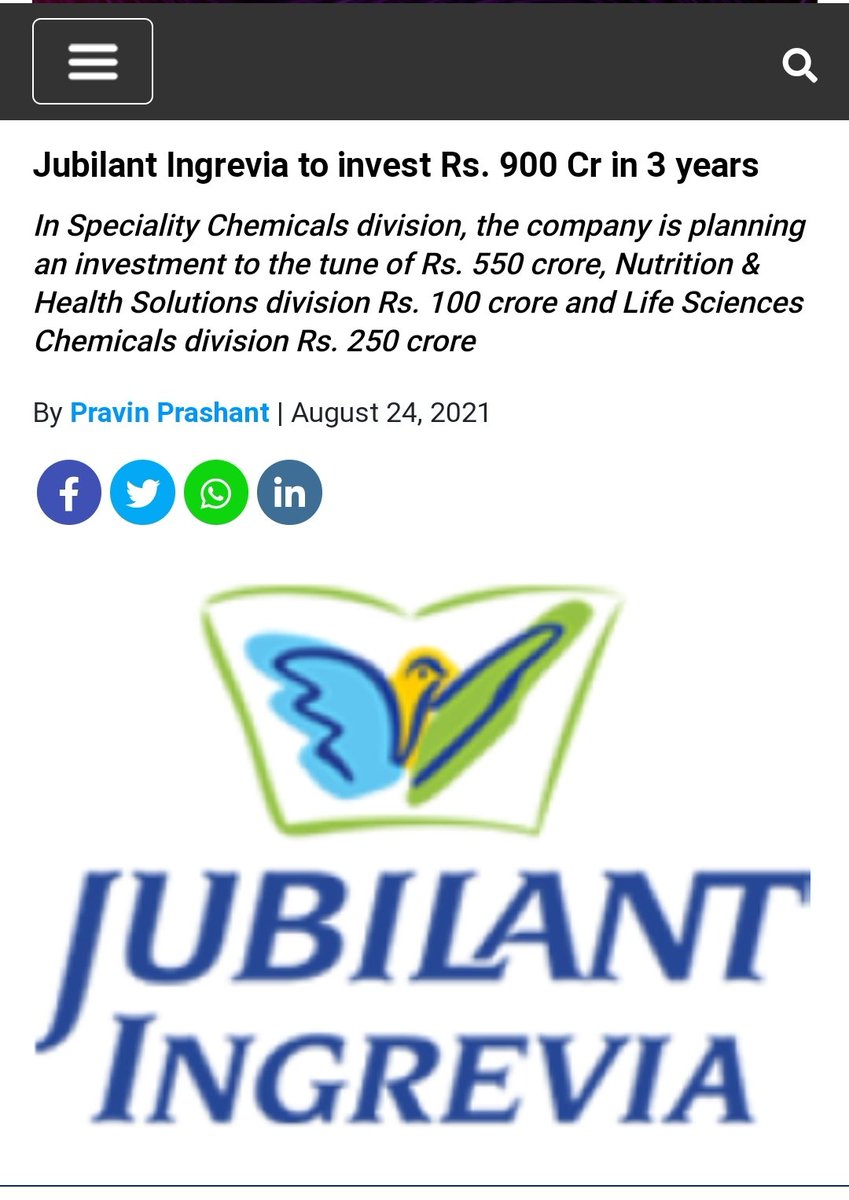
Investor ppt
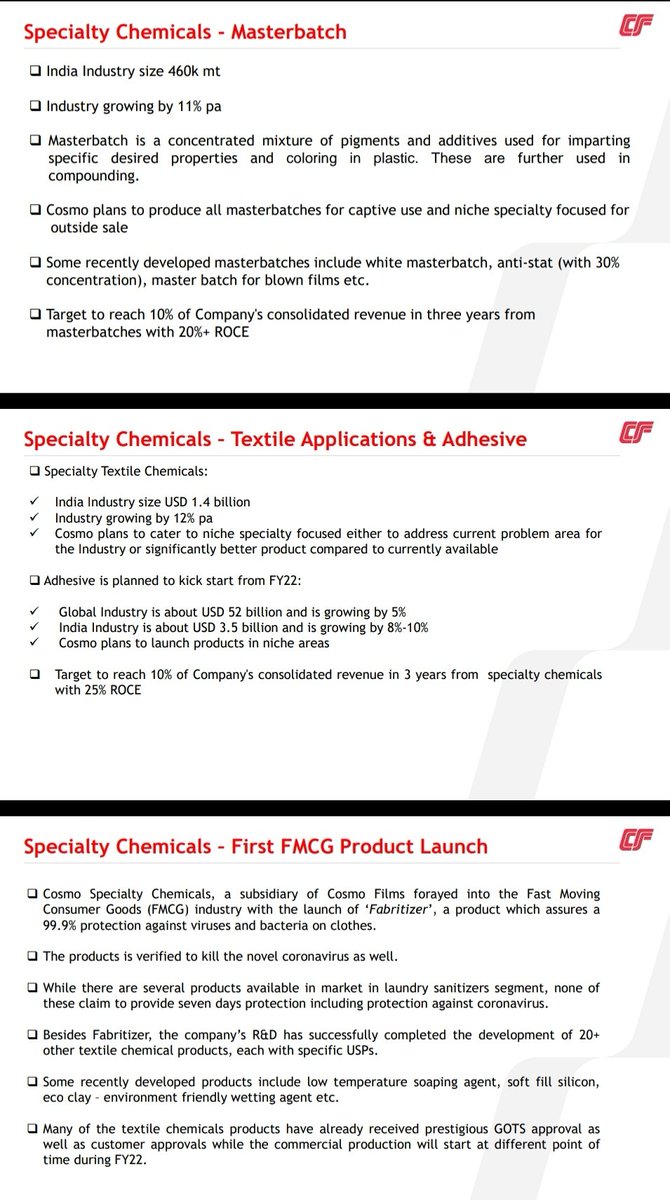
Splty side:3yr target
Masterbatches-10% rev,20% RoCE
Textile chem-10% rev,25% RoCE
FMCG-Fabricizer launched
30% RoE,22% RoCE-fy21
1% shift in splty adds 5cr EBITDA
Target-62% to 80%
Net d/e 0.5x
D/EBITDA 1x
Petcare-plans 2 demerge in2 seperate entity https://t.co/Iq4VT6tG50
Cosmo films#cosmofilms
— Shreenidhi P (@nid_rockz) August 4, 2021
Probably the best results of the day
Glimpse of last 5qtr
Rev,EBITDA,pbt n PAT growth every qtr
Highest OPM 19%
Q1 EBITDA 132cr n PBT 116cr
Last 5yrs
OPM 7% to 17%\U0001f44c
80% pf-speciality-fy23
Superb debt management
Liberal dividend n buyback
Solid OCF\U0001f44c pic.twitter.com/6ulhmHZf24
More from Mastek


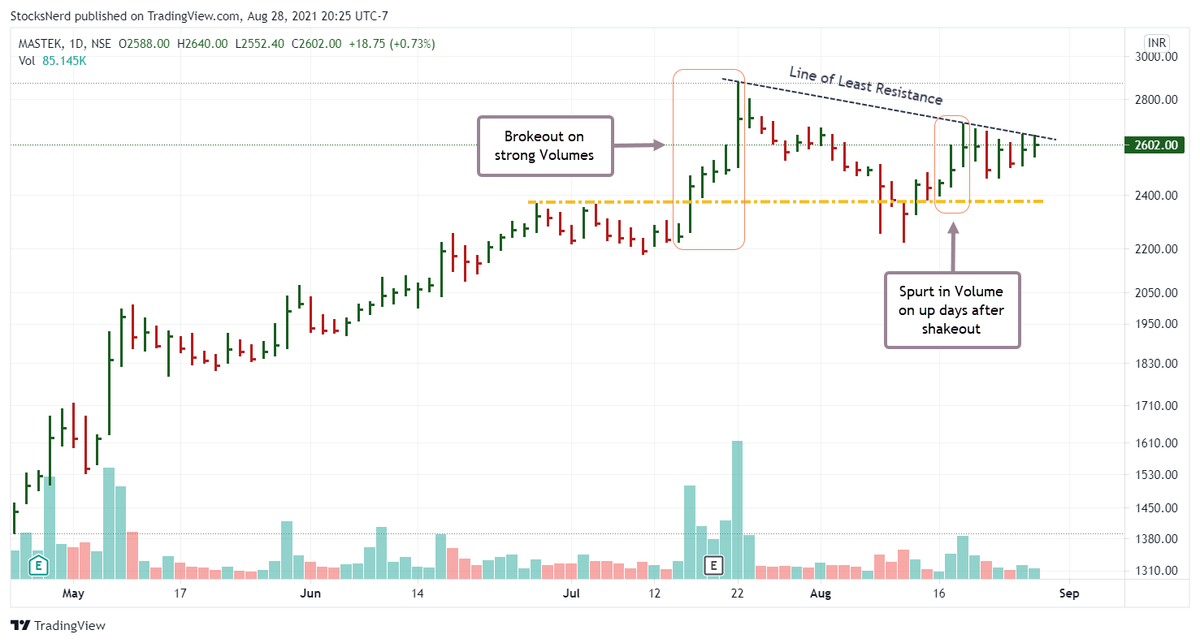

TSL hit 📉
Though at CMP; Time to stack in 📈 for targets of 2620 followed by 2720.
#StockMarket https://t.co/IHHpv2bU2w
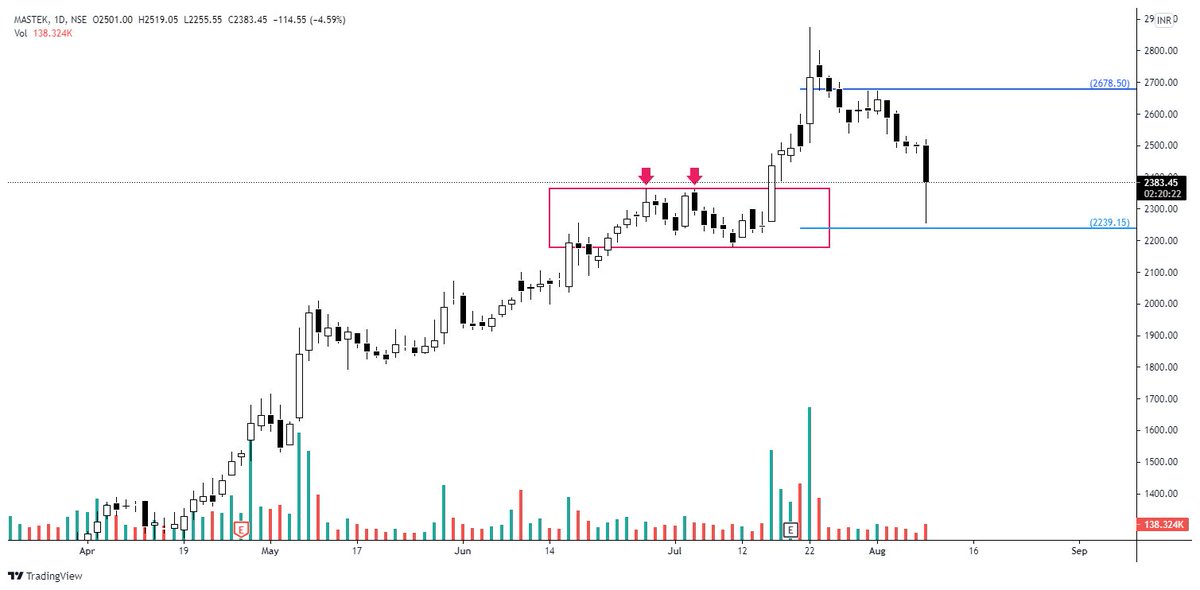
#MASTEK Update
— Gurleen (@GurleenKaur_19) July 23, 2021
2800 Hit; 70% Booked and rest Holding for a target of 2900.
#StockMarket #StockToWatch https://t.co/gQTyzf4IUS pic.twitter.com/fp9hrZyv7d




You May Also Like





One thing I've been noticing about responses to today's column is that many people still don't get how strong the forces behind regional divergence are, and how hard to reverse 1/ https://t.co/Ft2aH1NcQt
— Paul Krugman (@paulkrugman) November 20, 2018
See this thing that @lymanstoneky wrote:
And see this thing that I wrote:
And see this book that @JamesFallows wrote:
And see this other thing that I wrote:
