
We are lined up for attempt number 4... Come on kid, you got this!!
So my neighbor is a Driver’s Ed teacher and from my office window, I can see he’s trying to teach parallel parking... This kid has made three attempts with no success.
I feel this kids pain and am rooting for him.
We are lined up for attempt number 4... Come on kid, you got this!!
Around the block we go again.
Feeling super good about this. He has got it.
There is no fixing it.
Standby for take 6.
Did he mistake gas and brakes?
Probably, but from here it just looked like confidence.
He parallel parked a driver’s ed SUV today.
He is in position, I can see my neighbor in the passengers seat coaching him, using his hands to explain how it’s done. Judging by his gesturing, the football field between him & the other car was too much & has to try again.
Teacher neighbor’s wife is now on the front porch watching.
Kid is just staring ahead. I think he’s trying to calculate if he can make it in rural NH without a driver’s license.
Spoiler alert: you can’t.
You can cut the determination in the air with a knife. He wants this.
I just can’t believe he still has the windows down.
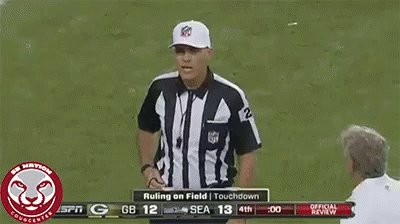
No celebration from the kid. He just slouched back in the drivers seat and stared at the ceiling.
Wife still cheering. I stuck my head out the door and cheered, got a thumbs up back. Kid is just relieved.
More from Life


Today is a day to celebrate love in our lives.
And here at ACLU-MA, we know that justice is a labor of love. Here are some of our favorite moments of love and justice in the last year, to brighten your #ValentinesDay.
💞👇💞
Almost exactly a year ago, our clients Hanz and Maudy were reunited after being separated by the cruel "Return to Mexico" policy.
And here at ACLU-MA, we know that justice is a labor of love. Here are some of our favorite moments of love and justice in the last year, to brighten your #ValentinesDay.
💞👇💞
Almost exactly a year ago, our clients Hanz and Maudy were reunited after being separated by the cruel "Return to Mexico" policy.
Yesterday, a family of asylum seekers were reunited. Hanz & his son were subjected to #MPP, a cruel policy that forced them into dangerous cities in northern Mexico. We sued on their behalf, allowing them to rejoin their family in Massachusetts. pic.twitter.com/Kce6MTpS9C
— ACLU Massachusetts (@ACLU_Mass) February 7, 2020

You May Also Like




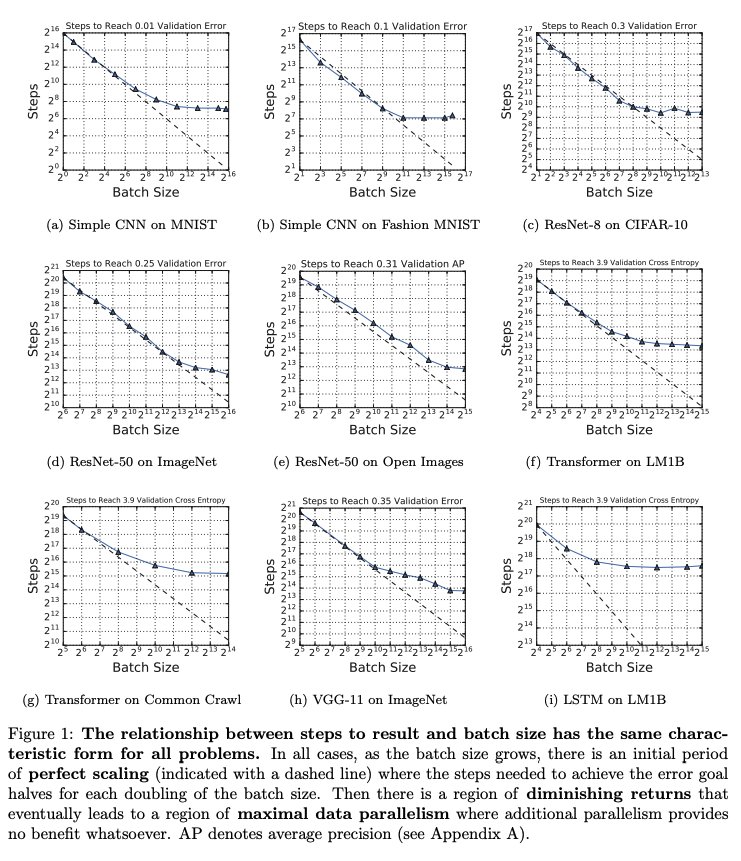

On the occasion of youtube 20k and Twitter 70k members
A small tribute/gift to members
Screeners
technical screeners - intraday and positional both
before proceeding - i have helped you , can i ask you so that it can help someone else too
thank you
positional one
run - find #stock - draw chart - find levels
1- Stocks closing daily 2% up from 5 days
https://t.co/gTZrYY3Nht
2- Weekly breakout
https://t.co/1f4ahEolYB
3- Breakouts in short term
https://t.co/BI4h0CdgO2
4- Bullish from last 5
intraday screeners
5- 15 minute Stock Breakouts
https://t.co/9eAo82iuNv
6- Intraday Buying seen in the past 15 minutes
https://t.co/XqAJKhLB5G
7- Stocks trading near day's high on 5 min chart with volume BO intraday
https://t.co/flHmm6QXmo
Thank you
A small tribute/gift to members
Screeners
technical screeners - intraday and positional both
before proceeding - i have helped you , can i ask you so that it can help someone else too
thank you
positional one
run - find #stock - draw chart - find levels
1- Stocks closing daily 2% up from 5 days
https://t.co/gTZrYY3Nht
2- Weekly breakout
https://t.co/1f4ahEolYB
3- Breakouts in short term
https://t.co/BI4h0CdgO2
4- Bullish from last 5
intraday screeners
5- 15 minute Stock Breakouts
https://t.co/9eAo82iuNv
6- Intraday Buying seen in the past 15 minutes
https://t.co/XqAJKhLB5G
7- Stocks trading near day's high on 5 min chart with volume BO intraday
https://t.co/flHmm6QXmo
Thank you


