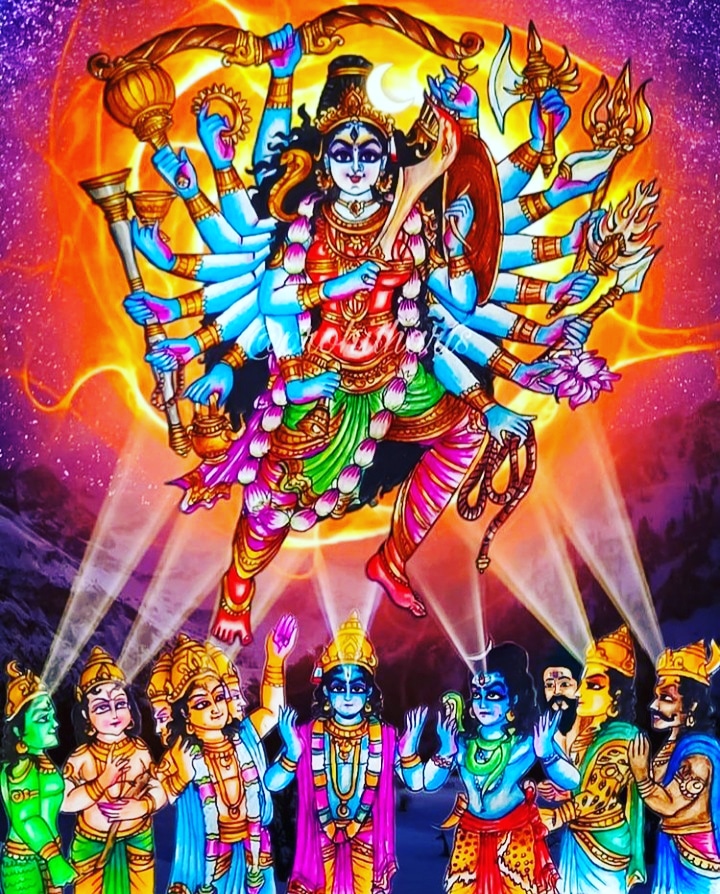
This judge in Assange’s extradition hearing is condemning wikileaks saying what they did is not freedom of speech, but rather justification to extradite Assange to the US.
And holy fuck, the judge is ending it with her not being convinced that the US system would prevent Assange from committing suicide in US prison.
“There’s a good chance we could have him [Assange] walking among us this week.”
—@CraigMurrayOrg
More from Legal

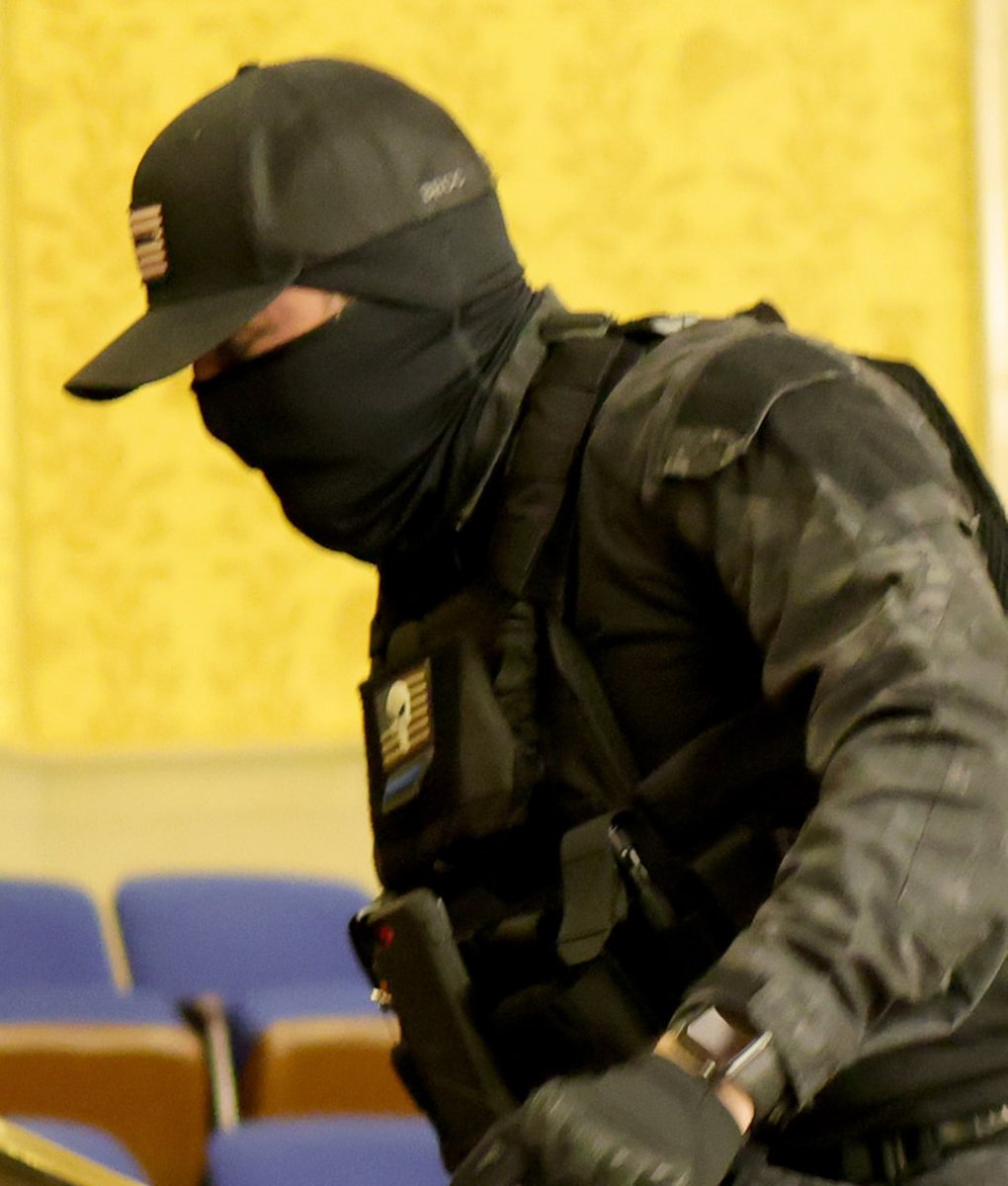
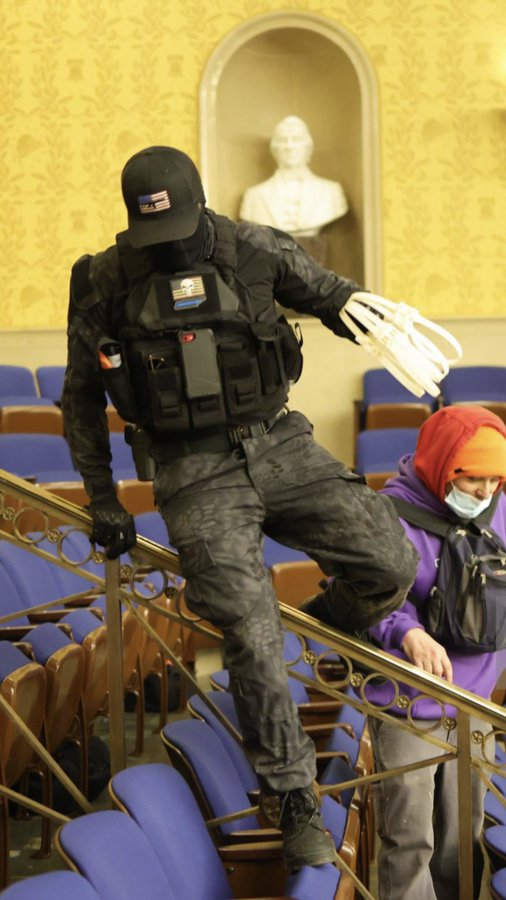


More severe police injuries and deaths on that one day of rampaging Trumpers than in five years of Anti-Police protests.
You can tell a lot about the stance of a angry crowd by whether they come with shields or pitchforks.
If people protesting police brutality for years had wanted to use their large numbers to attack, maim and kill police, they damn well could have.
But they came to resist police.
Which is completely different.
Why did the police suffer more at the hands of those who claimed to support them and waved their flags than at the hands of those who think they should be defunded or abolished?
Because one group is literally arguing for human dignity and the other glorifies violence.
The people who uncritically support police brutality are those who believe that instrumental violence should be a standard tool in response to those standing opposed to you.
Once you accept that... WHO is standing opposed to you doesn't matter much.
Nearly 140 officers were injured during pro-Trump extremists' Capitol siege \u2014 including officers who sustained brain injuries, smashed spinal discs, one who'll likely lose an eye, and another stabbed with a metal fence stake, the Capitol Police union said.https://t.co/D9jFSkKtJm
— NPR (@NPR) January 28, 2021
You can tell a lot about the stance of a angry crowd by whether they come with shields or pitchforks.
If people protesting police brutality for years had wanted to use their large numbers to attack, maim and kill police, they damn well could have.
But they came to resist police.
Which is completely different.
Why did the police suffer more at the hands of those who claimed to support them and waved their flags than at the hands of those who think they should be defunded or abolished?
Because one group is literally arguing for human dignity and the other glorifies violence.
The people who uncritically support police brutality are those who believe that instrumental violence should be a standard tool in response to those standing opposed to you.
Once you accept that... WHO is standing opposed to you doesn't matter much.


You May Also Like

THE MEANING, SIGNIFICANCE AND HISTORY OF SWASTIK
The Swastik is a geometrical figure and an ancient religious icon. Swastik has been Sanatan Dharma’s symbol of auspiciousness – mangalya since time immemorial.
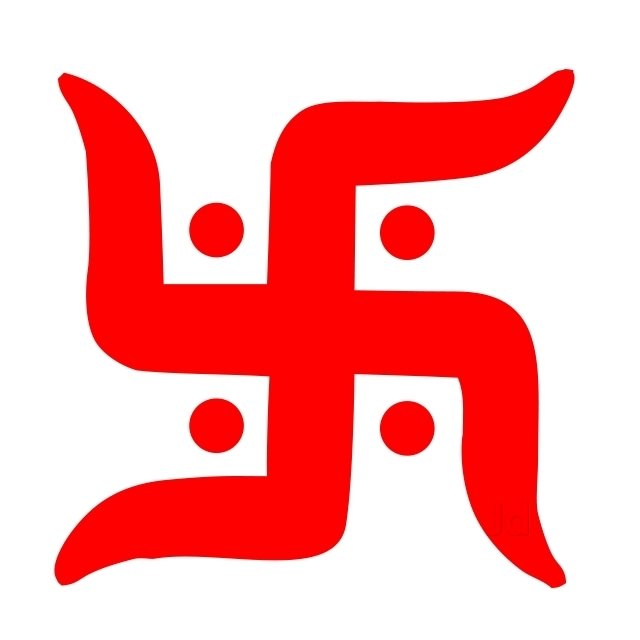
The name swastika comes from Sanskrit (Devanagari: स्वस्तिक, pronounced: swastik) &denotes “conducive to wellbeing or auspicious”.
The word Swastik has a definite etymological origin in Sanskrit. It is derived from the roots su – meaning “well or auspicious” & as meaning “being”.
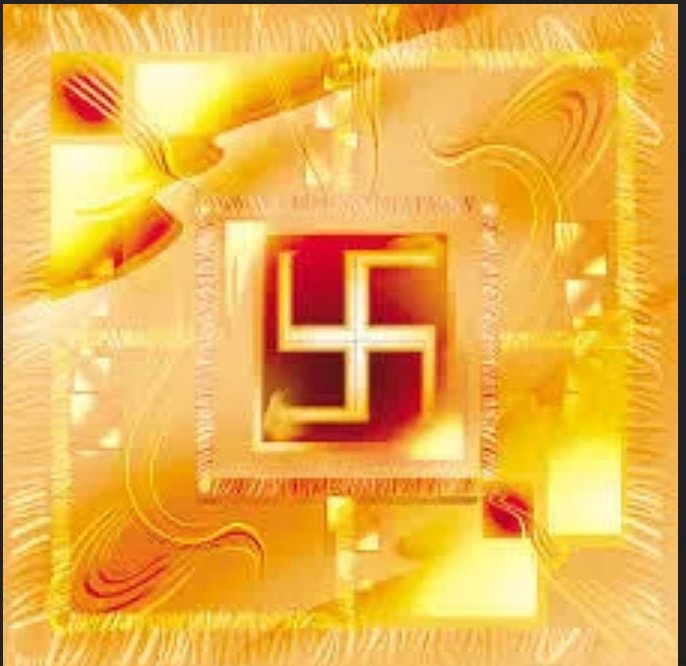
"सु अस्ति येन तत स्वस्तिकं"
Swastik is de symbol through which everything auspicios occurs
Scholars believe word’s origin in Vedas,known as Swasti mantra;
"🕉स्वस्ति ना इन्द्रो वृधश्रवाहा
स्वस्ति ना पूषा विश्ववेदाहा
स्वस्तिनास्तरक्ष्यो अरिश्तनेमिही
स्वस्तिनो बृहस्पतिर्दधातु"
It translates to," O famed Indra, redeem us. O Pusha, the beholder of all knowledge, redeem us. Redeem us O Garudji, of limitless speed and O Bruhaspati, redeem us".
SWASTIK’s COSMIC ORIGIN
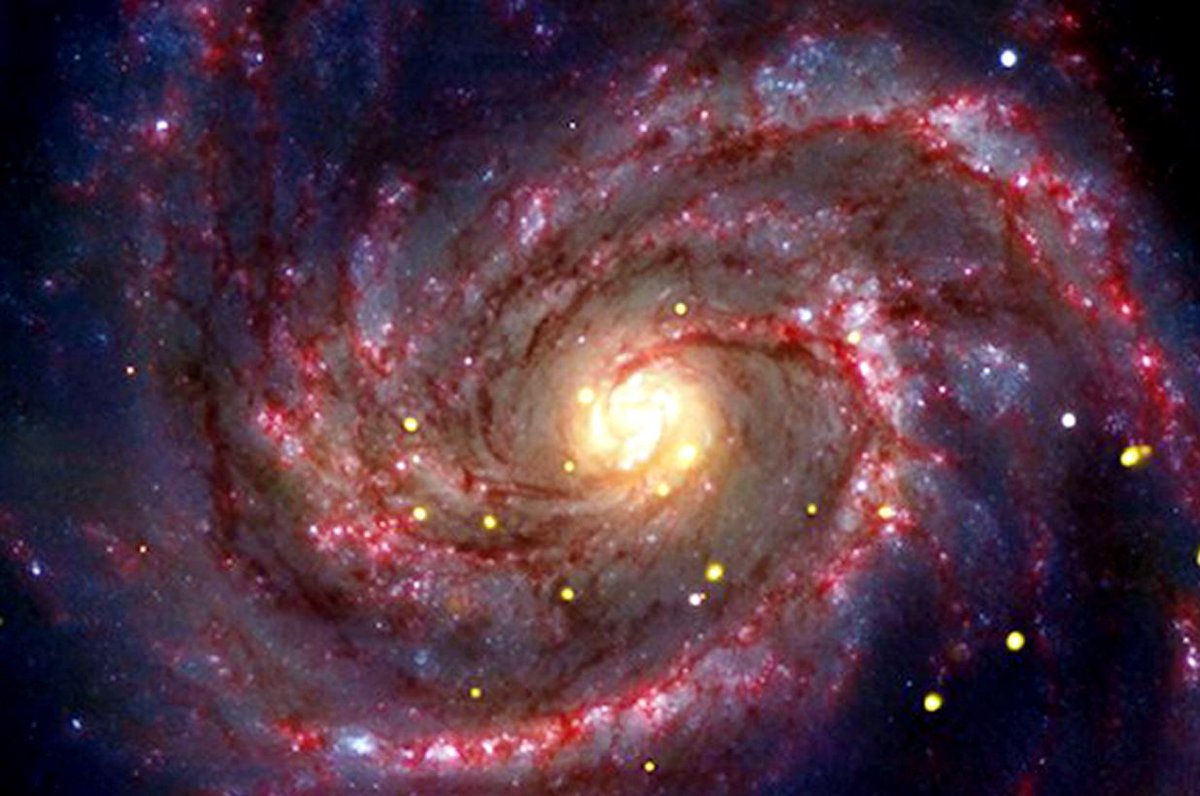
The Swastika represents the living creation in the whole Cosmos.
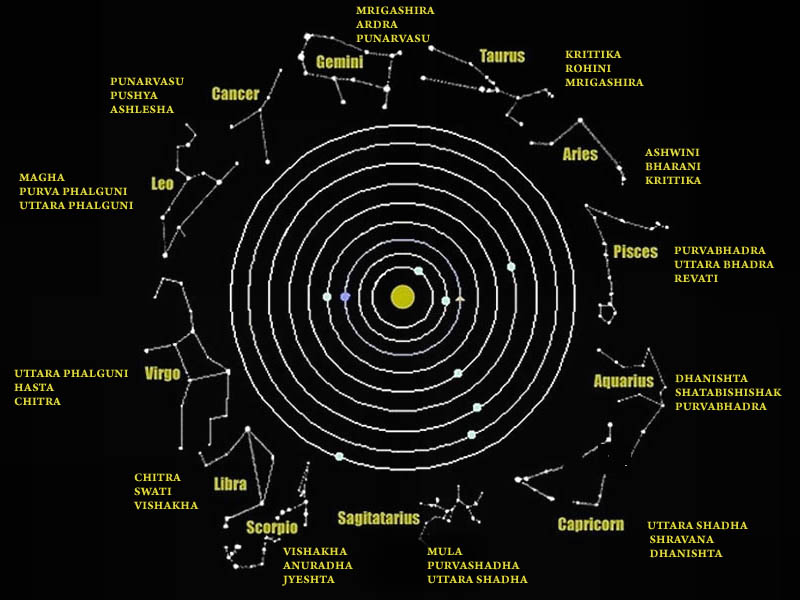
Hindu astronomers divide the ecliptic circle of cosmos in 27 divisions called https://t.co/sLeuV1R2eQ this manner a cross forms in 4 directions in the celestial sky. At centre of this cross is Dhruva(Polestar). In a line from Dhruva, the stars known as Saptarishi can be observed.
The Swastik is a geometrical figure and an ancient religious icon. Swastik has been Sanatan Dharma’s symbol of auspiciousness – mangalya since time immemorial.
The name swastika comes from Sanskrit (Devanagari: स्वस्तिक, pronounced: swastik) &denotes “conducive to wellbeing or auspicious”.
The word Swastik has a definite etymological origin in Sanskrit. It is derived from the roots su – meaning “well or auspicious” & as meaning “being”.
"सु अस्ति येन तत स्वस्तिकं"
Swastik is de symbol through which everything auspicios occurs
Scholars believe word’s origin in Vedas,known as Swasti mantra;
"🕉स्वस्ति ना इन्द्रो वृधश्रवाहा
स्वस्ति ना पूषा विश्ववेदाहा
स्वस्तिनास्तरक्ष्यो अरिश्तनेमिही
स्वस्तिनो बृहस्पतिर्दधातु"
It translates to," O famed Indra, redeem us. O Pusha, the beholder of all knowledge, redeem us. Redeem us O Garudji, of limitless speed and O Bruhaspati, redeem us".
SWASTIK’s COSMIC ORIGIN
The Swastika represents the living creation in the whole Cosmos.
Hindu astronomers divide the ecliptic circle of cosmos in 27 divisions called https://t.co/sLeuV1R2eQ this manner a cross forms in 4 directions in the celestial sky. At centre of this cross is Dhruva(Polestar). In a line from Dhruva, the stars known as Saptarishi can be observed.


1/ Here’s a list of conversational frameworks I’ve picked up that have been helpful.
Please add your own.
2/ The Magic Question: "What would need to be true for you
3/ On evaluating where someone’s head is at regarding a topic they are being wishy-washy about or delaying.
“Gun to the head—what would you decide now?”
“Fast forward 6 months after your sabbatical--how would you decide: what criteria is most important to you?”
4/ Other Q’s re: decisions:
“Putting aside a list of pros/cons, what’s the *one* reason you’re doing this?” “Why is that the most important reason?”
“What’s end-game here?”
“What does success look like in a world where you pick that path?”
5/ When listening, after empathizing, and wanting to help them make their own decisions without imposing your world view:
“What would the best version of yourself do”?
Please add your own.
2/ The Magic Question: "What would need to be true for you
1/\u201cWhat would need to be true for you to\u2026.X\u201d
— Erik Torenberg (@eriktorenberg) December 4, 2018
Why is this the most powerful question you can ask when attempting to reach an agreement with another human being or organization?
A thread, co-written by @deanmbrody: https://t.co/Yo6jHbSit9
3/ On evaluating where someone’s head is at regarding a topic they are being wishy-washy about or delaying.
“Gun to the head—what would you decide now?”
“Fast forward 6 months after your sabbatical--how would you decide: what criteria is most important to you?”
4/ Other Q’s re: decisions:
“Putting aside a list of pros/cons, what’s the *one* reason you’re doing this?” “Why is that the most important reason?”
“What’s end-game here?”
“What does success look like in a world where you pick that path?”
5/ When listening, after empathizing, and wanting to help them make their own decisions without imposing your world view:
“What would the best version of yourself do”?