Why you should visit the Netherlands.






More from Legal

THREAD: Okay. I'm about to get SUPER space beans tin foil hat on you, so stop reading if you're not into that. Based on what we're learning from public reporting, the pentagon curtailed the response to the trump coup. 1/
We also know from video and public reporting that there were two groups that stormed the capitol. 1) weird-ass bystanders and 2) possibly armed ex-military members with tactical gear and flex cuffs 2/
We also know there was a failed coup attempt in Venezuela orchestrated by Giuliani and former members of Blackwater, an Erik Prince joint. 3/
We also know that Giuliani met with Brian Benczkowski and Bill Barr to lobby for for help to go easy on his Venezuelan pal. Benczkowski is a former Alfa Bank rep. 4/
Further, we know that Erik Prince is the brother of Betsy DeVos (who JUST resigned) and the former head of Blackwater. We also know that the day before the insurrection, a memo was sent out to knee-cap the federal police in DC. 5/
We also know from video and public reporting that there were two groups that stormed the capitol. 1) weird-ass bystanders and 2) possibly armed ex-military members with tactical gear and flex cuffs 2/
After reviewing a lot of footage there seem to be 2 types of ppl at the #capitolbreach.
— John Scott-Railton (@jsrailton) January 7, 2021
Group 1: Selfies. Unsure what to do once inside #CapitolBuilding
Group 2: Purposeful. men who know each other & head for senate floor w/tactical gear & backpacks. https://t.co/3vAdxdlNZh
We also know there was a failed coup attempt in Venezuela orchestrated by Giuliani and former members of Blackwater, an Erik Prince joint. 3/
We also know that Giuliani met with Brian Benczkowski and Bill Barr to lobby for for help to go easy on his Venezuelan pal. Benczkowski is a former Alfa Bank rep. 4/
Further, we know that Erik Prince is the brother of Betsy DeVos (who JUST resigned) and the former head of Blackwater. We also know that the day before the insurrection, a memo was sent out to knee-cap the federal police in DC. 5/

At the root of my work is safeguarding human life. I support a massive buildout of public transit because it makes life fundamentally better, reduces greenhouse emissions, and saves lives. 1/
In the United States, car accidents are one of the leading causes of death and injury for children under the age of 18. https://t.co/RrYVtaoFRd 2/
A few years ago my family and I were driving from visiting relatives in Texas when we were stuck in traffic on the I-10. We were at a complete dead stop when a woman (texting) in a Suburban hit us at 70 mph. She crushed the back of our car like a soda can. 3/
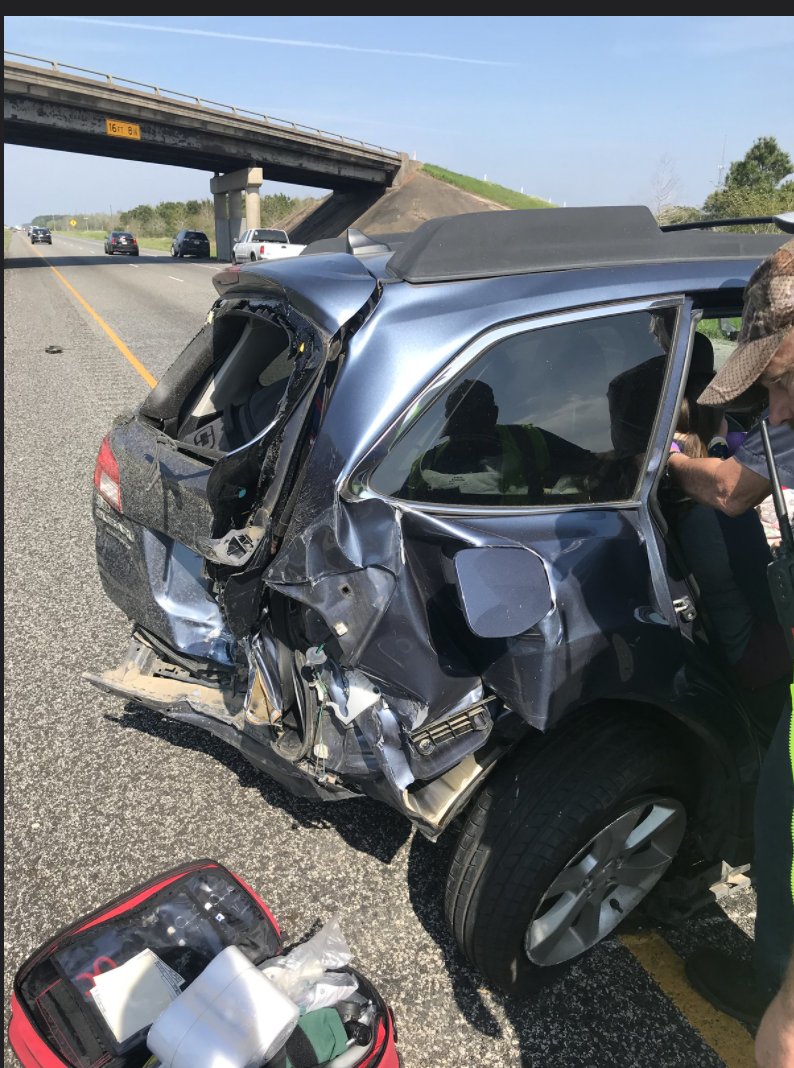
Thankfully, our two-year-old was in a good carseat and I absorbed the brunt of the injuries with a few shards of glass in my scalp. I won't show those pictures! While a high speed rail network along the Gulf Coast may have not prevented that accident, it could prevent most. 4/
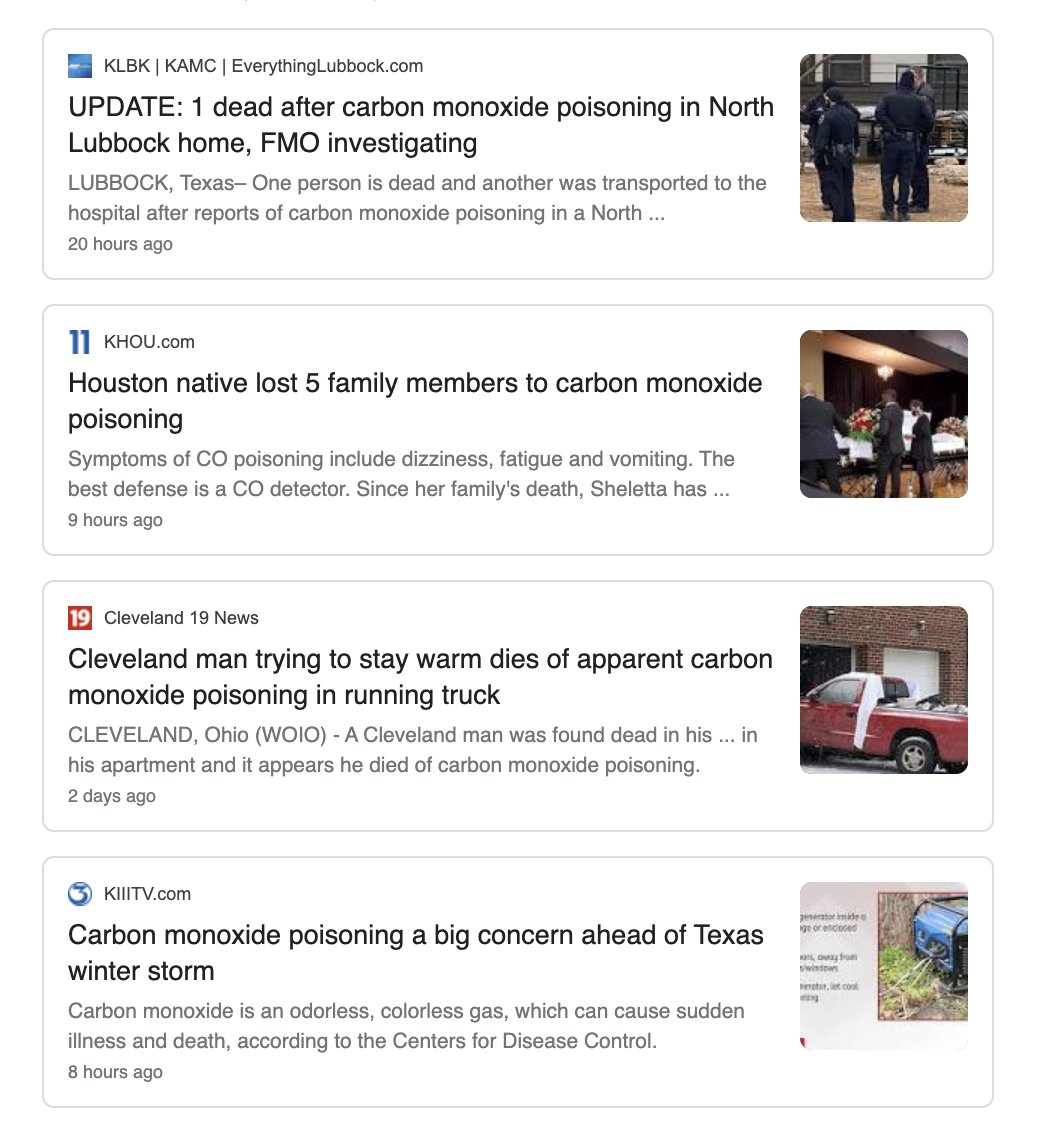
Electrifying household appliances will reduce our 'dependence' on natural gas and transmission methane leaks, but the switch will also cut the number of carbon monoxide poisonings and natural gas related explosions that kill Americans everyday. 5/
In the United States, car accidents are one of the leading causes of death and injury for children under the age of 18. https://t.co/RrYVtaoFRd 2/
A few years ago my family and I were driving from visiting relatives in Texas when we were stuck in traffic on the I-10. We were at a complete dead stop when a woman (texting) in a Suburban hit us at 70 mph. She crushed the back of our car like a soda can. 3/
Thankfully, our two-year-old was in a good carseat and I absorbed the brunt of the injuries with a few shards of glass in my scalp. I won't show those pictures! While a high speed rail network along the Gulf Coast may have not prevented that accident, it could prevent most. 4/
Electrifying household appliances will reduce our 'dependence' on natural gas and transmission methane leaks, but the switch will also cut the number of carbon monoxide poisonings and natural gas related explosions that kill Americans everyday. 5/