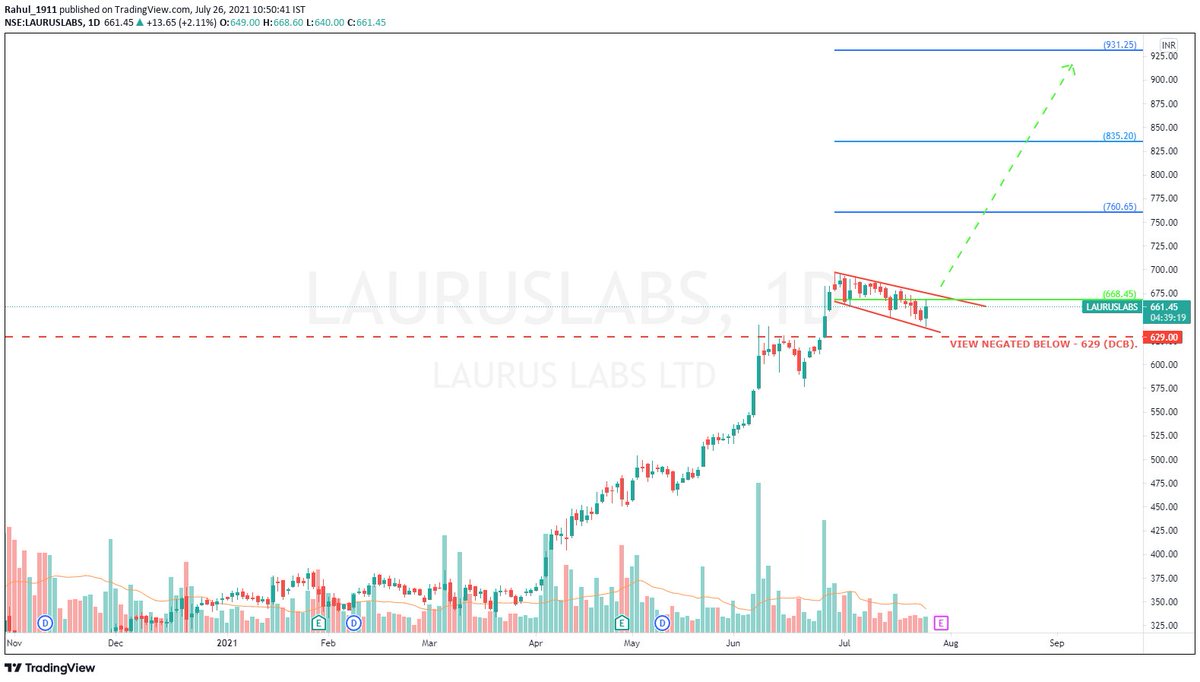
Range Squeezing Stocks
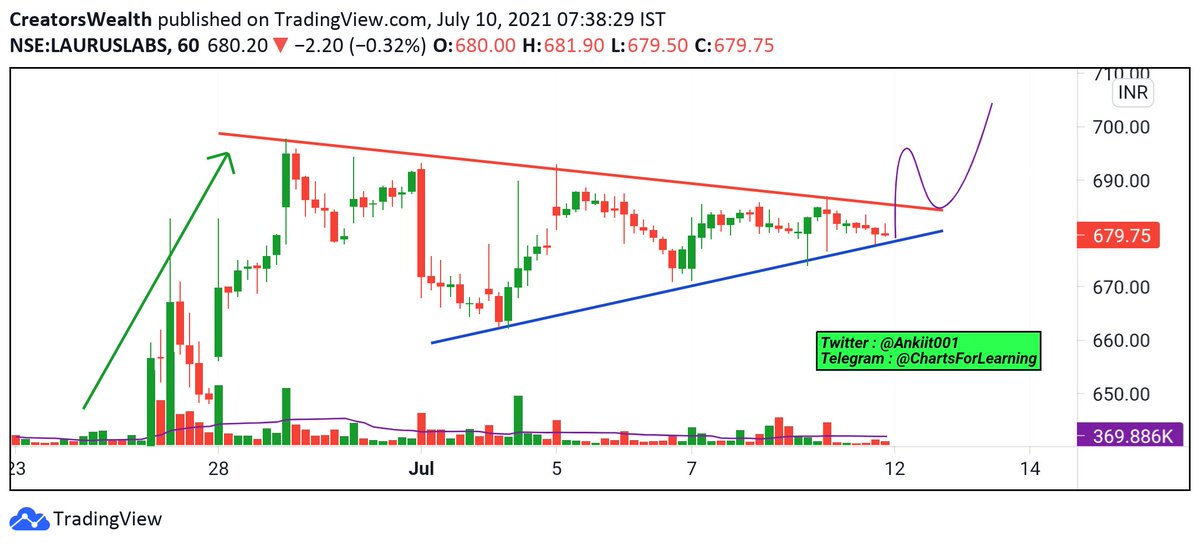
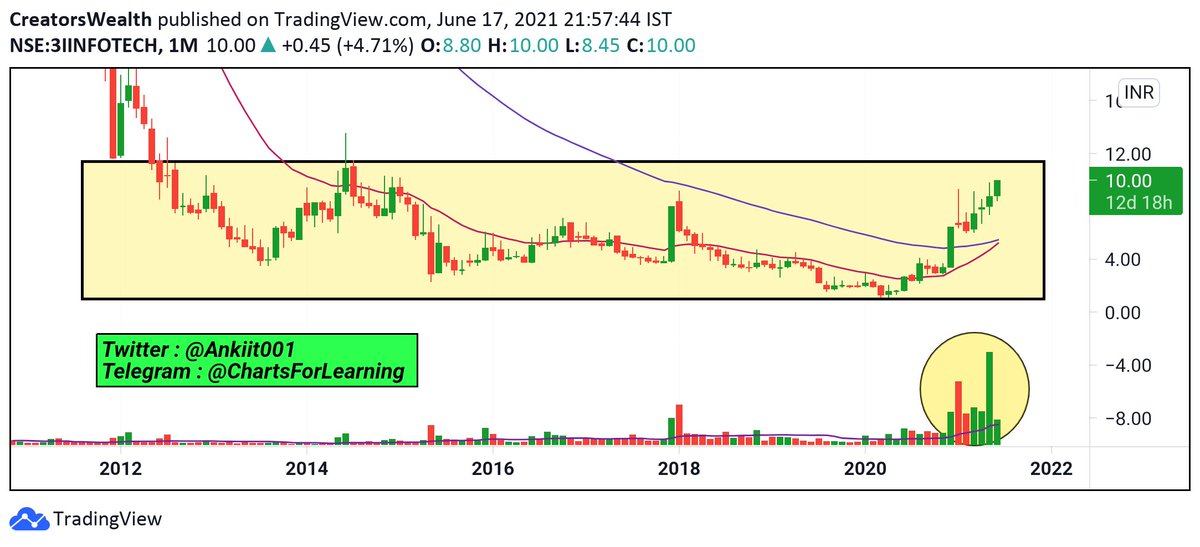
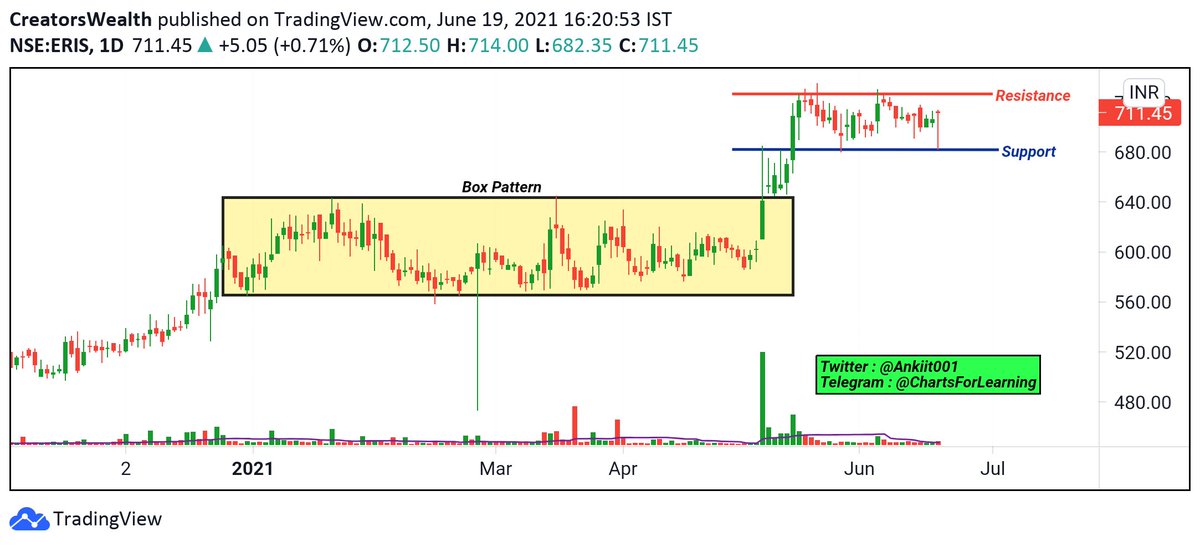
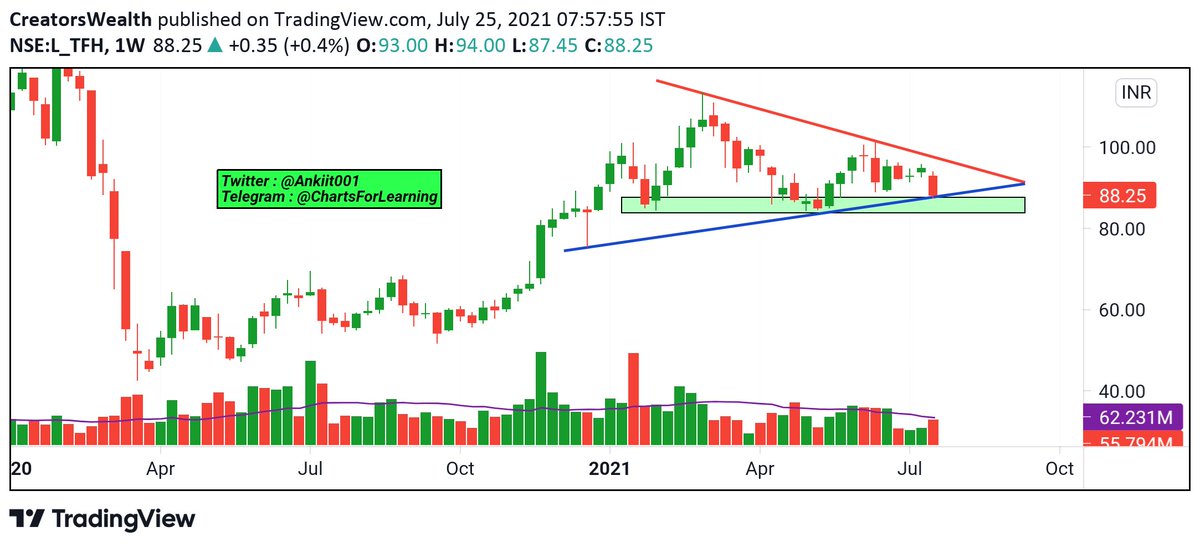
Triangle Pattern Formation
1. LAURUSLABS
2. LUPIN
3. SHILPAMED
4. NAVINFLUOR
Via @tradingview
Keep Tracking for Good Risk Reward Entry
Views Invited ✌️
@caniravkaria @kuttrapali26 @charts_breakout @Mr_Chartist @Puretechnicals9 @csankalp
More from Learner Ankit Jaglan 🇮🇳
More from Lauruslabs
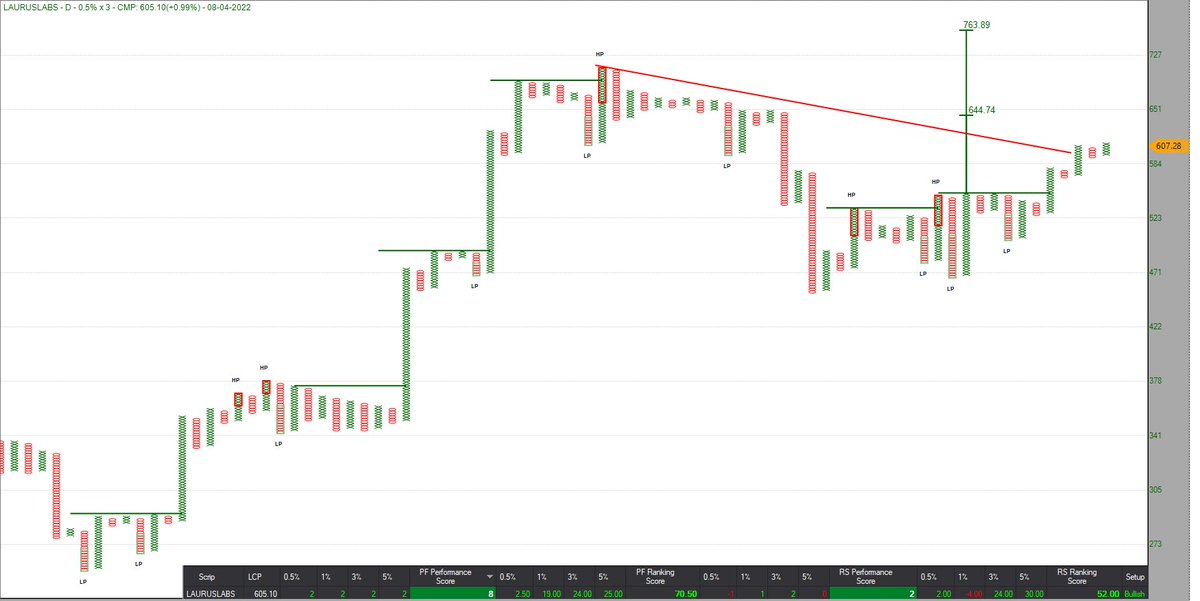
#LAURUSLABS Update
Into a narrow consolidation band post breakout.
Sustained above the zone, Target's intact.
#StockMarket #StocksInFocus https://t.co/lhfemwd4iQ
Into a narrow consolidation band post breakout.
Sustained above the zone, Target's intact.
#StockMarket #StocksInFocus https://t.co/lhfemwd4iQ
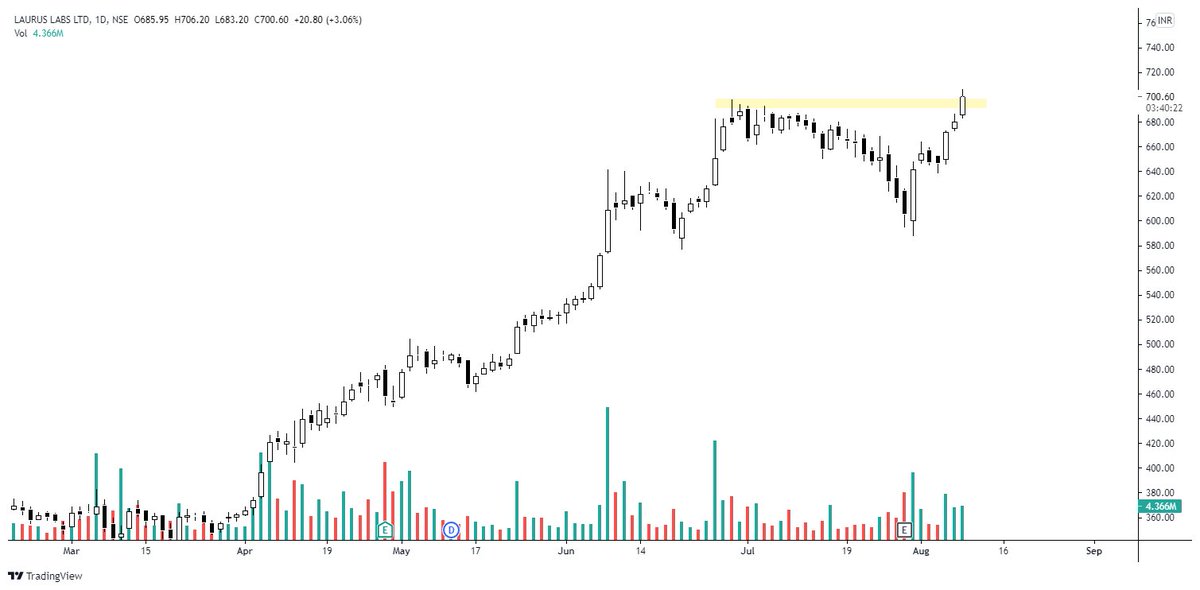
#LAURUSLABS Multiple TF Analysis
— Gurleen (@GurleenKaur_19) August 9, 2021
A break-through at ATH.
Sustenance above 698 and a breakout at 705.85 would bring in higher targets of 733 followed by 800 in short term. #StockMarket #StocksToWatch pic.twitter.com/2aaY3BG99D
You May Also Like
A brief analysis and comparison of the CSS for Twitter's PWA vs Twitter's legacy desktop website. The difference is dramatic and I'll touch on some reasons why.
Legacy site *downloads* ~630 KB CSS per theme and writing direction.
6,769 rules
9,252 selectors
16.7k declarations
3,370 unique declarations
44 media queries
36 unique colors
50 unique background colors
46 unique font sizes
39 unique z-indices
https://t.co/qyl4Bt1i5x
PWA *incrementally generates* ~30 KB CSS that handles all themes and writing directions.
735 rules
740 selectors
757 declarations
730 unique declarations
0 media queries
11 unique colors
32 unique background colors
15 unique font sizes
7 unique z-indices
https://t.co/w7oNG5KUkJ
The legacy site's CSS is what happens when hundreds of people directly write CSS over many years. Specificity wars, redundancy, a house of cards that can't be fixed. The result is extremely inefficient and error-prone styling that punishes users and developers.
The PWA's CSS is generated on-demand by a JS framework that manages styles and outputs "atomic CSS". The framework can enforce strict constraints and perform optimisations, which is why the CSS is so much smaller and safer. Style conflicts and unbounded CSS growth are avoided.
Legacy site *downloads* ~630 KB CSS per theme and writing direction.
6,769 rules
9,252 selectors
16.7k declarations
3,370 unique declarations
44 media queries
36 unique colors
50 unique background colors
46 unique font sizes
39 unique z-indices
https://t.co/qyl4Bt1i5x
PWA *incrementally generates* ~30 KB CSS that handles all themes and writing directions.
735 rules
740 selectors
757 declarations
730 unique declarations
0 media queries
11 unique colors
32 unique background colors
15 unique font sizes
7 unique z-indices
https://t.co/w7oNG5KUkJ
The legacy site's CSS is what happens when hundreds of people directly write CSS over many years. Specificity wars, redundancy, a house of cards that can't be fixed. The result is extremely inefficient and error-prone styling that punishes users and developers.
The PWA's CSS is generated on-demand by a JS framework that manages styles and outputs "atomic CSS". The framework can enforce strict constraints and perform optimisations, which is why the CSS is so much smaller and safer. Style conflicts and unbounded CSS growth are avoided.