🔥The unexpected consequence of too much sitting 🔥

The negatives of a sedentary lifestyle are widely known❗️

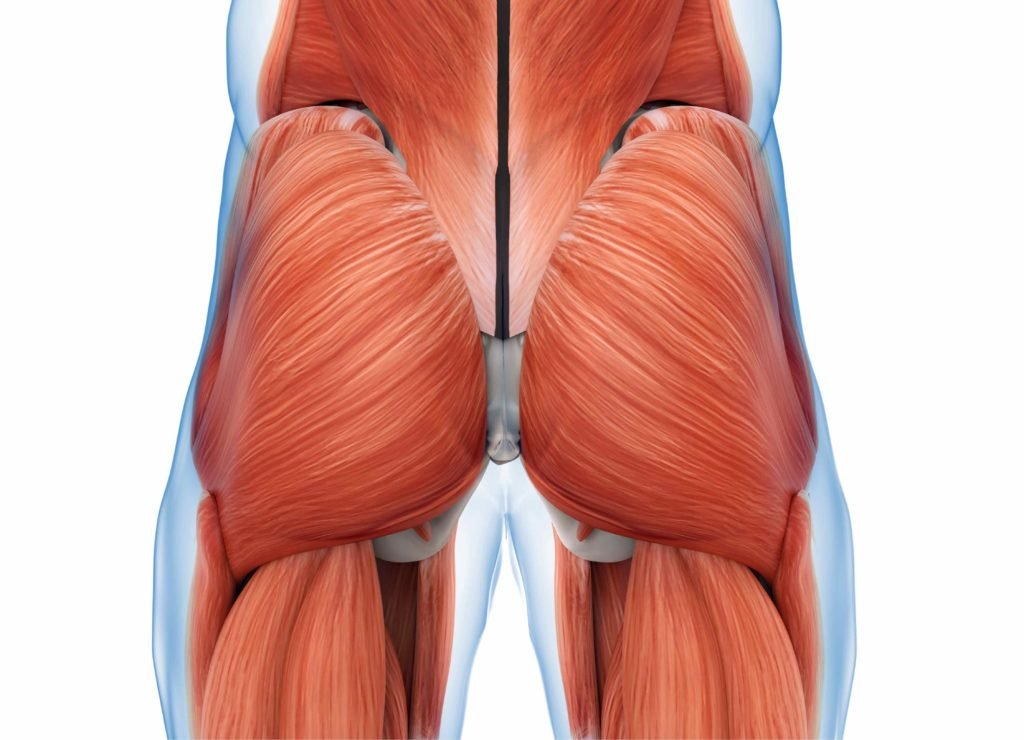
One issue that doesn't get mentioned enough is GLUTEAL AMNESIA, also known as the "dead butt syndrome".

Thread - Read more 👇

Thread (1/9)

GLUTEAL AMNESIA, also known as the "dead butt syndrome" simply means:

➡️ Your gluteal muscles have been "unused" for so long that they now fail to activate whenever your body needs them to
Thread (2/9)

Role of the Glutes:

➡️ Play a major role in the way our body moves

➡️ Not just there for aesthetics

➡️ Crucial for keeping our torsos upright, moving/rotating of the thighs & walking/running
Thread (3/9)

GLUTEAL AMNESIA ⁉️

➡️ Glutes get so weak that they forget to activate

➡️ Consequence: Other muscles need to compensate - such as your lower back muscles or hip flexors

➡️ This can cause all sorts of problems such as lower back pain, knee pain & poor posture
Thread (4/9)

How do you know if you suffer from the "dead butt syndrome"?

➡️Glute amnesia can vary in severity

Here's a simple test:

➡️ Do 10 glute bridges (video 👇)

🛑If you feel them more in your quads or hammies than in your glutes, you know you have some work to do.
Thread (5/9)

What can you do about it?

1. Choosing the right exercises

1⃣ Get off your butt (pun totally intended) & start focusing on your glute training

2⃣ Exercises like the squat, the deadlift & hip thrust are on top of the list

More from Health

You May Also Like

@EricTopol @NBA @StephenKissler @yhgrad B.1.1.7 reveals clearly that SARS-CoV-2 is reverting to its original pre-outbreak condition, i.e. adapted to transgenic hACE2 mice (either Baric's BALB/c ones or others used at WIV labs during chimeric bat coronavirus experiments aimed at developing a pan betacoronavirus vaccine)

@NBA @StephenKissler @yhgrad 1. From Day 1, SARS-COV-2 was very well adapted to humans .....and transgenic hACE2 Mice


@NBA @StephenKissler @yhgrad 2. High Probability of serial passaging in Transgenic Mice expressing hACE2 in genesis of SARS-COV-2


@NBA @StephenKissler @yhgrad B.1.1.7 has an unusually large number of genetic changes, ... found to date in mouse-adapted SARS-CoV2 and is also seen in ferret infections.
https://t.co/9Z4oJmkcKj


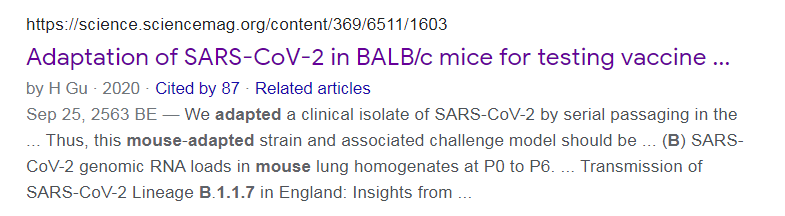
@NBA @StephenKissler @yhgrad We adapted a clinical isolate of SARS-CoV-2 by serial passaging in the ... Thus, this mouse-adapted strain and associated challenge model should be ... (B) SARS-CoV-2 genomic RNA loads in mouse lung homogenates at P0 to P6.
https://t.co/I90OOCJg7o
This is a pretty valiant attempt to defend the "Feminist Glaciology" article, which says conventional wisdom is wrong, and this is a solid piece of scholarship. I'll beg to differ, because I think Jeffery, here, is confusing scholarship with "saying things that seem right".


The article is, at heart, deeply weird, even essentialist. Here, for example, is the claim that proposing climate engineering is a "man" thing. Also a "man" thing: attempting to get distance from a topic, approaching it in a disinterested fashion.


Also a "man" thing—physical courage. (I guess, not quite: physical courage "co-constitutes" masculinist glaciology along with nationalism and colonialism.)


There's criticism of a New York Times article that talks about glaciology adventures, which makes a similar point.


At the heart of this chunk is the claim that glaciology excludes women because of a narrative of scientific objectivity and physical adventure. This is a strong claim! It's not enough to say, hey, sure, sounds good. Is it true?
1/“What would need to be true for you to….X”

Why is this the most powerful question you can ask when attempting to reach an agreement with another human being or organization?

A thread, co-written by @deanmbrody:


2/ First, “X” could be lots of things. Examples: What would need to be true for you to

- “Feel it's in our best interest for me to be CMO"
- “Feel that we’re in a good place as a company”
- “Feel that we’re on the same page”
- “Feel that we both got what we wanted from this deal

3/ Normally, we aren’t that direct. Example from startup/VC land:

Founders leave VC meetings thinking that every VC will invest, but they rarely do.

Worse over, the founders don’t know what they need to do in order to be fundable.

4/ So why should you ask the magic Q?

To get clarity.

You want to know where you stand, and what it takes to get what you want in a way that also gets them what they want.

It also holds them (mentally) accountable once the thing they need becomes true.

5/ Staying in the context of soliciting investors, the question is “what would need to be true for you to want to invest (or partner with us on this journey, etc)?”

Multiple responses to this question are likely to deliver a positive result.