if you are not infected, any viral droplets that your mask catches will now be turned into microdroplets that you are repeatedly inhaling... increasing your risk of infection... but droplets evaporate fast
If you are wearing a mask you should replace your mask with a clean one after every cough into it. Should you wear a mask is a different question. Masks saturate with water sufficiently to create microdroplets long before they feel wet or damp, perhaps within 5 min.
if you are not infected, any viral droplets that your mask catches will now be turned into microdroplets that you are repeatedly inhaling... increasing your risk of infection... but droplets evaporate fast
1. If symptomatic, STOP! stay home and isolate.
2. If pre-symptomatic/ asymptomatic the question is are you breathing out the virus with your normal breathing. If no => masks useless. If yes... we’ll the studies are not done
• if coughing or sneezing, stay home, isolate
• suddenly lack of smell, headaches, etc, stay home, isolate
• check your temperature before going out, do not go out if over 37.5C
• comply with local laws on face coverings.
More from Health



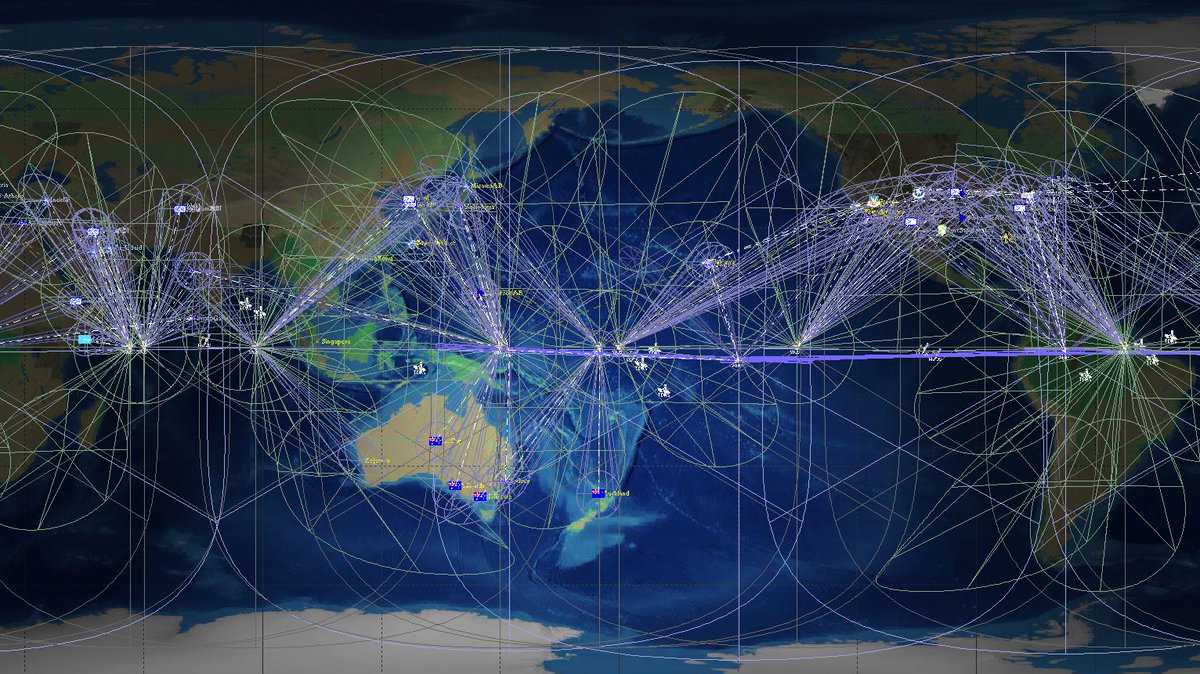



This is the $1mln question still without an answer: why were these workers cleaning bat guano from that abandoned mine?
Surprisingly we simply don't know.
China would have all interest in clarifying that point if for instance they were prospecting or selling guano. It did not.
What we know is that EcoHealth + WIV were sampling bat sites in the vicinity at the exact time of the workers being in that mine.
#DRASTIC wrote about this and about other oddities in the official story:
Maybe it's just one of these coincidences.
Then it gets interesting: about a year after the miners death, Olival & Epstein from EcoHealth Alliance co-authored a paper about the coronavirus risk infection from bat guano collection.
No mention of the
That paper oddly used some old bat samples collected by DARPA in 2006/7 at the famous Thai bat cave.
It never mentioned that the Thai monks have been doing this every Sunday for many many years without infection.
But most interestingly it never mentioned the Mojiang mine accident, even if the perfect timing and recycling of old DARPA bat samples seem to point to a likely knowledge of it.
Anyway, the idea was to ask for more money, as you correctly
Surprisingly we simply don't know.
China would have all interest in clarifying that point if for instance they were prospecting or selling guano. It did not.
The miners were tasked with removing bat feces. AFAIK it hasn't been established why they were doing this. Given that EcoHealth was collecting bat fecal samples in the same province around the same time, is it possible these miners were actually collecting guano for EcoHealth?
— The Great Gumbino (@gumby4christ) February 15, 2021
What we know is that EcoHealth + WIV were sampling bat sites in the vicinity at the exact time of the workers being in that mine.
#DRASTIC wrote about this and about other oddities in the official story:
Maybe it's just one of these coincidences.
Then it gets interesting: about a year after the miners death, Olival & Epstein from EcoHealth Alliance co-authored a paper about the coronavirus risk infection from bat guano collection.
No mention of the
That paper oddly used some old bat samples collected by DARPA in 2006/7 at the famous Thai bat cave.
It never mentioned that the Thai monks have been doing this every Sunday for many many years without infection.
But most interestingly it never mentioned the Mojiang mine accident, even if the perfect timing and recycling of old DARPA bat samples seem to point to a likely knowledge of it.
Anyway, the idea was to ask for more money, as you correctly