
1. I believe the government is about to make another huge mistake. Where is @UKLabour in all this? I have some questions @Keir_Starmer should be asking urgently. Please RT to raise awareness.
It seems increasingly likely that, come March, the govt is planning to say to under-65s without pre-existing conditions: go forth and get Covid https://t.co/BhHNG3M2DR
— D_Shariatmadari (@D_Shariatmadari) January 10, 2021
3. And Chris Whitty shared his thoughts on why, how and when restrictions might be lifted. pic.twitter.com/YtERJzhavU
— Adam Hamdy (@adamhamdy) January 5, 2021
It was wrong to believe that 'saving the economy' was an alternative to 'saving people's lives\u2019.
— Max Roser (@MaxCRoser) January 8, 2021
If anything it is the other way around and the two goals go together so that countries that kept the health impact of the pandemic lower suffered smaller economic consequences. pic.twitter.com/IbMsJPChnD
More from Adam Hamdy
1. I find it remarkable that some medics and scientists aren’t raising their voices to make children as safe as possible. The comment about children being less infectious than adults is unsupported by evidence.
2. @c_drosten has talked about this extensively and @dgurdasani1 and @DrZoeHyde have repeatedly pointed out flaws in the studies which have purported to show this. Now for the other assertion: children are very rarely ill with COVID19.
3. Children seem to suffer less with acute illness, but we have no idea of the long-term impact of infection. We do know #LongCovid affects some children. @LongCovidKids now speaks for 1,500 children struggling with a wide range of long-term symptoms.
4. 1,500 children whose parents found a small campaign group. How many more are out there? We don’t know. ONS data suggests there might be many, but the issue hasn’t been studied sufficiently well or long enough for a definitive answer.
5. Some people have talked about #COVID19 being this generation’s Polio. According to US CDC, Polio resulted in inapparent infection in more than 99% of people. Severe disease occurred in a tiny fraction of those infected. Source:
I find it remarkable that a section of society not rejoicing that children very rarely ill with COVID compared to other viruses and much less infectious than adults
— Michael Absoud \U0001f499 (@MAbsoud) February 12, 2021
Instead trying prove the opposite!
Why??
2. @c_drosten has talked about this extensively and @dgurdasani1 and @DrZoeHyde have repeatedly pointed out flaws in the studies which have purported to show this. Now for the other assertion: children are very rarely ill with COVID19.
3. Children seem to suffer less with acute illness, but we have no idea of the long-term impact of infection. We do know #LongCovid affects some children. @LongCovidKids now speaks for 1,500 children struggling with a wide range of long-term symptoms.
4. 1,500 children whose parents found a small campaign group. How many more are out there? We don’t know. ONS data suggests there might be many, but the issue hasn’t been studied sufficiently well or long enough for a definitive answer.
5. Some people have talked about #COVID19 being this generation’s Polio. According to US CDC, Polio resulted in inapparent infection in more than 99% of people. Severe disease occurred in a tiny fraction of those infected. Source:
1. This thread has been given a new lease of life today. People keep saying, "We can't do #ZeroCovid, it doesn't fit with our way of life."
Look around.
What way of life?
The one we used to have?
The UK has been under varying degrees of restriction since March 23rd 2020.
2. Nearly a year of having our social and economic freedoms curtailed in one way or another. Nearly a year of muted economic activity. Nearly a year of mass death and disease.
#ZeroCovid doesn't fit with a way of life that doesn't exist anymore.
3. The question isn't whether it fits with our old freewheeling ways, but whether it would lead to better outcomes than the UK's current (poorly defined) strategy? Experiences in New Zealand, Australia, Vietnam, China, Taiwan and elsewhere very much suggest it would.
4. #ZeroCovid isn't about what's possible. It's about what's necessary. Decide what's necessary and figure out a way to make it possible. We can't force travellers to quarantine in hotels for two weeks? Why not? Taiwan does. And if that's what's necessary, why aren't we doing it?
5. I've heard some odd things said about #ZeroCovid
Simple-minded clod Matt Hancock said Zero Covid is impossible because no country has had zero cases.
Zero Covid sets out an ambition. It signals a country treats any infections as serious
Look around.
What way of life?
The one we used to have?
The UK has been under varying degrees of restriction since March 23rd 2020.
1. \u201c#ZeroCovid is impossible\u201d
— Adam Hamdy (@adamhamdy) January 4, 2021
I\u2019ve been arguing for #ZeroCovid before it even had a name, so I\u2019ve heard most of the counter arguments.
It\u2019s too expensive.
If countries like Vietnam can afford it, why can\u2019t we?https://t.co/1XUyzOuHtc
2. Nearly a year of having our social and economic freedoms curtailed in one way or another. Nearly a year of muted economic activity. Nearly a year of mass death and disease.
#ZeroCovid doesn't fit with a way of life that doesn't exist anymore.
3. The question isn't whether it fits with our old freewheeling ways, but whether it would lead to better outcomes than the UK's current (poorly defined) strategy? Experiences in New Zealand, Australia, Vietnam, China, Taiwan and elsewhere very much suggest it would.
4. #ZeroCovid isn't about what's possible. It's about what's necessary. Decide what's necessary and figure out a way to make it possible. We can't force travellers to quarantine in hotels for two weeks? Why not? Taiwan does. And if that's what's necessary, why aren't we doing it?
5. I've heard some odd things said about #ZeroCovid
Simple-minded clod Matt Hancock said Zero Covid is impossible because no country has had zero cases.
Zero Covid sets out an ambition. It signals a country treats any infections as serious


1. The problem facing Europe & the US isn't a scientific one. Scientists have been clear for months: public health and economic & social wellbeing are best served by policies that supress the virus. The #JohnSnowMemo cites evidence that makes this
2. Some media commentators seek to present the issue of how to respond to the virus in simplistic terms: Lockdown vs Herd Immunity. This a mischaracterisation. The countries that have tackled #COVID-19 best have used a range of public health
3. Almost every scientist acknowledges lockdown equals failure. It is a sign governments have failed to implement the measures needed to allow life to be lived more or less as normal, without risking exponential growth in transmission.
4. There is an active misinformation campaign that is being aided and abetted by certain sections of the media and some politicians. The campaign would have us believe that if we open up and shield the vulnerable, all will be well. This approach has been derided as inhumane...
5. ...by the WHO, and ridiculous by Dr Fauci for many reasons. It is based on faulty logic, and the proponents of this approach have submitted no evidence that it can be achieved nor any practical examples of how they would do so.
2. Some media commentators seek to present the issue of how to respond to the virus in simplistic terms: Lockdown vs Herd Immunity. This a mischaracterisation. The countries that have tackled #COVID-19 best have used a range of public health
The Swiss Cheese model of #COVID19 defence, by @MackayIM.
— Dr Zo\xeb Hyde (@DrZoeHyde) October 24, 2020
No single measure is sufficient, but put together they can stop the virus.
I particularly like Misinformation Mouse, nibbling away at one of the slices. pic.twitter.com/c1gfTai2Hj
3. Almost every scientist acknowledges lockdown equals failure. It is a sign governments have failed to implement the measures needed to allow life to be lived more or less as normal, without risking exponential growth in transmission.
4. There is an active misinformation campaign that is being aided and abetted by certain sections of the media and some politicians. The campaign would have us believe that if we open up and shield the vulnerable, all will be well. This approach has been derided as inhumane...
5. ...by the WHO, and ridiculous by Dr Fauci for many reasons. It is based on faulty logic, and the proponents of this approach have submitted no evidence that it can be achieved nor any practical examples of how they would do so.
More from Government


The Manatee-Sarasota area has many connections to the horrific scene of insurrection in Washington DC yesterday. Want to see? Buckle up for this thread: /1
The Manatee GOP expressed support for Josh Hawley’s objections to certification of the electoral college vote. /2
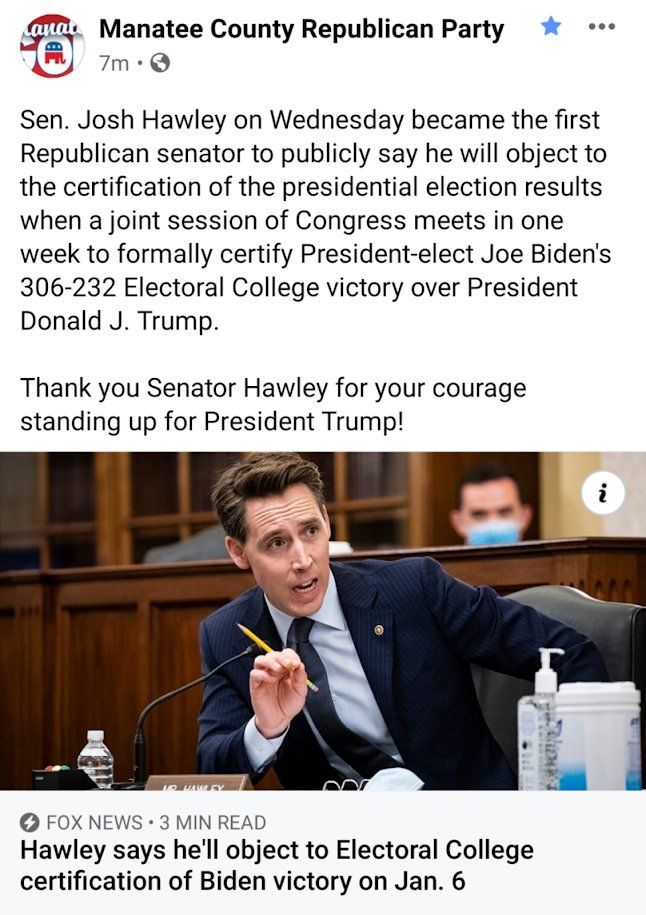
Josh Hawley’s home-state newspaper says Hawley has blood on his hands for a “Capitol coup attempt.” This is who the Manatee GOP cheered on.
Florida GOP Vice Chair & Sarasota County Commissioner Christian Ziegler was at the protest, as described in this @HeraldTribune article.
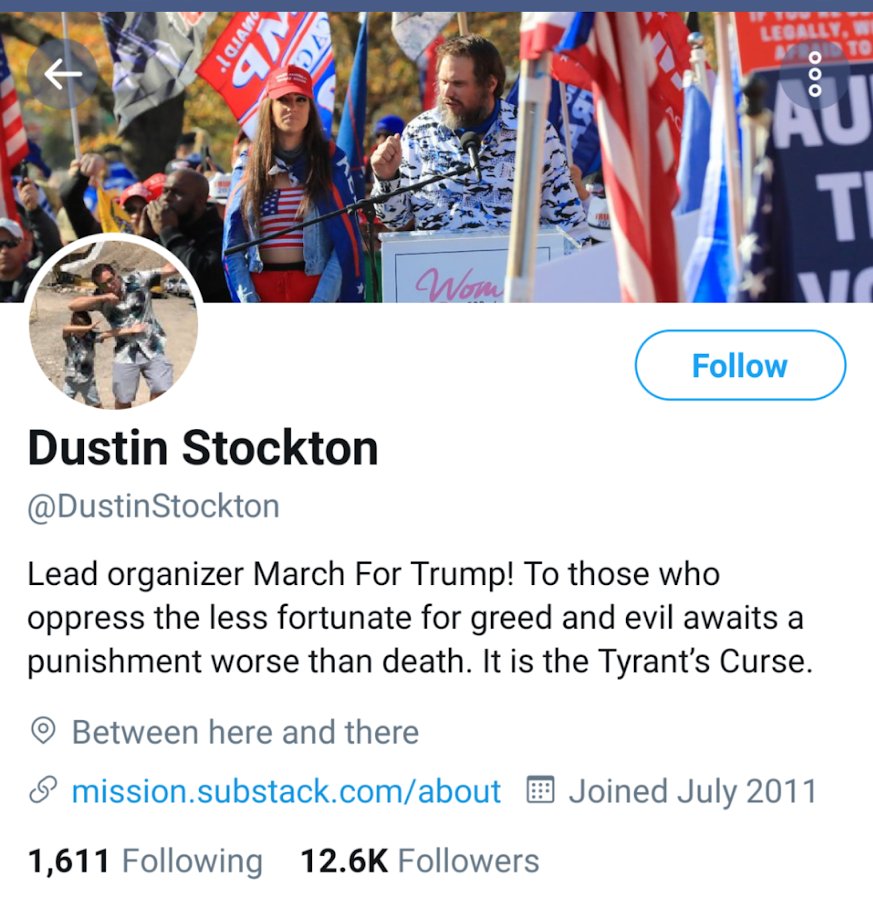
The protest was led by the same people connected to Ziegler who were filming outside the Vern Buchanan town hall at the Van Wezel in Sarasota in 2017, namely Dustin Stockton. Stockton was also part of Steve Bannon's border wall group. /5
https://t.co/NbOxVqbtO4
The Manatee GOP expressed support for Josh Hawley’s objections to certification of the electoral college vote. /2
Josh Hawley’s home-state newspaper says Hawley has blood on his hands for a “Capitol coup attempt.” This is who the Manatee GOP cheered on.
Florida GOP Vice Chair & Sarasota County Commissioner Christian Ziegler was at the protest, as described in this @HeraldTribune article.
The protest was led by the same people connected to Ziegler who were filming outside the Vern Buchanan town hall at the Van Wezel in Sarasota in 2017, namely Dustin Stockton. Stockton was also part of Steve Bannon's border wall group. /5
https://t.co/NbOxVqbtO4



You May Also Like


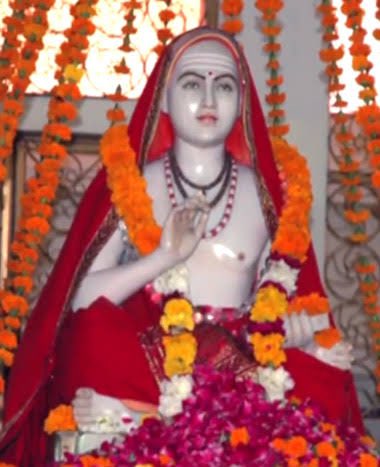
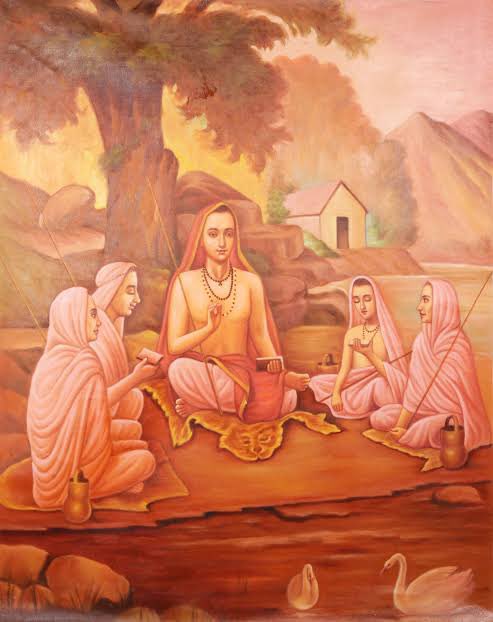


IMPORTANCE, ADVANTAGES AND CHARACTERISTICS OF BHAGWAT PURAN
It was Ved Vyas who edited the eighteen thousand shlokas of Bhagwat. This book destroys all your sins. It has twelve parts which are like kalpvraksh.
In the first skandh, the importance of Vedvyas
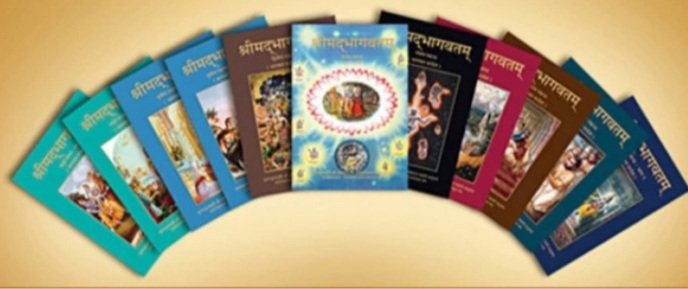
and characters of Pandavas are described by the dialogues between Suutji and Shaunakji. Then there is the story of Parikshit.
Next there is a Brahm Narad dialogue describing the avtaar of Bhagwan. Then the characteristics of Puraan are mentioned.
It also discusses the evolution of universe.( https://t.co/2aK1AZSC79 )
Next is the portrayal of Vidur and his dialogue with Maitreyji. Then there is a mention of Creation of universe by Brahma and the preachings of Sankhya by Kapil Muni.
In the next section we find the portrayal of Sati, Dhruv, Pruthu, and the story of ancient King, Bahirshi.
In the next section we find the character of King Priyavrat and his sons, different types of loks in this universe, and description of Narak. ( https://t.co/gmDTkLktKS )
In the sixth part we find the portrayal of Ajaamil ( https://t.co/LdVSSNspa2 ), Daksh and the birth of Marudgans( https://t.co/tecNidVckj )
In the seventh section we find the story of Prahlad and the description of Varnashram dharma. This section is based on karma vaasna.
It was Ved Vyas who edited the eighteen thousand shlokas of Bhagwat. This book destroys all your sins. It has twelve parts which are like kalpvraksh.
In the first skandh, the importance of Vedvyas
and characters of Pandavas are described by the dialogues between Suutji and Shaunakji. Then there is the story of Parikshit.
Next there is a Brahm Narad dialogue describing the avtaar of Bhagwan. Then the characteristics of Puraan are mentioned.
It also discusses the evolution of universe.( https://t.co/2aK1AZSC79 )
Next is the portrayal of Vidur and his dialogue with Maitreyji. Then there is a mention of Creation of universe by Brahma and the preachings of Sankhya by Kapil Muni.
HOW LIFE EVOLVED IN THIS UNIVERSE AS PER OUR SCRIPTURES.
— Anshul Pandey (@Anshulspiritual) August 29, 2020
Well maximum of Living being are the Vansaj of Rishi Kashyap. I have tried to give stories from different-different Puran. So lets start.... pic.twitter.com/MrrTS4xORk
In the next section we find the portrayal of Sati, Dhruv, Pruthu, and the story of ancient King, Bahirshi.
In the next section we find the character of King Priyavrat and his sons, different types of loks in this universe, and description of Narak. ( https://t.co/gmDTkLktKS )
Thread on NARK(HELL) / \u0928\u0930\u094d\u0915
— Anshul Pandey (@Anshulspiritual) August 11, 2020
Well today i will take you to a journey where nobody wants to go i.e Nark. Hence beware of doing Adharma/Evil things. There are various mentions in Puranas about Nark, But my Thread is only as per Bhagwat puran(SS attached in below Thread)
1/8 pic.twitter.com/raHYWtB53Q
In the sixth part we find the portrayal of Ajaamil ( https://t.co/LdVSSNspa2 ), Daksh and the birth of Marudgans( https://t.co/tecNidVckj )
In the seventh section we find the story of Prahlad and the description of Varnashram dharma. This section is based on karma vaasna.
#THREAD
— Anshul Pandey (@Anshulspiritual) August 12, 2020
WHY PARENTS CHOOSE RELIGIOUS OR PARAMATMA'S NAMES FOR THEIR CHILDREN AND WHICH ARE THE EASIEST WAY TO WASH AWAY YOUR SINS.
Yesterday I had described the types of Naraka's and the Sin or Adharma for a person to be there.
1/8 pic.twitter.com/XjPB2hfnUC


