In 2009, I studied the history of the FBI/CIA and also the Hitler regime (research for a book). I expected it to be a dull errand, not a horrific realization that the evil methods of operation of US agencies were often indistinguishable in their actions from the N regime. AND...
The same is true if a society believes "there's never any justice anyway, so I no longer care... they're ALL evil".
a. Tolerate and accept evil actions that they use to frame/blackmail with
b. Develop apathy toward all evil, accepting, giving up on the fight
Therefore, in their best interest to
So... sometimes...
Agencies and others who appear to be fighting FOR the victims, are actually
In this way, the blackmail methods and materials that they've invested in, still give a solid return on that investment,
"Say this"
"Do this"
And they will.
The moment the blackmail material loses power, the Controllers lose power over their puppets.
In all of this, the victims of heinous crimes are
I'm writing this thread to share my conclusions after researching old records, in actual physical libraries, old dusty books no one reads.
Bad things that violate human rights & universally evil were already proven and documented to have been done by agencies.
The evil progressed because society progressed.
What's a blackmailer to do then?
What's still off limits?
And... it has a logical path.
It did happen.
There has been very little justice over the years.
The situation is ongoing.
THAT is the status, and many know it.
Blackmail material of the past, which may have been something as simple as a photograph of a quaint peck on the cheek as assumed proof of adultery,
However...
the blackmailers now
the downside to them is that there are too many operators and with many players, there will be stupid ones who mess things up.
They can't keep up with all of the mistakes.

More from Government


If you're curious what Trump's defense will look like, all you have to do is turn on Fox News. My latest at @mmfa
The tl;dr is that for years right-wing media have been excusing Trump's violent rhetoric by going, "Yes, but THE DEMOCRATS..." and then bending themselves into knots to pretend that Dems were calling for violence when they very, very clearly weren't.
And in fact, this predates Trump.
In 2008, Obama was talking about not backing down in the face of an ugly campaign. He said "If they bring a knife to the fight, we bring a gun."
https://t.co/i5YaQJsKop

That quote was from the movie The Untouchables. And there's no way anybody reading that quote in good faith could conclude that he was talking about actual guns and knives. But it became a big talking point on the
In 2018, Obama-era Attorney General Eric Holder was speaking to a group of Georgia Democrats about GOP voter suppression. He riffed on Michelle Obama's "When they go low, we go high" line from the 2016 DNC.
The tl;dr is that for years right-wing media have been excusing Trump's violent rhetoric by going, "Yes, but THE DEMOCRATS..." and then bending themselves into knots to pretend that Dems were calling for violence when they very, very clearly weren't.
And in fact, this predates Trump.
In 2008, Obama was talking about not backing down in the face of an ugly campaign. He said "If they bring a knife to the fight, we bring a gun."
https://t.co/i5YaQJsKop
That quote was from the movie The Untouchables. And there's no way anybody reading that quote in good faith could conclude that he was talking about actual guns and knives. But it became a big talking point on the
In 2018, Obama-era Attorney General Eric Holder was speaking to a group of Georgia Democrats about GOP voter suppression. He riffed on Michelle Obama's "When they go low, we go high" line from the 2016 DNC.

You May Also Like






fascinated by this man, mario cortellucci, and his outsized influence on ontario and GTA politics. cortellucci, who lives in vaughan and ran as a far-right candidate for the italian senate back in 2018 - is a major ford donor...
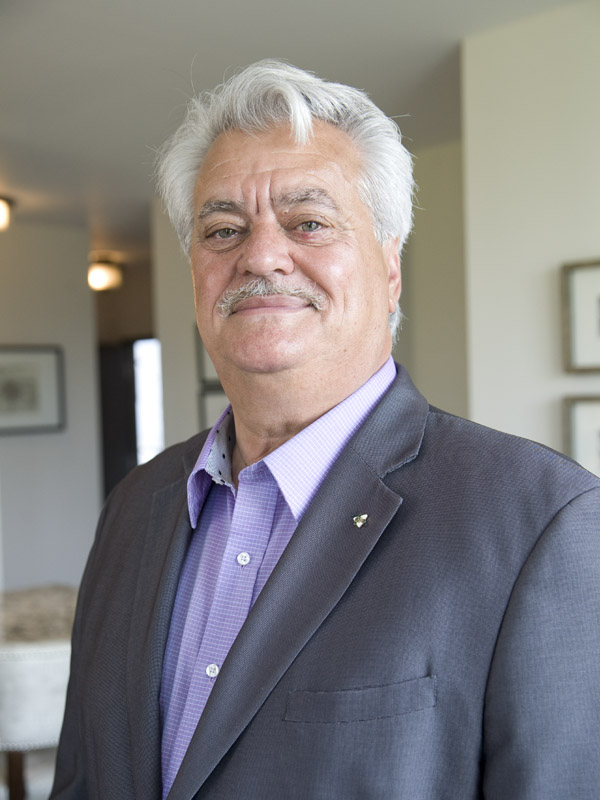
his name might sound familiar because the new cortellucci vaughan hospital at mackenzie health, the one doug ford has been touting lately as a covid-centric facility, is named after him and his family
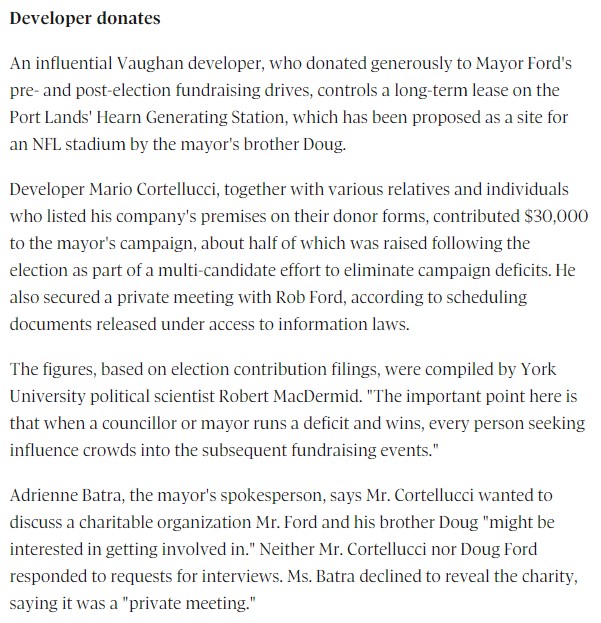
but his name also pops up in a LOT of other ford projects. for instance - he controls the long term lease on big parts of toronto's portlands... where doug ford once proposed building an nfl stadium and monorail... https://t.co/weOMJ51bVF
cortellucci, who is a developer, also owns a large chunk of the greenbelt. doug ford's desire to develop the greenbelt has been
and late last year he rolled back the mandate of conservation authorities there, prompting the resignations of several members of the greenbelt advisory
his name might sound familiar because the new cortellucci vaughan hospital at mackenzie health, the one doug ford has been touting lately as a covid-centric facility, is named after him and his family
but his name also pops up in a LOT of other ford projects. for instance - he controls the long term lease on big parts of toronto's portlands... where doug ford once proposed building an nfl stadium and monorail... https://t.co/weOMJ51bVF
cortellucci, who is a developer, also owns a large chunk of the greenbelt. doug ford's desire to develop the greenbelt has been
and late last year he rolled back the mandate of conservation authorities there, prompting the resignations of several members of the greenbelt advisory