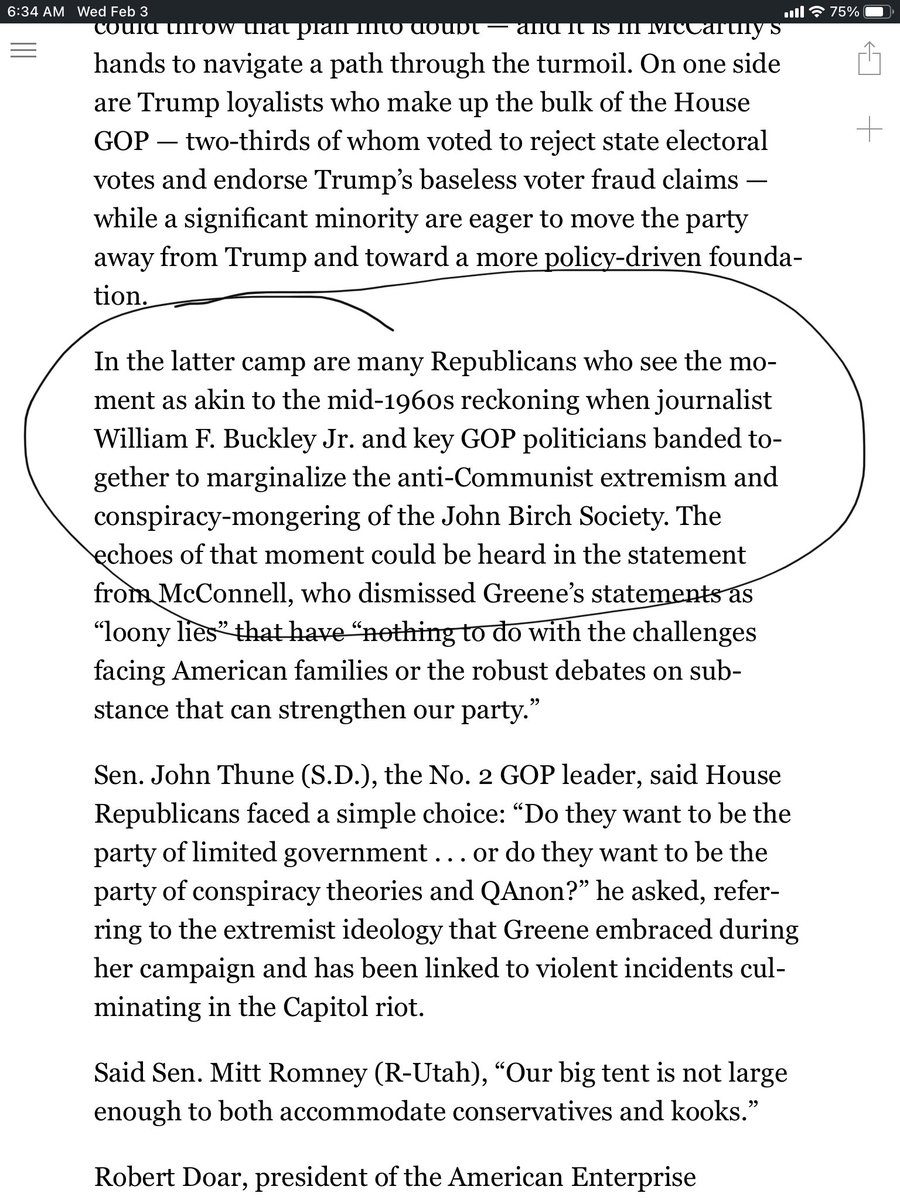
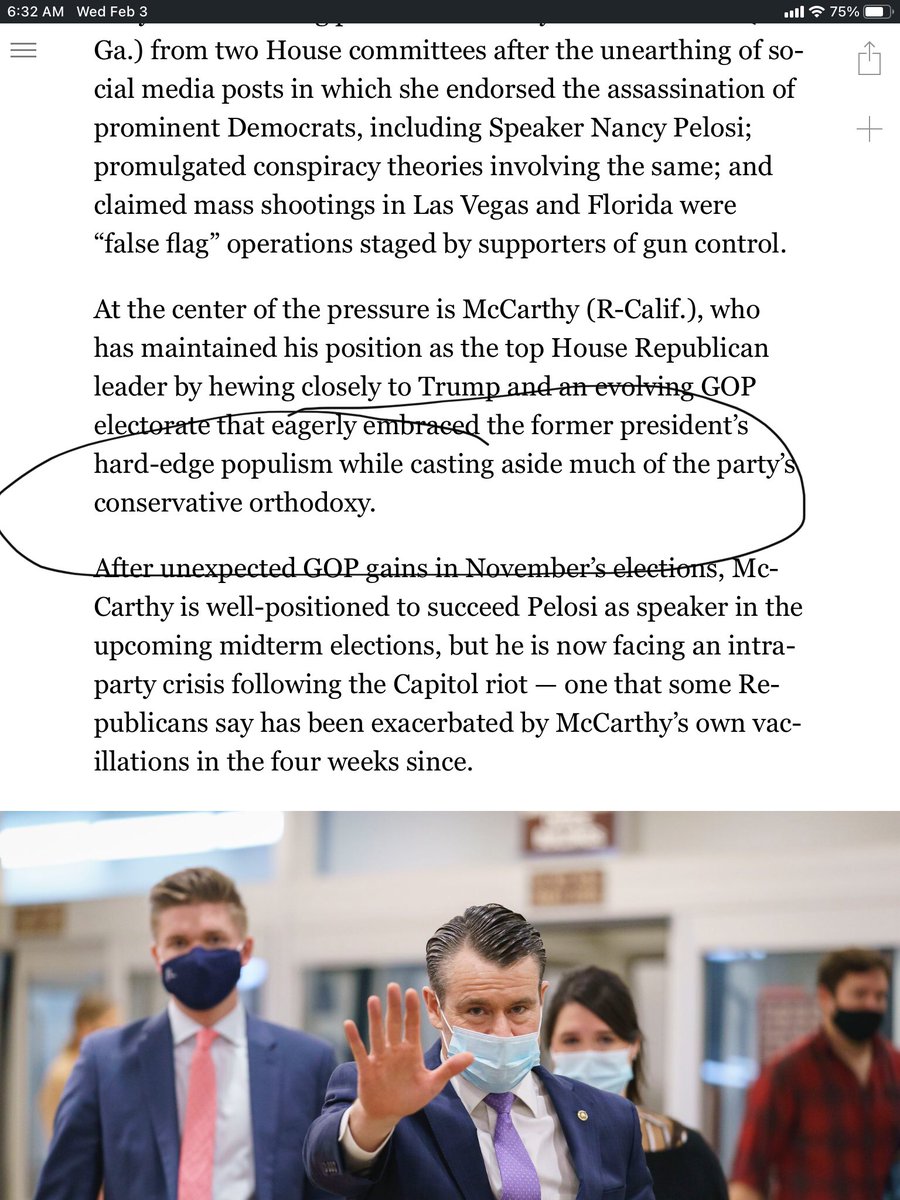
This is a good piece on fissures within the GOP but I think it mischaracterizes the Trump presidency as “populist” & repeats a story about how conservatives & the GOP expelled the far-right in the mid-1960s that is actually far more complicated. /1

I don’t think the sharp opposition between “hard-edge populism” & “conservative orthodoxy” holds. Many of the Trump administration’s achievements were boilerplate conservatism. Its own website trumpets things like “massive deregulation,” tax cuts, etc. /2

https://t.co/N97v85Bb79
The claim that Buckley and “key GOP politicians banded together to marginalize anti-Communist extremism and conspiracy-mongering” of the JBS has been widely repeated lately but the history is more complicated. /3
This tweet by @ThePlumLineGS citing a paper by @sam_rosenfeld and @daschloz on the "porous" boundary between conservatives, the GOP and the far-right is relevant in this context. /4
https://t.co/N8Q35jH44e
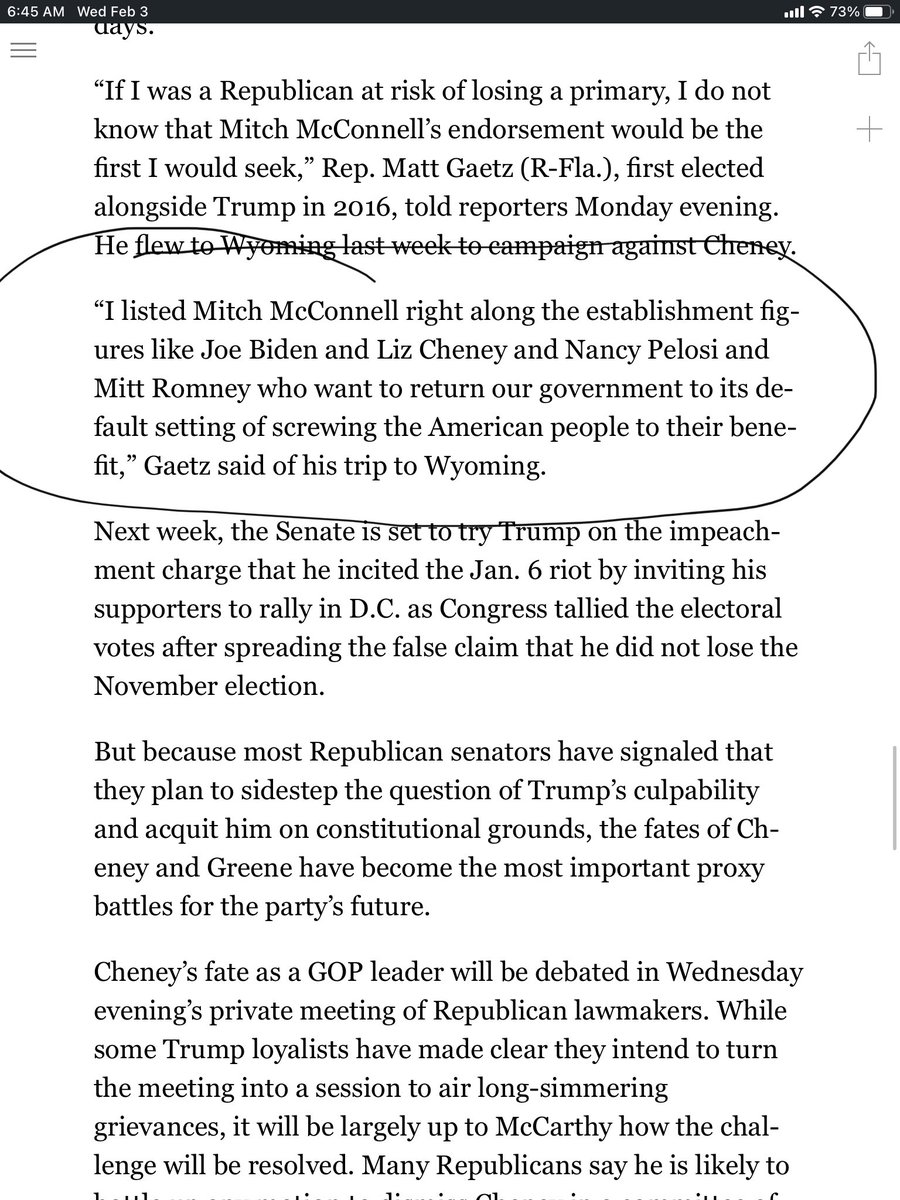
This is a separate point but I find it interesting that Gaetz, like Roy Moore did In his failed Senate campaign, disses McConnell. What are their actual policy differences? MM supported taking health care away from millions, a tax cut for the rich, conservative judges, etc. /5
And, by the way, Ronald Reagan hardly tried to "marginalize" the John Birch Society when he ran for CA Governor in 1966. Indeed, he refused to repudiate the group./6
https://t.co/FrOnThUWTd
This despite CA Republican Sen Thomas H. Kuchel's demand the previous year that all "forward-looking" Republican candidates for Governor " must repudiate the John Birch Society. /7
https://t.co/nKuEPU1zd7
Indeed, Reagan apparently played footsie with the JBS during his 1966 Gubernatorial campaign. /8
https://t.co/54wlvmhPRk
Here is one columnist's judgement in Oct 1966./9 https://t.co/0f6xAjkbSg
There is _a lot_ of scholarship, with much more forthcoming, on the porous boundary between conservatives and the far-right in this period, and so I think we should be cautious in asserting that the far-right was expelled from the conservative movement in the mid-1960s. /10

More from Government

You May Also Like

THREAD: 12 Things Everyone Should Know About IQ

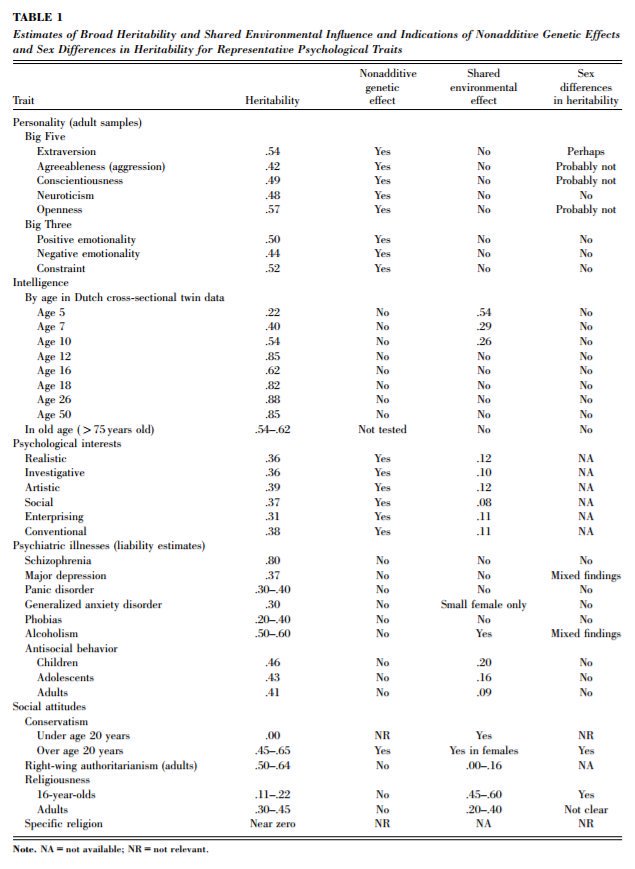
1. IQ is one of the most heritable psychological traits – that is, individual differences in IQ are strongly associated with individual differences in genes (at least in fairly typical modern environments). https://t.co/3XxzW9bxLE


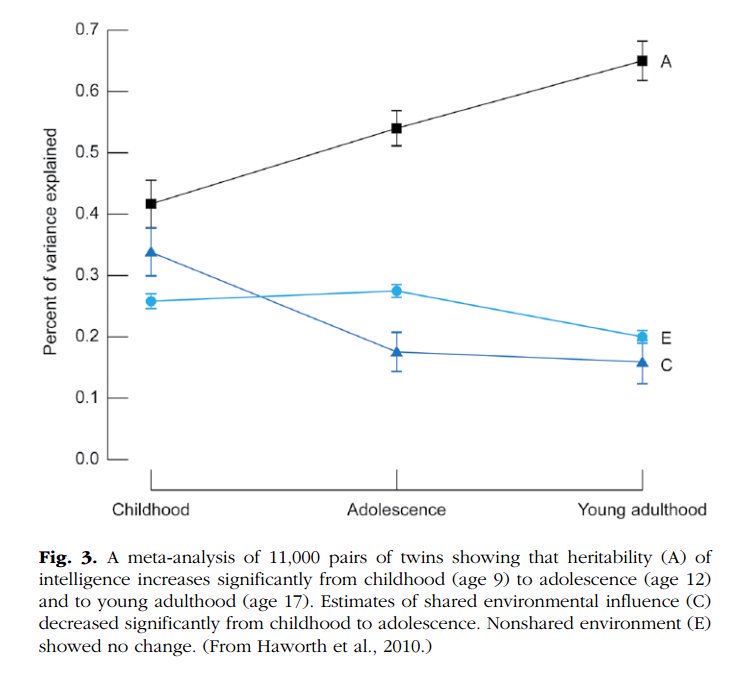
2. The heritability of IQ *increases* from childhood to adulthood. Meanwhile, the effect of the shared environment largely fades away. In other words, when it comes to IQ, nature becomes more important as we get older, nurture less.
https://t.co/UqtS1lpw3n


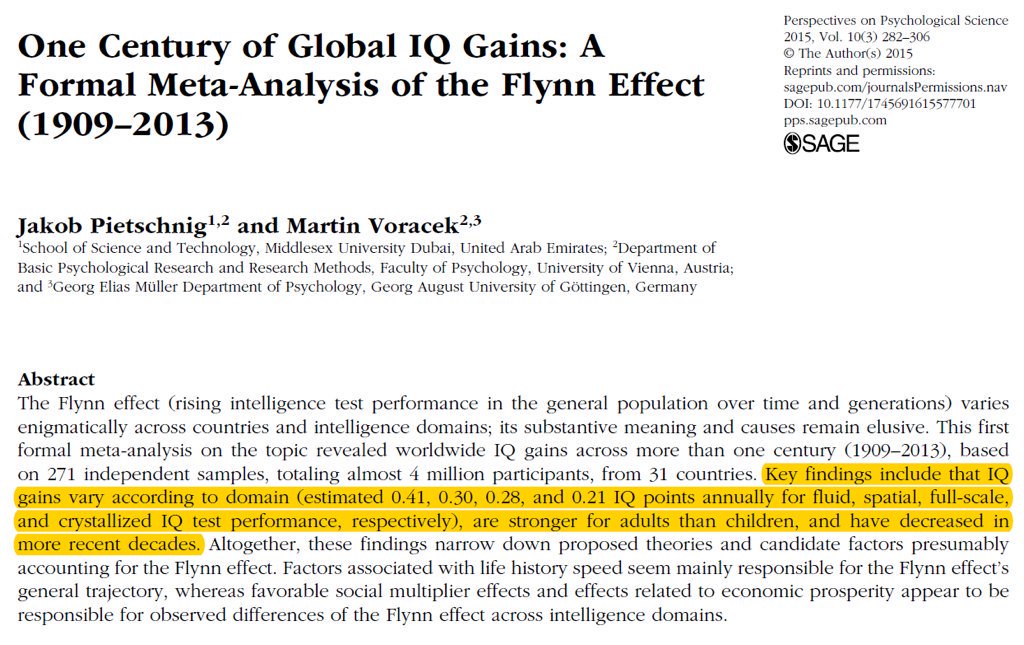
3. IQ scores have been increasing for the last century or so, a phenomenon known as the Flynn effect. https://t.co/sCZvCst3hw (N ≈ 4 million)

(Note that the Flynn effect shows that IQ isn't 100% genetic; it doesn't show that it's 100% environmental.)


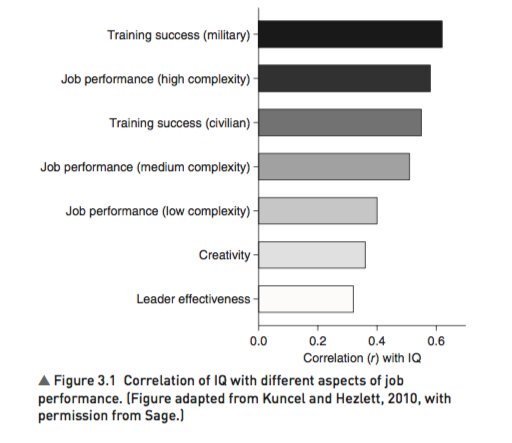
4. IQ predicts many important real world outcomes.

For example, though far from perfect, IQ is the single-best predictor of job performance we have – much better than Emotional Intelligence, the Big Five, Grit, etc. https://t.co/rKUgKDAAVx https://t.co/DWbVI8QSU3


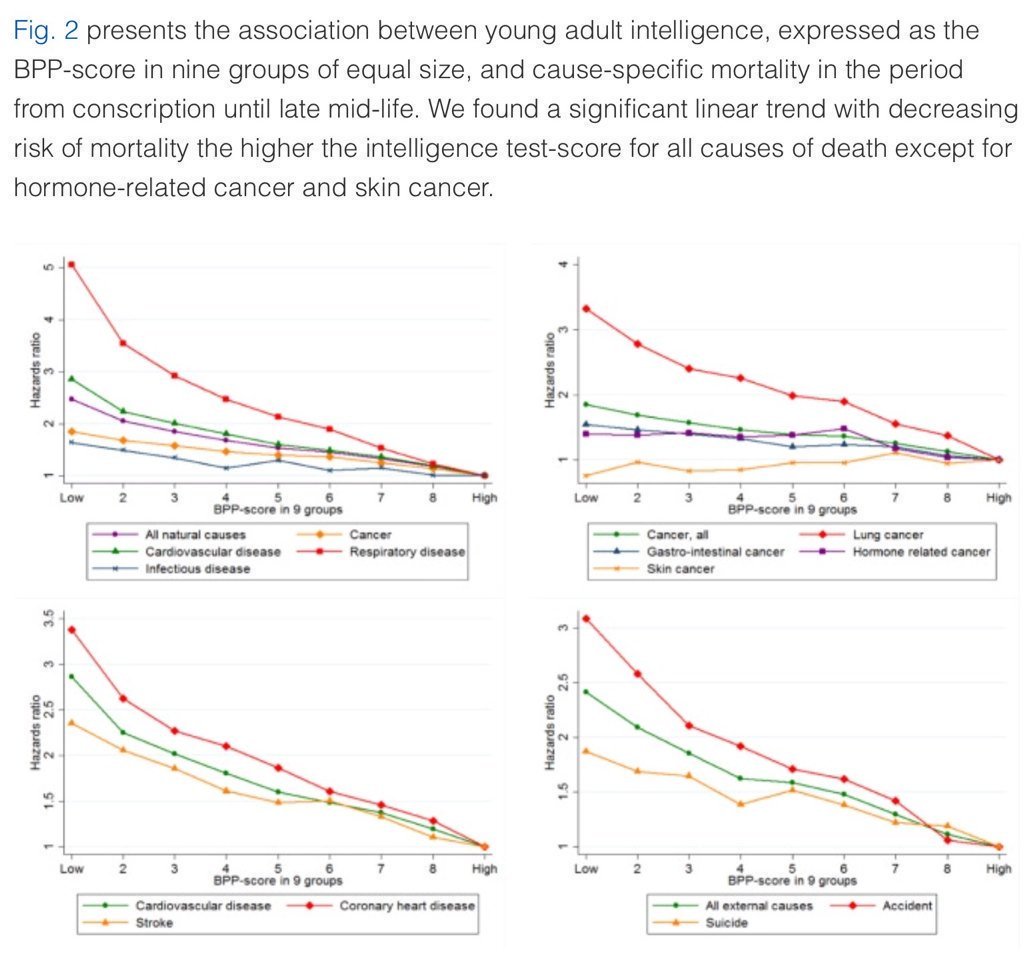
5. Higher IQ is associated with a lower risk of death from most causes, including cardiovascular disease, respiratory disease, most forms of cancer, homicide, suicide, and accident. https://t.co/PJjGNyeQRA (N = 728,160)
These 10 threads will teach you more than reading 100 books

Five billionaires share their top lessons on startups, life and entrepreneurship (1/10)


10 competitive advantages that will trump talent (2/10)


Some harsh truths you probably don’t want to hear (3/10)


10 significant lies you’re told about the world (4/10)