(1/11) “There is a moment I’ll never forget. My mother was teaching a class at our home, and my father hit her in front of the students. It was humiliating..."

(2/11) “Suddenly the science and literature books disappeared from our home. They were replaced by Islamic books, all of which were written by men. The rules were tightened..."
(3/11) “After high school I enrolled at a local boy’s college. I was one of fifteen girls at the entire school. And even though my grades were nothing special, I was very involved in student organizations..."
(4/11) “I felt cursed. Why hadn’t I been born a boy? I had all these ideas, and all these dreams, but nobody would ever recognize them. I spent the next few weeks laying on the sofa, thinking about my life..."
(5/11) “Waqas had begun to view me as more than a business partner. This was obvious to me. And maybe I was interested too, but I knew it wasn’t possible. Waqas was younger than me, and from a different caste..."
(6/11) “I returned to the workshop a few weeks later. Once again the craftsmen offered me a chair, but this time I refused. I sat next to them on the muddy floor, and said: ‘Teach me everything you know...'"
(7/11) “All of our customers came through word of mouth. First it was friends. Then it was friends of friends. After a year we were selling about 50 shoes per month..."
(8/11) “The interview for Y-Combinator was a disaster. My internet was so slow that Waqas was forced to put me on mute. We knew this would be a giant red flag, since we were claiming to be a technology company..."
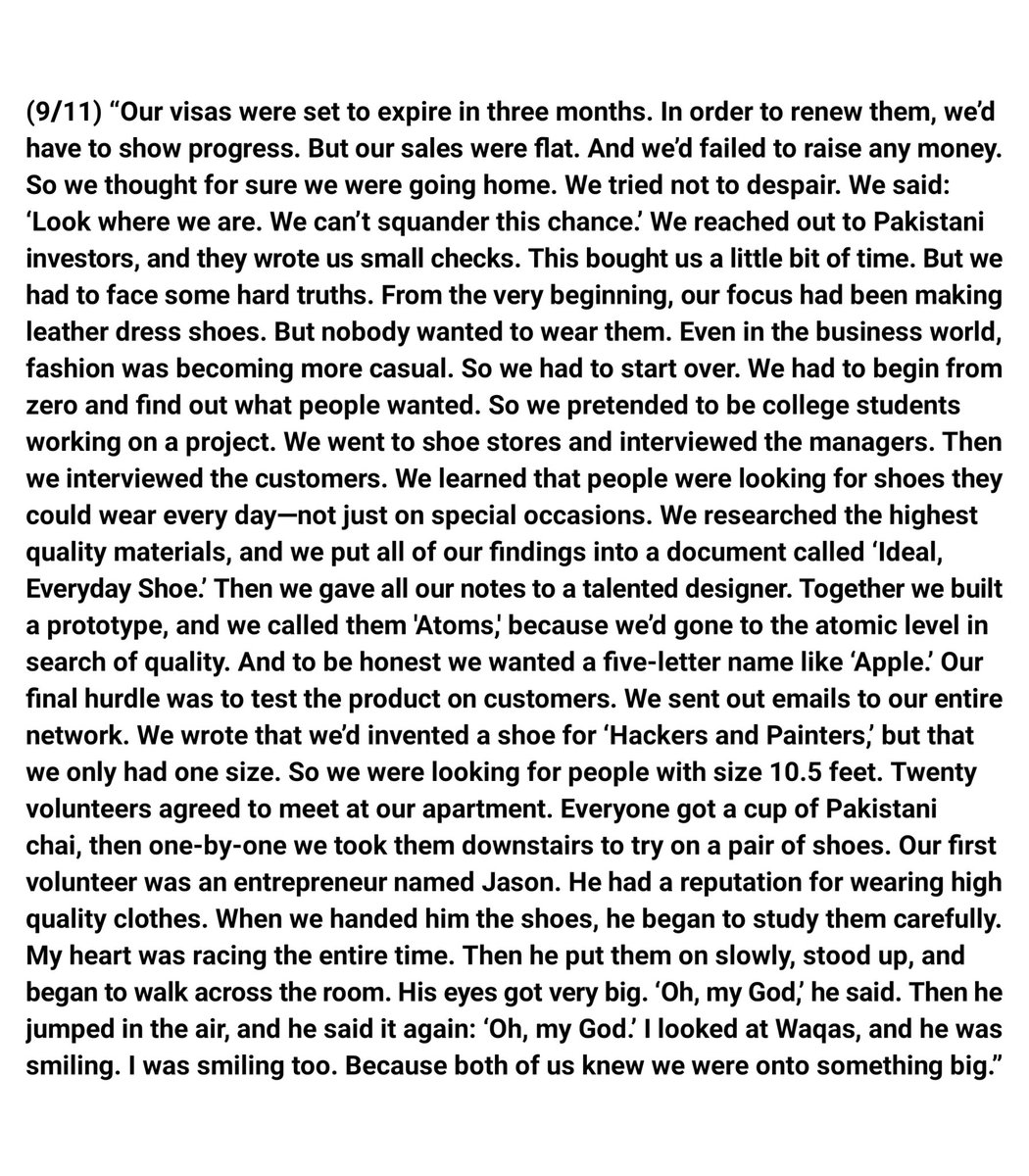
(9/11) “Our visas were set to expire in three months. In order to renew them, we’d have to show progress. But our sales were flat. And we’d failed to raise any money..."
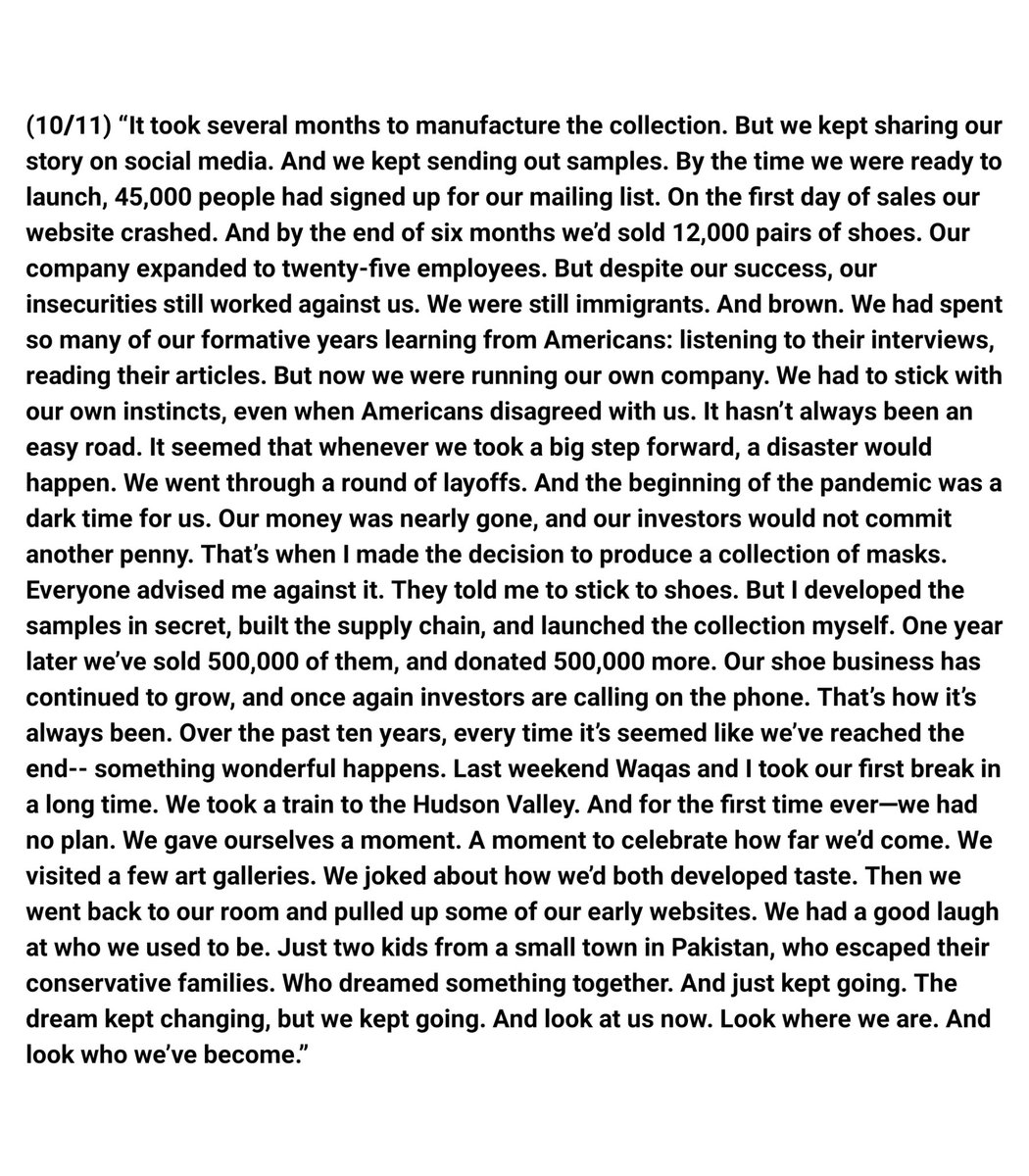
(10/11) “It took several months to manufacture the collection. But we kept sharing our story on social media. And we kept sending out samples. By the time we were ready to launch, 45,000 people had signed up for our mailing list..."
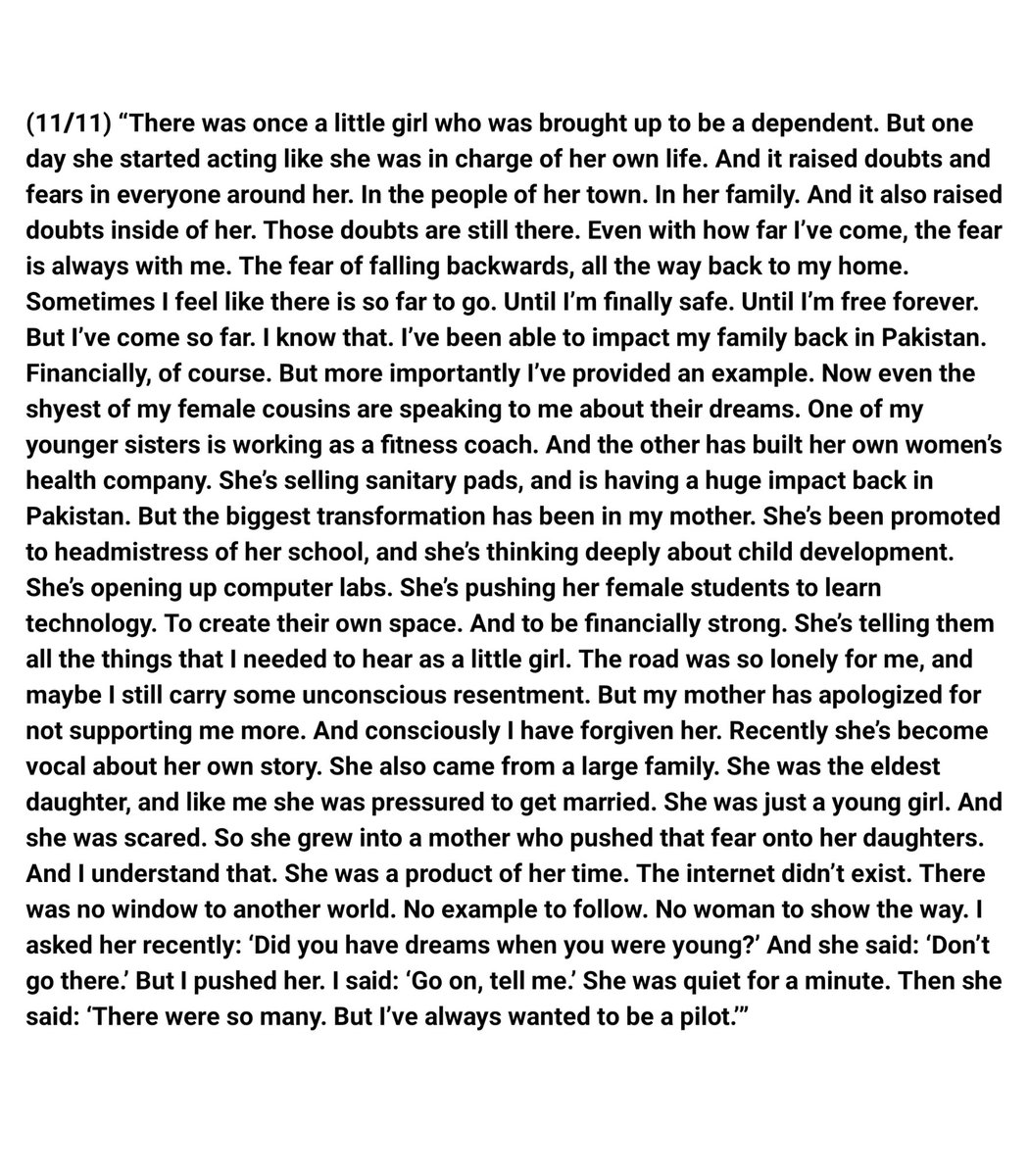
(11/11) “There was once a little girl who was brought up to be a dependent. But one day she started acting like she was in charge of her own life. And it raised doubts and fears in everyone around her..."
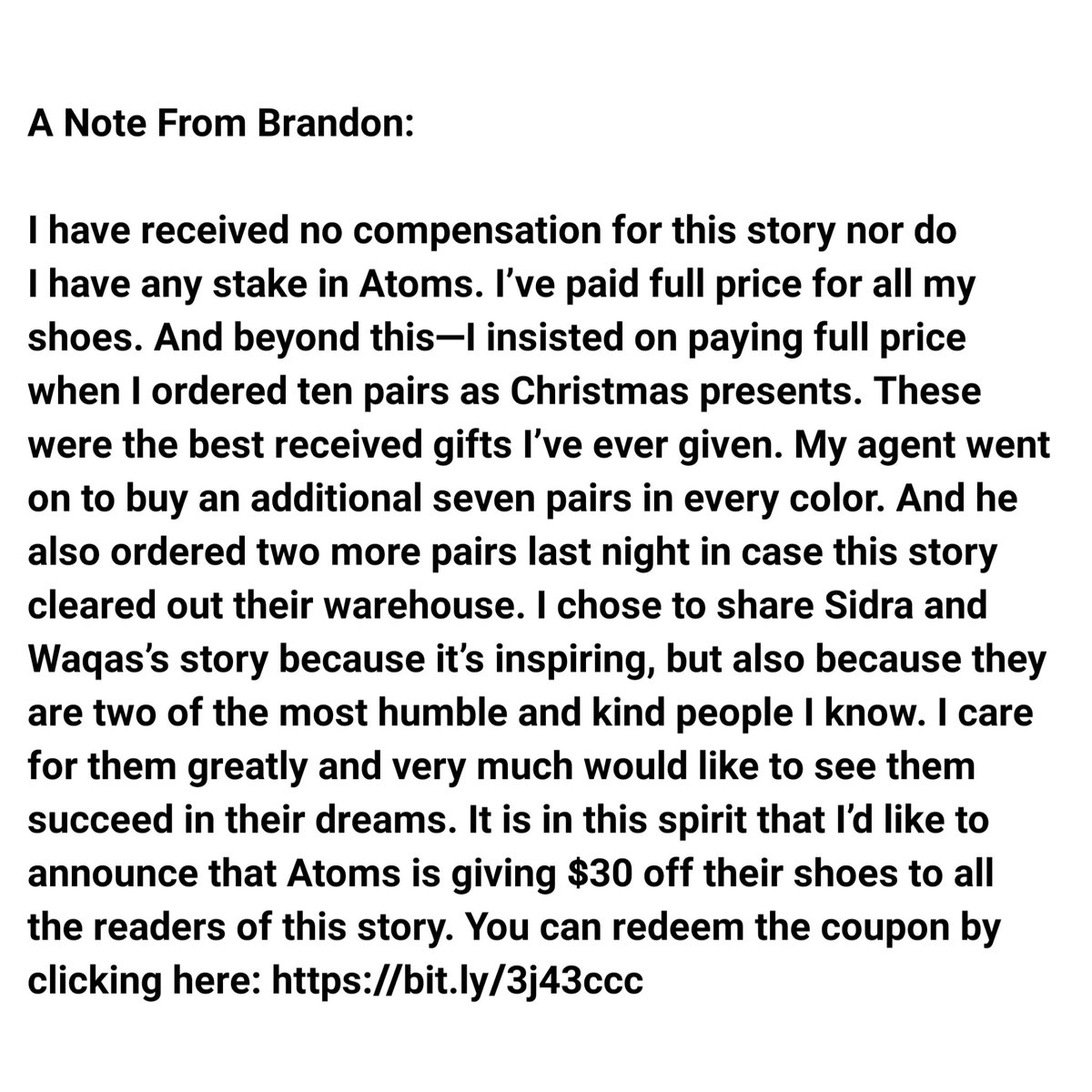
Atoms is giving $30 off their shoes to all the readers of this story. You can redeem the coupon by clicking here: https://t.co/bzAzmKKxQ7

You May Also Like

Moderna CEO Stephane Bancel was previously CEO of bioMerieux in France from 07-10.

Alain Merieux, who owns bioMerieux, was instrumental in the creation of the Wuhan Institute of Virology P4 Lab.

The same people who helped create the virus, also helped to create the vaccines...


Moderna partnered with French Pasteur Institute in 2015 to develop mRNA vaccine technology.

Pasteur Institute partnered with the Wuhan P4 Laboratory in 2017 along with the Merieux Foundation to study emerging viruses...
https://t.co/yFsHwrNYaK
https://t.co/9M5lydBKhM


Nobel prize winning scientist Luc Montagnier asserts that Sars-Cov-2 is man-made and originated from the Wuhan Institute of Virology.

Montagnier did extensive work with the Pasteur Institute in France which was partnered with the Wuhan P4.

Merieux Foundation & the Chinese government have worked together since 1965, and partnered to study emerging pathogens in Africa in 2015.

Their research included "PATHOGENS CARRIED BY BATS" that provoke respiratory diseases.

🚨🚨🚨
https://t.co/gVwpT0ssqI
This is a pretty valiant attempt to defend the "Feminist Glaciology" article, which says conventional wisdom is wrong, and this is a solid piece of scholarship. I'll beg to differ, because I think Jeffery, here, is confusing scholarship with "saying things that seem right".


The article is, at heart, deeply weird, even essentialist. Here, for example, is the claim that proposing climate engineering is a "man" thing. Also a "man" thing: attempting to get distance from a topic, approaching it in a disinterested fashion.


Also a "man" thing—physical courage. (I guess, not quite: physical courage "co-constitutes" masculinist glaciology along with nationalism and colonialism.)


There's criticism of a New York Times article that talks about glaciology adventures, which makes a similar point.


At the heart of this chunk is the claim that glaciology excludes women because of a narrative of scientific objectivity and physical adventure. This is a strong claim! It's not enough to say, hey, sure, sounds good. Is it true?