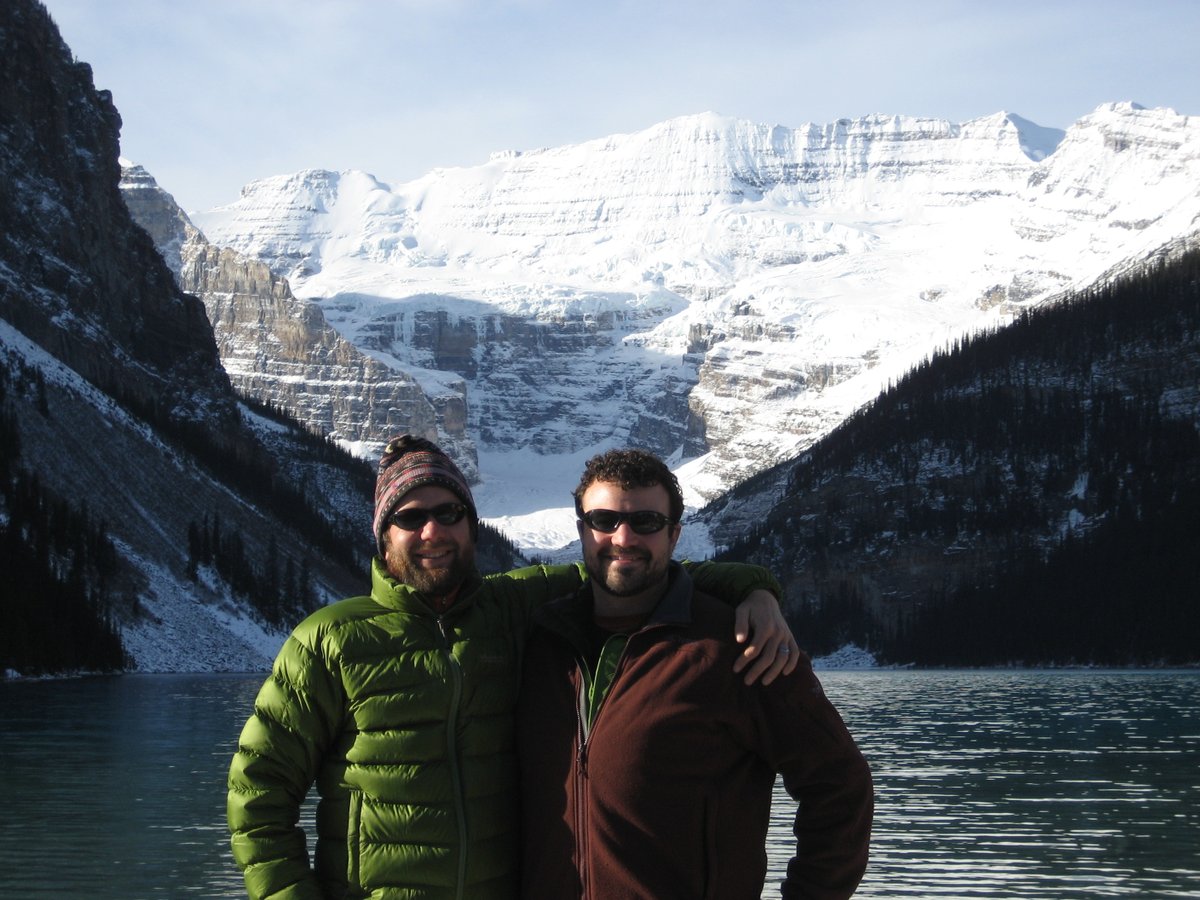
I met Niles in 2001 as we began our MS degrees
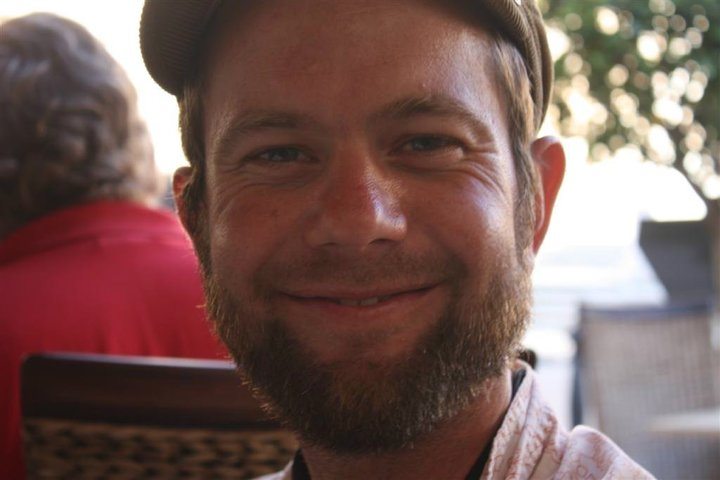
@IdahoStateU. He had dreadlocks, an awesome beard (before they were hip); we all know a person like this, a total Character, like someone crafted in a clever novel. A little kooky, smart, antagonizing, loyal, opinionated, lovable.
He was into fungi, soil dynamics, and so many things I knew little about. But I loved our energetic and animated scientific discussions. He was brilliant and fun.
@vargaslab has put together a lovely tribute to Niles' scientific interests and achievements:
https://t.co/aUpmeFEwKx
In a place like Pocatello, ID, we had to make our own fun, and the Biology dept. was a tight knit community. I can't say Niles and I were best friends, but we were friends. When he and
@emhasselquist started dating little did we know the makings of a future dream team had begun.
Fast forward a couple years, I had finished my MS and was working in Michigan looking for a PhD program. I made my way to
@UCRiverside, where Niles had already started his PhD. He and Eliza invited me to be a roommate and Team Goodrich was born (Goodrich = street we lived on).
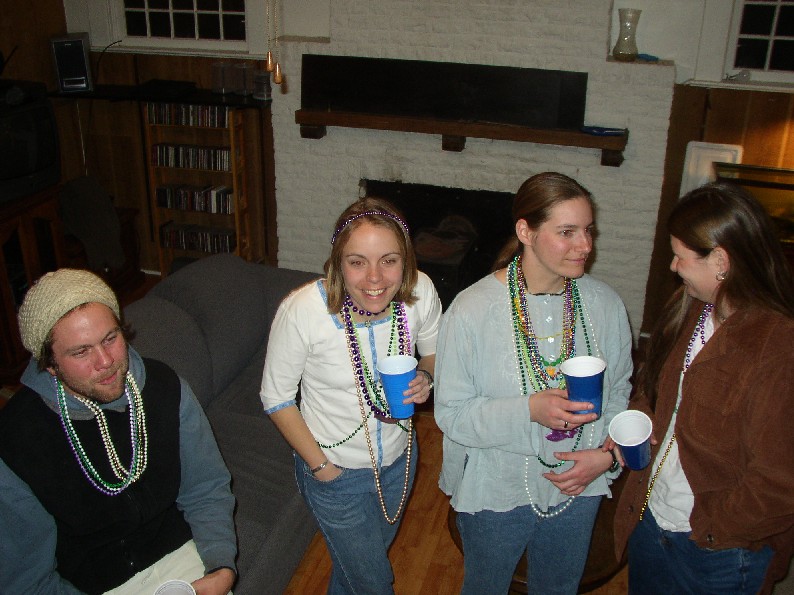
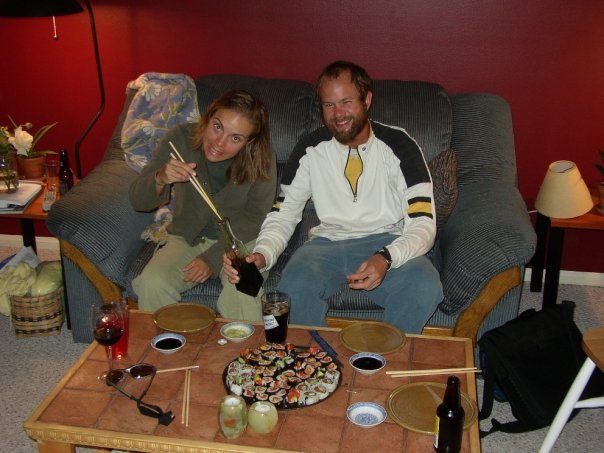
For two years we lived together and grew close. It was the only period of my life (other than living with actual family) that a house felt like a home. We had a great group again and we were legendary.
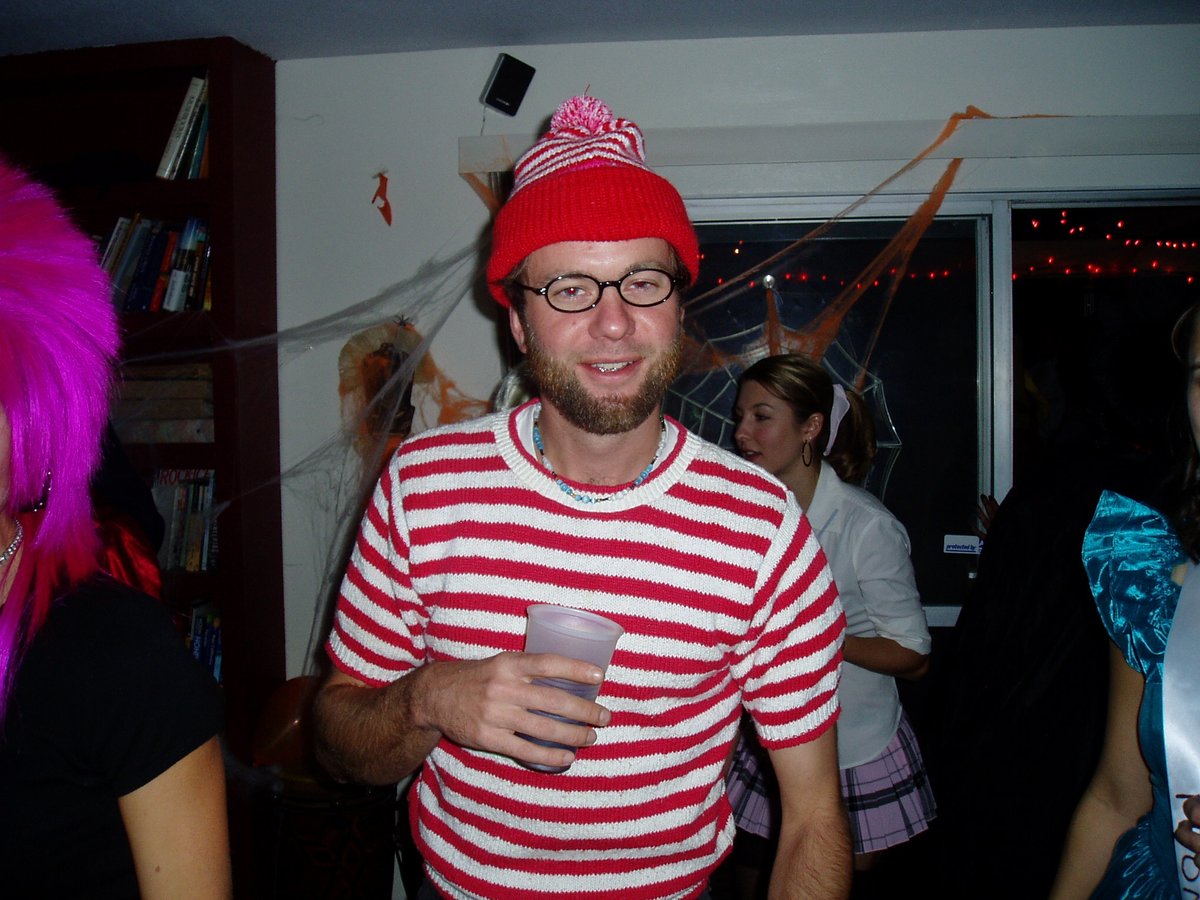
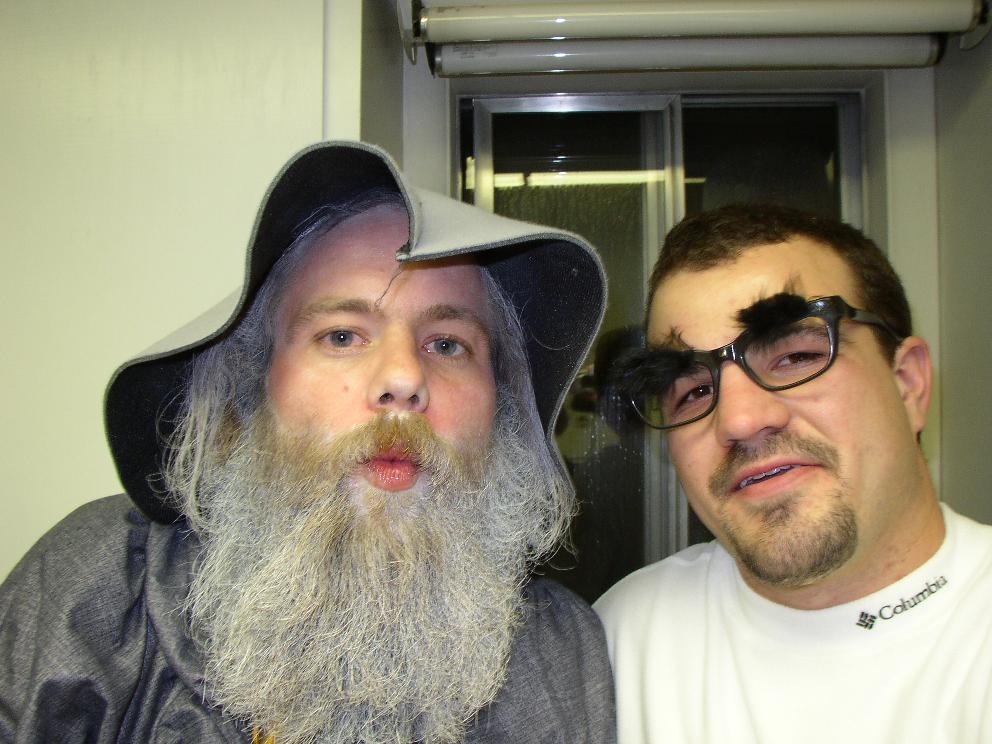
Niles loved Halloween, and we had the parties to prove it!
Niles loved to have a meal. A real meal. Time spent preparing food wasn't just to have tasty eats, but was a vehicle for being together, sharing space. A meal was a focal point around which to build love and friendship. I learned this from him and Eliza.
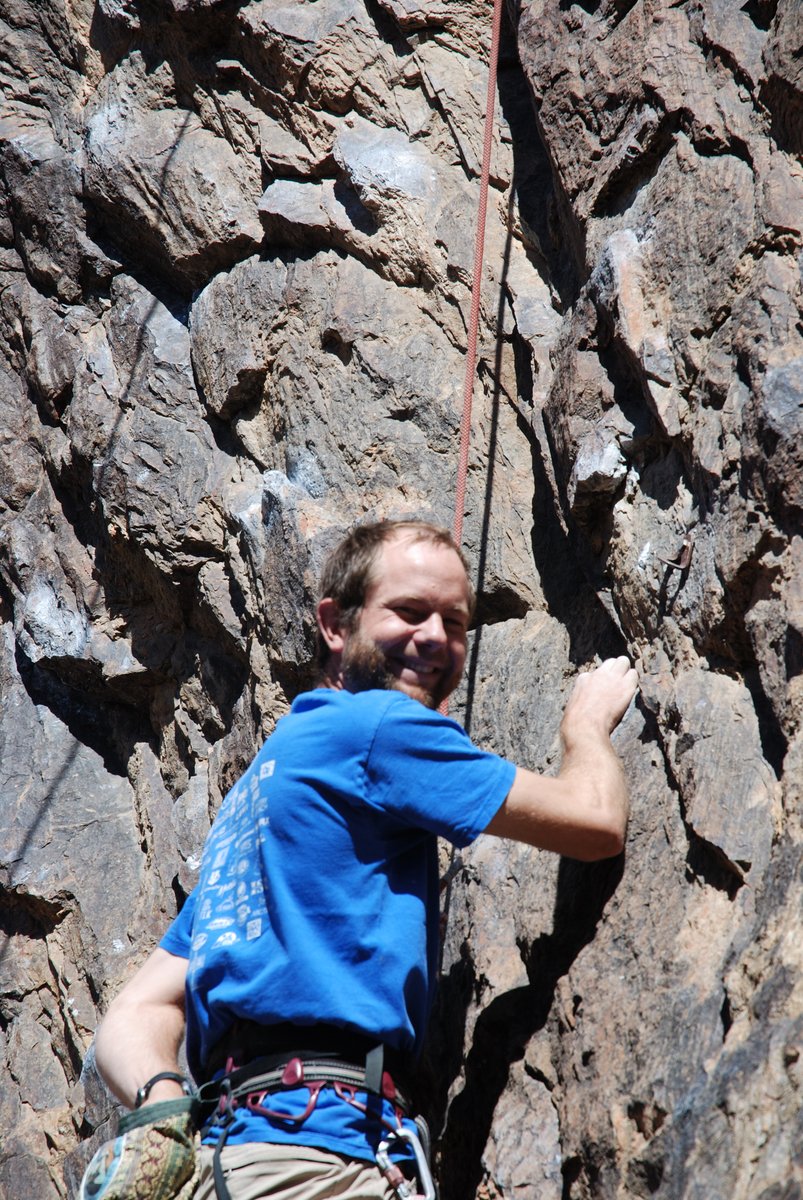
Niles was a great athlete. He played collegiate soccer, and we played intramural together. He was a gazelle sprinting across the pitch. He was also an accomplished climber, skier, diver, marathoner, golfer, curler, etc. He was a patient teacher and stoked my interest in climbing.
Niles was goofy and fun, he was stubborn and argumentative, he was loyal and loving. We had an incredible group of friends, and anyone new was always welcome. He was gracious whenever my family visited, and I know my brother was a big fan. Everyone loved Niles. He was THAT guy.
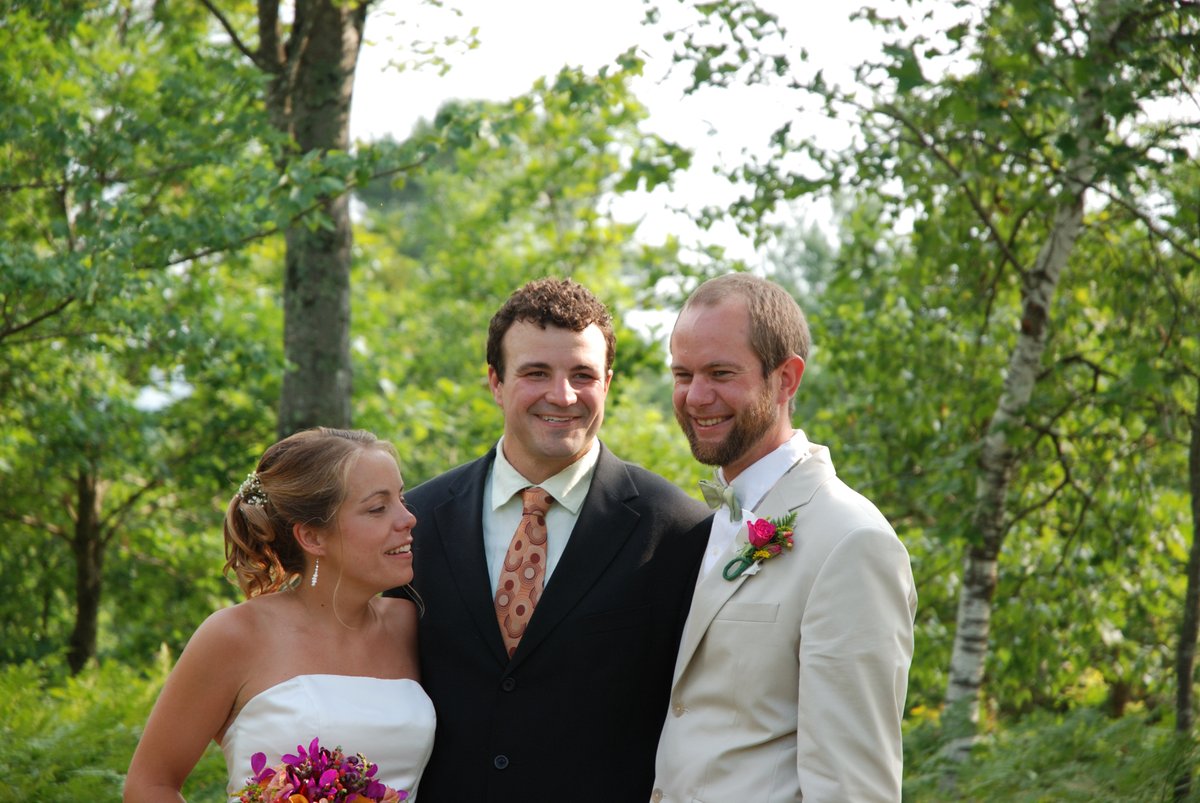
Niles and Eliza taught me much about relationships (although it took time to sink in). It's not always perfect, but if you try and care, it will endure. Their love was beautiful. It was one of my greatest privileges and honors in life to officiate their wedding.
Looking through photos has been joyful (the memories) and agonizing (the loss). Time pitter-pattered on after the wedding. I regret the long periods of no communication. Wishing I had made more of an effort to spend more time with and talked to such a friend as Niles.
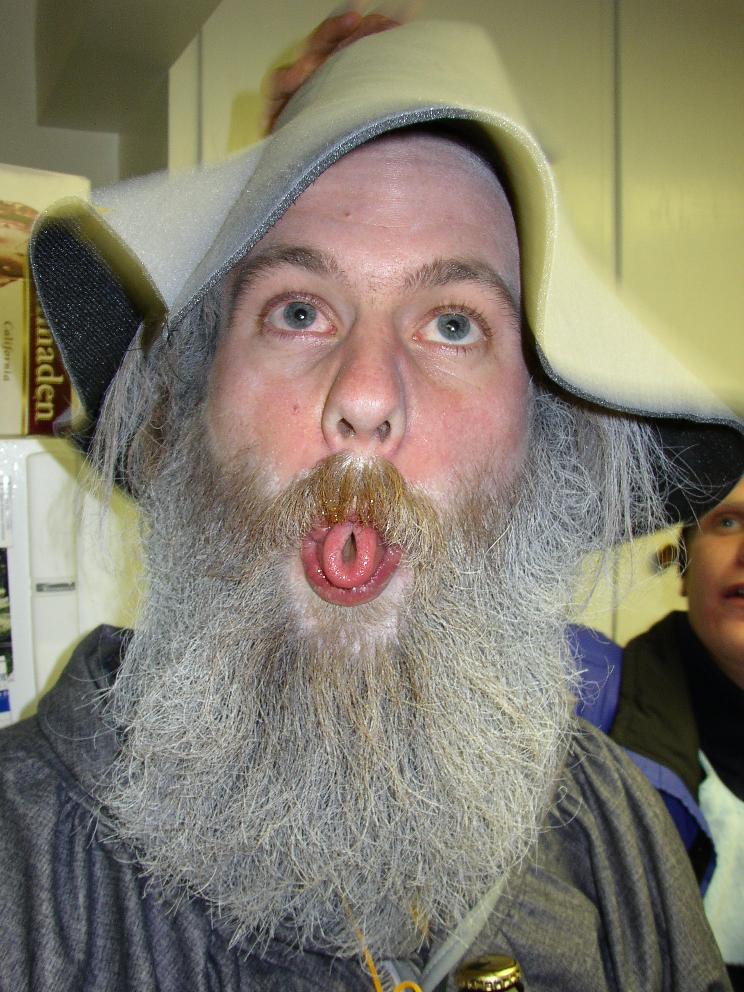
Without the context, you can't know why, but this makes me laugh every time.
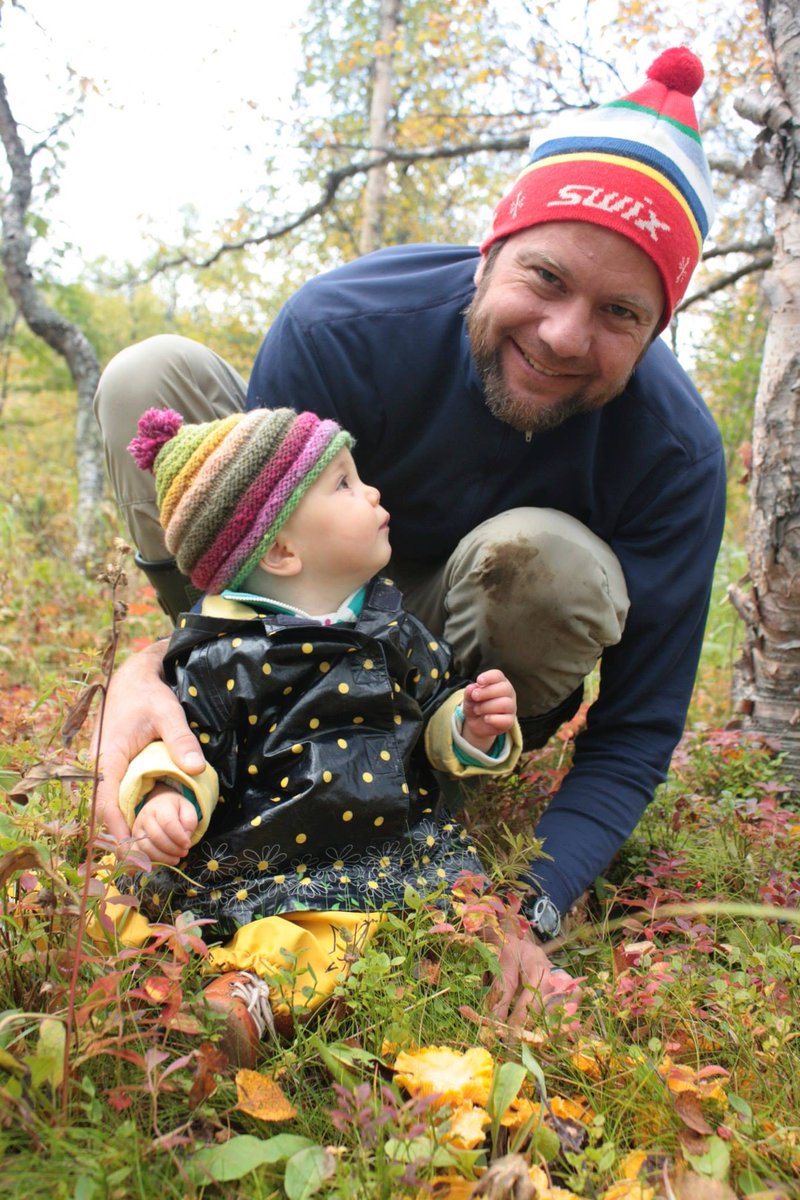
Niles wanted to be a dad badly. I remember at first being a bit shocked at his enthusiasm. But, It came naturally to him, or he made it appear so; he was inspiring in his devotion. My heart breaks for Frida and Toby.
This photo doesn't look like much, but it is special to me. My son is cozying up to Niles at a time when he wanted nothing to do with anyone but his mom. Frida and Toby were gracious to share him; Cassius found comfort and fondness for Niles after knowing him less than a day.
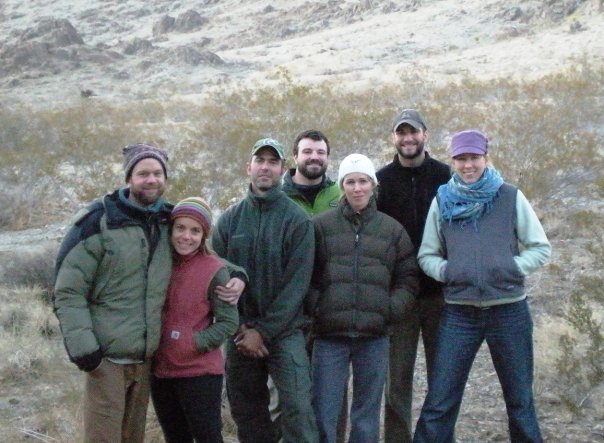
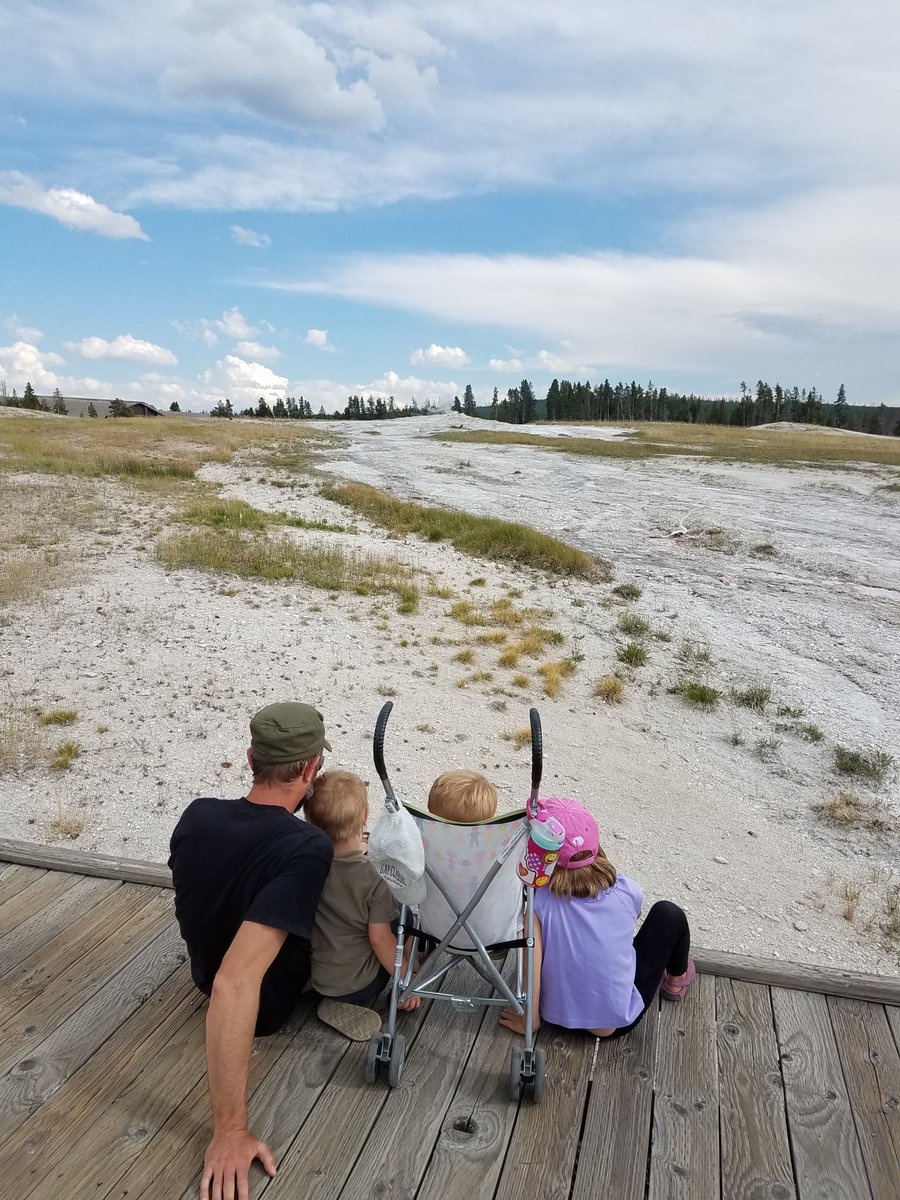
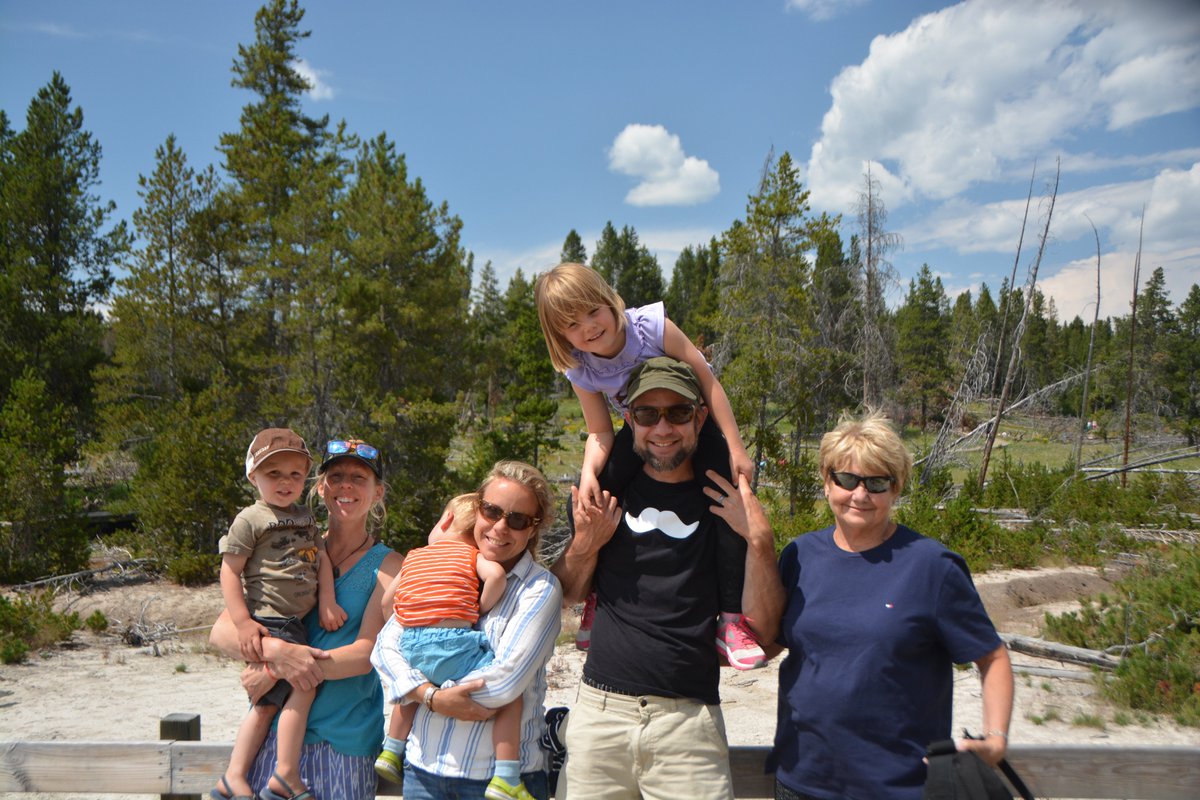
The last time I got to see Niles was summer 2018. We got our families together for a weekend in Yellowstone. It had been 7 years since "Team Goodrich" had been together. The team had grown, but the love was the same.
I'm not sure why I post this. It's largely cathartic, but I also feel everyone should know him. I'll also say I will forever regret not calling and talking to him one last time before he passed. I know it's almost cliché, but if you have someone important to talk to, don't wait.
A memorial fund has been started to support Eliza, Frida and Toby during this time. If you have known Niles, you might like to contribute (and maybe even if you don't!).
https://t.co/FjPNQgSn5n
I'll miss my friend. But I will always smile at the memories and feel blessed to have met and shared time with this kooky, lovable character turned accomplished scientist and devoted husband and father. His loss is great.