While the GOP is busy trying to tear down democracy, there are some difficult realities facing America right now that could really use their attention. We are starting 2021 off in bad shape, considering that this is the most prosperous country on earth. #velshi
1/13
I don’t know how many GOP members of the House and Senate watch @VelshiMSNBC so I have a favor to ask of you: If you know any, or know anyone who knows any, could you pass this message on to them for me? #velshi
While the GOP is busy trying to tear down democracy, there are some difficult realities facing America right now that could really use their attention. We are starting 2021 off in bad shape, considering that this is the most prosperous country on earth. #velshi
America is not the most populous nation in the world; it’s only about 4.25% of the global population. Yet America accounts for nearly a quarter of the world’s coronavirus cases and deaths. #velshi
55 million Americans are living in poverty. You’ve seen images of cars lined up at food banks. 1 in 6 Americans are now food insecure, meaning they aren’t certain whether they will have the resources to put food on the table for their next meal. #velshi
In America, most people’s health care coverage is, stupidly, tied to their job, so 29 million Americans now don’t have health insurance. Up to 40 million renters are far enough behind on their rent to be living in fear of eviction. #velshi
Almost half of Americans own stock, but most of the gains go to the wealthiest 20% - people like the 659 American billionaires who control FOUR TRILLION dollars in wealth. That’s equal to what the 165 MILLION poorest Americans have, combined. #velshi
I have spent months travelling this country, talking to Americans who earn wages for a living or run small businesses about their fears and aspirations they all want the same things... #velshi
Americans want a fair chance to survive. To not lose their business. To not have to choose between staying home from work or going to work and possibly dying from an invisible virus. #velshi
Nobody I spoke with during #VelshiAcrossAmerica aspired to be a billionaire. They just wanted to keep the doors of their businesses open, their staff paid, their job, their health insurance, food on their table. That’s all they wanted. It’s all they still want. #velshi
Republicans argued for NINE MONTHS (since the last relief bill) to give Americans $600 of their own money back. $66 for every month Republicans stood in the way. $2.22 a day. That same $600 check is substantially less than rent for most Americans. So much for relief.#velshi
This relief bill is pathetic, and it’s shameful. And it needs to be fixed. We need to change the warped way in which so-called fiscal conservatives twist themselves into knots to justify giving taxpayer funded dollars to Americans in need. #velshi
The so-called “conservative” senators objecting to the hole that giving people $2000 instead of $600 would blow in the deficit were SILENT when it came to giving money to corporate America and the wealthy. #velshi
But here’s the thing, Senators: it’s not your money. It belongs to the American people. Americans don’t want your charity. They want their money. They need their money to make it to the other side of this pandemic. #velshi
More from Ali Velshi
More from For later read

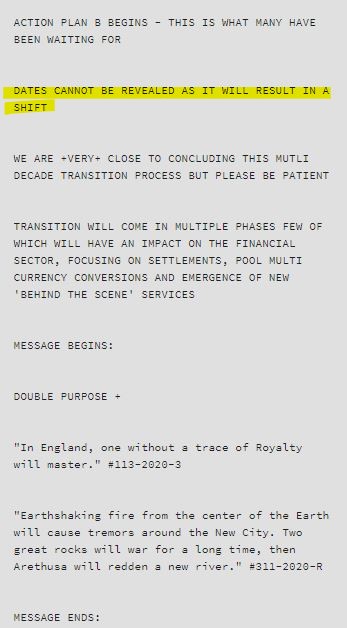

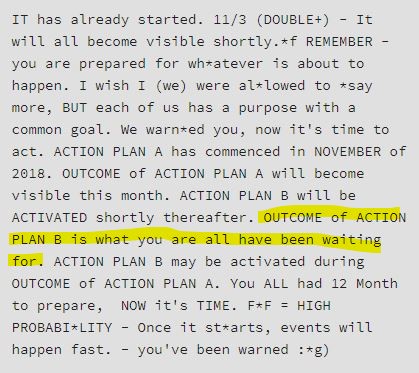

The common understanding of propaganda is that it is intended to brainwash the masses. Supposedly, people get exposed to the same message repeatedly and over time come to believe in whatever nonsense authoritarians want them to believe /1
And yet authoritarians often broadcast silly, unpersuasive propaganda.
Political scientist Haifeng Huang writes that the purpose of propaganda is not to brainwash people, but to instill fear in them /2
When people are bombarded with propaganda everywhere they look, they are reminded of the strength of the regime.
The vast amount of resources authoritarians spend to display their message in every corner of the public square is a costly demonstration of their power /3
In fact, the overt silliness of authoritarian propaganda is part of the point. Propaganda is designed to be silly so that people can instantly recognize it when they see it
Propaganda is intended to instill fear in people, not brainwash them.
The message is: You might not believe in pro-regime values or attitudes. But we will make sure you are too frightened to do anything about it.
And yet authoritarians often broadcast silly, unpersuasive propaganda.
Political scientist Haifeng Huang writes that the purpose of propaganda is not to brainwash people, but to instill fear in them /2
"propaganda is often not used for indoctrination, but rather to signal the government\u2019s strength in being able to afford significant resources and impose on its citizens...not meant to 'brainwash', but rather to forewarn the society about how strong it is" https://t.co/mFAurhEHeO pic.twitter.com/WXKKJaPqWQ
— Rob Henderson (@robkhenderson) June 18, 2020
When people are bombarded with propaganda everywhere they look, they are reminded of the strength of the regime.
The vast amount of resources authoritarians spend to display their message in every corner of the public square is a costly demonstration of their power /3
In fact, the overt silliness of authoritarian propaganda is part of the point. Propaganda is designed to be silly so that people can instantly recognize it when they see it
Authoritarians do not use propaganda for brainwashing, "but to demonstrate their strength in social control...propaganda may need to be dull and unpersuasive, to make sure citizens know it is propaganda when they see it and hence get the implicit message" https://t.co/PqRpxjaIPL pic.twitter.com/1y67d2RCjB
— Rob Henderson (@robkhenderson) June 19, 2020
Propaganda is intended to instill fear in people, not brainwash them.
The message is: You might not believe in pro-regime values or attitudes. But we will make sure you are too frightened to do anything about it.