https://t.co/uQ3K6f4ltl
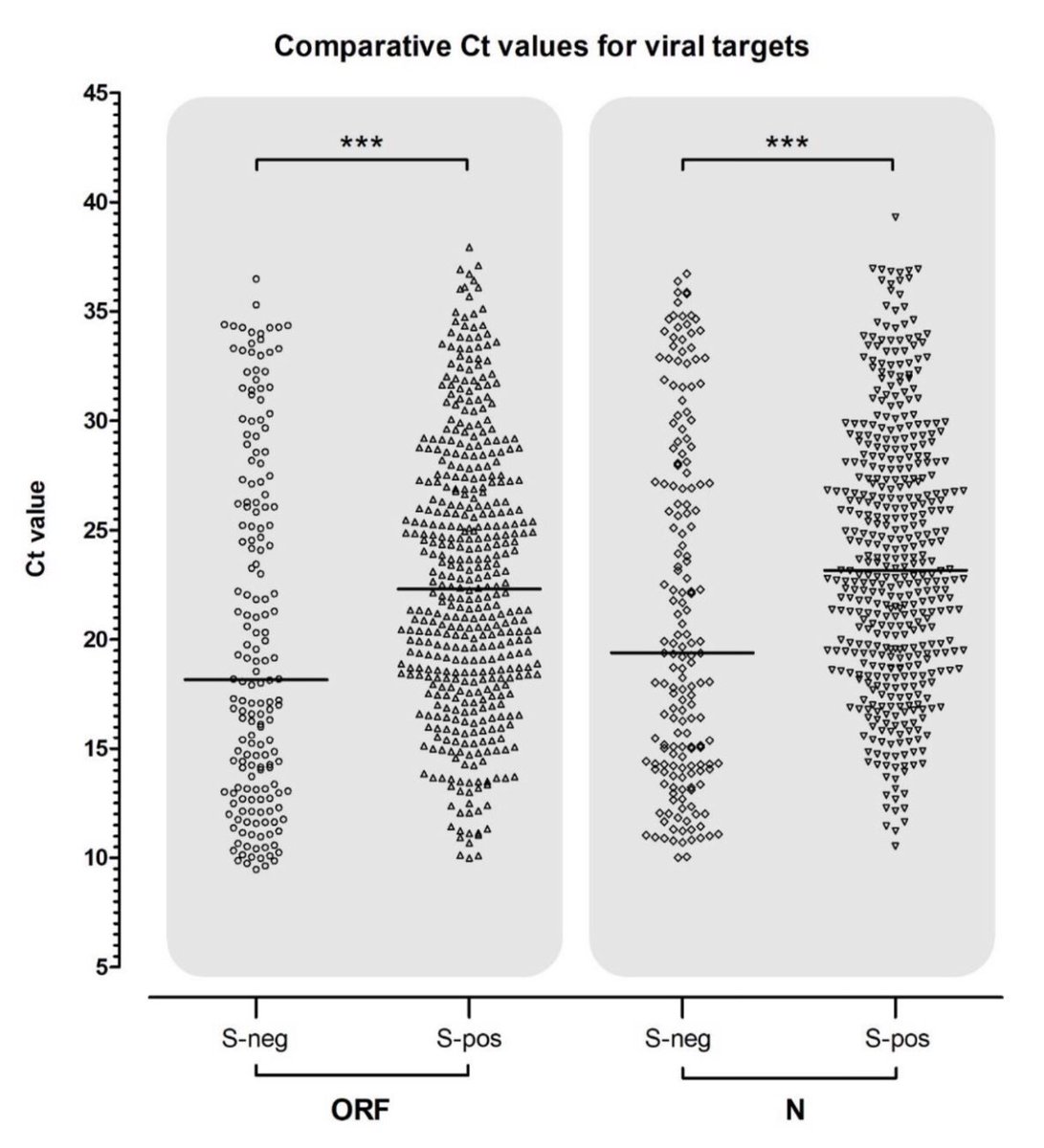
The evidence is in, and the UK variant does appear to be of great concern. The viral load of infected people is higher, and it seems to be about 50% more transmissible. It doesn’t appear to cause more severe illness, but more cases will unfortunately result in greater mortality.
https://t.co/uQ3K6f4ltl
https://t.co/QnN9vC598s
In an analysis of 2,700 people followed for 28 days, 0.89% of people with the new variant died compared to 0.73% of those with older variants. This was not statistically significant.
https://t.co/QnN9vC598s
https://t.co/TSYfrM6NyU
Why a SARS-CoV-2 variant that's 50% more transmissible would in general be a much bigger problem than a variant that's 50% more deadly. A short thread... 1/
— Adam Kucharski (@AdamJKucharski) December 28, 2020
However, measures to limit contacts will need to be more strict to keep transmission in check.
https://t.co/Vf1HvOUV7H
Did the new SARS-CoV-2 B.1.1.7 lineage spread during the English national lockdown? Rising numbers and estimated higher R value suggest so. Together with our colleagues from COG-UK we took a closer look. >> https://t.co/YfCl4VUsrK pic.twitter.com/edhxttQRgS
— Moritz Gerstung (@MoritzGerstung) December 30, 2020
https://t.co/4y5T31LgkK
More infectious SARS-CoV2 VOC 202012/01 strain is spreading at a similar rate across the whole UK. Clearly not a founder effect. >90% of all infections will be by this strain across the UK by February 1st. See code & data at https://t.co/hVi7Ld03KZ pic.twitter.com/lhOIKJ1xmy
— Tom Wenseleers (@TWenseleers) December 28, 2020