So after the @WeHaveWaysPod on Gold Beach, a question relating to the Sanatorium came up. It got me thinking so I decided to look at the targets designated to Force D, Sword to see exactly what was in the plan for the most eastern landing beach.

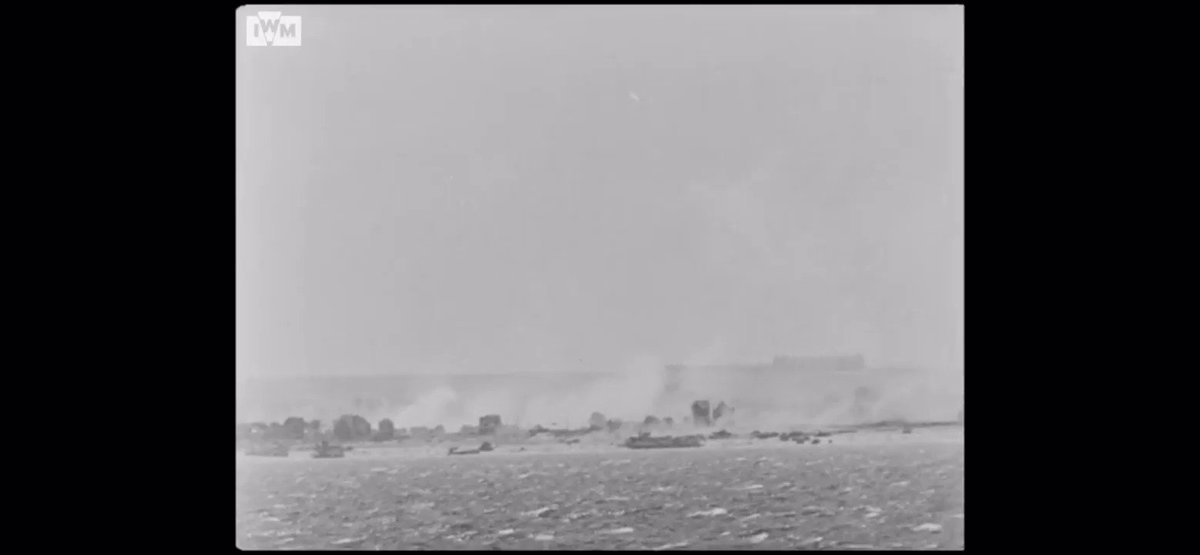
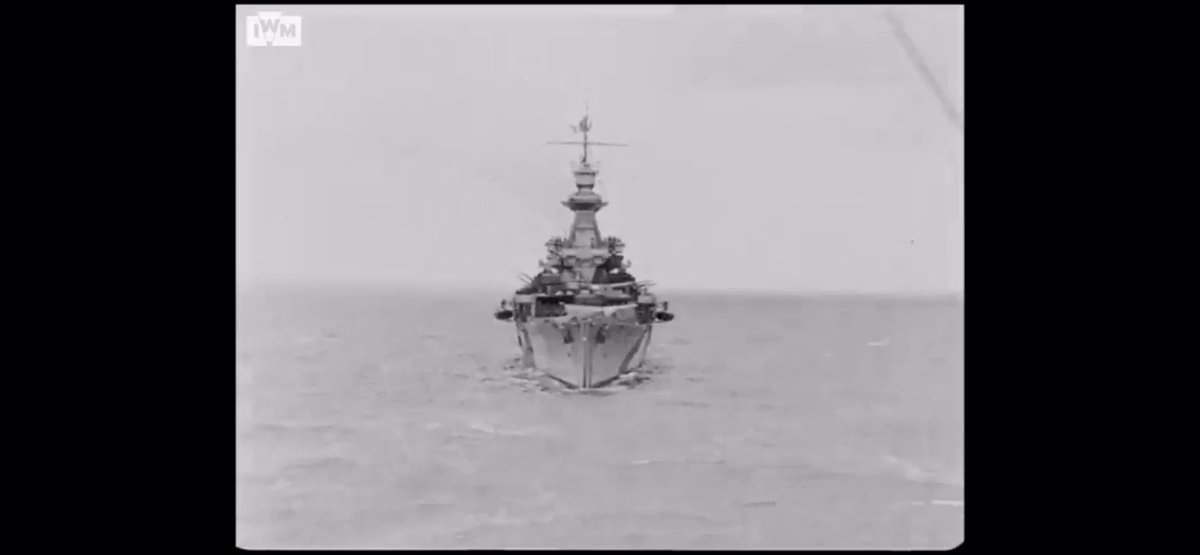
Video- IWM ADM 1258
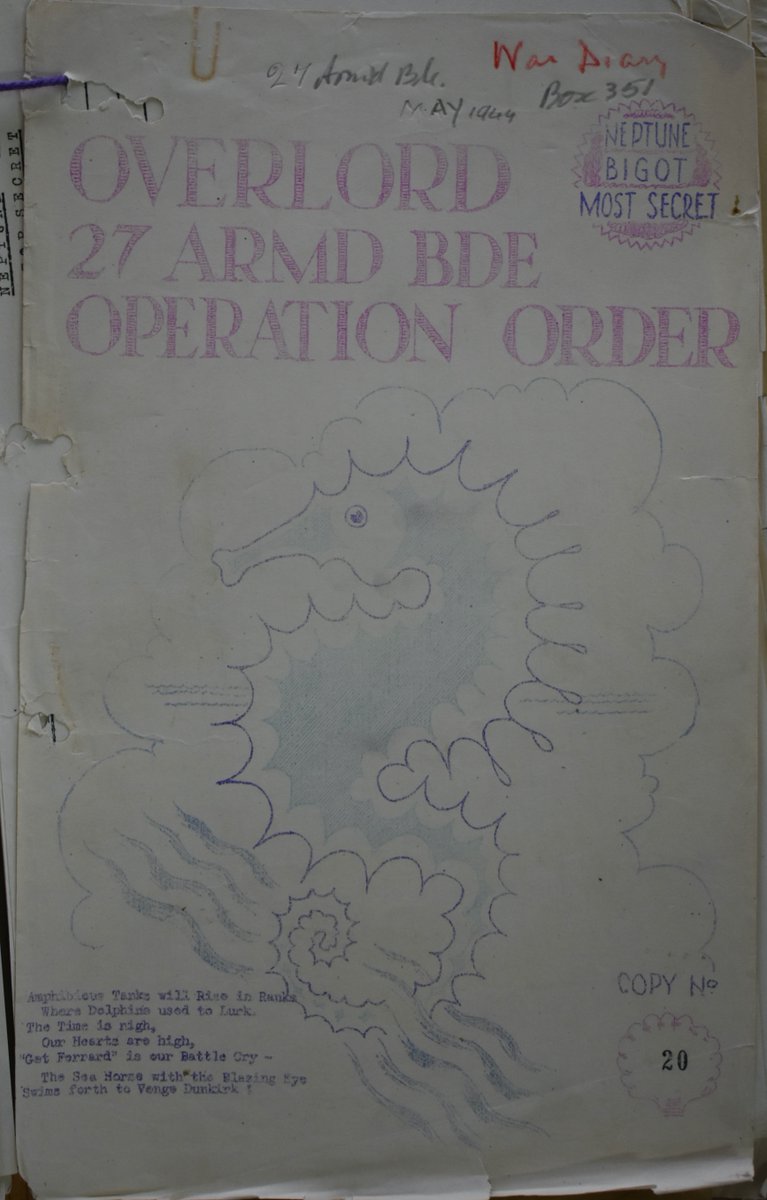
With the use of the 27th Armoured Brigade HQ Diary '44, I had documents of the proposed targets and timings on Force D and how the pre bombardment would go. Its worth remembering Force S could also have their own plan on targets and timings. There is also evidently an overlap.
So which vessels formed Force D and what were there main armaments?

HMS Danae and Dragon both with five 6-inch guns and a 4-inch gun.

Photographs from https://t.co/TLuLXokg0T
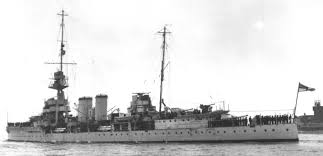
HMS Ramillies with four twin 15-inch guns and fourteen 6-inch guns. Image- IWM FL 9004

HMS Roberts with two 15-inch guns and over 40 anti aircraft guns. Image- IWM FL 3787
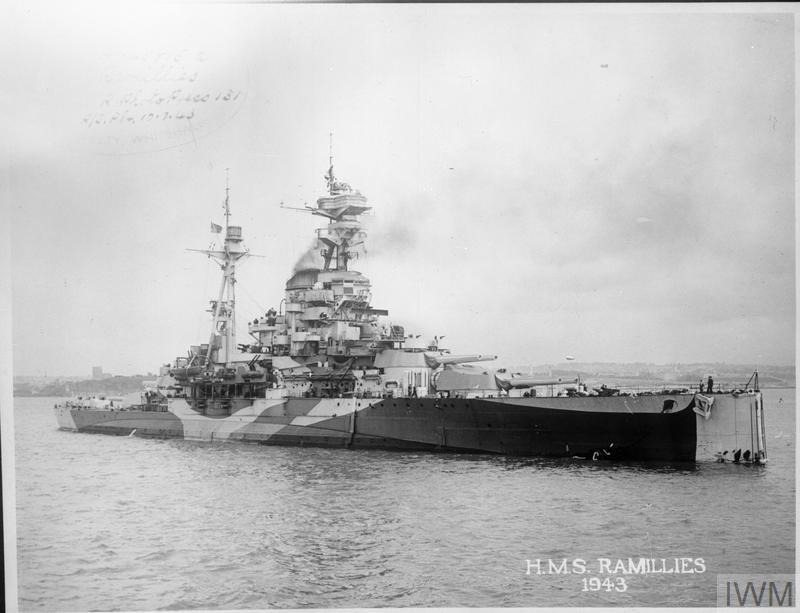
HMS Frobisher with seven 7.5-inch guns. Image- IWM A 24099

HMS Mauritius with twelve 6-inch guns and eight 4-inch guns. Image- IWM A 10614
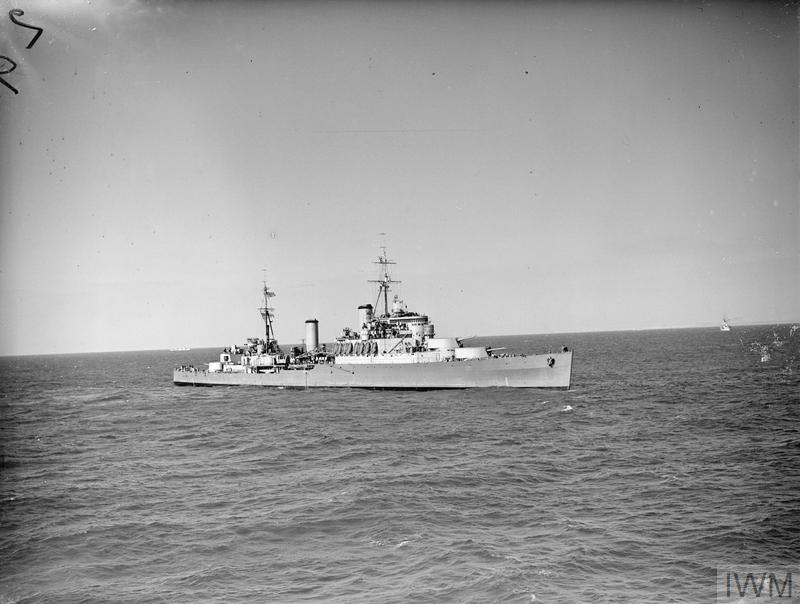
HMS Arethusa with six 6-inch guns and eight 4-inch guns. Image- IWM FL889

HMS Warspite with four twin 15-inch guns and fourteen 6-inch guns. Image- IWM A 23975

I have heard two first hand accounts of veterans that passed Warspite firing broadsides, it always remained with them.
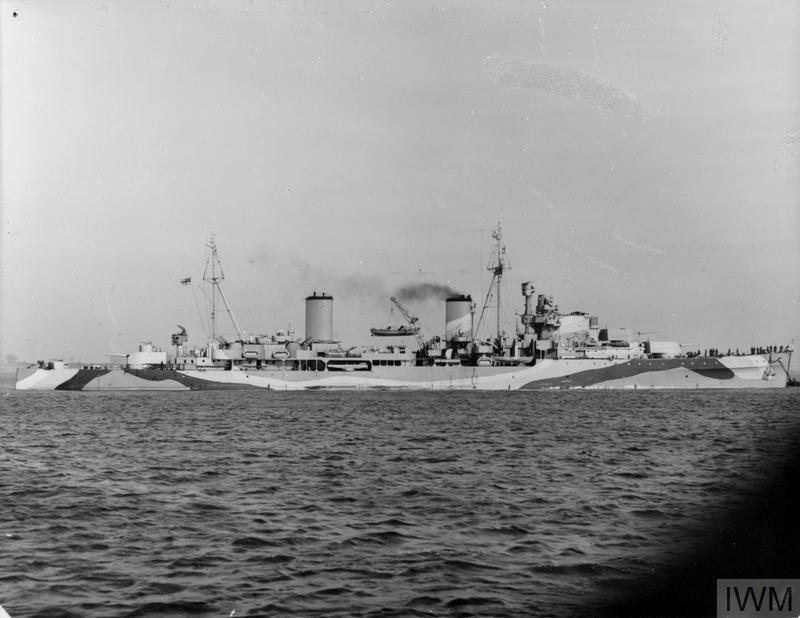
These eight ships with significant firepower each, wasn't the only group that would bring fire down. This being complemented by the Airforce, Force S and smaller craft in hitting targets for the pre bombardment.

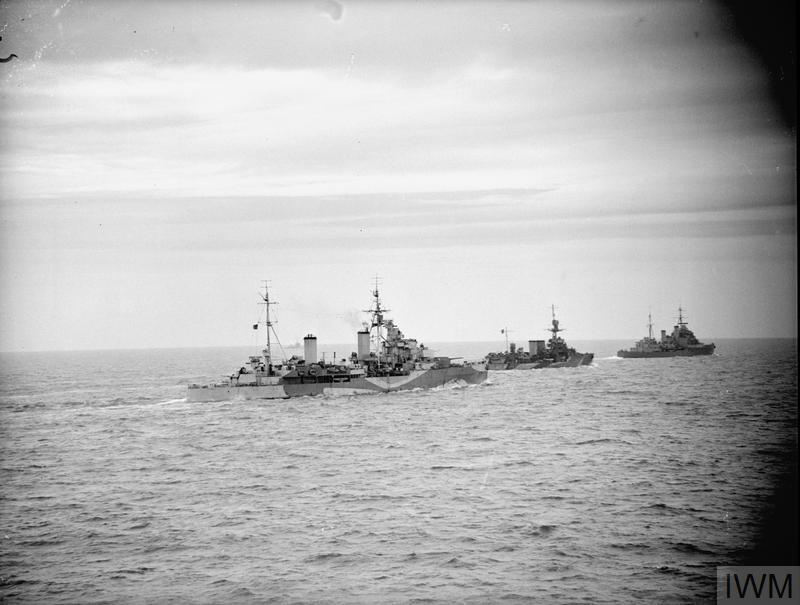
Image of HMS Arethusa, Danae and Mauritius IWM A24094
From the fire plan, it details target description, map references, timings and who's task it was from RN, Army and RAF.

To assist those who haven't looked at timings before H-Hour is the time the landings began, - is before and a + is after, both in minutes.

Video- ADM 671
Using NCAP, Google, IWM images and videos I hope this thread will give an idea of the planning that went into this phase of Operation Neptune. It also worth remembering that these targets were selected after many reconnaissance flights and the gathering of intelligence.
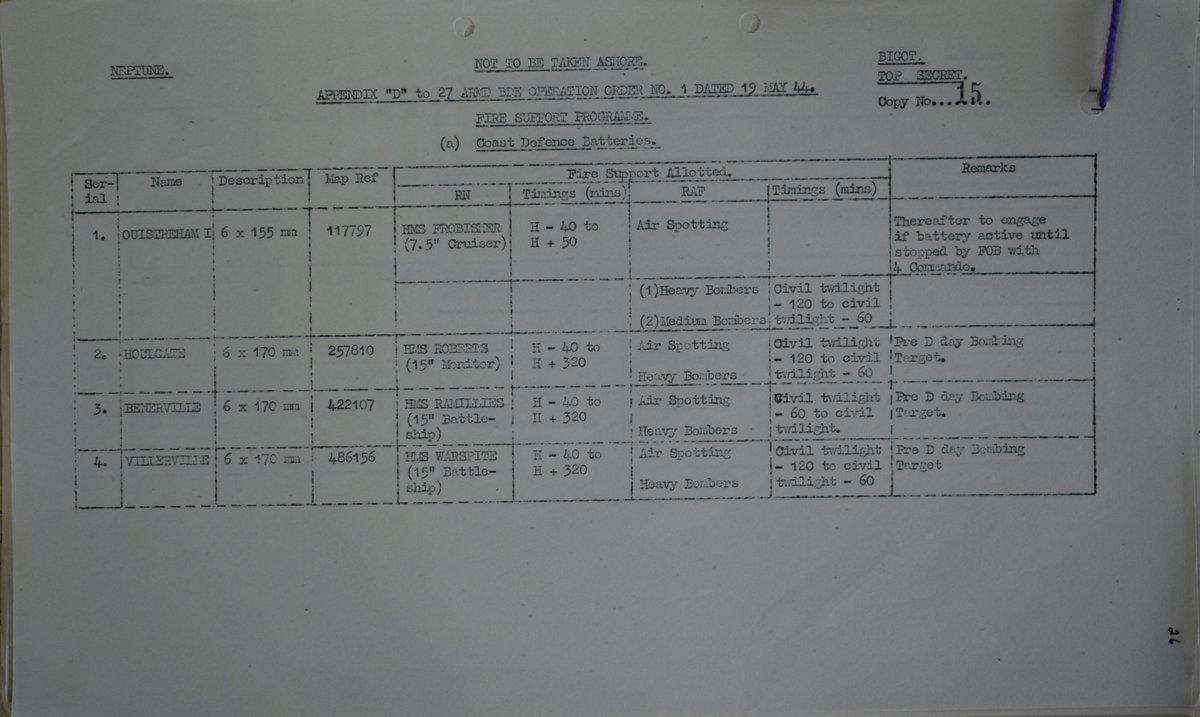
Here is an example of the orders for the Force D bombardment of Sword Beach and other areas. In total 33 phases with single or multiple targets. Starting with 1. Ouistreham...
1. Ouistreham, believed to be a battery of six 155mm guns amongst other guns. This was known as Widerstandsnest (WN) 08.

To be hit at H-40 to H+50 by HMS Frobisher. It would also be bombed during the night twice by Heavy and Medium bombers.
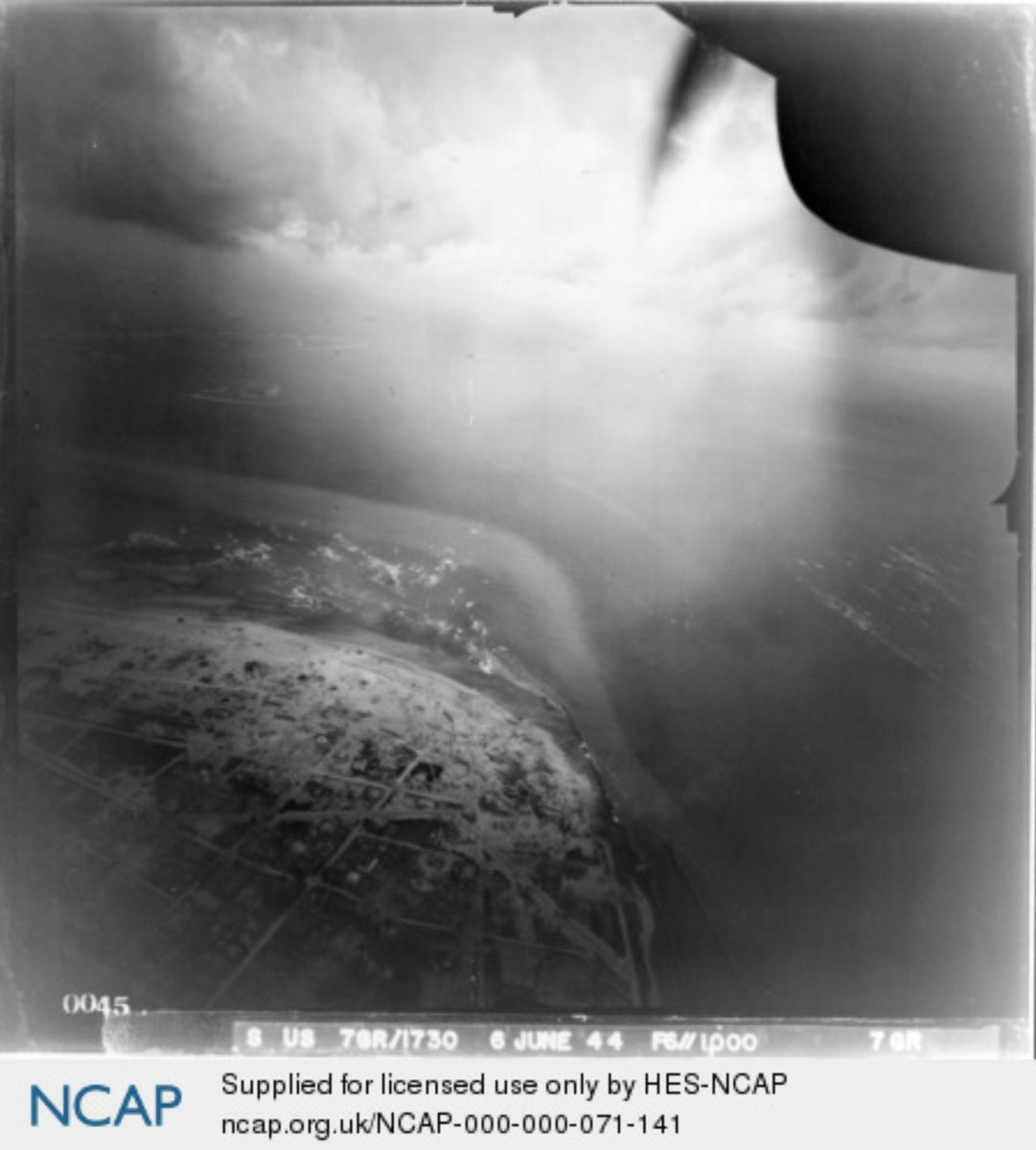
2. Houlgate, six 170mm guns that could fire towards the naval armada.

To be hit at H-40 to H+320 by HMS Roberts. It would also be bombed during the night by heavy bombers.

AA guns from this location would also cause issues for planes heading into LZ and DZ during the night.
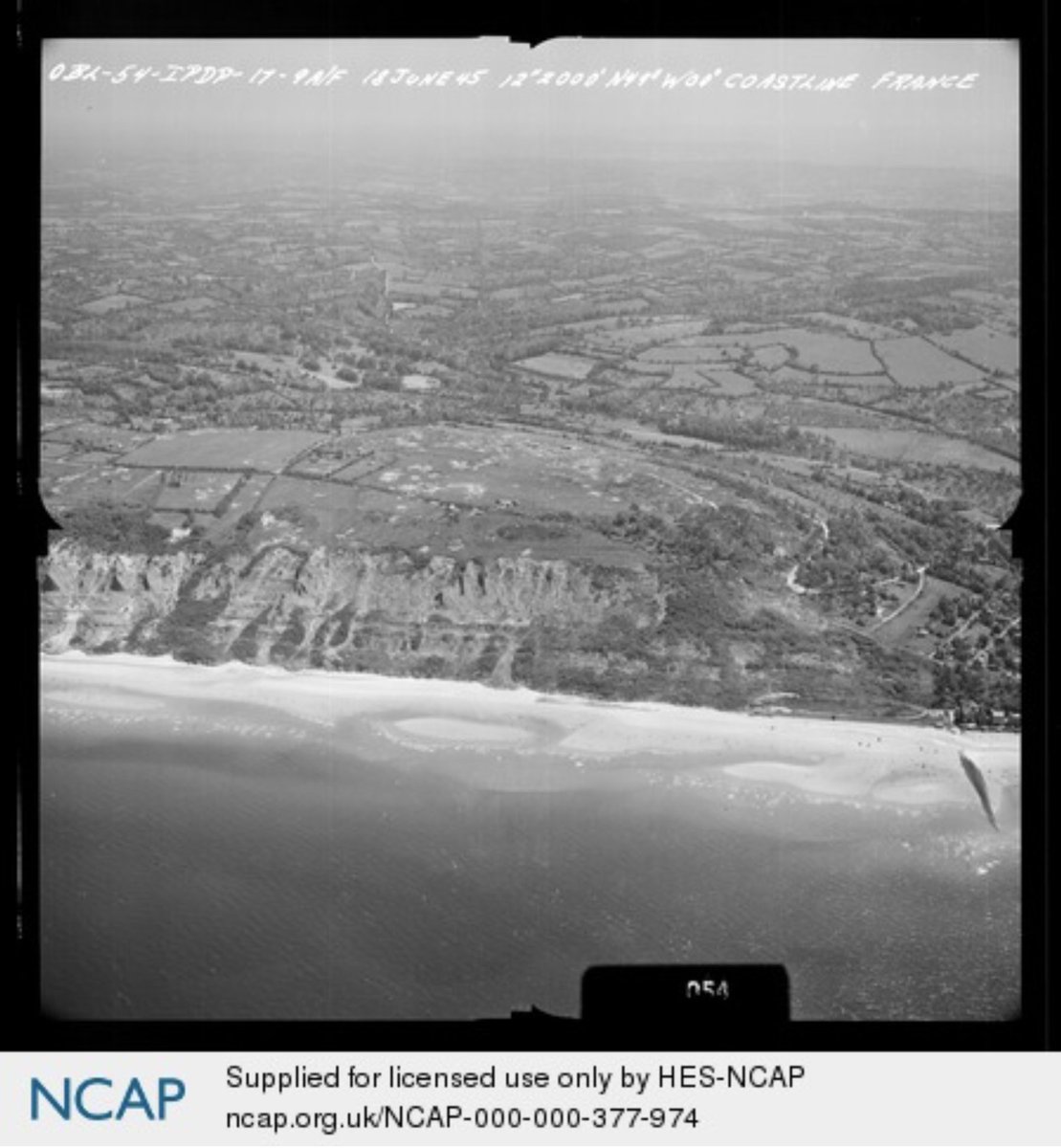
3. Benerville, six 170mm guns that could fire west towards the naval armada.

To be hit at H-40 to H+320 by HMS Ramillies. It would also be bombed during the night by heavy bombers.

AA guns from this location could also trouble planes for the initial drops.
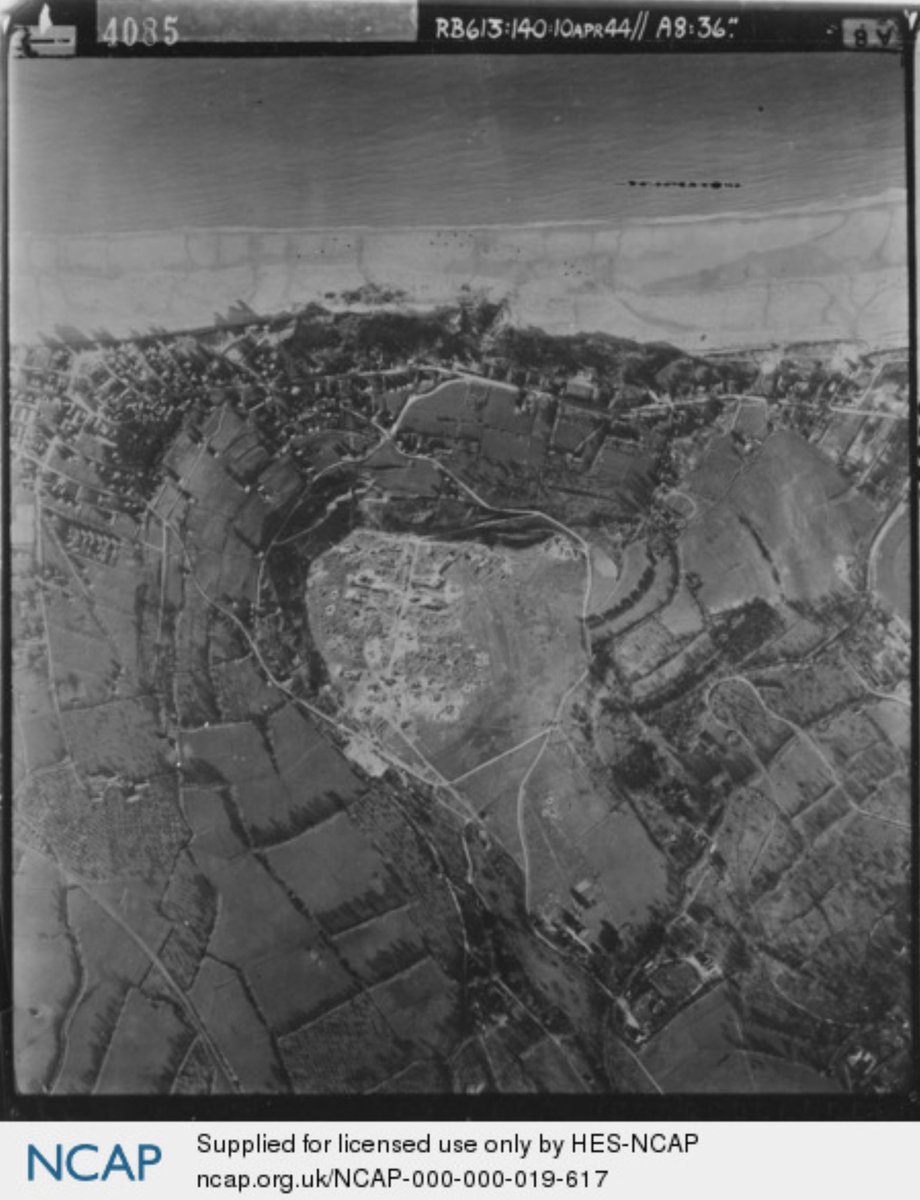
4. Villerville, six 170mm guns that could fire towards the naval armada.

To be hit at H-40 to H+320 by HMS Warspite. It would also be bombed during the night by heavy bombers.
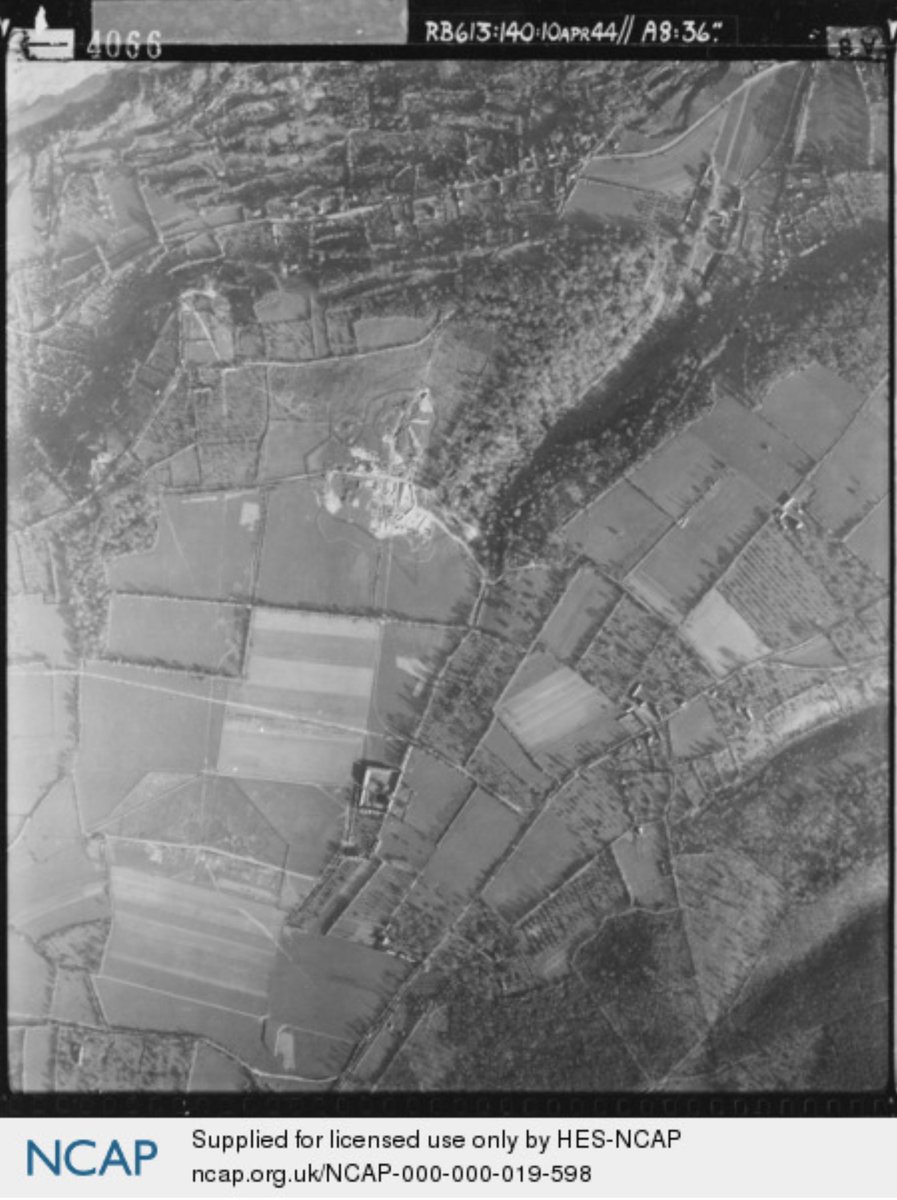
Targets 2, 3 and 4 are the most eastern points. The guns here would not be able to fire onto Sword Beach but could have hampered naval craft out at sea. Smoke screens at sea we also laid to prevent spotting from observations posts to target the naval armada.
5. Colleville Sur Mer, WN16 also known as Morris, with four 105mm guns.

To be hit at H-40 to H+140 by HMS Dragon. The RAF via air spotting to hit up to H+30 by medium bombers or fighter bombers.

*guns actually found at locations may have been different to the intelligence.
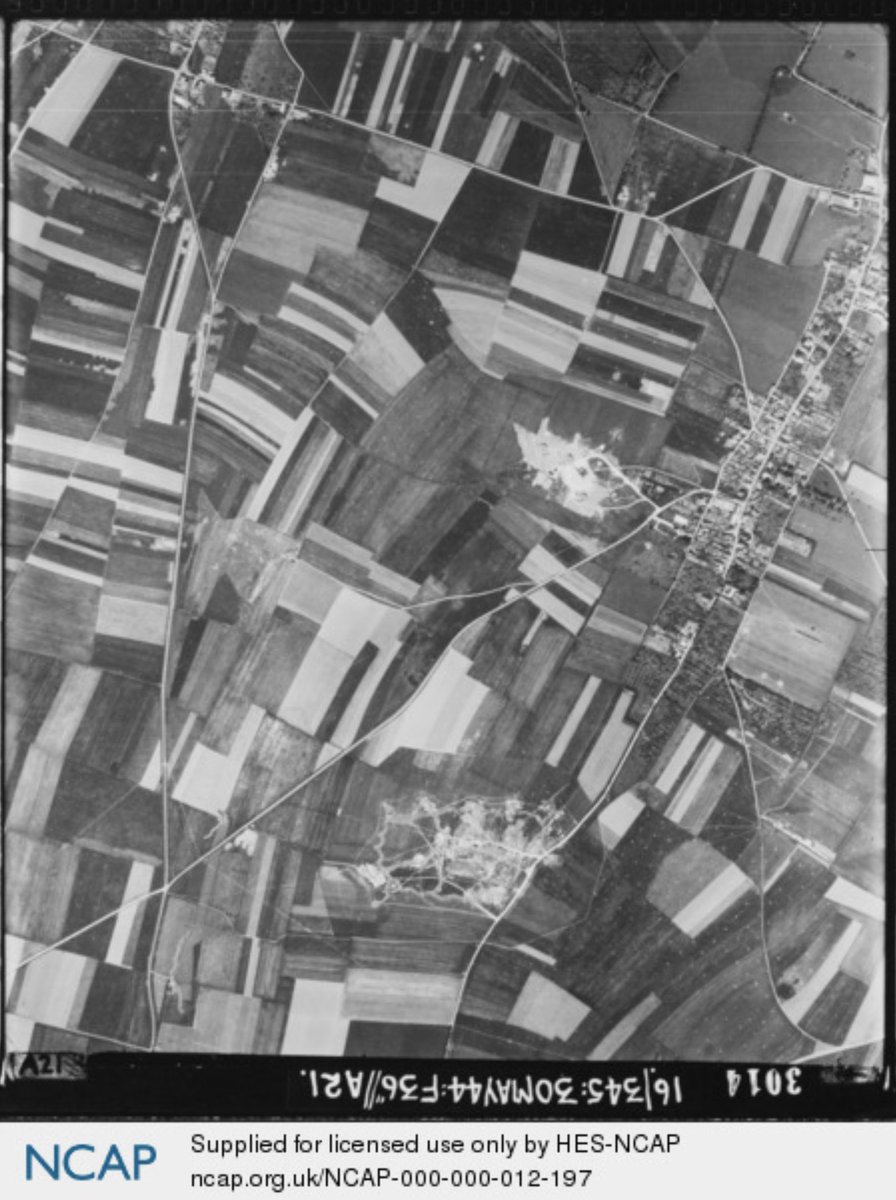
Remark- On call FOB with 1 Suffolk on completion of task.

With timings, HMS Dragon given a window to fire up till H+140, it was key that naval spotters on the ground with infantry could communicate and give ranging, update on targets and friendly force locations.
6. Ouistreham II, WN12 also known as Daimler with four 155mm guns.

To be hit at H-40 to H+50 by HMS Danae. The RAF via air spotting to hit up to H+30 by medium bombers or fighter bombers.
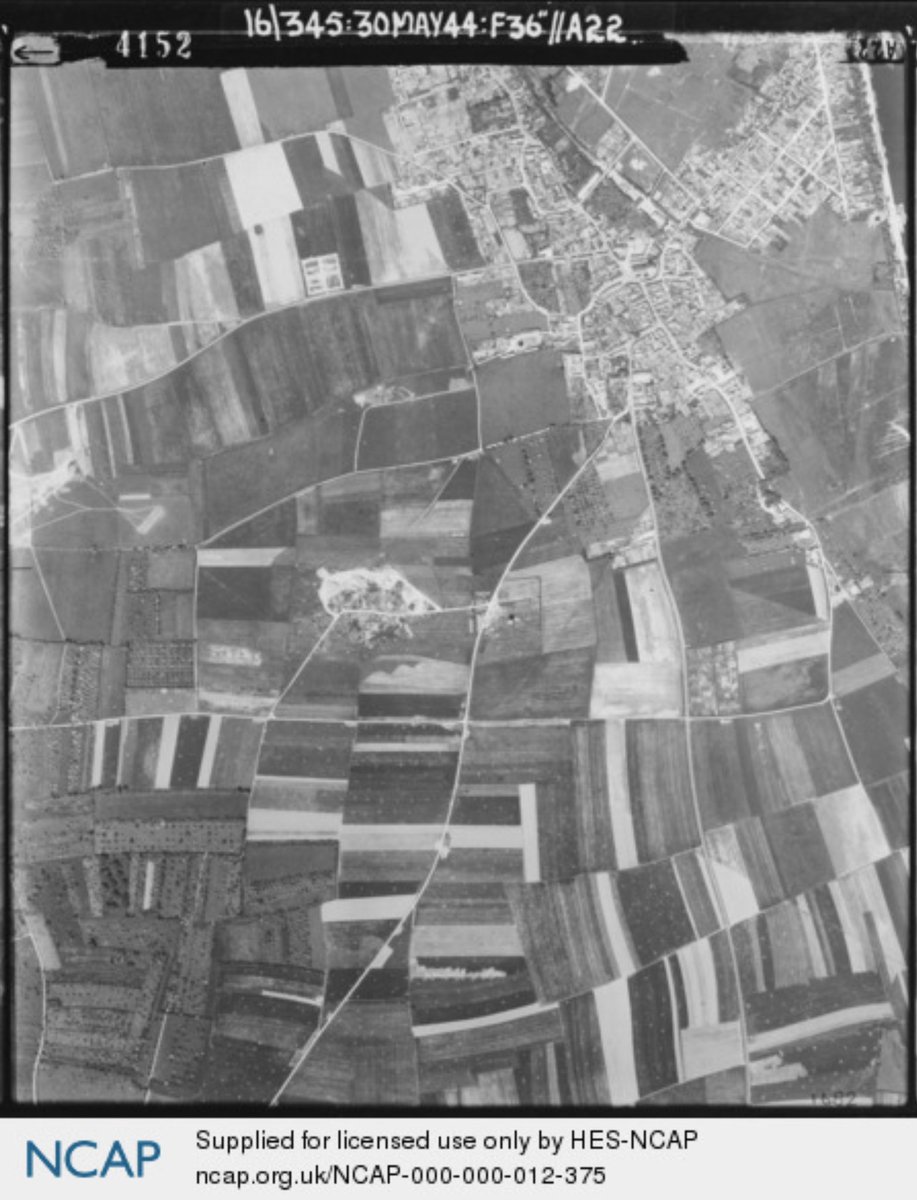
Remark- On call FOB with 2 East Yorks on completion of task.
7. 107765, recorded as two 75mm guns.

This location just north of Le Port and Benoville was to be neutralised by 6 Airborne Div.

Nothing is clear from the reconnaissance photograph but may have been ATK Guns covering the main road of Ouistreham/Caen.
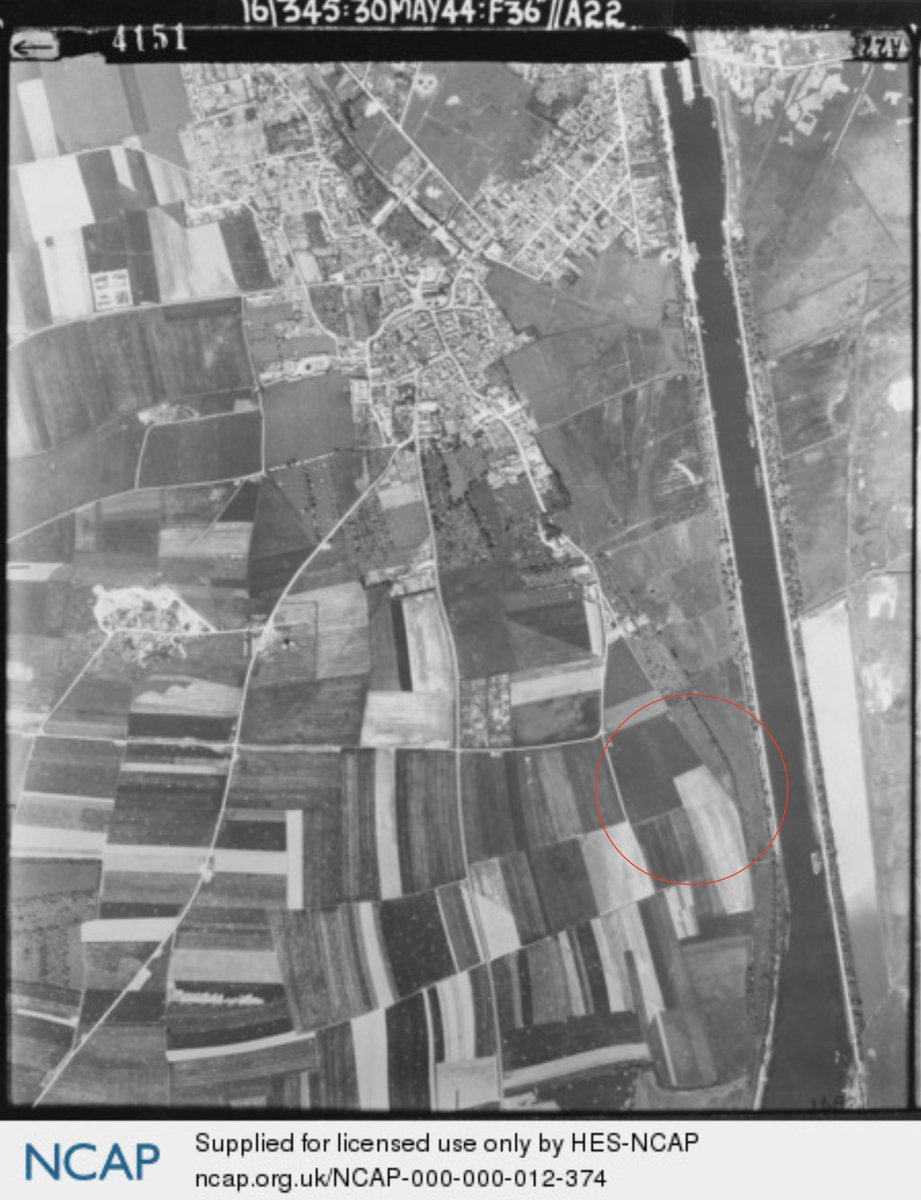
8. Sallenelles, WN1 The Merville Battery with four 150mm guns.

To be hit at H-40 to H+50 by HMS Arethusa. Heavy Bombers of the RAF were to hit at H-230 to H-220.

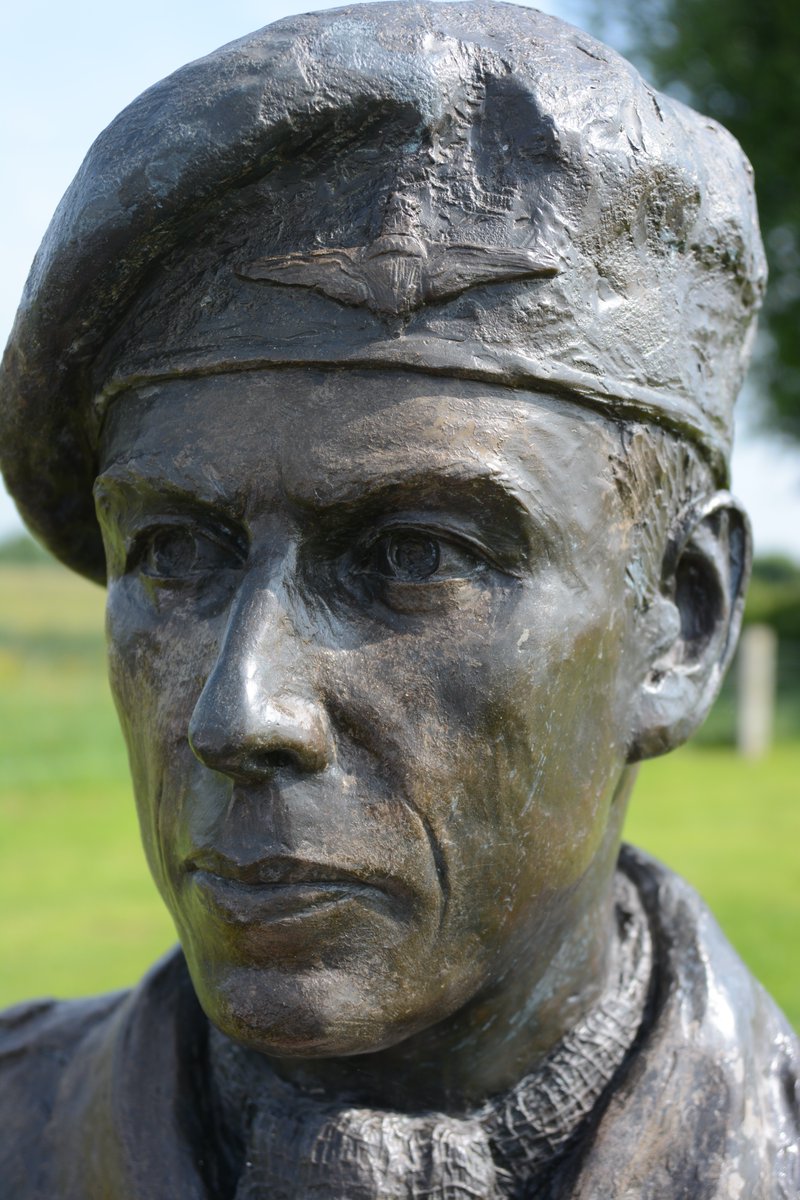
This was an objective of 9 Parachute Battalion, 3 Parachute Brigade, 6 Airborne Division.
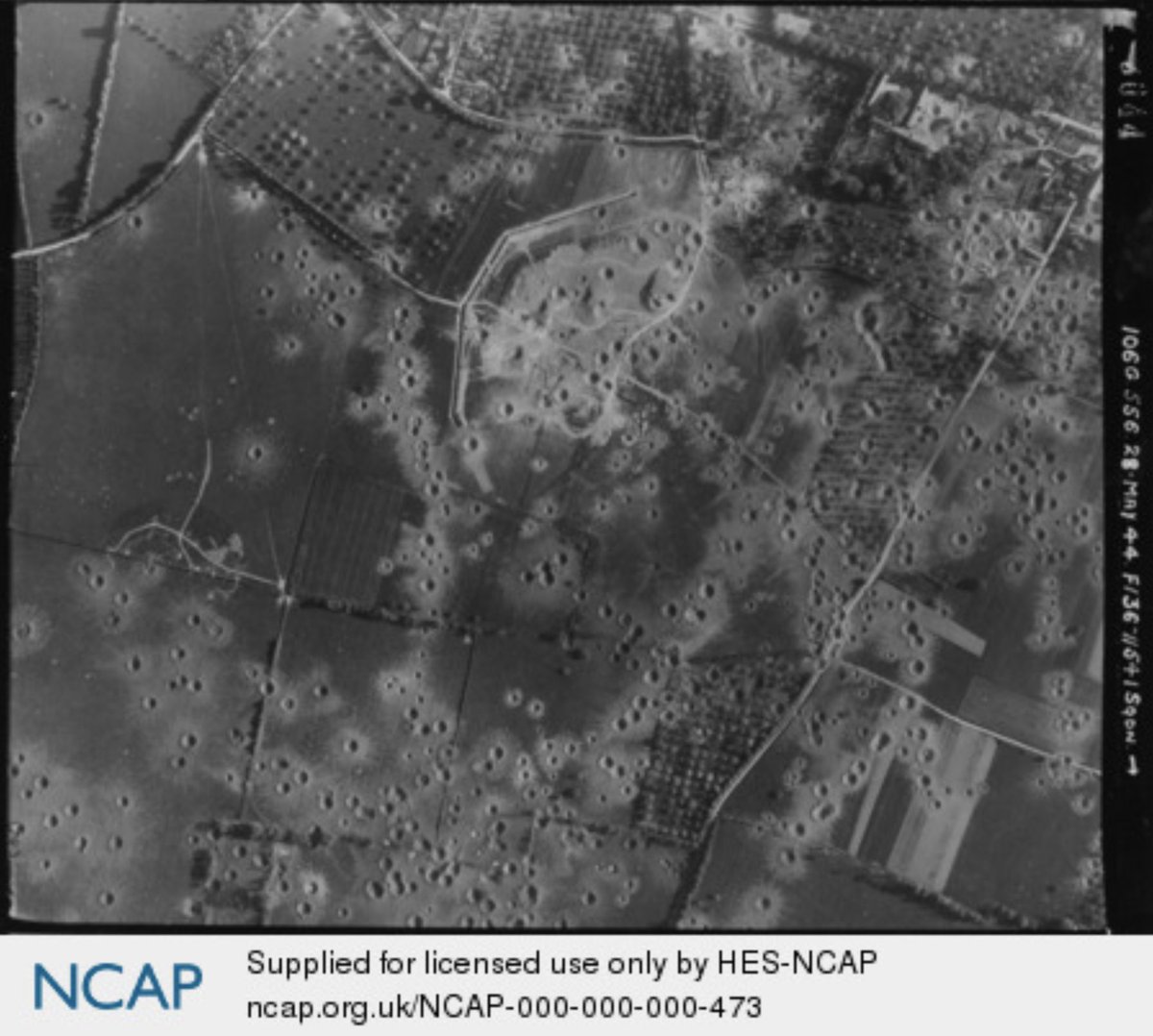
Remarks- RN will engage this battery only in the event of 6 Airborne Div failing to capture it.

The actions at the Merville Battery are worthy of its own thread at a later date.
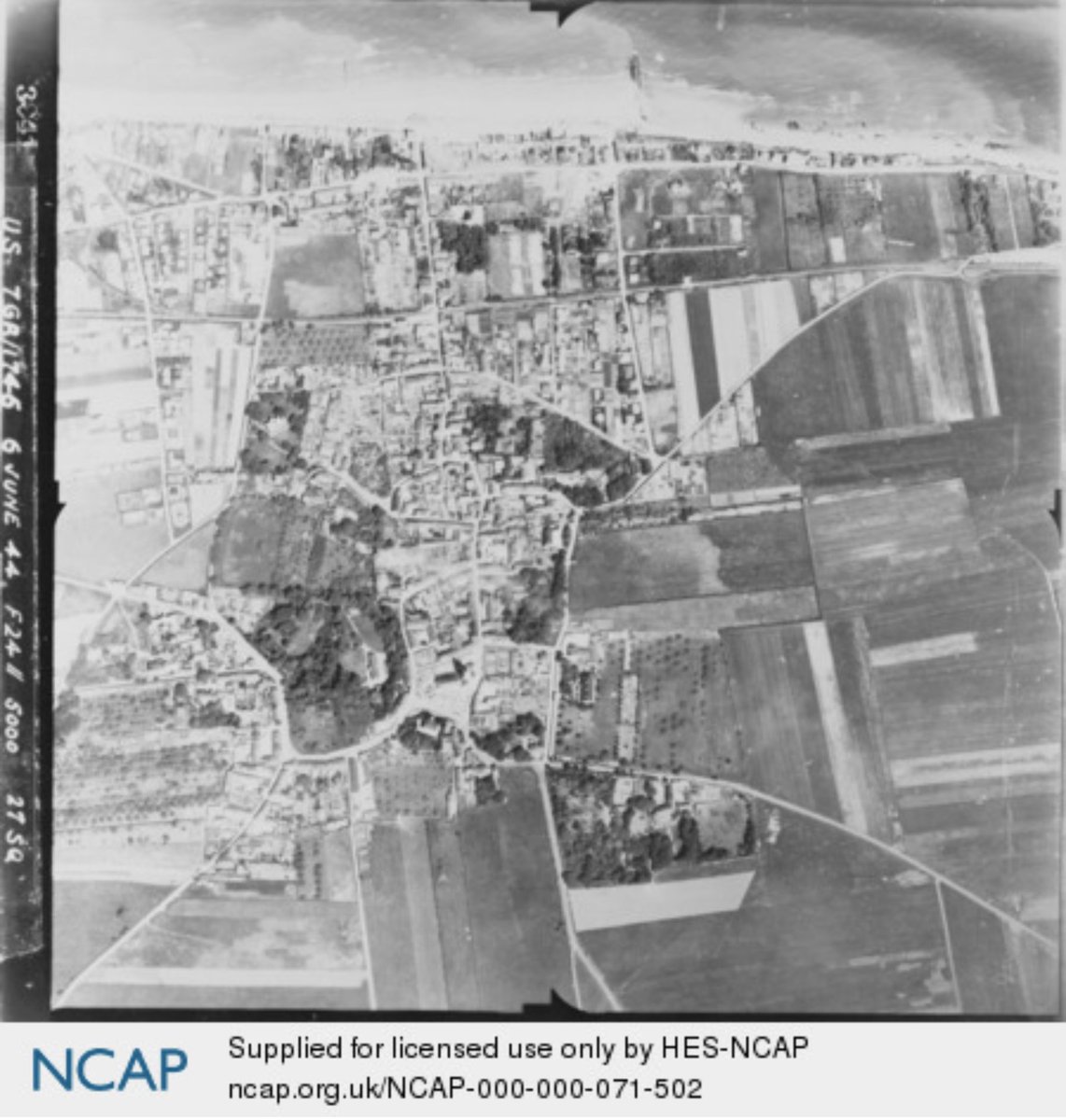
9. Langrune, WN26 that was positioned along the beach front containing a 5cm KwK L/60, numerous MG positions and mortar.

To be hit at H-45 by two fleet destroyers.

RAF heavy day bombing.

Remark- All destroyers at call FOsB when landed.
10. Lion Sur Mer, first grid 058825.

This comes back to Luc Sur Mer and south east of the town.

To be hit at H-45 by three fleet destroyers.

RAF heavy day bombing.

Trench lines can still be seen faintly on the ground today in the fields.
10. Lion Sur Mer, WN21 known as Trout on the sea front. Contained a 7.5cm gun, two 5cm guns as well as numerous MG positions.

To be hit at H-45 by three destroyers.

RAF heavy day bombing.

The British 3rd Infantry Division would be landed just to the east of this position.

More from For later read

1. The death of Silicon Valley, a thread

How did Silicon Valley die? It was killed by the internet. I will explain.

Yesterday, my friend IRL asked me "Where are good old days when techies were


2. In the "good old days" Silicon Valley was about understanding technology. Silicon, to be precise. These were people who had to understand quantum mechanics, who had to build the near-miraculous devices that we now take for granted, and they had to work

3. Now, I love libertarians, and I share much of their political philosophy. But you have to be socially naive to believe that it has a chance in a real society. In those days, Silicon Valley was not a real society. It was populated by people who understood quantum mechanics

4. Then came the microcomputer revolution. It was created by people who understood how to build computers. One borderline case was Steve Jobs. People claimed that Jobs was surrounded by a "reality distortion field" - that's how good he was at understanding people, not things

5. Still, the heroes of Silicon Valley were the engineers. The people who knew how to build things. Steve Jobs, for all his understanding of people, also had quite a good understanding of technology. He had a libertarian vibe, and so did Silicon Valley
Every single public defender. Every single day.


Bail arguments, motions, oral arguments, hearings. Judges don’t know, follow, or care about the law. Prosecutors are willing to take advantage of it. And mandatory minimums, withheld evidence, & pretrial detention coerces people to plead before trial. When theres a jury. A shot.

But defenders still fight. And still win. Most times wins aren’t “Justice.” It’s power of repetition of argument in front of same judges. Introducing those in power to the people they oppress. Not just a RAP sheet or words on a page. Defenders make it harder to be brutal & cruel.

I worked as a public defender at an office as well resourced as any in the country. Social workers, team of investigators, a reentry team, support staff, specialist attorneys in immigration, housing, education, family. Relatively low caseloads (80-100). And yet still injustice.

Most think that balancing the scales of justice means more funding for defenders. Thats part of it. Enough a attorneys to actually be at bail hearings. Wrap around services to be able to help people trapped in the system end up better off in their communities. Lower caseloads.

You May Also Like