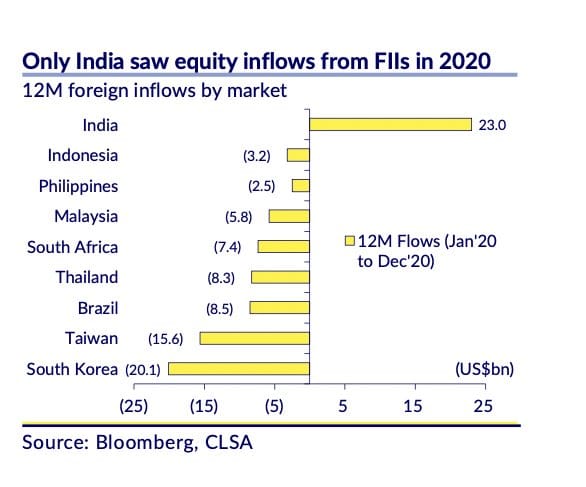
A thread on cumulative FII inflows into India in the CY2020
Background : This was a widely shared link on social media and also tweeted by FM @nsitharaman amid a lot of discussion around the strong foreign inflows in Indian
In fact, last 6 CYs (2015-2020) net flow in debt & equity is negligible.
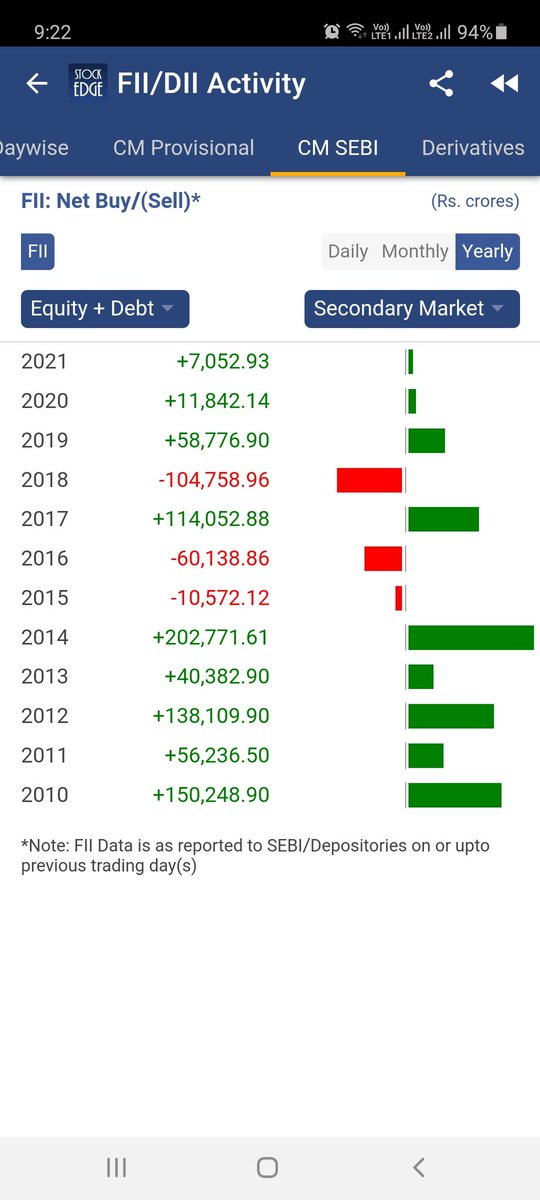
But still the flows became aggressive only in last two months of 2020 - Nov & Dec
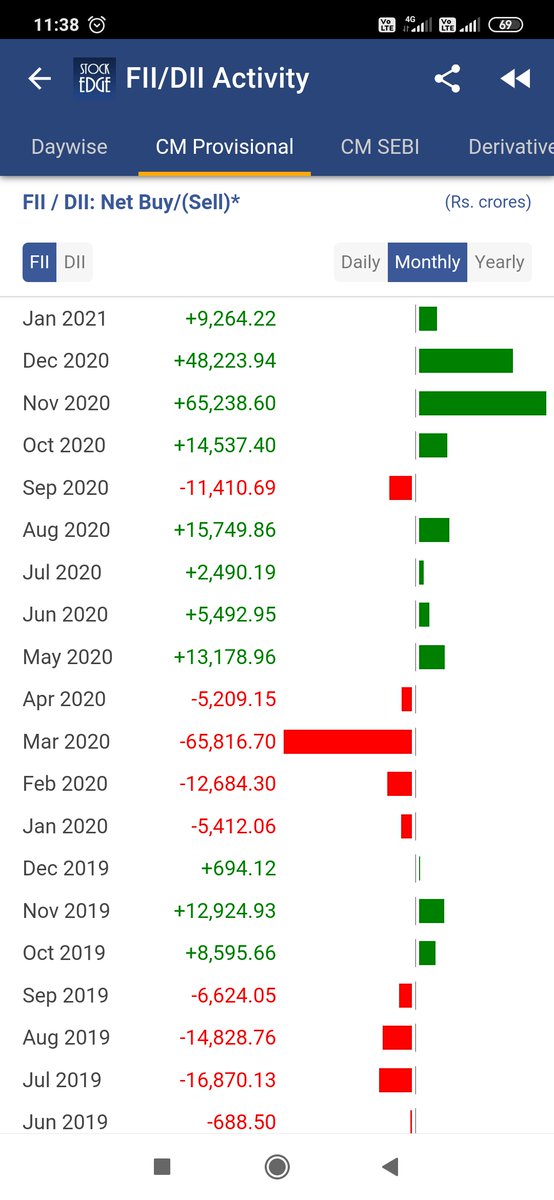
Two technical things happened:
(a) MSCI Annual review on Nov 10 brought fresh inflows. This happens every year, so was not surprising.
https://t.co/b0OdkWvyyX
PS : This was supposed to happen in June-20 but thanks to Babugiri and C19 lockdown was postponed to Nov-20
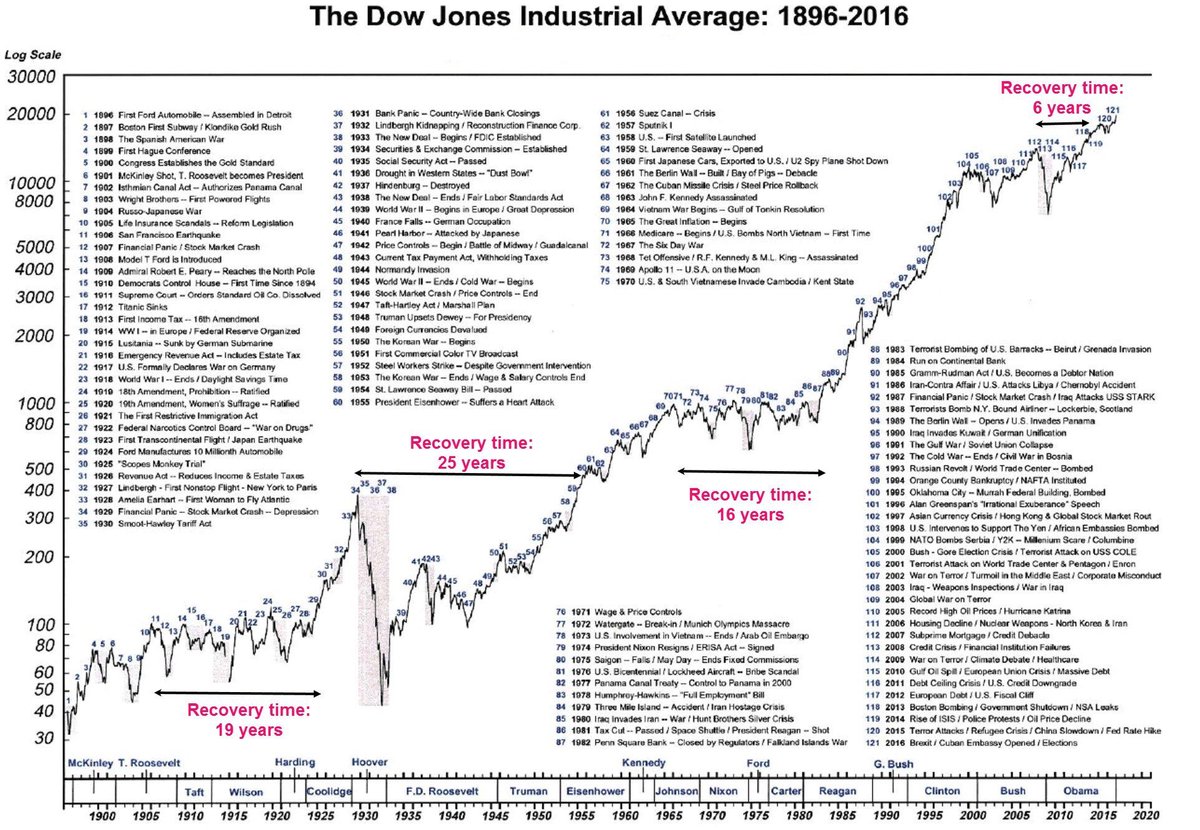
Idea that this will continue without any improvement in earnings outlook is fraught with risks. Any hint of liquidity withdrawn in any form from anywhere can prick the bubble.
More from Finance




Here are all the threads posted by @AdityaTodmal and @niki_poojary in January: 🧵
• 8 powerful ways to use Twitter
• Power of Stocks
• 14 Trading Strategies
• Basics of Derivatives (3 parts)
• Technical Analysis for all sectors
• Tweets of the week
• Books on Futures
All the Top 10 tweets threads I have ever posted to date:
Basics of Derivatives Part 1:
8 powerful ways to use Twitter:
Basics of Derivatives Part 2:
• 8 powerful ways to use Twitter
• Power of Stocks
• 14 Trading Strategies
• Basics of Derivatives (3 parts)
• Technical Analysis for all sectors
• Tweets of the week
• Books on Futures
All the Top 10 tweets threads I have ever posted to date:
Every week, I post a thread with the top ten tweets.
— Aditya Todmal (@AdityaTodmal) January 7, 2022
People seem to enjoy these a lot.
\U0001f9f5 Here's a list of all of them in order of appearance: \U0001f9f5
Basics of Derivatives Part 1:
\U0001d401\U0001d41a\U0001d42c\U0001d422\U0001d41c\U0001d42c \U0001d428\U0001d41f \U0001d403\U0001d41e\U0001d42b\U0001d422\U0001d42f\U0001d41a\U0001d42d\U0001d422\U0001d42f\U0001d41e\U0001d42c
— Nikita Poojary (@niki_poojary) January 8, 2022
\u2022 What is a derivative
\u2022 Various derivative products
\u2022 Participants in derivatives market
\u2022 Uses of derivative instruments
\u2022 Beta & hedge ratio
\u2022 Option Greeks
Time for a Thread \U0001f9f5
Curated in collaboration with @AdityaTodmal pic.twitter.com/x6IHoQubOT
8 powerful ways to use Twitter:
Most of the Trading community doesn\u2019t know how to use Twitter effectively.
— Aditya Todmal (@AdityaTodmal) January 15, 2022
Here are 8 powerful ways to use Twitter: \U0001f9f5
Collaborated with @niki_poojary pic.twitter.com/TuZt72PIzd
Basics of Derivatives Part 2:
\U0001d401\U0001d41a\U0001d42c\U0001d422\U0001d41c\U0001d42c \U0001d428\U0001d41f \U0001d403\U0001d41e\U0001d42b\U0001d422\U0001d42f\U0001d41a\U0001d42d\U0001d422\U0001d42f\U0001d41e\U0001d42c - \U0001d40f\U0001d41a\U0001d42b\U0001d42d \U0001d408\U0001d408
— Nikita Poojary (@niki_poojary) January 15, 2022
\u2022 How options can be used
\u2022 How to trade in options & exit strategy- buyers
\u2022 Imp of theta decay
\u2022 How to trade in options & exit strategy -sellers
Time for a Thread\U0001f9f5
Curated in collaboration with@AdityaTodmal pic.twitter.com/Ebd99afDKB