The IPP deal is in final stages.
last week two separate meetings took place by energy and finance teams - one with the PM (on overall reforms of energy sector). The other was with the COAS - specifically on IPPs deal and CD. 1/9
But the govt promises are not honored- that is why CD is 3/9
More from Finance




Here are all the threads posted by @AdityaTodmal and @niki_poojary in January: 🧵
• 8 powerful ways to use Twitter
• Power of Stocks
• 14 Trading Strategies
• Basics of Derivatives (3 parts)
• Technical Analysis for all sectors
• Tweets of the week
• Books on Futures
All the Top 10 tweets threads I have ever posted to date:
Basics of Derivatives Part 1:
8 powerful ways to use Twitter:
Basics of Derivatives Part 2:
• 8 powerful ways to use Twitter
• Power of Stocks
• 14 Trading Strategies
• Basics of Derivatives (3 parts)
• Technical Analysis for all sectors
• Tweets of the week
• Books on Futures
All the Top 10 tweets threads I have ever posted to date:
Every week, I post a thread with the top ten tweets.
— Aditya Todmal (@AdityaTodmal) January 7, 2022
People seem to enjoy these a lot.
\U0001f9f5 Here's a list of all of them in order of appearance: \U0001f9f5
Basics of Derivatives Part 1:
\U0001d401\U0001d41a\U0001d42c\U0001d422\U0001d41c\U0001d42c \U0001d428\U0001d41f \U0001d403\U0001d41e\U0001d42b\U0001d422\U0001d42f\U0001d41a\U0001d42d\U0001d422\U0001d42f\U0001d41e\U0001d42c
— Nikita Poojary (@niki_poojary) January 8, 2022
\u2022 What is a derivative
\u2022 Various derivative products
\u2022 Participants in derivatives market
\u2022 Uses of derivative instruments
\u2022 Beta & hedge ratio
\u2022 Option Greeks
Time for a Thread \U0001f9f5
Curated in collaboration with @AdityaTodmal pic.twitter.com/x6IHoQubOT
8 powerful ways to use Twitter:
Most of the Trading community doesn\u2019t know how to use Twitter effectively.
— Aditya Todmal (@AdityaTodmal) January 15, 2022
Here are 8 powerful ways to use Twitter: \U0001f9f5
Collaborated with @niki_poojary pic.twitter.com/TuZt72PIzd
Basics of Derivatives Part 2:
\U0001d401\U0001d41a\U0001d42c\U0001d422\U0001d41c\U0001d42c \U0001d428\U0001d41f \U0001d403\U0001d41e\U0001d42b\U0001d422\U0001d42f\U0001d41a\U0001d42d\U0001d422\U0001d42f\U0001d41e\U0001d42c - \U0001d40f\U0001d41a\U0001d42b\U0001d42d \U0001d408\U0001d408
— Nikita Poojary (@niki_poojary) January 15, 2022
\u2022 How options can be used
\u2022 How to trade in options & exit strategy- buyers
\u2022 Imp of theta decay
\u2022 How to trade in options & exit strategy -sellers
Time for a Thread\U0001f9f5
Curated in collaboration with@AdityaTodmal pic.twitter.com/Ebd99afDKB
You May Also Like



So friends here is the thread on the recommended pathway for new entrants in the stock market.
Here I will share what I believe are essentials for anybody who is interested in stock markets and the resources to learn them, its from my experience and by no means exhaustive..
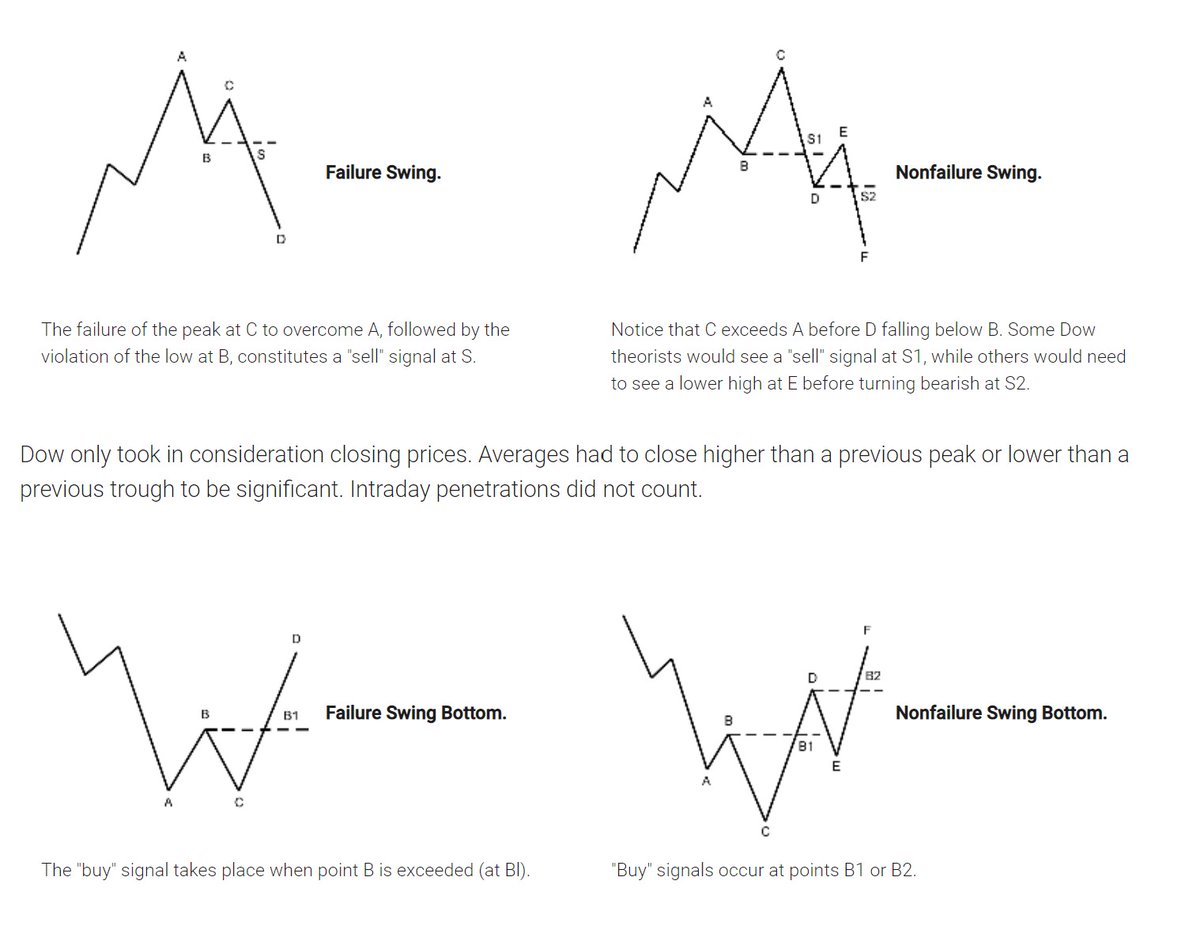
First the very basic : The Dow theory, Everybody must have basic understanding of it and must learn to observe High Highs, Higher Lows, Lower Highs and Lowers lows on charts and their
Even those who are more inclined towards fundamental side can also benefit from Dow theory, as it can hint start & end of Bull/Bear runs thereby indication entry and exits.
Next basic is Wyckoff's Theory. It tells how accumulation and distribution happens with regularity and how the market actually
Dow theory is old but
Here I will share what I believe are essentials for anybody who is interested in stock markets and the resources to learn them, its from my experience and by no means exhaustive..
First the very basic : The Dow theory, Everybody must have basic understanding of it and must learn to observe High Highs, Higher Lows, Lower Highs and Lowers lows on charts and their
Even those who are more inclined towards fundamental side can also benefit from Dow theory, as it can hint start & end of Bull/Bear runs thereby indication entry and exits.
Next basic is Wyckoff's Theory. It tells how accumulation and distribution happens with regularity and how the market actually
Dow theory is old but
Old is Gold....
— Professor (@DillikiBiili) January 23, 2020
this Bharti Airtel chart is a true copy of the Wyckoff Pattern propounded in 1931....... pic.twitter.com/tQ1PNebq7d