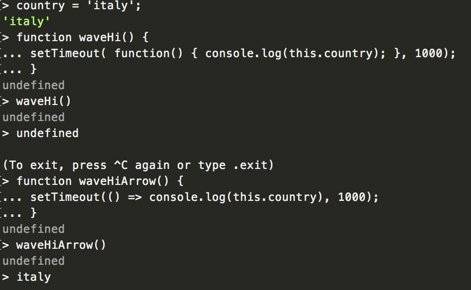
The new semester starts tomorrow so I thought I'd share some useful advice on how I made friends during remote learning from scratch - I just finished my first semester at a new university taught entirely online so I haven't met anybody in person nor have I set foot on campus
More from Education

Working on a newsletter edition about deliberate practice.
Deliberate practice is crucial if you want to reach expert level in any skill, but what is it, and how can it help you learn more precisely?
A thread based on @augustbradley's conversation with the late Anders Ericsson.
You can find my complete notes from the conversation in my public Roam graph:
https://t.co/Z5bXHsg3oc
The entire conversation is on
The 10,000-hour 'rule' was based on Ericsson's research, but simple practice is not enough for mastery.
We need teachers and coaches to give us feedback on how we're doing to adjust our actions effectively. Technology can help us by providing short feedback loops.
There's purposeful and deliberate practice.
In purposeful practice, you gain breakthroughs by trying out different techniques you find on your own.
In deliberate practice, an expert tells you what to improve on and how to do it, and then you do that (while getting feedback).
It's possible to come to powerful techniques through purposeful practice, but it's always a gamble.
Deliberate practice is possible with a map of the domain and a recommended way to move through it. This makes success more likely.
Deliberate practice is crucial if you want to reach expert level in any skill, but what is it, and how can it help you learn more precisely?
A thread based on @augustbradley's conversation with the late Anders Ericsson.
You can find my complete notes from the conversation in my public Roam graph:
https://t.co/Z5bXHsg3oc
The entire conversation is on
The 10,000-hour 'rule' was based on Ericsson's research, but simple practice is not enough for mastery.
We need teachers and coaches to give us feedback on how we're doing to adjust our actions effectively. Technology can help us by providing short feedback loops.
There's purposeful and deliberate practice.
In purposeful practice, you gain breakthroughs by trying out different techniques you find on your own.
In deliberate practice, an expert tells you what to improve on and how to do it, and then you do that (while getting feedback).
It's possible to come to powerful techniques through purposeful practice, but it's always a gamble.
Deliberate practice is possible with a map of the domain and a recommended way to move through it. This makes success more likely.


Time for some thoughts on schools given the revised SickKids document and the fact that ON decided to leave most schools closed. ON is not the only jurisdiction to do so, but important to note that many jurisdictions would not have done so -even with higher incidence rates.
As outlined in the tweet by @NishaOttawa yesterday, the situation is complex, and not a simple right or wrong https://t.co/DO0v3j9wzr. And no one needs to list all the potential risks and downsides of prolonged school closures.
On the other hand: while school closures do not directly protect our most vulnerable in long-term care at all, one cannot deny that any factor potentially increasing community transmission may have an indirect effect on the risk to these institutions, and on healthcare.
The question is: to what extend do schools contribute to transmission, and how to balance this against the risk of prolonged school closures. The leaked data from yesterday shows a mixed picture -schools are neither unicorns (ie COVID free) nor infernos.
Assuming this data is largely correct -while waiting for an official publication of the data, it shows first and foremost the known high case numbers at Thorncliff, while other schools had been doing very well -are safe- reiterating the impact of socioeconomics on the COVID risk.
A group of Ontario experts led by SickKids has updated its guidance for school operation during the COVID-19 pandemic. The living document, COVID-19: Updated Guidance for School Operation During the Pandemic, can be read here: https://t.co/rotLqDqkQh pic.twitter.com/q7kVezAPoG
— SickKids_TheHospital (@SickKidsNews) January 21, 2021
As outlined in the tweet by @NishaOttawa yesterday, the situation is complex, and not a simple right or wrong https://t.co/DO0v3j9wzr. And no one needs to list all the potential risks and downsides of prolonged school closures.
1/It's the eve of provincial announcements on schools reopening for in-person instruction.
— Nisha Thampi (@NishaOttawa) January 20, 2021
Households are under stress and experts are divided on whether schools are unicorns or infernos.
Everyone wants to do right by kids, who have borne so much throughout this pandemic.
On the other hand: while school closures do not directly protect our most vulnerable in long-term care at all, one cannot deny that any factor potentially increasing community transmission may have an indirect effect on the risk to these institutions, and on healthcare.
The question is: to what extend do schools contribute to transmission, and how to balance this against the risk of prolonged school closures. The leaked data from yesterday shows a mixed picture -schools are neither unicorns (ie COVID free) nor infernos.
Assuming this data is largely correct -while waiting for an official publication of the data, it shows first and foremost the known high case numbers at Thorncliff, while other schools had been doing very well -are safe- reiterating the impact of socioeconomics on the COVID risk.
You May Also Like

First update to https://t.co/lDdqjtKTZL since the challenge ended – Medium links!! Go add your Medium profile now 👀📝 (thanks @diannamallen for the suggestion 😁)

Just added Telegram links to https://t.co/lDdqjtKTZL too! Now you can provide a nice easy way for people to message you :)

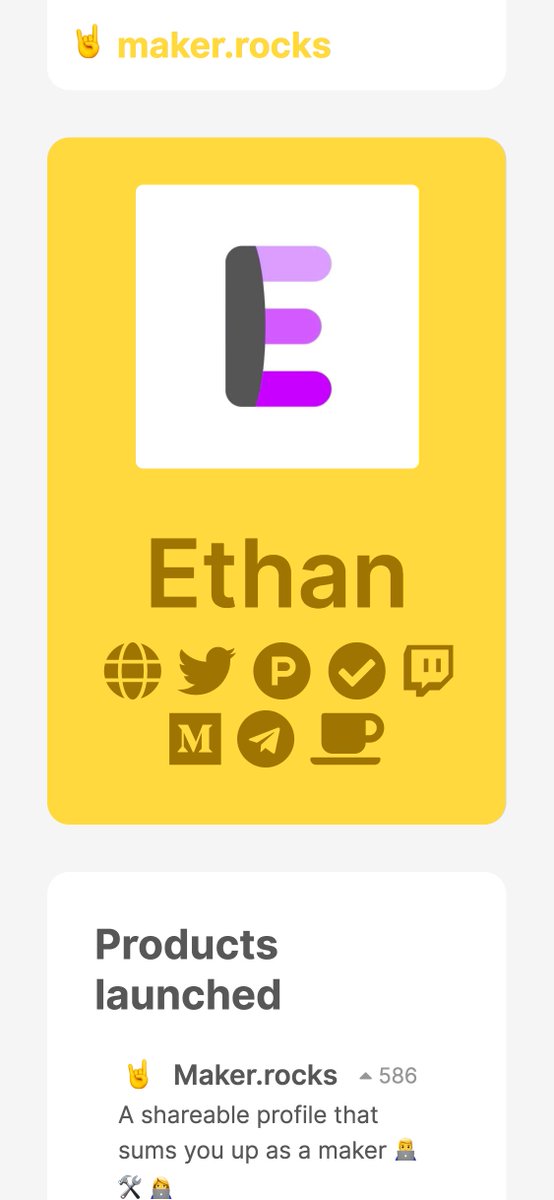
Less than 1 hour since I started adding stuff to https://t.co/lDdqjtKTZL again, and profile pages are now responsive!!! 🥳 Check it out -> https://t.co/fVkEL4fu0L
Accounts page is now also responsive!! 📱✨
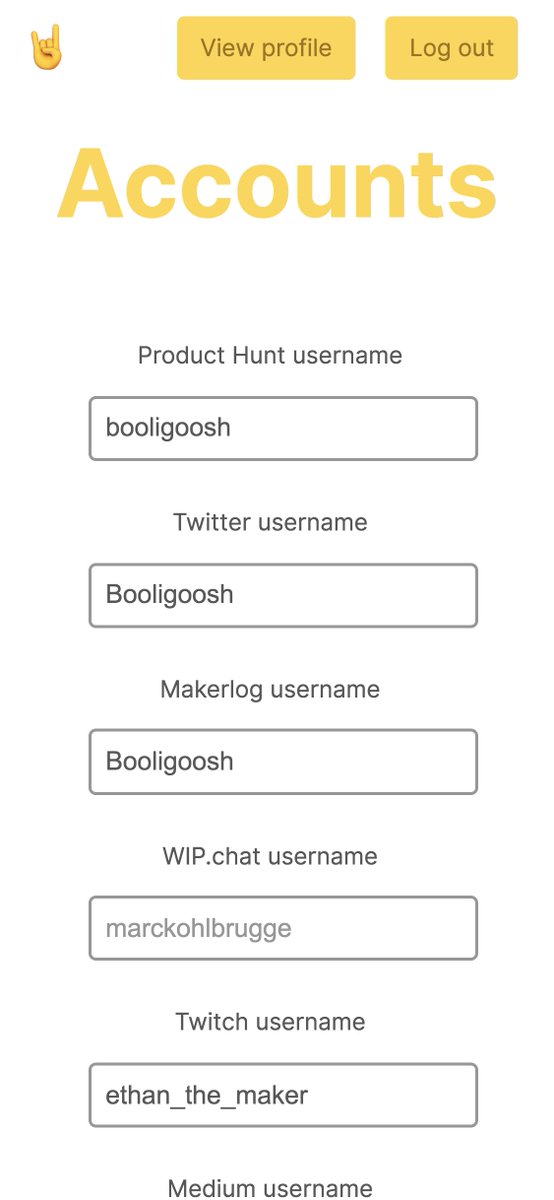
💪 I managed to make the whole site responsive in about an hour. On my roadmap I had it down as 4-5 hours!!! 🤘🤠🤘
Just added Telegram links to https://t.co/lDdqjtKTZL too! Now you can provide a nice easy way for people to message you :)
Less than 1 hour since I started adding stuff to https://t.co/lDdqjtKTZL again, and profile pages are now responsive!!! 🥳 Check it out -> https://t.co/fVkEL4fu0L
Accounts page is now also responsive!! 📱✨
💪 I managed to make the whole site responsive in about an hour. On my roadmap I had it down as 4-5 hours!!! 🤘🤠🤘