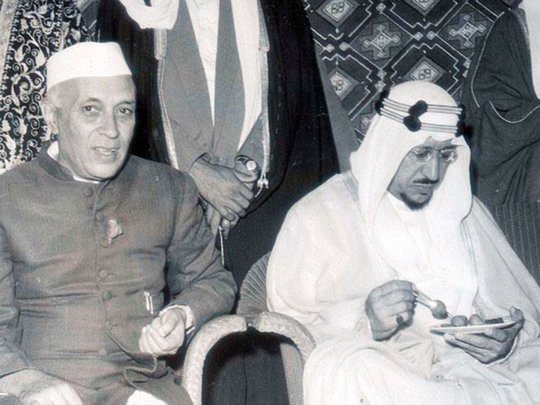
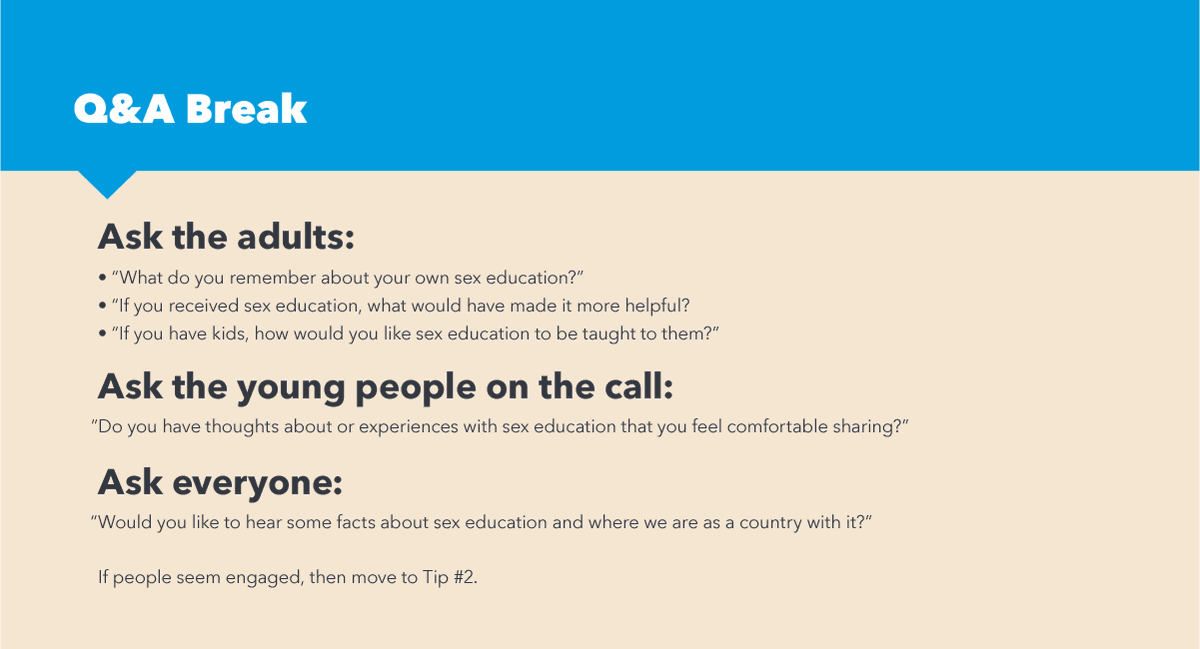
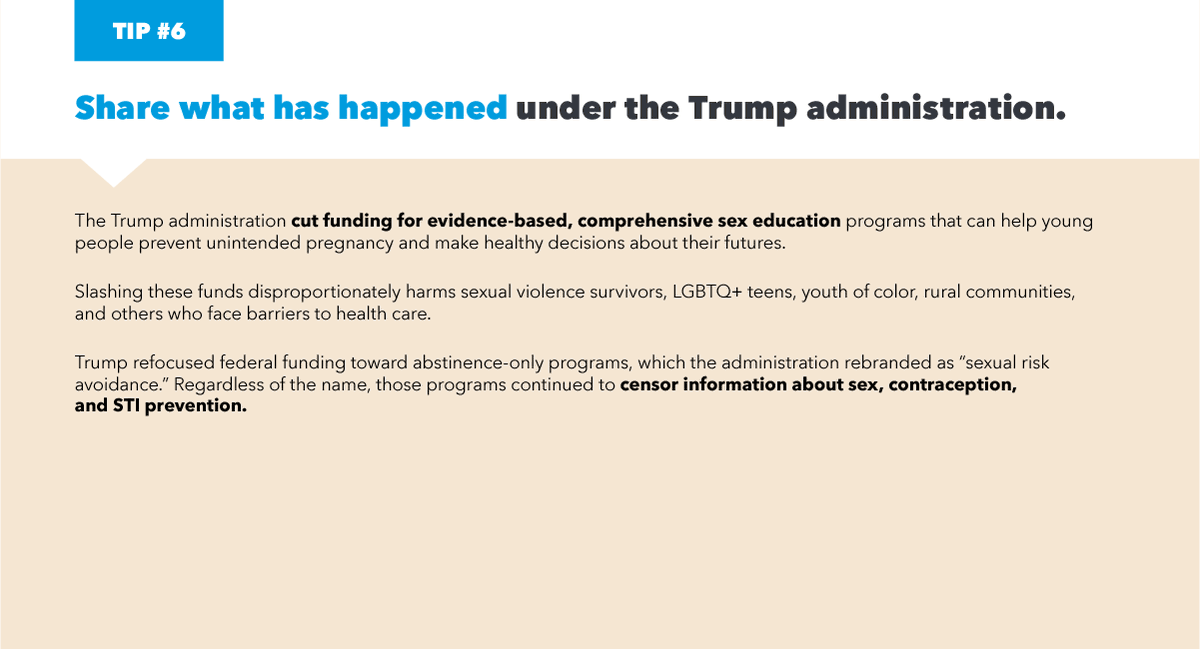
Sex education is more than just putting condoms on bananas. Sex education is a foundation for our development as people. We know — it sounds totally awkward to talk about this with your fam. Don’t worry! We’ve got you ⤵️





More from Education

I held back from commenting overnight to chew it over, but I am still saddened by comments during a presentation I attended yesterday by Prof @trishgreenhalgh & @CIHR_IMHA.
The topic was “LongCovid, Myalgic Encephalomyelitis & More”.
I quote from memory.
1/n
#MECFS #LongCovid
The bulk of Prof @Trishgreenhalgh’s presentation was on the importance of recognising LongCovid patient’s symptoms, and pathways for patients which recognised their condition as real. So far so good.
She was asked about “Post Exertional Malaise”... 2/n
PEM has been reported by many patients, and is the hallmark symptom of ME/CFS, leading many to query whether LongCovid and ME/CFS are similar or have overlapping mechanisms.
@Trishgreenhalgh acknowledged the new @NiceComms advice for LongCovid was planned to complement... 3/n
the ME/CFS guidelines, acknowledging some similarities.
Then it all went wrong.
@TrishGreenhalgh noted the changes to the @NiceComms guidance for ME/CFS, removing support for Graded Exercise Therapy / Cognitive Behavioural Therapy. She noted there is a big debate about this. 4/n
That is correct: The BMJ published Prof Lynne Turner Stokes’ column criticising the change (Prof Turner-Stokes is a key proponent of GET/CBT, and I suspect is known to Prof @TrishGreenhalgh).
https://t.co/0enH8TFPoe
However Prof Greenhalgh then went off-piste.
5/n
The topic was “LongCovid, Myalgic Encephalomyelitis & More”.
I quote from memory.
1/n
#MECFS #LongCovid
Have you registered for IMHA's next webinar on Long-COVID? Guest speaker Professor Trisha Greenhalgh.
— CIHR-IMHA Community (@CIHR_IMHA) January 12, 2021
When? Tomorrow: *Jan 13th.* 12pm ET
A few spots are left, but going fast!
Registration required: https://t.co/T4PbWNA35Y@KarimKhan_IMHA @CIHR_IRSC @trishgreenhalgh pic.twitter.com/xlWKi4QKF1
The bulk of Prof @Trishgreenhalgh’s presentation was on the importance of recognising LongCovid patient’s symptoms, and pathways for patients which recognised their condition as real. So far so good.
She was asked about “Post Exertional Malaise”... 2/n
PEM has been reported by many patients, and is the hallmark symptom of ME/CFS, leading many to query whether LongCovid and ME/CFS are similar or have overlapping mechanisms.
@Trishgreenhalgh acknowledged the new @NiceComms advice for LongCovid was planned to complement... 3/n
the ME/CFS guidelines, acknowledging some similarities.
Then it all went wrong.
@TrishGreenhalgh noted the changes to the @NiceComms guidance for ME/CFS, removing support for Graded Exercise Therapy / Cognitive Behavioural Therapy. She noted there is a big debate about this. 4/n
That is correct: The BMJ published Prof Lynne Turner Stokes’ column criticising the change (Prof Turner-Stokes is a key proponent of GET/CBT, and I suspect is known to Prof @TrishGreenhalgh).
https://t.co/0enH8TFPoe
However Prof Greenhalgh then went off-piste.
5/n



Normally I enjoy the high standards of journalism in @guardian . Not today as disappointed with misleading headline that suggest infections are spreading fastest in children. It'll worry parents/teachers & I doubt most readers will unpick the
The latest REACT1 report shows prevalence of infection in ALL age groups has fallen, including children aged 5-12 from 1.59% in Round 8 to 0.86% in Round 9a. The authors of REACT1 report also (wisely) didn't try to interpret the prevalence figures.
If this were a research trial you wouldn't place much weight on the age differences in % prevalence because of the wide confidence intervals, i.e. differences weren't statistically significant.
3/
I've previously tweeted on the challenges (& dangers) of interpreting surveillance data. One would need lots more contextual info to make sense of it & arrive at sound
Undoubtedly some will extrapolate from the prevalence of infection figures in children to other settings i.e. schools based on the headline. I'd advise caution as there is a real risk of over-interpretation through extrapolation of limited data. Association is not causation.
5/
The latest REACT1 report shows prevalence of infection in ALL age groups has fallen, including children aged 5-12 from 1.59% in Round 8 to 0.86% in Round 9a. The authors of REACT1 report also (wisely) didn't try to interpret the prevalence figures.
If this were a research trial you wouldn't place much weight on the age differences in % prevalence because of the wide confidence intervals, i.e. differences weren't statistically significant.
3/
I've previously tweeted on the challenges (& dangers) of interpreting surveillance data. One would need lots more contextual info to make sense of it & arrive at sound
Misinterpretation of surveillance data is a serious issue. Surveillance data needs to come with a warning label - Open to biases - interpret with caution! Some may not realize that surveillance often does not measure all infection, it's a proxy for actual disease incidence.
— Andrew Lee (@andrewleedr) February 14, 2021
1/
Undoubtedly some will extrapolate from the prevalence of infection figures in children to other settings i.e. schools based on the headline. I'd advise caution as there is a real risk of over-interpretation through extrapolation of limited data. Association is not causation.
5/